In Catalonia, the iconic song L’Estaca by Lluís Llach, a powerful anthem of resistance, resonates with the line, “If we all pull together, the stake will fall,” symbolising the region’s enduring spirit of collective struggle and cultural identity.
The poet Joan Maragall, a key figure in Catalan literature, celebrates Catalonia’s vibrant landscapes in his poem Cant de la Senyera, with the verse, “Beneath the red and yellow flag, Montserrat’s peaks stand proud,” evoking the region’s symbolic mountain and its deep-rooted patriotism. In cinema, the 2017 film Incerta Glòria (Uncertain Glory), directed by Agustí Villaronga and set in the Catalan Pyrenees during the Spanish Civil War, features the poignant quote, “In Catalonia’s heart, love and war share the same shadow,” capturing the region’s turbulent history and emotional intensity against its dramatic rural backdrop.
The region
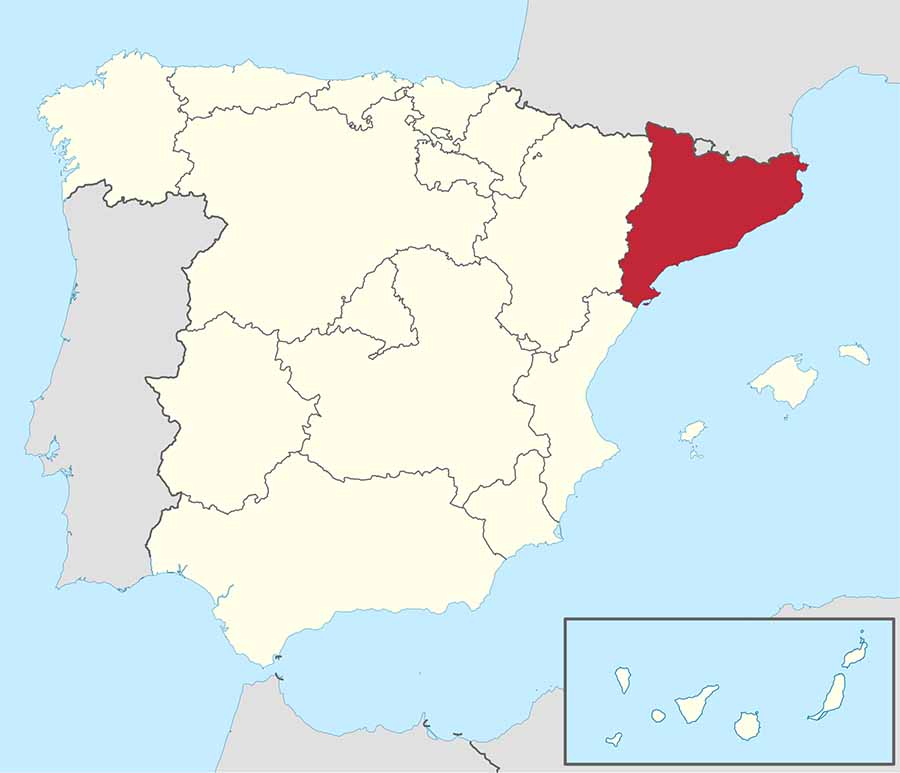
As summer 2026 beckons, Catalonia invites travellers with a captivating blend of sunlit beaches, historic landmarks, and rich cultural heritage. This northeastern Spanish region, stretching from the Mediterranean coast to the Pyrenees, offers a rewarding visitor experience for those seeking art, nature, and culinary delights.
Catalonia’s coastline is a treasure for beach lovers. Barceloneta Beach in Barcelona boasts golden sands and calm waters, perfect for sunbathing or paddleboarding. For a quieter escape, the Costa Brava’s Cala Sa Calobra near Tossa de Mar offers crystal-clear coves framed by pine-covered cliffs. Coastal paths around Cadaqués provide scenic walks, while water enthusiasts can enjoy snorkelling or sailing along the rugged shore.
Barcelona, the region’s heart, brims with architectural wonders. The Sagrada Família, Antoni Gaudí’s iconic basilica, captivates with its intricate façades and soaring interiors. Park Güell, another Gaudí masterpiece, features colourful mosaics and panoramic city views. Beyond Barcelona, Girona’s medieval quarter charms with its ancient walls and Jewish Quarter, while Tarragona’s Roman amphitheatre overlooks the sea, blending history with coastal beauty.
Food lovers will relish Catalonia’s culinary scene. In Barcelona’s La Boqueria market, stalls overflow with fresh seafood, jamón, and local cheeses. Restaurants like Tickets serve creative tapas, from patatas bravas to cod fritters, paired with Cava sparkling wine. On the Costa Brava, Empordà’s vineyards offer wine-tasting tours, while traditional eateries in Vic dish up hearty escudella stew, reflecting the region’s rural roots.
Nature enthusiasts will find Catalonia’s landscapes diverse. The Aigüestortes i Estany de Sant Maurici National Park in the Pyrenees boasts alpine meadows, turquoise lakes, and hiking trails for all levels. Montserrat’s jagged peaks, home to a historic monastery, offer scenic cable car rides and walking paths. For a coastal retreat, the Ebro Delta’s wetlands provide birdwatching opportunities, with flamingos and herons dotting the marshes.
Catalonia’s warm summer climate, with temperatures around 28°C and long sunny days, ensures comfortable exploration. Efficient train and bus networks, alongside car rentals, make travel between Barcelona, Girona, and rural retreats straightforward. Visitors can browse artisan shops in Figueres, home to the Dalí Theatre-Museum, or relax in thermal spas at Caldes de Malavella.
With its mix of cultural treasures, natural beauty, and gastronomic richness, Catalonia offers a welcoming escape. Whether strolling along Barceloneta, admiring Gaudí’s creations, or savouring tapas, summer 2026 in Catalonia promises a memorable experience.
The visit
Catalonia, a vibrant autonomous region in northeastern Spain, offers visitors a dynamic mix of stunning landscapes, rich cultural heritage, world-class cuisine, and cosmopolitan cities. From the bustling streets of Barcelona to the serene Pyrenees, here’s what visitors can expect:
Natural Attractions
- Costa Brava: This rugged coastline features crystal-clear coves, sandy beaches like Lloret de Mar, and charming fishing villages such as Cadaqués. Ideal for swimming, snorkeling, or coastal hikes along the Camí de Ronda.
- Pyrenees Mountains: The Catalan Pyrenees, including Aigüestortes i Estany de Sant Maurici National Park, offer hiking, skiing (in resorts like Baqueira-Beret), and breathtaking views of lakes and peaks.
- Montserrat: A unique serrated mountain range near Barcelona, home to the Benedictine monastery of Santa Maria de Montserrat. Visitors can hike trails, enjoy panoramic views, or hear the famous boys’ choir.
- Ebro Delta: A lesser-known wetland paradise for birdwatching, with rice paddies, lagoons, and beaches teeming with flamingos and herons.
Cultural and Historical Highlights
- Barcelona: Catalonia’s capital is a cultural powerhouse. Expect iconic Gaudí architecture (Sagrada Família, Park Güell, Casa Batlló), the Gothic Quarter’s medieval charm, and vibrant markets like La Boqueria. Museums like the Picasso Museum and MNAC showcase art from medieval to modern.
- Tarragona: A Roman heritage hub with UNESCO-listed ruins, including an amphitheater, aqueduct, and forum. The city’s Mediterranean vibe and beaches add to its appeal.
- Girona: A picturesque city with a well-preserved Jewish Quarter, colorful houses along the Onyar River, and a stunning cathedral. Its medieval walls and Game of Thrones filming locations draw history buffs.
- Figueres: Home to the Dalí Theatre-Museum, a surrealist masterpiece dedicated to Salvador Dalí, showcasing his eccentric works in his birthplace.
- Festivals: Catalonia’s traditions shine in events like La Mercè (Barcelona’s biggest festival with parades and fireworks), human tower competitions (castells), and the fiery Correfoc. The Sant Jordi Day (April 23) celebrates love with books and roses.
Activities
- Urban Exploration: Stroll Barcelona’s Eixample for modernist architecture or wander Girona’s ancient streets. Tarragona’s Rambla Nova is perfect for leisurely walks.
- Outdoor Adventures: Hike in the Pyrenees, cycle through the Garrotxa Volcanic Zone, or kayak along the Costa Brava. Montserrat offers rock climbing and spiritual retreats.
- Wine and Food Tours: Visit the Penedès region for cava tastings or Priorat for robust red wines. Food tours in Barcelona reveal tapas, paella, and local markets.
- Beach Time: Relax on Costa Brava’s beaches or the quieter sands of Costa Daurada near Tarragona.
Cuisine
- Catalan Gastronomy: Expect bold flavors with dishes like escalivada (roasted vegetables), calcots with romesco sauce, and suquet (fish stew). Desserts include crema catalana, similar to crème brûlée.
- World-Class Dining: Catalonia boasts Michelin-starred restaurants like El Celler de Can Roca in Girona and Tickets in Barcelona. Casual tapas bars and vermuterias offer local vibes.
- Markets and Local Produce: Barcelona’s markets (Santa Caterina, Sant Antoni) brim with fresh seafood, cheeses, and cured meats. Try fuet (Catalan sausage) or local olives.
Practical Notes
- Climate: Mediterranean climate with hot summers (25-30°C) and mild winters (5-15°C). Spring and autumn are ideal for mild weather and fewer crowds.
- Accessibility: Barcelona’s El Prat Airport is a major hub, with excellent train (AVE high-speed) and bus connections to Girona, Tarragona, and beyond. The region is also drivable with well-maintained roads.
- Language: Catalan and Spanish are co-official languages. English is widely understood in tourist areas, especially Barcelona.
- Ambiance: Catalonia blends urban sophistication with rural charm. Expect lively cities, proud regional identity, and a welcoming yet independent spirit.
Unique Aspects
- Catalan Identity: Visitors may notice the region’s distinct culture, from the Catalan language to the red-and-yellow estelada flags symbolizing pride or independence aspirations.
- Art and Innovation: Catalonia’s creativity shines in its modernist architecture, surrealist art, and cutting-edge culinary scene.
- Diverse Experiences: Whether you’re exploring Roman ruins, skiing in the Pyrenees, or dancing at a festival, Catalonia offers something for every traveller.
Catalonia is a destination of contrasts, cosmopolitan yet traditional, coastal yet mountainous, promising unforgettable experiences for culture seekers, foodies, and adventurers alike.
Off the beaten path
Catalonia, beyond its well-known hubs like Barcelona and the Costa Brava, hides a wealth of lesser-visited gems that offer authentic experiences, stunning landscapes, and rich history. Here are some off-the-beaten-track locations and attractions in Catalonia for travellers seeking unique adventures:
- Siurana (Priorat): A tiny, medieval village perched on a cliff in the Priorat wine region, Siurana is one of Catalonia’s most picturesque and remote hamlets, surrounded by the Siurana Reservoir and rugged hills. Explore the 12th-century Church of Santa Maria, with its Romanesque portal, and the ruins of a Moorish castle tied to local legends. The village is a haven for rock climbing, with world-class routes, and hiking trails offer views of the reservoir. Nearby, small wineries produce Priorat’s renowned red wines. Its remote location, accessible via winding roads, keeps Siurana quiet, attracting mainly climbers and wine enthusiasts. Visit in autumn for cooler weather and harvest season, and book a wine tasting at a boutique cellar like Clos Figueras.
- Cardona Salt Mountain and Cultural Park: Near the town of Cardona, about 100 km northwest of Barcelona, this geological wonder is a rare salt mountain formed millions of years ago, paired with a fascinating industrial heritage site. Guided tours of the Salt Mountain Cultural Park reveal underground galleries, colorful salt formations, and the history of salt mining, which dates back to Neolithic times. Above ground, Cardona’s medieval castle (now a parador) and Gothic Santa Eulàlia Church add historical depth. Overshadowed by Montserrat, this unique site sees few tourists despite its striking beauty and cultural significance. Wear comfortable shoes for the mine tour, and consider an overnight stay in the castle-parador for a memorable experience.
- Rupit i Pruit: Tucked in the Collsacabra region of Osona, this fairy-tale village feels frozen in the Middle Ages, with stone houses, a hanging wooden bridge, and a backdrop of forests and cliffs. Wander the cobbled streets to see the 17th-century Sant Miquel Church and rustic homes adorned with flowers. Hike to the nearby Salt de Sallent, a dramatic 100-meter waterfall, or explore the surrounding Garrotxa Volcanic Zone. Local eateries serve hearty Catalan dishes like botifarra sausage. Its location, about 90 minutes from Barcelona, deters casual day-trippers, preserving its tranquil charm. Visit on a weekday to avoid weekend locals, and bring a camera for the village’s photogenic vistas.
- Vall de Boí (Pyrenees): In the heart of the Catalan Pyrenees, this remote valley in Lleida province is home to a UNESCO World Heritage cluster of nine Romanesque churches, set against a backdrop of alpine meadows and peaks. Visit churches like Sant Climent de Taüll, famous for its 12th-century frescoes (originals in Barcelona’s MNAC) and iconic bell towers. The valley is near Aigüestortes National Park, perfect for hiking to alpine lakes or skiing in winter at Boí-Taüll resort. Local festivals, like the “Falles” fire ritual, showcase ancient traditions. Its distance from major cities and rugged access keep it a secret for most, despite its UNESCO status. Stay in a local guesthouse to soak up the valley’s serenity, and visit in early summer for wildflowers.
- Montfalcó Murallat: A minuscule fortified village in La Segarra (Lleida), Montfalcó Murallat is a perfectly preserved medieval enclave atop a hill, surrounded by intact stone walls. Walk the narrow streets (only accessible on foot) to see a handful of stone houses and a small church, all within the circular walls. The surrounding plains offer sweeping views, ideal for photography. It’s a rare chance to experience a living medieval settlement with minimal modern intrusion. With no major attractions or tourist facilities, it attracts only those in the know, often en route to nearby Cervera. Visit in the late afternoon for golden light, and pair with a stop at Guimerà, another nearby medieval village.
- Tossa de Mar’s Hinterland (Vila Vella and Beyond): While Tossa de Mar on the Costa Brava is known for its beach and walled old town, its hinterland and lesser-known trails offer a quieter escape into nature and history. Hike the GR-92 trail from Tossa to hidden coves like Cala Bona or explore the Cadiretes Massif for forests and megalithic dolmens. The nearby Sant Grau hermitage, a small chapel in the hills, offers panoramic views and solitude. Offbeat eateries in nearby Llagostera serve authentic emporda cuisine. Most visitors stick to Tossa’s beachfront, leaving the inland trails and sites largely unexplored. Rent a bike for easier access to remote paths, and visit in spring for mild weather and blooming landscapes.
- Poblet Forest and Monastery Surroundings: While the UNESCO-listed Poblet Monastery in Tarragona is a draw, the surrounding Prades Mountains and Poblet Forest are a hidden gem for nature lovers and spiritual seekers. Hike or cycle through oak and pine forests to spots like the Tossal de la Baltasana, the region’s highest peak, with views over the Conca de Barberà. Small hermitages, like Mare de Déu dels Torrents, dot the area, and local wineries offer Conca de Barberà wine tastings. The forest’s silence is perfect for meditation. Most visitors focus on the monastery, overlooking the vast natural and cultural riches nearby. Combine with a visit to the nearby village of Prades, known as the “red village” for its pinkish stone buildings.
Practical Notes
- Access: A car is essential for most of these locations, as public transport is limited in rural Catalonia. Roads are generally well-maintained, but mountain routes can be narrow.
- Season: Spring (April-May) and autumn (September-October) offer pleasant weather and fewer crowds. Winter is ideal for Pyrenees visits, while summer suits coastal hinterlands.
- Preparation: Pack layers for variable mountain weather, and check opening hours for sites like Cardona’s salt mines or Poblet’s lesser-known trails. Some villages have limited dining options, so bring snacks.
- Local Vibe: These spots are cherished by locals, offering authentic Catalan culture with minimal tourist infrastructure. Basic Spanish or Catalan phrases can enhance interactions.
These off-the-beaten-track destinations in Catalonia reveal the region’s diverse landscapes, medieval heritage, and tranquil retreats, perfect for adventurous travellers seeking to escape the crowds and discover hidden treasures.
Spain region by region
Almería – Andalusia – Aragón – Asturias – Basque Country – Cádiz – Cantabria – Catalonia – Córdoba – Extremadura – Fuerteventura – Galicia – Gran Canaria – Granada – Huelva – Ibiza – Jaén – La Mancha – La Rioja – Lanzarote – León – Madrid – Majorca – Málaga – Menorca – Murcia – Navarra – Seville – Tenerife – Valencia –