The poem “Saudades do Mondego” by António Nobre, a poet whose work often reflects the melancholic beauty of Portugal’s landscapes recounts:“II go to fill the jug and bring it back/ Empty, just as I carried it!/Mondego, what’s become of your water?./ What’s become of the tears I shed?
This captures the nostalgic and serene essence of the Centro region, particularly the Mondego River, which flows through Coimbra, a cultural heart of Portugal known for its university and fado music, a tone that mirrors the region’s blend of history, nature, and quiet introspection.
The visit
Begin your journey in Coimbra, where the University of Coimbra, a UNESCO World Heritage Site, showcases a stunning Baroque library and a bell tower with sweeping city views. The nearby Santa Cruz Monastery, with its intricate Manueline portal, invites quiet exploration. The Portugal dos Pequenitos park, featuring miniature replicas of national landmarks, delights families.
Nature lovers will enjoy the Serra da Estrela, Portugal’s highest mountain range. Hiking trails wind through granite peaks and glacial valleys, with opportunities to spot wildflowers and mountain goats. The Mondego River offers kayaking and gentle boat rides, while cycling paths around Aveiro’s Ria de Aveiro lagoon provide scenic coastal routes.
History enthusiasts can explore Tomar’s Convent of Christ, a 12th-century Templar stronghold with ornate cloisters. The nearby Almourol Castle, set on a river island, adds a touch of medieval charm. In Óbidos, whitewashed houses and a well-preserved castle create a picturesque setting for leisurely walks.
Food lovers will savour the region’s cuisine. Restaurants in Coimbra, like O Trovador, serve chanfana, a goat stew, and bacalhau à bras, a cod dish. Local markets offer Serra da Estrela cheese and sweet ovos moles from Aveiro. Wineries in the Dão region near Viseu provide tastings of crisp whites and robust reds.
Coastal Centro de Portugal offers inviting beaches. Figueira da Foz’s Praia da Claridade is perfect for swimming, with wide sands and gentle waves. For a quieter retreat, Praia de Mira offers serene shores and dune trails. Families can enjoy Nazaré’s beachfront, with shallow waters and nearby seafood cafés.
Cultural exploration continues in Aveiro, where colourful moliceiro boats glide along canals. The Maritime Museum showcases the region’s fishing heritage. Families will find Centro de Portugal welcoming, with free attractions like Coimbra’s Jardim Botânico and budget-friendly visits to the Bussaco Forest, known for its exotic trees and tranquil paths.
Outdoor pursuits extend to the Zêzere River, where paddleboarding and fishing thrive. Evening walks through Coimbra’s historic centre, followed by dinner at a riverside restaurant, create a warm and inviting end to the day.Centro de Portugal in the summer of 2026 promises a mix of history, natural beauty, and culinary diversity.
Centro: all you need to know
Centro de Portugal, a diverse region stretching from the Silver Coast to the Serra da Estrela mountains, offers a rich tapestry of history, culture, and natural beauty. Less crowded than Lisbon or the Algarve, it’s a haven for travelers seeking authentic experiences, from medieval villages to vibrant university cities.
Diverse Landscapes:
- Silver Coast (Costa de Prata): Stretching from Figueira da Foz to Óbidos, this coastline features pristine beaches like São Martinho do Porto, a calm bay ideal for families, and Praia do Norte in Nazaré, a surfing mecca known for record-breaking waves (up to 30 meters). Peniche’s Baleal Beach is a hotspot for surfers and kitesurfers.
- Serra da Estrela Natural Park: Portugal’s highest mountain range, peaking at 1,993 meters at Torre, offers hiking, cycling, and winter skiing (December–March). The Zêzere Valley’s glacial lakes and granite cliffs are perfect for photography and tranquility.
- River Beaches: Inland, river beaches like Loriga (Serra da Estrela) and Penedo Furado (Vila de Rei) provide refreshing swimming spots surrounded by forests, ideal for summer escapes.
- Geopark Naturtejo: Near Castelo Branco, this UNESCO Geopark features dramatic quartzite cliffs, fossil trails in Penha Garcia, and boat trips on the Tagus River, showcasing 600 million years of geological history.
Outdoor Adventures:
- Hiking and Cycling: The Via Algarviana and Grande Rota do Zêzere offer multi-day trails through forests and villages. The new Atlantic Ring e-biking tour (8 nights, €1,490) cycles along the Mondego, Dão, and Vouga rivers, stopping at Coimbra, Viseu, and Aveiro, blending history and nature.
- Surfing: Nazaré and Peniche attract surfers year-round, with schools catering to all levels. Winter swells (October–March) draw pros to Nazaré’s giant waves.
- Water Sports: Kayaking and paddleboarding are popular on the Mondego River (Coimbra) and Aveiro’s Ria de Aveiro lagoon, known as the “Venice of Portugal” for its canals and moliceiro boats.
- Birdwatching: The Paul do Boquilobo Nature Reserve near Golegã hosts herons, kingfishers, and migratory birds, while the Serra da Estrela is home to eagles and hawks.
Historic Cities and Villages:
- Coimbra: Portugal’s former capital and home to the University of Coimbra (UNESCO World Heritage Site), founded in 1290. Its Joanine Library, with 60,000 ancient books and bat-protected shelves, is a highlight. The city’s lively student culture fuels Coimbra Fado, a fast-paced, upbeat style performed by tunas (student bands) at venues like Fado ao Centro.
- Tomar: Known as the “City of the Templars,” Tomar boasts the Convent of Christ (UNESCO site), a 12th-century Templar stronghold with intricate Manueline architecture. The nearby Aqueduto dos Pegões, a 6 km aqueduct, is a hidden gem.
- Óbidos: A medieval walled town with whitewashed houses and a 12th-century castle (now a pousada). Its cobbled streets, adorned with bougainvillea, host bookshops and ginjinha (cherry liqueur) tastings.
- Aveiro: Famous for its canals, colorful moliceiro boats, and Art Nouveau architecture. The Vista Alegre porcelain factory offers tours of its 19th-century heritage.
- Batalha and Alcobaça: Home to UNESCO-listed monasteries, Mosteiro da Batalha (Gothic masterpiece) and Mosteiro de Alcobaça (Cistercian grandeur), both tied to Portugal’s 1385 victory at Aljubarrota.
Cultural Heritage:
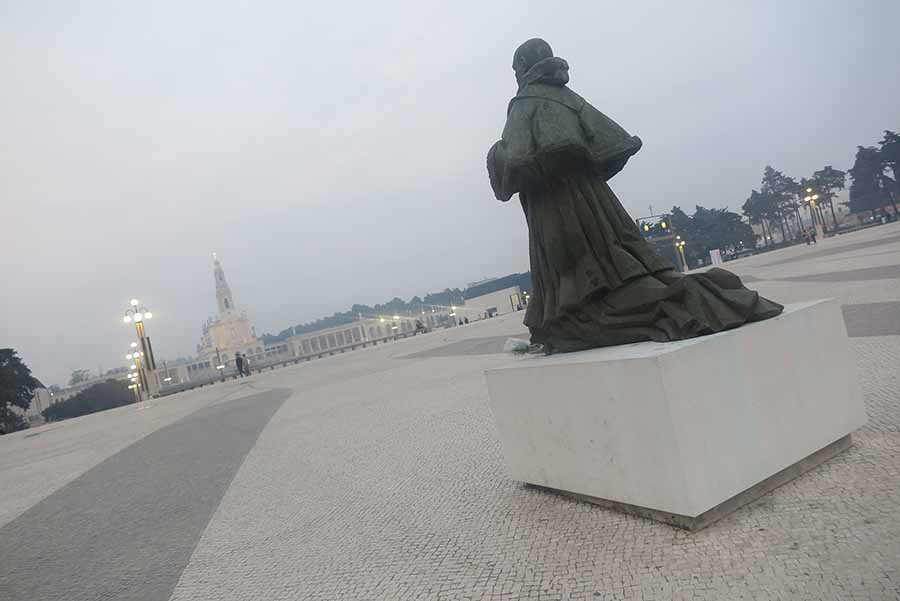
- Fátima Sanctuary: One of the world’s largest Catholic pilgrimage sites, drawing millions for its Basilica and Chapel of Apparitions. The 13th of May and October pilgrimages are deeply moving, even for non-religious visitors.
- Aldeias do Xisto (Shale Villages): A network of 27 restored schist villages, like Talasnal and Cerdeira, revitalized to combat rural depopulation. These hamlets offer hiking, craft workshops (e.g., basket-weaving), and rustic stays.
- Traditional Crafts: Caldas da Rainha, a UNESCO Creative City, is Europe’s ceramics capital, with workshops producing vibrant pottery. Idanha-a-Nova crafts adufes (traditional tambourines), showcased at the Centro de Artes Tradicionais.
- Festivals: The region hosts vibrant events like Óbidos’ Chocolate Festival (March) and Tomar’s Festa dos Tabuleiros (July, next in 2027), where locals parade with flower-covered trays.
Authentic Cuisine:
- Dishes: Centro de Portugal’s cuisine is hearty, featuring leitão da Bairrada (roasted suckling pig), chanfana (goat stew cooked in wine), and caldeirada (fish stew). Coastal areas serve fresh seafood, like clams and percebes (goose barnacles). Inland, Serra da Estrela’s queijo da serra (creamy sheep’s cheese) is a must-try.
- Desserts: Tomar’s fatias de Tomar (egg custard slices) and Aveiro’s ovos moles (sweet egg yolk pastries) are regional specialties. Convent sweets, like castanhas de ovos from Alcobaça, reflect monastic traditions.
- Restaurants: In Coimbra, Solar do Bacalhau serves cod-focused dishes, while A Tasquinha in Peniche offers fresh seafood with ocean views. Michelin-recognized restaurants in Leiria, like Mesa de Lemos, elevate local ingredients.
- The Dão and Bairrada wine regions produce robust reds (Touriga Nacional) and crisp sparkling wines. Wineries like Casa de Santar (Dão) and Caves São João (Bairrada) offer tastings and vineyard tours. The Atlantic Ring e-biking tour includes Dão winery stops.
Practical Information
- Getting There: Lisbon Airport (LIS) is the main gateway, 1–2 hours by car to Coimbra or Óbidos. Porto Airport (OPO) serves the north (1 hour to Aveiro). Trains connect Lisbon to Coimbra (1.5 hours) and Porto to Aveiro (40 minutes). The 2026 high-speed rail expansion will improve connectivity.
- Getting Around: Renting a car is ideal for rural areas like Serra da Estrela or shale villages. Trains and buses link major cities, but schedules are limited for smaller towns. The region’s flat roads suit cycling, especially on new e-biking routes.
- Weather: Expect mild springs and autumns (15–25°C), hot summers (25–35°C), and cold, snowy winters in Serra da Estrela (0–10°C). Spring and fall are best for outdoor activities; winter suits skiing.
- Accommodation: Options range from historic pousadas (e.g., Pousada de Óbidos) to eco-lodges in Serra da Estrela (e.g., Casa das Penhas Douradas). Coimbra and Aveiro offer boutique hotels and budget hostels for students.
- Safety: Centro de Portugal is safe, with low crime rates. Exercise caution on coastal cliffs and check surf conditions in Nazaré.
What’s New for 2026 in Centro de Portugal
- Atlantic Ring E-Biking Tour: Launched by Responsible Travel, this 8-night guided tour (€1,490, B&B) explores Centro de Portugal’s rivers (Mondego, Dão, Vouga) and coast, visiting Coimbra, Viseu, and Aveiro. It includes a guide, luggage transfer, and one dinner, catering to the growing demand for active holidays.
- High-Speed Rail Expansion: The 2026 expansion of Portugal’s high-speed rail network will enhance connectivity between Lisbon, Coimbra, and Porto, reducing travel times and making day trips easier.
- Eco-Friendly Initiatives: Centro de Portugal introduces new eco-tourism routes in 2026, focusing on protected areas like Geopark Naturtejo and Paul do Boquilobo. Hotels are adopting green certifications for energy conservation and sustainable sourcing, aligning with Portugal’s carbon-neutral goals by 2050.
Cultural and Sporting Events
- Jazz in Ovar (April, Ovar): The 14th edition of this jazz festival features concerts, workshops, and improv sessions, drawing music lovers to this coastal town south of Porto. Expect over 9,000 attendees and 100+ exhibitors.
- Queima das Fitas (May, Coimbra): Coimbra’s massive student festival celebrates graduating university students with parades, serenades, and dances. Alumni reunions add to the vibrant atmosphere, making it a cultural spectacle.
- Boom Festival (July, Idanha-a-Nova): A biennial psychedelic and arts festival (next in 2026), attracting global visitors for music, workshops, and eco-conscious vibes by Lake Idanha.
- Fora do Lugar Festival (November, Idanha-a-Nova): This international ancient music festival showcases performances in historic venues, blending tradition with global influences.
- Michelin Guide Gala: While hosted in Porto, this 2026 event will highlight Centro de Portugal’s culinary scene, with restaurants like Mesa de Lemos (Leiria) likely to gain recognition.
New Attractions and Experiences:
- Creative Cities Promotion: Caldas da Rainha and Idanha-a-Nova, UNESCO Creative Cities, are expanding tourism offerings. Caldas da Rainha’s ceramics workshops (e.g., ADOC Association) and Idanha-a-Nova’s adufe-making sessions at the Centro de Artes Tradicionais are more accessible in 2026, with new visitor programs.
- Serra da Estrela Winter Tourism: Enhanced ski facilities and eco-lodges in 2026 make the Serra da Estrela a growing winter destination, rivaling Swiss resorts with its cheeses and snowy trails.
- Smart Tourism Apps: New apps provide real-time information on attractions, events, and accommodations, enhancing navigation in rural areas like Beira Baixa. Virtual reality tours at sites like the Convent of Christ (Tomar) offer immersive history lessons.
Tourism Trends and Sentiment:
- Rising Popularity: Centro de Portugal saw a 10% increase in tourists, with 2026 projections estimating a 5% rise, driven by international visitors from the US, Ireland, and Canada. The region’s affordability and cultural depth appeal to digital nomads and retirees.
- Sustainability Focus: Social media posts highlight Centro de Portugal’s “undiscovered” charm, with shale villages and river beaches praised for their eco-friendly appeal. The region’s green initiatives resonate with travelers seeking low-impact experiences.
- Diverse Appeal: The region caters to varied interests, from adrenaline-pumping surfing in Nazaré to spiritual retreats in Fátima and gastronomic tours in Bairrada.
Tips for Visitors in 2026
- Book Early: Secure accommodations in Coimbra and Óbidos for spring and summer, especially during festivals like Queima das Fitas. Use www.visitportugal.com for deals.
- Plan for Mobility: Rent a car to explore shale villages or Geopark Naturtejo, as public transport is limited outside Coimbra and Aveiro. E-bikes are ideal for coastal and river routes.
- Embrace Seasons: Spring and fall are perfect for hiking and festivals; winter suits Serra da Estrela skiing. Summer is busy but ideal for river beaches and coastal activities.
- Respect Local Customs: Dress modestly at Fátima’s sanctuary and book guided tours for sensitive sites like the Joanine Library. Support artisans by buying ceramics or adufes.
- Stay Connected: Download offline maps for rural areas like Serra da Estrela, where cell service is spotty. Turismo do Centro’s website offers updated event schedules.
A 2026 visit to Centro de Portugal promises a captivating blend of history, nature, and vibrant culture. Visitors can wander Coimbra’s ancient university, hike the Serra da Estrela, surf Nazaré’s giant waves, or savour leitão in Bairrada. Historic gems like Tomar’s Convent of Christ and Óbidos’ walled town offer timeless charm, while shale villages provide rustic authenticity. New for 2026, eco-friendly e-biking tours, expanded rail links, and festivals like Ovar’s jazz event enhance accessibility and excitement. With its sustainable focus and uncrowded allure, Centro de Portugal is a perfect destination for travelers seeking Portugal’s heart and soul.
Off-the-Beaten-Track Locations and Attractions in Centro de Portugal
Centro de Portugal, a region spanning the Silver Coast to the Serra da Estrela mountains, is celebrated for its historic cities like Coimbra and picturesque villages like Óbidos. However, beyond these well-known destinations lie off-the-beaten-track locations and attractions that reveal the region’s unspoiled landscapes, authentic rural culture, and hidden historical gems. These lesser-visited spots offer travelers a chance to explore Centro de Portugal’s serene beauty and rich heritage away from the crowds.
- Beira Baixa (Eastern Inland): Penha Garcia (Geopark Naturtejo): A schist village near Idanha-a-Nova in the UNESCO Naturtejo Geopark, Penha Garcia is perched on a quartzite ridge with fossil-rich trails and ancient watermills. The Fossil Route, a 3 km loop, leads to the Pego pool, a natural swimming spot carved into granite. Far from tourist hubs, this village offers geological wonders (600-million-year-old trilobite fossils) and serene hiking. Its restored mills and traditional bread ovens reflect rural life, with minimal visitors even in peak season. Hike the Fossil Route (PR3), swim in Pego pool, or visit the Casa da Memória for local history. Pair with a stop at Idanha-a-Nova’s Centro de Artes Tradicionais for adufe (tambourine) workshops. A 30-minute drive from Castelo Branco or 2 hours from Coimbra. A car is essential; trails are well-marked but rugged.
- Monsanto: Known as “Portugal’s most Portuguese village,” Monsanto is a hilltop settlement near Idanha-a-Nova where houses are built among giant granite boulders. Its 12th-century castle ruins offer panoramic views over the Beira Baixa plains. Monsanto’s surreal boulder architecture and quiet streets feel otherworldly, with few tourists venturing this far east. The village’s taverns serve rustic dishes like chanfana (goat stew). Explore the castle and boulder-strewn lanes, hike the 5 km PR4 trail to viewpoints, or dine at Taverna Lusitana for local cheeses. The annual Feast of the Holy Cross (May) features traditional music. A 40-minute drive from Castelo Branco. A car is necessary; parking is limited near the village.
- Beira Alta (Northern Inland): Piodão (Aldeias do Xisto): A remote schist village in the Açor Mountains, Piodão clings to a terraced hillside, its dark stone houses contrasting with blue-painted doors. The village museum and Igreja Matriz church highlight its history as a shepherding community. Piodão’s isolation in the Lousã-Coimbra mountains preserves its authenticity, with winding trails and starry skies drawing adventurers. It’s part of the 27-village Aldeias do Xisto network but sees fewer visitors than Talasnal. Wander the cobbled streets, visit the museum for shepherding artifacts, or hike the 7 km PR1 trail to Foz d’Égua, a river beach with stone bridges. Stay in a restored schist house for immersion. A 1.5-hour drive from Coimbra or 45 minutes from Arganil. A car is required; roads are narrow and winding.
- Linhares da Beira: A medieval village in the Serra da Estrela foothills near Celorico da Beira, Linhares da Beira features a 12th-century castle, granite houses, and a pelourinho (stone pillory). It’s a paragliding hub due to its elevated position. Less visited than Sortelha, Linhares offers a glimpse of medieval Portugal with sweeping views and minimal tourism. Its paragliding school attracts adventurers seeking an adrenaline rush. Tour the castle, visit the Romanesque church, or try paragliding with Linhares Paragliding School (tandem flights €60). Sample queijo da serra at local taverns. The annual medieval fair (August) is lively. A 40-minute drive from Guarda or 1 hour from Viseu. A car is essential; book paragliding in advance.
- Beira Litoral (Coastal and Central): Tocha and Praia da Tocha: A fishing village south of Figueira da Foz, Tocha is known for its palheiros (colorful stilted beach huts) and Praia da Tocha, a wild, dune-backed beach in the Dunas de Mira, Gândara e Gafanhas Natura 2000 area. Unlike Nazaré’s crowded shores, Tocha retains a traditional fishing vibe with quiet sands and excellent surfing waves. The surrounding pine forests and dunes offer secluded trails. Surf or bodyboard (lessons via Tocha Surf School), walk the 4 km dune trail, or enjoy fresh fish at Restaurante Caravela. Visit the palheiros for photography. A 30-minute drive from Figueira da Foz or 1 hour from Coimbra. A car is recommended; park near the beach.
- Bussaco Forest (Mata Nacional do Bussaco): A 105-hectare walled forest near Luso, Bussaco is a botanical wonder with 700+ plant species, including exotic cedars and sequoias, planted by 17th-century Carmelite monks. The forest surrounds a neo-Manueline palace (now a hotel) and hermit chapels. Tucked between Coimbra and Aveiro, Bussaco feels like a fairy-tale enclave, with misty trails and sacred silence, yet it’s overlooked by most tourists. Its microclimate supports unique flora. Hike the 5 km Sacred Way trail to chapels, visit the palace gardens, or picnic by the Fonte Fria fountain. Combine with a spa visit in Luso’s thermal baths. A 20-minute drive from Coimbra or 30 minutes from Aveiro. A car is ideal; entry is €5 per vehicle.
- Cova da Beira (Serra da Estrela Region): Manteigas and Vale do Zêzere: Located in the Serra da Estrela Natural Park, Manteigas is a mountain town at the head of the Zêzere Valley, surrounded by glacial lakes and granite cliffs. The Poço do Inferno waterfall and Covão d’Ametade meadow are nearby highlights. Less frequented than Torre’s ski slopes, Manteigas offers pristine hiking and a glimpse of pastoral life, with shepherds producing queijo da serra. The valley’s raw beauty rivals the Alps. Hike the 6 km PR6 trail to Poço do Inferno, visit the Burel Factory for wool textiles, or taste cheese at local markets. Winter snowshoeing is available (December–March). A 1-hour drive from Guarda or 2 hours from Coimbra. A car is necessary; roads may be snowy in winter.
- Sortelha: A fortified village near Sabugal, Sortelha is one of Portugal’s best-preserved medieval hamlets, with granite walls, a 13th-century castle, and houses built into ramparts. Its pelourinho and bell tower add to the historic charm. Sortelha’s remote location in the Beira Interior keeps it crowd-free, offering an authentic step back in time. Its rugged landscape and starry skies are ideal for photographers. Walk the castle walls, explore the village’s narrow lanes, or hike the 4 km PR2 trail to nearby viewpoints. The annual medieval festival (September) features jousting and crafts. A 30-minute drive from Sabugal or 1.5 hours from Guarda. A car is essential; park outside the village walls.
Tips for Exploring
- Transportation: Rent a car to reach these remote spots, as public buses are sparse outside Coimbra and Aveiro. Roads are well-maintained, but mountain routes (e.g., to Piodão) are narrow. E-bikes suit coastal areas like Tocha.
- Preparation: Pack hiking boots, layers for mountain weather, and water, as facilities are limited. Check trail conditions on www.centerofportugal.com or www.aldeiasdoxisto.pt. For paragliding or winter activities, book ahead.
- Guides and Locals: Hire local guides for Geopark Naturtejo (e.g., through Naturtejo) or shale villages (Bookinxisto platform) for deeper insights. Villagers in Monsanto or Piodão are welcoming and may share stories.
- Sustainability: Respect fragile ecosystems like Bussaco Forest or Vale do Zêzere by sticking to trails and avoiding litter. Support artisans by buying schist crafts or wool textiles in Manteigas.
- Timing: Spring (April–June) and fall (September–October) offer mild weather (15–25°C) and vibrant landscapes, ideal for hiking and festivals. Winter is great for Serra da Estrela’s snow activities; summer suits coastal visits but can be warm (30°C).
- Connectivity: Remote areas like Piodão or Sortelha have spotty cell service. Download offline maps (e.g., Maps.me) and inform someone of your plans.
These off-the-beaten-track spots capture Centro de Portugal’s soul, blending rugged nature, medieval heritage, and rural traditions. From Penha Garcia’s fossil trails to Piodão’s schist terraces and Sortelha’s granite fortress, they offer solitude and authenticity. Unlike Coimbra’s bustling university or Nazaré’s surf scene, these locations reward adventurers with intimate experiences, whether swimming in a glacial pool, paragliding over Linhares, or wandering Bussaco’s enchanted forest. They embody the region’s “undiscovered” charm, perfect for travelers seeking Portugal’s hidden heart in 2026.
Portugal region by region
Açores – Alentejo – Algarve – Centro de Portugal – Lisboa – Madeira – Oeste e Vale do Tejo – Península de Setúbal – Porto e Norte
Spain region by region
Almería – Andalusia – Aragón – Asturias – Basque Country – Cádiz – Cantabria – Catalonia – Córdoba – Extremadura – Fuerteventura – Galicia – Gran Canaria – Granada – Huelva – Ibiza – Jaén – La Mancha – La Rioja – Lanzarote – León – Madrid – Majorca – Málaga – Menorca – Murcia – Navarra – Seville – Tenerife – Valencia –