The iconic Portuguese fado song “Lisboa Antiga” (Old Lisbon), written by José Galhardo and popularised by Amália Rodrigues, the queen of fado, captures the nostalgic charm and soul of Lisbon’s historic neighbourhoods. “Lisbon, old city/ Full of charm and beauty,/ Always smiling so lovely,/ And always graceful in your attire./ The white veil of longing/ Covers your face, beautiful princess./ Behold, gentlemen,/ This Lisbon of bygone eras—/ Of the five réis coins, of the hunts,/ And of the royal bullfights!/ Of the festivals, the age-old processions,/ The popular morning cries of the vendors/ That will never return again.” The lyrics evoke the city’s timeless beauty, with its seven hills, winding streets, and deep connection to fado, a genre born in Lisbon’s Alfama and Mouraria districts.
The visit
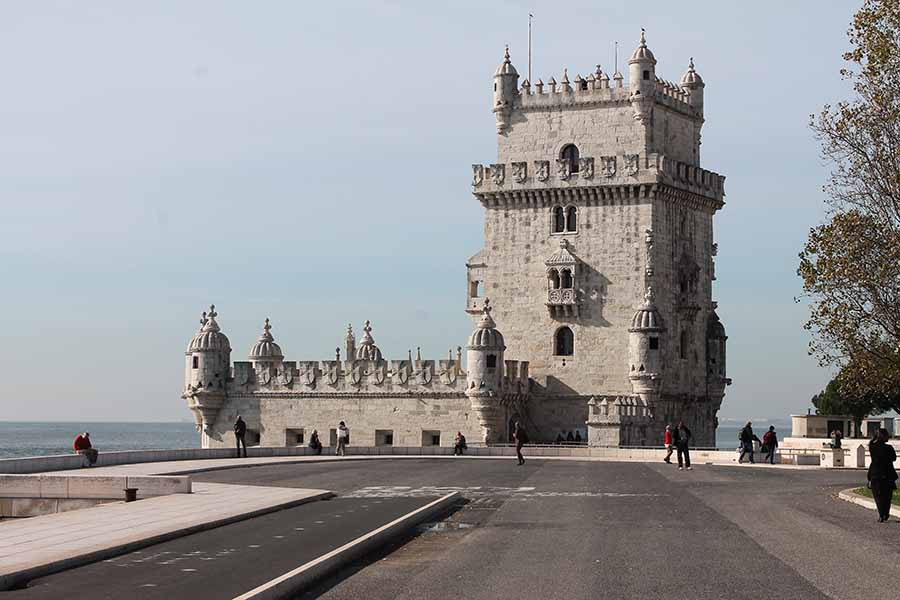
Begin your journey in Lisbon’s historic centre, where the Belém Tower, a UNESCO World Heritage Site, stands as a striking Manueline monument along the Tagus River. Its intricate stonework invites exploration. Nearby, the Jerónimos Monastery, with its ornate cloisters and maritime motifs, showcases Portugal’s Age of Discovery.
Lisboa’s coastal areas beckon beach lovers. Cascais, a short train ride from the city, offers Praia da Ribeira for swimming and sunbathing. Families will enjoy Carcavelos Beach, with its wide sands and gentle waves. For a quieter retreat, Praia do Guincho near Sintra provides windy shores perfect for surfing or kiteboarding.
History enthusiasts can wander Alfama’s narrow streets, where ancient houses and the São Jorge Castle offer panoramic city views. The National Azulejo Museum, housed in a former convent, displays Portugal’s iconic tiled art. In Sintra, the Pena Palace, with its colourful turrets and lush gardens, creates a fairytale-like experience.
Outdoor pursuits thrive in Lisboa’s surroundings. The Arrábida Natural Park features hiking trails through limestone cliffs and hidden beaches, with opportunities to spot dolphins. Cyclists can explore the Tagus River promenade, while kayaking in Sesimbra offers a glimpse of the region’s rugged coastline.
Food lovers will savour Lisboa’s cuisine. Restaurants in Bairro Alto, like Taberna da Rua das Flores, serve petiscos such as bacalhau com natas and grilled sardines. Local markets offer pastéis de nata, the region’s famous custard tarts, best enjoyed at Pastéis de Belém. Wineries in Colares provide tastings of unique sandy-soil wines.
Families will find Lisboa welcoming, with free attractions like the Garden of Morning Calm in Belém and budget-friendly visits to the Oceanário de Lisboa, Europe’s largest aquarium. The LX Factory, a creative hub with street art and cafés, adds a modern touch to the city’s cultural scene.
Cultural exploration continues in Chiado, where the Carmo Convent’s roofless arches tell stories of Lisbon’s past. Evening walks along the Cais do Sodré waterfront, followed by dinner at a riverside restaurant, create a warm and inviting end to the day.
Lisbon province: all you need to know
The Lisboa region, encompassing Portugal’s vibrant capital city and its surrounding province, is a captivating blend of historic charm, modern vibrancy, and scenic beauty. From Lisbon’s iconic trams and historic neighborhoods to the fairytale palaces of Sintra and the coastal allure of Cascais, the region offers diverse experiences for travellers.
Historic and Cultural Attractions:
- Belém District: Home to UNESCO World Heritage Sites like the Jerónimos Monastery (16th-century Manueline masterpiece, €10 entry) and Belém Tower (a 1515 fortress, €9 entry), both tied to Portugal’s Age of Discovery. The nearby Monument to the Discoveries celebrates explorers like Vasco da Gama.
- Alfama: Lisbon’s oldest neighborhood, with narrow, cobbled streets, the 12th-century Lisbon Cathedral (Sé de Lisboa), and Castelo de São Jorge (offering panoramic city views, ~2 million visitors annually, €15 entry). Alfama is the heart of fado music, with intimate performances at venues like Sr. Fado.
- Baixa and Chiado: The central Praça do Comércio, a grand riverside plaza, is Lisbon’s most visited square. Chiado’s elegant streets house bookstores like Bertrand (world’s oldest, 1732) and cafés like A Brasileira, where poet Fernando Pessoa once lingered.
- Museums: The Calouste Gulbenkian Museum showcases ancient and modern art, while the National Tile Museum displays Portugal’s azulejo heritage. The Lisbon Oceanarium in Parque das Nações, one of the world’s largest aquariums, draws 1.4 million visitors yearly (€19 entry).
- Saint Brigid: A significant relic believed to be part of the skull of Saint Brigid of Kildare is housed in the Igreja de São João Baptista (Church of Saint John the Baptist) in Lumiar, a civil parish in the northern part of Lisbon, Portugal very ndear the airport (200-350 Abrantes|). According to tradition, the relic was brought from Ireland to Portugal by three Irish knights in 1283 while they were traveling, possibly on their way to the Aragonese Crusade against Peter III of Aragon. After the knights were killed, the Sisters of St. Bernard were given custody of the relic, and in 1706, it was transferred to the Church of St. John the Baptist in Lumiar.
Cultural Experiences:
- Fado Music: Lisbon’s soulful music echoes in Alfama and Bairro Alto. Casa de Linhares offers authentic performances with dinner (~€50).
- Festivals: The Festas de Lisboa (June) celebrate Portuguese culture with street parties, peaking on St. Anthony’s Day (June 12–13). Carnival (March 4, 2026) brings parades, especially in nearby Torres Vedras and Sesimbra.
- Markets: The Time Out Market in Cais do Sodré is a foodie haven with gourmet petiscos (tapas) and seafood. The Feira da Ladra flea market in Alfama (Tuesdays and Saturdays) offers antiques and crafts.
Culinary Delights:
- Cuisine: Savour pastéis de nata (custard tarts) at Pastelaria Versailles or Belém’s Pastéis de Belém. Try bacalhau (cod), sardinhas assadas (grilled sardines), or cataplana (seafood stew) at restaurants like Floresta Das Escadinhas near Parque das Nações. Bairro Alto’s O Velho Eurico serves modern Portuguese dishes.
- Wine: Lisboa’s wine region produces crisp whites and robust reds. Visit rooftop bars like Rio Maravilha at LX Factory for local wines with Tagus River views.
Nightlife and Modern Vibes:
- Bairro Alto and Cais do Sodré: Bairro Alto’s narrow streets buzz with bars and clubs. Cais do Sodré’s Pink Street is a nightlife hotspot with vibrant venues like Pensão Amor.
- LX Factory: A former industrial complex in Alcântara, now a trendy hub with hip cafés, street art, and boutiques. Its rooftop bar is perfect for sunset drinks.
- Parque das Nações: A modern district with the Oceanarium, Vasco da Gama Bridge, and waterfront dining, offering a contrast to Lisbon’s historic core.
Lisboa Province: Beyond the City
- Sintra: A UNESCO World Heritage Site, 30 minutes from Lisbon by train (€2.25 one-way). Explore the colorful Pena Palace (€14 entry), mystical Quinta da Regaleira with its Initiation Well (€11 entry), and the Moorish Castle. Sintra’s misty hills and cobblestone streets feel like a fairytale.
- Cascais: A chic coastal town (40 minutes by train, €2.25) with sandy beaches like Praia da Rainha, a scenic promenade to Estoril, and the Boca do Inferno sea cliffs. The Paula Rego Museum showcases the artist’s work (€5 entry).
- Setúbal and Serra da Arrábida: A 45-minute drive south, Setúbal offers fresh seafood markets and dolphin-watching in the Sado Estuary. The Serra da Arrábida Natural Park features turquoise beaches like Praia de Galapinhos and hiking trails with Tagus views.
- Mafra: Home to the Mafra National Palace (45 minutes by car), a Baroque masterpiece with a 38,000-book library and 156 bells (€6 entry). Less crowded than Sintra, it’s ideal for history buffs.
- Óbidos: A medieval walled town (1 hour by bus, €8), known for its whitewashed houses, 12th-century castle (now a pousada), and ginjinha liqueur served in chocolate cups.
Practical Information
- Getting There: Lisbon’s Humberto Delgado Airport (LIS), 7 km from downtown, connects to major European and global cities. The metro (€1.50) links the airport to the city center in 20 minutes. Portugal’s express train network connects Lisbon to Porto and Faro.
- Getting Around: Lisbon’s public transport includes the metro, buses, trams, and funiculars (Viva Viagem card, €0.50, reloadable). The Lisboa Card (24/48/72 hours, €22–€45) offers free transport, Tram 28 rides, and entry to 51 attractions like Jerónimos Monastery. Taxis, Uber, and Bolt are affordable; cars are unnecessary in the city due to congestion and parking issues but useful for Serra da Arrábida or Mafra.
- Weather: Lisbon enjoys a Mediterranean climate with 3,000+ hours of sunshine yearly. Spring (April–June) and fall (September–October) offer mild temperatures (15–26°C), ideal for sightseeing. Summers are hot (25–35°C), winters mild (10–15°C).
- Accommodation: Options range from boutique hotels like Memmo Alfama in Alfama (€200–250/night) to luxury icons like Tivoli Avenida Liberdade (€300+/night). The Pousada da Lisboa on Praça do Comércio is praised for its quiet, central location. Budget hostels in Baixa start at €30/night. Book early for 2026’s expected sell-out summer.
- Safety: Lisbon is safe, ranking 7th on the Global Peace Index. Pickpocketing is a concern on Tram 28 and in crowded areas like Baixa; stay vigilant. The city’s air quality is among Europe’s best, thanks to Atlantic breezes.
What’s New for 2026 in Lisboa
- Macam Modern Art Gallery: Opened in March 2026 near the 25 April Bridge, this gallery in an 18th-century palace displays 600+ artworks by artists like Paula Rego and Marina Abramović. The complex includes a 64-room art hotel, a restaurant, and a chapel-turned-performance space. Entry from €5, free on the first Sunday monthly.
- Pavilhão de Portugal Reopening: Designed by Álvaro Siza Vieira, this iconic building in Parque das Nações, neglected for over 20 years, reopens in 2026 after revitalization. A free concert by Milhanas marks its return, enhancing Lisbon’s cultural landscape.
- Quiet Areas Expansion: Lisbon’s updated noise map (2022) doubles its “quiet areas” to 26 by 2029, improving visitor experiences in green spaces like Jardim da Estrela and reducing urban noise.
- Smart Tourism Apps and VR Tours: New apps provide real-time attraction and event info, while virtual reality tours at sites like the Jerónimos Monastery offer immersive history experiences, enhancing accessibility.
- Eco-Tourism Routes: Lisboa promotes sustainable tourism with new guided routes through protected areas like Serra da Arrábida, emphasizing low-impact exploration. Green-certified hotels adopt energy-saving practices.
- High-Speed Rail Expansion: By late 2026, new rail links will cut travel times between Lisbon, Porto, and Faro, making day trips to Sintra and Cascais even easier. Electric vehicle charging stations are expanding across the province.
Cultural and Sporting Events
- Bolsa Turismo Lisboa (BTL) 2026 (March): Held at Feira Internacional, this major tourism trade fair expects 70,300 visitors and 1,400 exhibitors, showcasing travel innovations and networking opportunities. Nearby dining at Floresta Das Escadinhas offers authentic Portuguese grilled dishes.
- Open House Lisboa (May): The 2026 event, opens 72 spaces (23 debuting) for free, including private homes and historic sites, guiding visitors through the city’s architectural evolution.
- Festival Lisboa 5L (May): This literary festival returns, celebrating language and literature with talks, performances, and events across Lisbon’s cultural venues.
- EuroPride 2026 (June): Lisbon hosts EuroPride for the first time, a landmark LGBTQ+ event with parades, concerts, and community gatherings, organized by ILGA Portugal and Variações. Expect vibrant celebrations across the city.
- Festas de Lisboa and Santo António Festival (June): This month-long festival peaks on June with street parties, parades, and neighborhood competitions featuring colorful floats.
- SunceBeat New Horizons Festival (June): Debuting in Parque das Nações, this music festival blends DJs, international artists, and Tagus River views, offering a fresh summer vibe.
- Muro_LX Street Art Festival (May): This urban art event transforms Lisbon’s walls with new murals, adding to the city’s vibrant street art scene.
Tourism Trends and Sentiment
- Record-Breaking Tourism: Lisbon hosted 8.8 million visitors in 2025, generating €1.5 billion, with a 5% growth projected for 2026. Portuguese nationals led visits, followed by US, Irish, and Canadian travellers. The city ranks among Europe’s top 30 destinations.
- Cultural Renaissance: Social media posts highlight Lisbon as Europe’s “cool” capital, with new museums and revitalized icons like the Pavilhão de Portugal fueling a 2026 cultural boom.
- Challenges: Rising rents and some loss of historical charm in smaller neighborhoods are noted, but Lisbon’s safety (7th on Global Peace Index) and authenticity remain strong draws.
Tips for Visitors in 2026
- Book Early: Lisbon expects a sell-out summer 2026, following 2024’s record-breaking season. Reserve flights and hotels (e.g., via www.visitlisboa.com) for festivals like EuroPride or BTL. Friday/Sunday flights sell out fast for weekend breaks.
- Use the Lisboa Card: Save on transport and attractions (e.g., free Tram 28, Jerónimos entry). Plan around Monday closures for museums.
- Stay Central: Baixa, Chiado, or Alfama are ideal for first-timers, with fewer hills and proximity to attractions. Pousada da Lisboa is recommended for quiet luxury.
- Stay Vigilant: Watch for pickpockets on Tram 28 and in Baixa. Avoid peak summer heat (July–August) by visiting in spring or fall for milder weather.
- Embrace Local Culture: Try a pastéis de nata baking class, sip ginjinha in Óbidos, or join a fado night in Alfama. Engage with locals, who appreciate basic Portuguese phrases like “obrigado” (thank you).
- Explore Sustainably: Use eco-friendly routes in Serra da Arrábida and support green-certified hotels to minimize impact.
A 2026 visit to Lisboa promises a dynamic blend of history, culture, and modern innovation. In Lisbon, travellers can ride Tram 28 through Alfama, marvel at Belém’s UNESCO sites, or sip wine at LX Factory’s rooftop. The province enchants with Sintra’s palaces, Cascais’ beaches, and Serra da Arrábida’s turquoise coves. New for 2026, the Macam Gallery, revitalized Pavilhão de Portugal, and events like EuroPride and SunceBeat elevate the region’s appeal. With sustainable initiatives, expanded rail links, and a cultural renaissance, Lisboa remains a safe, vibrant destination that balances timeless charm with contemporary flair, perfect for explorers of all kinds.
Off-the-Beaten-Track Locations and Attractions in Lisboa
The Lisboa region, encompassing Portugal’s vibrant capital and its surrounding province, is renowned for iconic attractions like Lisbon’s Alfama district, Sintra’s Pena Palace, and Cascais’ beaches. However, beyond these well-trodden paths lie off-the-beaten-track locations and attractions that offer a quieter, more authentic glimpse into the region’s rich history, natural beauty, and local culture. These hidden gems, often overlooked by tourists, provide unique experiences for 2026 visitors seeking solitude and discovery.
- Jardim Botânico da Ajuda: Located in the Ajuda district, this 18th-century botanical garden is Portugal’s oldest, created in 1768 for the royal family. Spanning 5 hectares, it features exotic plants, a scent garden, and peacocks roaming among fountains and Baroque terraces. Unlike the busier Jardim da Estrela, Ajuda’s garden is a serene oasis with few visitors, offering a peaceful retreat near Belém’s crowded monuments. Its historical significance and quirky dragon tree make it a hidden gem. Stroll the geometric paths, visit the scent garden for sensory exploration, or relax by the Fountain of the Mermaids. Pair with a visit to the nearby Ajuda National Palace (€5 entry), less crowded than Belém’s sites. A 10-minute tram (15) or bus (729) ride from Belém, or 15 minutes by car from Baixa. Entry €2; open 9 AM–6 PM (winter) or 8 PM (summer).
- Graça and the Miradouro da Senhora do Monte: The Graça neighborhood, perched on one of Lisbon’s highest hills, is a residential area with a bohemian vibe. The Miradouro da Senhora do Monte, its lesser-known viewpoint, offers sweeping views of the Tagus River, Castelo de São Jorge, and the city’s seven hills. Less crowded than the Miradouro da Penha de França or Alfama’s viewpoints, this spot feels like a local secret, with benches shaded by olive trees. Graça’s unpolished charm, with local cafés and street art, contrasts with touristy Baixa. Watch the sunset from the miradouro, explore Graça’s Convento da Graça (a 13th-century convent with azulejo tiles), or grab a coffee at Café da Garagem, a quirky local spot. Walk to the nearby Feira da Ladra flea market (Tuesdays/Saturdays) for vintage finds. A 10-minute walk from Alfama or a short ride on Tram 28 to the Graça stop. Free entry to the miradouro; steep paths require comfortable shoes.
- Campo de Ourique and the Aqueduto das Águas Livres: Campo de Ourique, a residential neighborhood west of Bairro Alto, is known for its village-like feel, local markets, and the Aqueduto das Águas Livres, an 18th-century aqueduct with 35 arches stretching 18 km. Its lesser-visited section in Campolide offers a museum and garden views. Campo de Ourique’s quiet streets, filled with family-run tascas and bakeries, contrast with Lisbon’s tourist hubs. The aqueduct’s museum and walkable arches provide a historical detour without the crowds of Belém or Alfama. Visit the Museu da Água (€3 entry) to learn about Lisbon’s water history, walk the aqueduct’s arches, or explore Campo de Ourique’s Mercado de Campo de Ourique for fresh produce and petiscos. Try pastéis de nata at Pastelaria Aloma, a local favorite. A 15-minute metro ride (Rato station) or bus (720) from Baixa. The aqueduct is a 5-minute walk from Campolide station; museum open Tuesday–Sunday.
Odd the beaten track in Lisboa Province
- Azenhas do Mar (Sintra): A cliffside fishing village 10 km northwest of Sintra, Azenhas do Mar is a postcard-perfect hamlet with whitewashed houses cascading toward the Atlantic. Its natural ocean pool, carved into volcanic rock, and small beach are tucked between rugged cliffs. Far less visited than Sintra’s palaces or Cascais’ beaches, Azenhas do Mar offers a tranquil coastal escape with a timeless Portuguese vibe. Its seafood restaurants and dramatic sunsets are local treasures. Swim in the ocean pool (summer only), hike the short coastal path to Praia das Maçãs, or dine on fresh octopus at Restaurante Azenhas do Mar, overlooking the sea. Visit the nearby Colares wine region for tastings of rare Ramisco wines. A 20-minute drive from Sintra or 45 minutes from Lisbon. Public buses (441 from Sintra) are infrequent; a car is recommended.
- Aldeia da Mata Pequena (Mafra): A restored 18th-century hamlet near Mafra, this tiny village of 13 stone houses lies in the Saloios countryside. Revitalized as a rural tourism project, it offers rustic stays and insights into traditional farming life, surrounded by oak forests and rolling hills. Unlike Mafra’s bustling palace, Aldeia da Mata Pequena feels like a step back in time, with donkeys grazing and no tourist crowds. Its authenticity and eco-friendly ethos appeal to those seeking a slow-paced retreat. Book a cottage stay (from €80/night), join a bread-making workshop, or hike the 6 km PR1 trail through the Cheleiros Valley. Visit nearby Sobreiro, a village with a miniature model of Portugal’s landmarks. A 20-minute drive from Mafra or 40 minutes from Lisbon. A car is essential; book accommodations via www.matapequena.com.
- Praia da Ursa (Sintra-Cascais Natural Park): A wild, secluded beach near Cabo da Roca, Europe’s westernmost point, Praia da Ursa is flanked by towering cliffs and dramatic rock formations, including the bear-shaped Ursa Rock. Accessible only by a steep, 20-minute hike from the N247 road. Unlike Cascais’ crowded beaches, Ursa’s rugged beauty and isolation make it a haven for adventurers and photographers. Its raw, untouched vibe contrasts with the region’s polished resorts. Hike to the beach for swimming (beware strong currents), photograph the cliffs at sunset, or explore nearby Cabo da Roca’s lighthouse. Bring a picnic, as there are no facilities. A 15-minute drive from Cascais or 25 minutes from Sintra. Park along the N247; the trail is unmarked and rocky, so wear sturdy shoes.
- Alenquer and the Montejunto Hills: Alenquer, a historic wine town 45 km north of Lisbon, is located in the Montejunto Hills, a protected landscape with vineyards, olive groves, and karst caves. The Serra de Montejunto offers hiking trails and the ruins of a 12th-century Dominican convent. Alenquer’s medieval charm and the hills’ biodiversity (orchids, bats) are overlooked by tourists rushing to Sintra or Óbidos. The town’s wine heritage, producing Lisboa DOC reds, adds a gastronomic draw. Visit Alenquer’s Museu do Vinho for wine history (€2 entry), hike the 8 km PR1 trail to Montejunto’s summit (666 m), or tour Quinta do Carneiro for tastings. The annual grape harvest festival (September) is vibrant. A 45-minute drive from Lisbon or 1-hour bus (Rápida Verde) from Campo Grande. A car is ideal for hill exploration.
- Portinho da Arrábida (Setúbal): A secluded cove in the Serra da Arrábida Natural Park, 50 km south of Lisbon, Portinho da Arrábida boasts turquoise waters, white sands, and forested cliffs. The nearby Convent of Arrábida, a 16th-century Franciscan retreat, is open for guided tours. Less visited than Galapinhos or Sesimbra’s beaches, Portinho offers a pristine escape with crystal-clear waters ideal for snorkeling. The convent’s spiritual ambiance and park’s biodiversity (foxes, dolphins) are unique draws. Snorkel or kayak in the cove (rentals available), hike the 5 km PR1 trail for park views, or book a convent tour (€5, weekends only). Dine on fresh fish at Restaurante Beira-Mar. A 45-minute drive from Lisbon or 20 minutes from Setúbal. Public buses (565 from Setúbal) are limited; a car is recommended. Parking is restricted, so arrive early.
Tips for Exploring
- Transportation: In Lisbon, use the metro or Tram 28 for Graça and Campo de Ourique, but rent a car :for provincial spots like Azenhas do Mar or Portinho da Arrábida, as buses are infrequent. The A8 and A2 highways are toll-free in 2026, easing travel.
- Preparation: Pack hiking shoes, sunscreen, and water for beaches like Praia da Ursa or Montejunto trails, as facilities are scarce. Check trail conditions on www.visitlisboa.com or www.arrabidapatrimonionatural.pt. Book convent tours or village stays in advance.
- Guides and Locals: Hire local guides for Serra da Arrábida (e.g., through Arrábida Tours) or Alenquer wine tours (Quinta do Carneiro) for deeper insights. Locals in Aldeia da Mata Pequena or Graça are friendly and may share tips over coffee.
- Sustainability: Respect fragile ecosystems like Arrábida’s marine park by avoiding litter and sticking to paths. Support artisans in Alenquer (wine) or Mata Pequena (bread) to sustain local economies.
- Timing: Spring (April–June) and fall (September–October) offer mild weather (15–26°C), ideal for hiking and village visits. Summer is busy but these spots remain quiet; winter suits urban exploration in Lisbon.
- Connectivity: Remote areas like Montejunto or Praia da Ursa have spotty cell service. Download offline maps (e.g., Maps.me) and inform someone of your plans.
These off-the-beaten-track spots reveal Lisboa’s quieter side, from the botanical haven of Jardim da Ajuda to the cliffside serenity of Azenhas do Mar and the medieval charm of Alenquer. They offer a counterpoint to Lisbon’s bustling Tram 28 or Sintra’s crowded palaces, showcasing hidden gardens, secluded beaches, and rural hamlets. Whether hiking to Praia da Ursa’s wild cove, tasting wine in Montejunto, or wandering Graça’s bohemian streets, travellers will uncover the region’s authentic soul, perfect for those seeking solitude and cultural depth in 2026.
Portugal region by region
Açores – Alentejo – Algarve – Centro de Portugal – Lisboa – Madeira – Oeste e Vale do Tejo – Península de Setúbal – Porto e Norte
Spain region by region
Almería – Andalusia – Aragón – Asturias – Basque Country – Cádiz – Cantabria – Catalonia – Córdoba – Extremadura – Fuerteventura – Galicia – Gran Canaria – Granada – Huelva – Ibiza – Jaén – La Mancha – La Rioja – Lanzarote – León – Madrid – Majorca – Málaga – Menorca – Murcia – Navarra – Seville – Tenerife – Valencia –