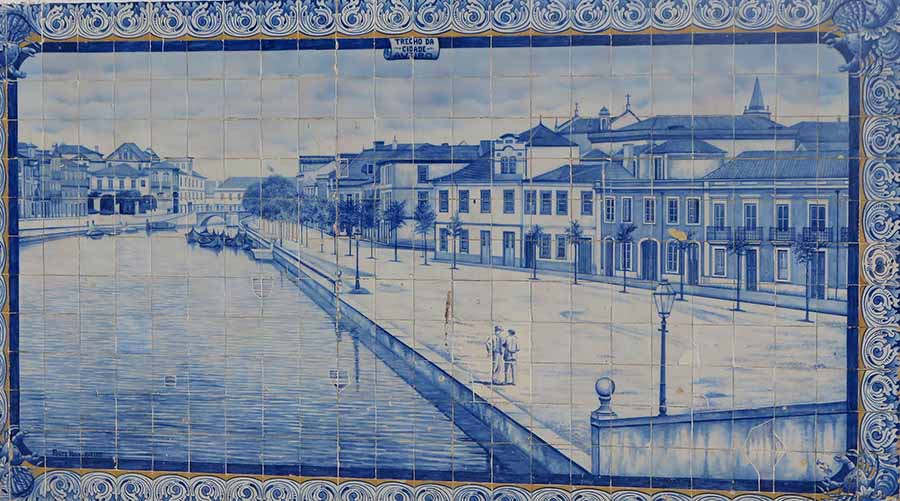
For the Oeste e Vale do Tejo province, a fitting reference comes from the poem “O Tejo” by Fernando Pessoa, one of Portugal’s most celebrated poets, whose work often evokes the soul of the Tagus River (Rio Tejo), central to this region’s identity. “The Tagus is more beautiful than the river that flows through my village / But the Tagus is not more beautiful than the river that flows through my village / Because the Tagus is not the river that flows through my village” This excerpt captures the tranquil majesty of the Tagus River, which defines the Vale do Tejo and winds through the Oeste region, reflecting its fertile plains and historical significance.
The visit
Begin your journey in Óbidos, where the medieval castle and whitewashed walls create a picturesque setting. Its cobbled streets lead to the Santa Maria Church, adorned with intricate azulejo tiles. The nearby Óbidos Lagoon offers kayaking and birdwatching, with herons and kingfishers often spotted along the shores.
The region’s coastline beckons beach lovers. Peniche’s Praia do Baleal features golden sands and rolling waves, perfect for surfing or swimming. Families will enjoy Supertubos Beach, with its shallow waters and nearby cafés. For a quieter retreat, Praia da Areia Branca near Lourinhã provides serene shores and gentle tides.
History enthusiasts can explore Santarém, where the Gothic Portas do Sol garden offers sweeping views of the Tagus River. The city’s São João de Alporão Church, with its Romanesque arches, invites quiet reflection. In Tomar, the Convent of Christ, a UNESCO World Heritage Site, showcases Templar architecture and ornate cloisters.
Outdoor pursuits thrive in the region’s diverse landscapes. The Paul do Boquilobo Nature Reserve, a wetland haven, offers walking trails and opportunities to spot otters and flamingos. Cyclists can explore the Tagus River paths near Vila Franca de Xira, while the Serra de Montejunto provides hiking trails with panoramic hilltop views.
Food lovers will savour the region’s cuisine. Restaurants in Alcobaça, like António Padeiro, serve leitão, roasted suckling pig, and arroz de marisco, a seafood rice dish. Local markets offer Pêra Rocha pears and Caldas da Rainha ceramics. Wineries in Alenquer provide tastings of crisp whites and robust reds.
Families will find Oeste e Vale do Tejo welcoming, with free attractions like Torres Vedras’ Parque Verde and budget-friendly visits to the Dino Parque in Lourinhã, featuring life-sized dinosaur models. The Buddha Eden Garden near Bombarral, with its tranquil statues and lakes, offers a unique cultural experience.
Cultural exploration continues in Alcobaça, where the 12th-century monastery showcases Gothic grandeur. Evening walks along Peniche’s waterfront, followed by dinner at a seaside restaurant, create a warm and inviting end to the day.
Oeste e Vale do Tejo in 2026: All you need to know
The Oeste e Vale do Tejo region, a newly established NUTS II statistical region in Portugal as of 2024, spans the central-western part of the country, encompassing the Silver Coast (Oeste) and the Tagus Valley (Vale do Tejo). Bordered by the Centro region to the north, Greater Lisbon and Alentejo to the south and southeast, and the Atlantic Ocean to the west, it covers 9,201 km² and had a population of 852,583 in 2023. Comprising 34 municipalities across three sub-regions, Oeste, Lezíria do Tejo, and Médio Tejo, this region blends medieval heritage, coastal beauty, and rural traditions, making it a less crowded alternative to Lisbon or the Algarve.
Coastal Beauty (Oeste Sub-Region):
- Silver Coast (Costa de Prata): Stretching from Nazaré to Peniche, this coastline features pristine beaches like Praia do Baleal (Peniche), ideal for surfing and kitesurfing, and Praia da Areia Branca (Lourinhã), a quieter spot for families. Nazaré’s Praia do Norte is world-famous for its giant waves (up to 30 meters), drawing pro surfers and spectators, especially during winter swells (October–March).
- Berlengas Archipelago: A UNESCO Biosphere Reserve off Peniche, this rugged island cluster offers crystal-clear waters, sea caves, and hiking trails. Fort of São João Baptista is a 17th-century highlight. Boat trips (€20–30) run from Peniche (May–September), with snorkeling and birdwatching (seagulls, puffins).
- Óbidos Lagoon (Lagoa de Óbidos): A serene lagoon near Foz do Arelho, perfect for kayaking, paddleboarding, and birdwatching (herons, kingfishers). Its calm waters and sandy shores are less crowded than Cascais’ beaches.
- Inland Landscapes (Lezíria do Tejo and Médio Tejo): Tagus River and Estuary: The Reserva Natural do Estuário do Tejo near Vila Franca de Xira is Portugal’s largest wetland (45,000 hectares), a haven for birdwatchers spotting flamingos, spoonbills, and avocets. Boat tours (€15–25) explore its marshes.
- Castelo do Bode Reservoir: One of Portugal’s largest artificial lakes, near Tomar in Médio Tejo, offers watersports (jet-skiing, wakeboarding) and scenic cruises. Its forested shores are ideal for picnics and cycling.
- Ribatejo Plains: The Lezíria do Tejo’s flat pastures are home to Lusitano horses and bull-breeding farms, offering horseback riding tours (€30–50/hour) and a glimpse of campino (cowboy) culture.
Outdoor Adventures:
- Surfing: Peniche and Nazaré are global surf hubs, with schools like Baleal Surf Camp catering to all levels. Nazaré’s Big Wave Challenge (January–March) is a thrilling spectator event.
- Hiking and Cycling: The Grande Rota do Tejo (GR11) traces the Tagus River through Médio Tejo, with paths linking Tomar to Constância. The Oeste’s Atlantic Coast Route offers e-biking along cliffs and beaches (€40/day for rentals).
- Adventure Sports: Paragliding in Serra de Montejunto (Alenquer) and canyoning in Ribeira da Ocreza (Médio Tejo) provide adrenaline rushes, with guided tours from €50.
Historic Towns and Villages:
- Óbidos (Oeste): A medieval walled town with cobbled streets, whitewashed houses, and a 12th-century castle (now a pousada). Known for its ginjinha (cherry liqueur) served in chocolate cups, Óbidos is a cultural gem, hosting bookshops and literary events.
- Tomar (Médio Tejo): The “City of the Templars” boasts the Convent of Christ (UNESCO World Heritage Site), a 12th-century Templar stronghold with intricate Manueline architecture (€6 entry). The Aqueduto dos Pegões, a 6 km aqueduct, is a hidden marvel.
- Alcobaça (Oeste): Home to the Alcobaça Monastery (UNESCO site), a 12th-century Cistercian masterpiece with Gothic cloisters and royal tombs (€6 entry). Its convent sweets, like castanhas de ovos, are a local delicacy.
- Santarém (Lezíria do Tejo): The “Gothic Capital” features the Portas do Sol gardens with Tagus views and the 13th-century Igreja de Santa Maria de Marvila, known for azulejo tiles. Its history spans Roman and medieval eras.
- Constância (Médio Tejo): A riverside village linked to poet Luís de Camões, with a Parque de Astronomia for stargazing and the Castelo de Almourol, a 12th-century castle on a Tagus island (€2.50 boat access).
Cultural Heritage:
- Ribatejo Traditions: The Lezíria do Tejo is the heart of bullfighting and Lusitano horse culture. The Feira Nacional do Cavalo (November, Golegã) showcases equestrian displays and campino traditions, drawing 100,000 visitors.
- Wine and Gastronomy: The region’s Tejo DOC wines, especially reds from Touriga Nacional, are produced in Almeirim and Cartaxo. Wineries like Quinta da Alorna offer tastings (€10–20). Local dishes include sopa da pedra (stone soup) in Almeirim, migas (breadcrumb stew), and enguias (Tagus eels).
- Festivals: The Óbidos Chocolate Festival (March) transforms the town into a sweet haven. Festas do Colete Encarnado (July, Vila Franca de Xira) celebrates bull-running and campino culture, akin to Pamplona’s San Fermín.
Authentic Cuisine:
- Coastal Oeste offers fresh seafood, like caldeirada (fish stew) in Peniche or percebes (goose barnacles) in Nazaré. Inland, Ribatejo’s hearty dishes include arroz de lampreia (lamprey rice) and leitão (roasted suckling pig).
- Desserts feature Alcobaça’s convent sweets and pampilhos (pumpkin fritters) in Santarém. Markets like Mercado de Alpiarça sell local cheeses and sausages.
- Restaurants: Restaurante A Tasca in Nazaré serves seafood with ocean views, while Taberna Ó Balcão in Santarém elevates Ribatejo flavors. Quinta do Sanguinhal in Bombarral pairs Tejo wines with petiscos.
Practical Information
- Getting There: Lisbon Airport (LIS), 1–1.5 hours from Óbidos or Tomar, is the main gateway. Trains connect Lisbon to Santarém (45 minutes, €5) and Tomar (1.5 hours, €10). Buses serve Nazaré and Peniche from Lisbon’s Sete Rios station (€8–12).
- Getting Around: Rent a car (€30–50/day) for rural areas like Castelo do Bode or Berlengas, as buses are limited. Trains and buses link major towns, but schedules are sparse for villages. E-bikes are ideal for coastal routes.
- Weather: Mild springs and autumns (15–25°C) are best for outdoor activities. Summers are hot (25–35°C), winters cool (5–15°C). Nazaré’s surf season peaks in winter.
- Accommodation: Stay in historic pousadas (e.g., Pousada de Óbidos, €150–250/night), boutique hotels like Hotel Casa das Senhoras Rainhas in Óbidos (€80–150), or rural quintas in Tomar (€50–100). Book early for festival periods.
- Safety: The region is safe, with low crime rates. Watch for pickpockets in busy markets and check surf conditions in Nazaré.
What’s New for 2026 in Oeste e Vale do Tejo
- Regional Reorganisation: Established in 2024, Oeste e Vale do Tejo unifies 34 municipalities under a new NUTS II framework, enhancing regional planning and tourism promotion. This restructuring highlights the Silver Coast and Tagus Valley as a cohesive destination, with updated branding on platforms
- Eco-Tourism Routes: New sustainable trails in 2026 focus on the Tagus Estuary and Serra de Montejunto, with guided birdwatching and e-biking tours (€20–40). Green-certified accommodations, like quintas in Lezíria do Tejo, adopt solar energy and local sourcing.
- Smart Tourism Apps: Apps launched in 2026 provide real-time info on trails, events, and accommodations, improving access to rural areas like Médio Tejo. Virtual reality tours of Alcobaça Monastery and Castelo de Almourol enhance historical exploration.
- High-Speed Rail Expansion: By late 2026, new rail links will reduce travel times from Lisbon to Santarém and Tomar, boosting day-trip accessibility. Electric vehicle charging stations are expanding along the A23 highway.
Cultural and Sporting Events
- Óbidos Chocolate Festival (March): A sweet celebration with chocolate sculptures and tastings, expecting 50,000 visitors.
- Festas do Colete Encarnado (July, Vila Franca de Xira): Ribatejo’s bull-running festival, with music, fireworks, and campino parades, drawing 80,000 attendees.
- Feira Nacional do Cavalo (November, Golegã): A world-renowned equestrian event showcasing Lusitano horses, with dressage and rural fairs, attracting global visitors.
- Nazaré Big Wave Challenge (January–March): A professional surfing competition on Praia do Norte, broadcast globally, with free viewing from the cliffs.
- Tomar’s Festa dos Tabuleiros (July): Held every four years, this vibrant festival features women parading with flower-covered trays, a cultural spectacle not to be missed.
Tourism Trends and Sentiment
- Growing Popularity: The region saw a 3.1% increase in housing transactions in H1 2024, reflecting tourism-driven property interest. House prices rose 13% year-on-year to €1,288/sq.m, indicating economic vitality.
- Adventure and Heritage: Social media posts highlight the Silver Coast’s “undiscovered” beaches and Ribatejo’s equestrian culture, with Óbidos and Tomar praised for their authenticity. The region appeals to retirees, digital nomads, and adventure seekers.
- Challenges: Emergency room closures during Easter 2026 (e.g., Vila Franca de Xira’s pediatrics) may affect rural healthcare access, so travellers should plan for medical needs in Lisbon.
Tips for Visitors in 2026
- Book Early: Reserve accommodations in Óbidos and Nazaré for summer and festival periods (e.g., Festas do Colete Encarnado). Use www.oestecim.pt for regional deals.
- Plan Mobility: Rent a car to explore Lezíria do Tejo’s plains or Berlengas, as public transport is limited. E-bikes suit Oeste’s coastal paths.
- Embrace Seasons: Spring and fall are ideal for hiking and festivals; winter suits surfing in Nazaré. Summer is busy but perfect for Castelo do Bode watersports.
- Respect Traditions: Dress modestly at religious sites like Alcobaça Monastery and book guided tours for Convent of Christ. Support artisans by buying ceramics in Caldas da Rainha or wine in Cartaxo.
- Stay Connected: Download offline maps for rural areas like Médio Tejo, where cell service is patchy. Check event schedules on www.visitportugal.com.
A 2026 visit to Oeste e Vale do Tejo offers a rich tapestry of experiences, from surfing Nazaré’s giant waves to wandering Óbidos’ medieval streets and riding horses in Ribatejo’s plains. Visitors can explore UNESCO sites like Alcobaça Monastery, hike the Tagus Estuary, or savour sopa da pedra in Almeirim. New for 2026, eco-tourism trails, smart apps, and rail expansions enhance accessibility, while festivals like Golegã’s Feira do Cavalo and Tomar’s Festa dos Tabuleiros add cultural vibrancy. With its blend of coastal allure, historical depth, and rural authenticity, Oeste e Vale do Tejo is a hidden gem for travellers seeking Portugal’s heart in a less crowded setting.
Off-the-Beaten-Track Locations and Attractions in Oeste e Vale do Tejo
The Oeste e Vale do Tejo region, a newly defined NUTS II statistical region in Portugal as of 2024, spans the Silver Coast (Oeste) and Tagus Valley (Vale do Tejo), covering 9,201 km² across 34 municipalities in three sub-regions: Oeste, Lezíria do Tejo, and Médio Tejo. While popular destinations like Óbidos, Tomar, and Nazaré draw crowds, the region hides lesser-known gems that offer authentic experiences, from secluded beaches to historic villages and natural reserves. These off-the-beaten-track locations provide a quieter glimpse into the region’s rich heritage, unspoiled landscapes, and rural traditions, perfect for 2026 travellers seeking solitude and discovery.
- Santa Cruz and Praia Formosa: Santa Cruz, a coastal village near Torres Vedras, is a laid-back alternative to Nazaré’s bustling shores. Praia Formosa, its main beach, is a wide, sandy expanse backed by low cliffs, part of a string of quieter beaches like Praia Azul and Praia Santa Rita. The nearby Vereda do Atlântico trail offers coastal hikes through dunes and pine forests. Far from Peniche’s surf crowds, Santa Cruz retains a local vibe with family-run seafood restaurants and uncrowded sands, even in summer. Its aerodrome, a hub for light aircraft, adds a quirky draw for aviation enthusiasts. Surf or swim at Praia Formosa (lessons via Santa Cruz Surf School, €30), hike the 5 km Vereda do Atlântico for ocean views, or dine on caldeirada at Restaurante Noah. Visit the Museu Municipal Leonel Trindade in Torres Vedras for regional history (€2 entry). A 45-minute drive from Lisbon or 20 minutes from Torres Vedras. Buses (Rede Expressos) from Lisbon’s Sete Rios are infrequent; a car is recommended. Free parking near the beach.
- Buddha Eden Garden (Bombarral): A 35-hectare oriental garden near Bombarral, Buddha Eden is an unexpected haven of over 700 Buddhist statues, pagodas, and koi ponds, created by art collector José Berardo as a peace symbol. It includes terracotta warriors, modern sculptures, and a wine estate. Tucked in the Oeste’s wine country, this surreal garden contrasts with the region’s medieval castles and beaches, attracting fewer visitors than Óbidos. Its tranquility and eclectic art make it a unique detour. Stroll the garden’s paths (€6 entry), ride the mini-train (€4), or taste Tejo wines at the Quinta do Sanguinhal winery nearby (€10 tasting). Pair with a visit to Bombarral’s Sanguinhal Wine Museum. A 1-hour drive from Lisbon or 15 minutes from Óbidos. A car is ideal; park on-site. Open daily 9 AM–6 PM.
- Lezíria do Tejo Sub-Region (Tagus Valley): Alpiarça and Casa dos Patudos: Alpiarça, a small town near Santarém, is home to Casa dos Patudos, a 1905 manor-turned-museum showcasing the art collection of José Relvas, a key figure in Portugal’s 1910 Republic. The estate, surrounded by Ribatejo’s plains, features paintings, ceramics, and a historic winery. The nearby Reserva Natural dos Mouchões is a birdwatching haven. Unlike Santarém’s Gothic churches, Alpiarça’s rural charm and cultural depth are overlooked, offering a glimpse into Ribatejo’s agrarian life. The museum’s eclectic collection rivals Lisbon’s galleries but sees few tourists. Tour Casa dos Patudos (€3 entry, Tuesday–Sunday), birdwatch at Mouchões (flamingos, herons), or sample sopa da pedra at Restaurante O Toucinho. Visit Alpiarça’s Mercado Municipal for local cheeses. A 1-hour drive from Lisbon or 15 minutes from Santarém. A car is necessary; buses (Rede Expressos) are limited. Free parking at the museum.
- Benavente and Sorraia River Trails: Benavente, a riverside town in the Ribatejo plains, sits along the Sorraia River, a Tagus tributary. The Percurso Pedestre do Rio Sorraia (PR1), a 7 km trail, winds through marshes, rice fields, and eucalyptus groves, offering views of Lusitano horses and storks. The town’s Igreja de Nossa Senhora da Paz is a hidden 17th-century gem. Far from Vila Franca de Xira’s bull-running fame, Benavente’s pastoral landscapes and quiet trails provide a serene escape, showcasing the Lezíria’s agricultural heart. Hike the PR1 trail (2–3 hours, easy), visit the church for its azulejo tiles, or enjoy migas at Restaurante O Beiral. Horseback riding tours (€40/hour) are available nearby. A 45-minute drive from Lisbon or 20 minutes from Vila Franca de Xira. A car is recommended; park near the river. Trail maps at www.cm-benavente.pt.
- Médio Tejo Sub-Region (Tagus Valley): Constância and Castelo de Almourol: Constância, a poetic riverside village where the Zêzere meets the Tagus, is linked to poet Luís de Camões. Nearby, Castelo de Almourol, a 12th-century Templar castle on a tiny Tagus island, is accessible by boat (€2.50 round-trip). The Parque de Astronomia offers stargazing sessions. Less visited than Tomar’s Convent of Christ, Constância’s charm and Almourol’s fairytale setting feel like a secret, with minimal crowds. The castle’s isolation and night skies add mystique. Boat to Almourol (10 AM–6 PM, weather-dependent), stargaze at the astronomy park (€5, book via www.cm-constancia.pt), or stroll Constância’s Camões-themed streets. Dine on enguias at Restaurante D. José Pimpão. A 1.5-hour drive from Lisbon or 20 minutes from Tomar. A car is ideal; buses (Rede Expressos) are sparse. Free parking in Constância.
- Sardoal and the Rota dos Pintores: Sardoal, a hilltop village near Abrantes, is known for its 16th-century religious art, showcased in the Igreja Matriz and Convento de Santa Maria da Caridade. The Rota dos Pintores, a 5 km trail, connects historic churches and viewpoints through olive groves and pine forests. Unlike Tomar’s Templar sites, Sardoal’s artistic heritage and rural trails are rarely explored, offering a deep dive into Médio Tejo’s spiritual and natural beauty. Its Holy Week processions (April 2026) are intimate. Visit the churches for Renaissance paintings, hike the Rota dos Pintores (2 hours, easy), or taste arroz doce at Café Central. The Sardoal Wine Route includes nearby quintas for Tejo wine tastings. A 1.5-hour drive from Lisbon or 30 minutes from Tomar. A car is essential; park in the village center. Trail info at www.cm-sardoal.pt.
- Ferreira do Zêzere and Dornes: Dornes, a medieval hamlet on the Zêzere River near Castelo do Bode, features a 13th-century pentagonal Torre de Dornes, a rare Templar tower, and a riverside beach. The PR1 Trilho das Terras de Caima (8 km) explores forests and viewpoints overlooking the reservoir. Far from Tomar’s crowds, Dornes’ mystical Templar history and serene lake setting feel untouched, with hiking trails and water activities drawing locals rather than tourists. Tour the tower (free entry), kayak on the reservoir (€15/hour), or hike the PR1 trail (3 hours, moderate). Enjoy lampreia at Restaurante Casa do Adro. The Festa de Nossa Senhora do Pranto (August) is a local highlight. A 1.5-hour drive from Lisbon or 40 minutes from Tomar. A car is necessary; park near the tower. Kayak rentals via www.cm-ferreiradozezere.pt.
Tips for Exploring
- Transportation: Rent a car (€30–50/day) to reach remote spots like Dornes or Benavente, as public buses (Rede Expressos) are limited outside Santarém and Tomar. The A23 and A1 highways, toll-free in 2026, ease travel. E-bikes suit Oeste’s coastal paths (rentals in Peniche, €20/day).
- Preparation: Pack hiking boots, sunscreen, and water for trails like Rota dos Pintores or Sorraia River, as facilities are scarce. Check trail conditions on www.oestecim.pt or municipal websites (e.g., www.cm-benavente.pt). Book boat trips to Almourol or Berlengas in advance.
- Guides and Locals: Hire local guides for Tagus Estuary birdwatching (e.g., through EcoTejo) or wine tours in Alpiarça (Quinta da Lagoalva) for deeper insights. Locals in Constância or Santa Cruz are welcoming and may share festival tips.
- Sustainability: Respect ecosystems like the Tagus Estuary by sticking to trails and avoiding litter. Support artisans by buying ceramics in Caldas da Rainha or wine in Bombarral to sustain local economies.
- Timing: Spring (April–June) and fall (September–October) offer mild weather (15–25°C), ideal for hiking and village visits. Summer is warm but these spots remain quiet; winter suits coastal exploration but brings rain to inland areas.
- Connectivity: Remote areas like Sardoal or Dornes have spotty cell service. Download offline maps (e.g., Maps.me) and inform someone of your plans.
These off-the-beaten-track spots reveal the soul of Oeste e Vale do Tejo, from the serene beaches of Santa Cruz to the Templar mystique of Dornes and the artistic trails of Sardoal. They offer a stark contrast to the region’s tourist hubs like Óbidos’ walled town or Nazaré’s surf scene, showcasing secluded coves, historic hamlets, and natural reserves. Whether birdwatching along the Sorraia River, marveling at Buddha Eden’s statues, or stargazing in Constância, travellers will uncover authentic experiences that highlight the region’s diverse heritage and unspoiled beauty, perfect for 2026 adventurers seeking Portugal’s hidden treasures.
Portugal region by region
Açores – Alentejo – Algarve – Centro de Portugal – Lisboa – Madeira – Oeste e Vale do Tejo – Península de Setúbal – Porto e Norte
Spain region by region
Almería – Andalusia – Aragón – Asturias – Basque Country – Cádiz – Cantabria – Catalonia – Córdoba – Extremadura – Fuerteventura – Galicia – Gran Canaria – Granada – Huelva – Ibiza – Jaén – La Mancha – La Rioja – Lanzarote – León – Madrid – Majorca – Málaga – Menorca – Murcia – Navarra – Seville – Tenerife – Valencia –