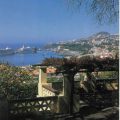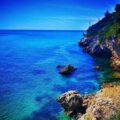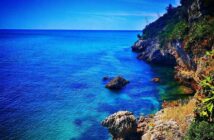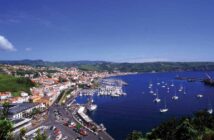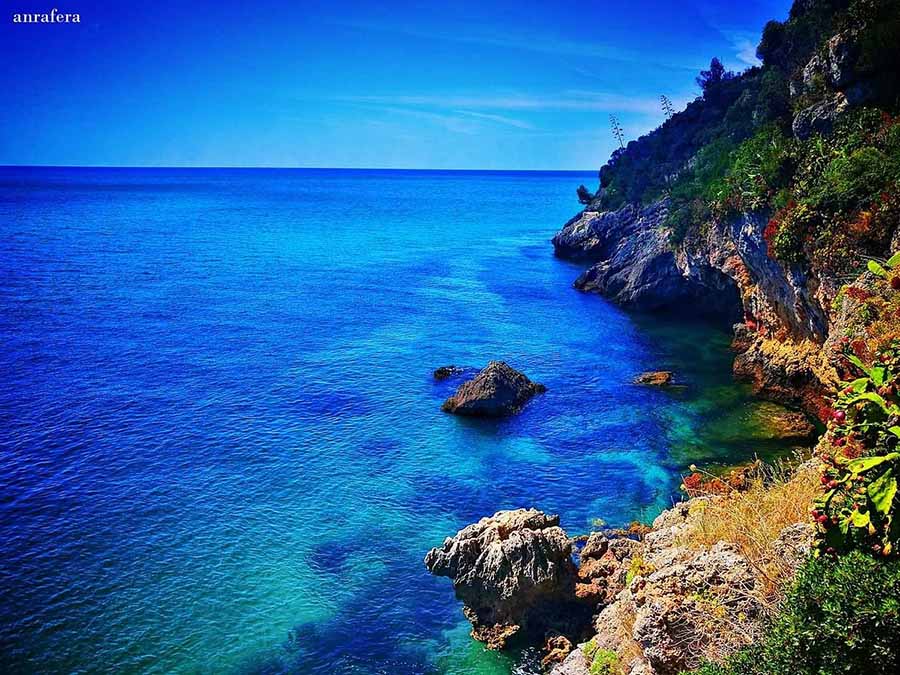
For the Península de Setúbal, a fitting quote comes from the poem “Sado” by Sebastião da Gama, a poet born in the region who celebrated the Sado River and its surrounding landscapes.:“White, the sails/ were dreams the river dreamed aloud/ Girls leaning out of windows/ one could see, on the blue surface of the waters, the seagulls./ And the quiet Morning (smiling, beautiful, Spring was coming)/ placed her delicate feet among the shells.This excerpt evokes the serene beauty of the Sado River estuary, a defining feature of the Península de Setúbal, known for its natural reserve and resident dolphin population.
The visit
Begin your journey in Setúbal, where the Church of São Julião, with its Manueline portal and azulejo tiles, invites exploration. Nearby, the Livramento Market brims with fresh fish and local produce, offering a glimpse into daily life. The Jesus Monastery, a Gothic masterpiece, showcases intricate stonework and a serene cloister.
The region’s coastline is a highlight, with Tróia’s Praia da Comporta boasting soft white sands and clear waters perfect for swimming. Families will enjoy Praia do Portinho da Arrábida, with its calm waves and nearby cafés. For a quieter retreat, Praia dos Galapinhos, framed by cliffs, provides a serene escape ideal for snorkelling.
Nature lovers can explore the Arrábida Natural Park, where hiking trails wind through Mediterranean forests and offer panoramic sea views. The park’s Estuary of Sado Nature Reserve provides boat tours to spot dolphins and flamingos. Cyclists can ride along coastal paths near Sesimbra, while kayaking in the Sado River reveals tranquil wetlands.
History enthusiasts will enjoy Palmela’s medieval castle, with its sweeping views and small museum of local artefacts. The Alcácer do Sal Rice Museum, housed in a former mill, explores the region’s agricultural past. In Grândola, the 18th-century Church of Nossa Senhora da Assunção adds a touch of baroque charm.
Food lovers will savour Setúbal’s cuisine. Restaurants like Casa do Peixe serve choco frito, fried cuttlefish, and fresh grilled sardines. Local markets offer moscatel grapes and Azeitão cheese. Wineries in Azeitão, such as José Maria da Fonseca, provide tastings of sweet Moscatel de Setúbal and robust reds.
Families will find the region welcoming, with free attractions like Setúbal’s Bocage Square and budget-friendly visits to the Ocean Revival Underwater Park, where divers explore sunken ships. The Roman Ruins of Tróia, with ancient fish-salting tanks, offer an affordable historical outing.
Cultural exploration continues in Sesimbra, where the Maritime Museum showcases the region’s fishing heritage. Evening walks along Setúbal’s waterfront, followed by dinner at a riverside restaurant, create a warm and inviting end to the day.
Península de Setúbal: All you need to know
The Península de Setúbal, just south of Lisbon, Portugal, offers a diverse and authentic experience for visitors, blending rich history, natural beauty, vibrant culture, and emerging tourism developments. This region, encompassing municipalities like Setúbal, Almada, Sesimbra, and Palmela, is known for its industrial heritage, stunning landscapes, and growing appeal as an off-the-beaten-path destination.
Natural Beauty and Outdoor Activities
The Península de Setúbal is renowned for its breathtaking landscapes, from pristine beaches to rugged mountains and protected nature reserves. Key highlights include:
- Serra da Arrábida Natural Park: This verdant mountain range, a protected area, features rare Mediterranean flora and dramatic cliffs overlooking the Atlantic. Visitors can hike trails with panoramic views, explore hidden coves like Portinho da Arrábida (one of Portugal’s Seven Natural Wonders), or relax on beaches such as Galapos and Figueirinha. The park is also a haven for wildlife, including foxes, badgers, and a resident pod of bottlenose dolphins in the Sado Estuary. Hiking, birdwatching (storks, flamingos, herons), dolphin-watching boat tours, kayaking, and coastal treks to secluded beaches like Praia do Ribeiro do Cavalo.
- Costa da Caparica: This 30-km stretch of golden Atlantic coastline is Portugal’s longest continuous beach, ideal for sunbathing, surfing, and enjoying fresh seafood at beachside cafés. The Fossil Cliff Protected Landscape offers hiking and fishing opportunities, while the Fisherman’s Quarter (Bairro dos Pescadores) provides a glimpse into local culture.
- Tróia Peninsula: Accessible by ferry from Setúbal, Tróia boasts Caribbean-like beaches with calm, transparent waters and white sands. Visitors can explore the Roman ruins of Cetóbriga, destroyed by a tidal wave in 412 AD, or play at the acclaimed Tróia Golf Course, a spectacular links design.
- Sado and Tagus Estuaries: These nature reserves attract birdwatchers and offer dolphin-watching cruises, with the Sado Estuary being home to a rare European population of bottlenose dolphins.
Historical and Cultural Attractions
The region’s rich history, from Roman times to the Age of Discovery, is reflected in its landmarks and cultural offerings:
- Setúbal City: The region’s capital is a working port with a gritty yet charming character, distinct from polished tourist hubs like Sintra or Cascais. Visitors can explore:
- Igreja de Jesus: A 15th-century Manueline-style church, the first of its kind in Portugal, with twisted rope-like stone columns and azulejo tiles.
- Fortress of São Filipe: A star-shaped 16th-century fort offering panoramic views of the Sado Estuary and Tróia. Its chapel features intricate tilework by Policarpo de Oliveira Bernardes.
- Praça do Bocage: The main square, named after the poet Bocage, with a statue, fountains, and atmospheric alleys lined with handicraft shops.
- Museums: The Museu do Trabalho Michel Giacometti showcases traditional agricultural tools and a 1920s Lisbon grocery, while the Museu de Arqueologia e Etnografia displays Roman mosaics and local crafts.
- Casa da Baía: An 18th-century building turned tourism center, offering wine tastings (Moscatel de Setúbal), local cheese (Queijo de Azeitão), and a winter garden.
- Sesimbra: A picturesque fishing village with a vibrant seaside promenade, historic Fortaleza de Santiago, and a Moorish castle perched above the town. The Porto do Abrigo harbour is lively with fishing boats, and seafood restaurants serve fresh catches.
- Palmela Castle: A majestic hilltop castle, 15 minutes from Setúbal, with a history dating back to Roman times. It offers sweeping views and houses a pousada (upscale inn).
- Azeitão: A charming town known for its manor houses, creamy sheep’s cheese, and Moscatel wines. The Convent of Arrábida, located in the mountains, offers sea views and a serene retreat.
Culinary and Wine Experiences
Setúbal’s gastronomy and wine culture are major draws, rooted in its seafaring and agricultural traditions:
- Cuisine: The region is famous for seafood, particularly choco frito (fried cuttlefish), a local specialty, and grilled sardines during summer. Fresh fish, oysters, and creamy Queijo de Azeitão cheese are staples. Avenida Luísa Todi in Setúbal is lined with mom-and-pop restaurants serving charcoal-grilled seafood.
- Wine Tourism: The Península de Setúbal is a renowned wine region, celebrated for its fortified Moscatel de Setúbal and red Castelão (Periquita) wines. Visitors can tour family-run wineries like:
- Fernão Pó Winery: Offers wine tastings, food pairings, and traditional meals in a welcoming setting.
- Quinta do Piloto: In Palmela, this winery spans 200 hectares and provides tastings, events, and accommodation.
- Ribafreixo Winery: A modern facility with a restaurant, wine shop, and tailored tasting experiences.
- Bacalhôa and José Maria da Fonseca: Historic estates with museums and gardens, focusing on innovative wines and visitor experiences.
- Markets: The Mercado do Livramento in Setúbal is a bustling market known for fresh produce and seafood, offering a glimpse into daily life.
Authentic Portuguese Experience
Unlike tourist-heavy destinations, Setúbal retains a raw, working-class character, appealing to independent travellers seeking authenticity. Its industrial port, pedestrianized old town, and vibrant festivals (like the colourful “Golfinho Parade” on Avenida José Mourinho) provide a genuine Portuguese atmosphere. The region is ideal for day trips from Lisbon (40-60 minutes by car or train) but also serves as a base for exploring nearby areas like Évora or the Alentejo.
- Transport: Setúbal is well-connected to Lisbon via the A2 motorway (over the 25 de Abril Bridge), Fertagus trains, and TST buses. Car ferries and catamarans link Setúbal to Tróia.
- Accommodation: Options range from luxury beach resorts and pousadas (e.g., at Palmela Castle) to laid-back cabins and guesthouses in Setúbal, Sesimbra, and Costa da Caparica.
What’s New for 2026 in Península de Setúbal
The Península de Setúbal is experiencing a tourism surge, with an 8.1% increase in overnight stays in August compared to the previous year, driven by both domestic and international visitors.
- Improved Visitor Services: The region is addressing the 2024 surge in tourism (and accompanying complaints about service quality) by investing in infrastructure. Expect better signage, upgraded facilities at natural parks, and enhanced customer service at key attractions like the Casa da Baía and wineries.
- Digital Tourism Tools: Turismo de Portugal and local authorities are likely to roll out updated digital guides and apps for 2026, offering real-time information on attractions, events, and bookings, aligning with Portugal’s tech-forward tourism strategy.
- ETIAS Implementation: The European Travel Information and Authorization System (ETIAS), set to be operational in 2026, may streamline travel for non-EU visitors but could add complexity for some. Visitors should plan for potential pre-travel authorizations.
New Events and Festivals
- Food and Wine Festivals: Building on the success of enotourism, Setúbal is expected to host expanded wine festivals in 2026, showcasing Moscatel and Castelão wines. Look for events at wineries like Bacalhôa and Quinta do Piloto, tied to Portugal’s growing reputation as a wine destination.
- Cultural Events: The Guardian highlights Portugal’s 2026 calendar, including food festivals and coastal activities. Setúbal may feature new events celebrating its seafood heritage, such as sardine or choco frito festivals, possibly along Avenida Luísa Todi.
- Imaging Update Conference (October 8-10, 2026): A medical conference in Lisbon will include day trips to Setúbal’s wine region and Arrábida Natural Park, boosting regional visibility. Visitors may encounter related wine tours or group activities.
Sustainable Tourism Initiatives
- Eco-Friendly Tours: The region is emphasizing sustainable tourism, with new eco-conscious dolphin-watching tours and guided hikes in Serra da Arrábida that prioritize environmental preservation. These align with Portugal’s broader push for green travel in 2026.
- Protected Areas: Enhanced conservation efforts in the Sado and Tagus Estuaries and Arrábida Natural Park will include stricter guidelines for visitors to protect wildlife, such as the dolphin population and rare flora. Expect more educational tours led by local guides.
- Regional Development Projects
- Strategic Plan Updates: The Plano Estratégico para o Desenvolvimento da Península de Setúbal (PEDEPES), initiated in 2000, continues to drive economic and cultural growth. In 2026, expect new public spaces, renovated waterfront areas in Setúbal, and improved access to Tróia’s beaches, building on past revitalization efforts.
- Population Growth: A 1.16% population increase in 2023, driven by immigration, is boosting local economies in Setúbal’s municipalities. This may lead to more diverse dining options and cultural activities reflecting the region’s growing international community.
Emerging Attractions
- Waterfront Revitalization: Setúbal’s waterfront, once dominated by abandoned fishing factories, is seeing ongoing transformation. New businesses, parks, and open spaces are making the Sado Estuary more appealing, with potential openings of cafés or cultural venues in 2026.
- Archaeological Focus: The Roman ruins of Cetóbriga on Tróia may see enhanced visitor access, with guided tours or interpretive centers planned to highlight Setúbal’s Roman heritage.
- Lagoa de Albufeira: This unique lagoon near Costa da Caparica, a birdwatching and fishing hub, is gaining attention. New signage or small-scale eco-lodges could emerge to attract nature lovers.
Visitor Expectations and Tips for 2026
- Crowds and Planning: The region’s 8.1% growth in overnight stays suggests increased popularity, especially in summer. Book accommodations and tours early, particularly for Tróia, Sesimbra, and Arrábida beaches, which are packed with domestic tourists in July and August.
- Best Time to Visit: Spring (March-May) and autumn (September-October) offer mild weather, fewer crowds, and vibrant festivals. Winter is ideal for hiking and cultural exploration, with quieter attractions.
- Authenticity vs. Polish: Setúbal is not a manicured resort destination. Visitors should embrace its industrial charm and working-class vibe, which contrasts with the pristine beaches and historic sites.
- Service Challenges: Portugal’s tourism boom has strained infrastructure, with complaints about airlines and booking platforms rising 22% in 2024. Opt for local operators for tours and consider travel insurance to mitigate risks.
- Diverse Appeal: The region suits various travellers, history buffs, foodies, nature lovers, and wine enthusiasts. Families will enjoy beaches and dolphin tours, while couples can savour romantic winery visits or castle stays.
In 2026, visitors to the Península de Setúbal can expect an authentic Portuguese experience, blending rugged natural beauty, rich history, and a vibrant culinary scene. Highlights include dolphin-watching in the Sado Estuary, hiking in Serra da Arrábida, exploring Manueline architecture, and savouring Moscatel wines and choco frito. New for 2026, the region is enhancing its tourism infrastructure with sustainable tours, expanded festivals, and revitalized waterfronts, while addressing service challenges amid a tourism boom. With its proximity to Lisbon and growing international appeal, Setúbal is poised to shine as Portugal’s best-kept secret, offering a perfect mix of adventure, culture, and relaxation. For more details on planning your trip, visit Turismo de Portugal or the Setúbal Peninsula Wine Region Guide
Off-the-Beaten-Track Locations and Attractions in Península de Setúbal
The Península de Setúbal, located just south of Lisbon, Portugal, is a region celebrated for its well-known attractions like Serra da Arrábida Natural Park, Tróia’s beaches, and Setúbal’s bustling port. However, it also hides a wealth of off-the-beaten-track locations and attractions that offer authentic, less-touristed experiences. These hidden gems, often overlooked by mainstream visitors, showcase the region’s natural beauty, historical depth, and cultural richness.
- Praia do Ribeiro do Cavalo (Sesimbra): Tucked away near Sesimbra, this secluded beach is a hidden paradise often compared to tropical shores due to its turquoise waters, white sands, and dramatic cliffs. Unlike the busier Galapos or Portinho da Arrábida, Ribeiro do Cavalo remains largely undiscovered by tourists. Its remote location requires a hike or boat access, ensuring tranquility and unspoiled beauty. The beach is framed by limestone cliffs and pine forests, offering a pristine natural escape. A 20-30 minute hike from Sesimbra’s Porto do Abrigo harbour along a rugged trail, or a short kayak/boat ride. The trail is moderately challenging, so wear sturdy shoes. Swimming, snorkeling, and picnicking in a serene setting. Bring your own supplies, as there are no facilities. Visit early in the morning or during spring/autumn to avoid small crowds and enjoy cooler weather. Check tide times, as high tides can reduce beach space. Its lack of road access and absence from mainstream guides keep it a local secret, perfect for adventurers seeking solitude.
- Convent of Arrábida (Serra da Arrábida): Located in the heart of Serra da Arrábida Natural Park, this 16th-century Franciscan monastery clings to the mountainside, offering breathtaking views of the Atlantic. Unlike the more visited Arrábida beaches, the convent is a serene, spiritual retreat rarely included in standard itineraries. The complex includes the Old Convent (a simple stone structure from 1542), the New Convent (with monks’ cells and a church), and four hillside chapels. Its isolated location and historical significance provide a meditative escape. Reached via guided tours arranged through the Arrábida Natural Park Foundation (book in advance). The site is a 15-minute drive from Azeitão, followed by a short walk. Guided tours (in Portuguese or English) explore the convent’s history and architecture. Enjoy panoramic sea views and quiet contemplation in the gardens. Combine with a hike in Arrábida for a full day. Photography is allowed, but respect the site’s sacred nature. Limited access (only via pre-booked tours) and its location deep within the park deter casual visitors, preserving its peaceful ambiance.
- Lagoa de Albufeira (Sesimbra/Almada Border): This unique lagoon, where freshwater meets the Atlantic, lies just north of Sesimbra near Costa da Caparica. Less frequented than the region’s main beaches, it’s a haven for nature lovers and birdwatchers. The lagoon is part of a protected ecological reserve, home to migratory birds like herons, flamingos, and kingfishers. Its calm waters and surrounding dunes create a tranquil contrast to the nearby ocean waves. A 10-minute drive from Sesimbra or 20 minutes from Costa da Caparica. Free parking is available near the lagoon’s entrance. Birdwatching (bring binoculars), paddleboarding, kitesurfing (in windier months), or fishing. The adjacent beach offers surfing for beginners. Visit in spring or autumn for optimal birdwatching. Local cafés like O Lagoa serve fresh seafood nearby. Its location away from major tourist hubs and lack of heavy promotion make it a quiet retreat, favored by locals and eco-enthusiasts.
- Roman Fish-Salting Factory Ruins (Setúbal): Hidden beneath Setúbal’s urban landscape, these 1st-century AD Roman ruins were used for fish salting and garum (fish sauce) production, reflecting the region’s ancient maritime economy. Unlike the more famous Cetóbriga ruins on Tróia, these are tucked away in the city. The site, discovered during construction, offers a rare glimpse into Setúbal’s Roman past. It’s preserved under a modern building with a glass floor, allowing visitors to view vats and mosaics below. Located near Rua António José Batista in Setúbal’s old town. Contact the Museu de Arqueologia e Etnografia for access, as it’s not always open to the public. Explore the ruins with a local guide (arrange via the museum) and learn about Roman trade. Pair with a visit to nearby Mercado do Livramento for context. Combine with a walk to the nearby Igreja de Jesus for a historical morning. Photography is limited due to preservation concerns. Its obscure location and lack of signage make it a niche attraction, appealing to history buffs willing to seek it out.
- Moinho de Maré da Mourisca (Sado Estuary, Setúbal): This restored 17th-century tidal mill on the Sado Estuary is a rare example of traditional Portuguese engineering, using tidal power to grind grain. It’s located in the Mourisca Nature Reserve, far from Setúbal’s busier waterfront. The mill, one of four surviving tidal mills in the region, offers insight into pre-industrial life. Its setting amid salt marshes and flamingo-filled wetlands adds to its charm. A 15-minute drive from Setúbal along the N10-4 toward Alcácer do Sal. Free parking and a small visitor center are available. Tour the mill’s interior (check seasonal hours), enjoy birdwatching in the reserve, or relax at the adjacent Café da Mourisca with estuary views. Visit at sunset for stunning views and active birdlife. Bring mosquito repellent in summer. Its rural location and focus on niche history attract fewer visitors than coastal sites, making it a peaceful stop for curious travellers.
- Quinta de Alcube (Azeitão): This small, family-run winery in Azeitão, less famous than giants like Bacalhôa or José Maria da Fonseca, produces Moscatel and Castelão wines in a rustic setting. It’s a hidden gem for wine lovers seeking an intimate experience. The winery’s boutique scale and focus on organic practices offer a personal contrast to larger estates. Its location near Arrábida’s foothills adds scenic beauty. A 10-minute drive from Azeitão’s center. Book tastings in advance via their website or phone. Wine tastings paired with local cheeses (Queijo de Azeitão), guided tours of the vineyards, and occasional harvest events (September-October). Ask about their Moscatel Roxo, a rare variety. Pair with a visit to Azeitão’s tile workshops for a cultural day. Its small size and lack of international marketing keep it under the radar, attracting locals and savvy enotourists.
- Fonte da Telha (Costa da Caparica): At the southern end of Costa da Caparica’s 30-km beach stretch, Fonte da Telha is a quieter, bohemian enclave compared to the bustling northern beaches. It’s a favorite among local surfers and free-spirited travellers. The beach’s remote feel, backed by low cliffs and dotted with quirky beach bars, offers a laid-back vibe. It’s part of the Fossil Cliff Protected Landscape, with geological significance. A 20-minute drive from Costa da Caparica’s center or a scenic ride on the Transpraia mini-train (seasonal). Limited parking is available. Surfing, kiteboarding, or relaxing at rustic bars like Cabana Beach Bar. Explore the cliffs for fossil hunting or hike to nearby Lagoa de Albufeira. Visit on weekdays to avoid weekend locals. Bring cash for small vendors, as card payments may be limited. Its distance from Caparica’s main hub and lack of resort development preserve its raw, alternative charm.
- Aldeia de Piedade (Palmela): This tiny village near Palmela, perched in the Arrábida foothills, is a cluster of whitewashed houses and cobblestone streets, offering a glimpse into rural Setúbal life. It’s far from the region’s tourist trail. Piedade’s simplicity, with its small church and vineyard views, feels like stepping back in time. It’s a base for exploring nearby hiking trails and wineries. A 10-minute drive from Palmela’s castle via the N252. Park on the village outskirts and explore on foot. Wander the quiet streets, visit the Igreja de Nossa Senhora da Piedade, or hike to nearby quarries with Arrábida views. Local taverns serve rustic dishes like sopa de cação (shark soup). Visit during the September grape harvest for village festivities. Bring a camera for the photogenic landscapes. Its small size and lack of major attractions make it a serene stop for those exploring Palmela’s backroads.
Tips for Exploring
- Transport: A car is ideal for reaching remote spots like Praia do Ribeiro do Cavalo or Moinho de Maré. Rentals are available in Lisbon or Setúbal. Alternatively, use local buses (TST) or taxis for shorter trips, but plan routes in advance.
- Timing: Spring (March-May) and autumn (September-October) offer mild weather and fewer visitors, perfect for hiking and outdoor exploration. Winter is quiet but check attraction hours, as some close seasonally.
- Preparation: Bring water, snacks, and sun protection for beaches and hikes, as facilities are minimal at remote sites. Download offline maps (e.g., Maps.me) for areas with poor signal, like Arrábida’s interior.
- Local Guides: For sites like the Convent of Arrábida or Roman ruins, contact local tourism offices (e.g., Casa da Baía in Setúbal) or the Arrábida Natural Park Foundation for guided tours, as access may be restricted.
- Sustainability: Respect protected areas by sticking to marked trails and avoiding littering, especially in Arrábida and the Sado Estuary, where conservation efforts are intensifying in 2026.
The Península de Setúbal’s off-the-beaten-track attractions offer a refreshing contrast to its more famous sites, inviting travellers to discover hidden beaches, ancient ruins, tranquil villages, and unique cultural landmarks. From the secluded sands of Praia do Ribeiro do Cavalo to the historic tidal mill at Mourisca, these lesser-known spots showcase the region’s diverse landscapes and rich heritage. In 2026, with sustainable tourism on the rise, these hidden gems provide an authentic, crowd-free experience for adventurous visitors. For more information or to book tours, check Turismo de Portugal or local resources like the Setúbal tourism office.
Portugal region by region
Açores – Alentejo – Algarve – Centro de Portugal – Lisboa – Madeira – Oeste e Vale do Tejo – Península de Setúbal – Porto e Norte
Spain region by region
Almería – Andalusia – Aragón – Asturias – Basque Country – Cádiz – Cantabria – Catalonia – Córdoba – Extremadura – Fuerteventura – Galicia – Gran Canaria – Granada – Huelva – Ibiza – Jaén – La Mancha – La Rioja – Lanzarote – León – Madrid – Majorca – Málaga – Menorca – Murcia – Navarra – Seville – Tenerife – Valencia –