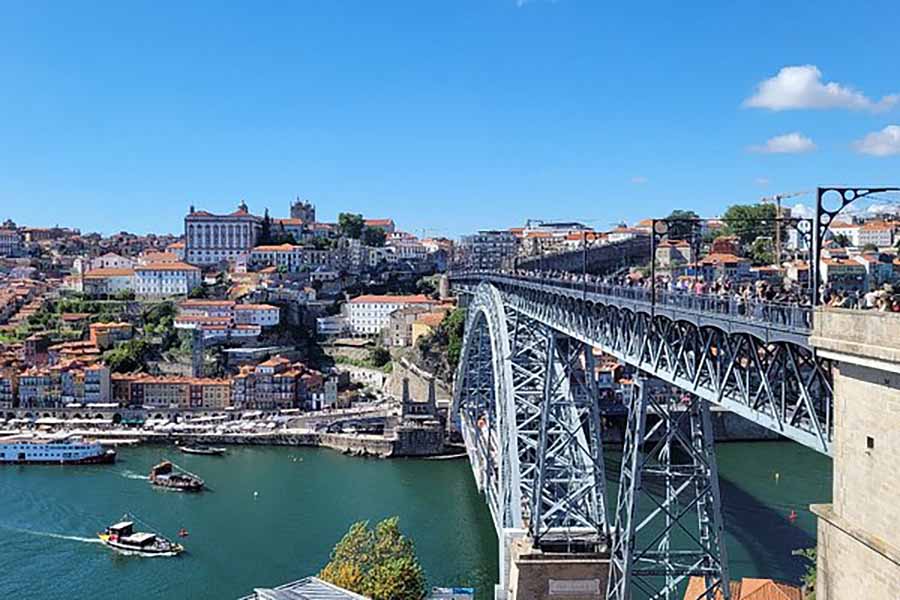
The poem “Douro” by Miguel Torga, a poet who vividly captured the essence of the Douro River, defines much of this region’s identity ‘O Douro é um poema geológico, a beleza absoluta!”(The Douro is a geological poem, absolute beauty. Torga often wrote about the river not just as water, but as a living entity. He described it as a “river of gold” and a “river of blood,” the Douro Valley wine region is a poem made of granite. It’s landscape, the result of centuries of work by thousands of people is a source of inexhaustible admiration. Man always succeeds when he tries to create something beautiful.He described the rugged beauty of the Douro Valley, a UNESCO World Heritage site in the Norte region, renowned for its terraced vineyards and port wine production.
The visit
Begin your journey in Porto, where the Clérigos Tower, with its baroque architecture, offers panoramic city views. Nearby, the Livraria Lello, a stunning bookshop with intricate woodwork, invites exploration. The Ribeira district, with its colourful buildings along the Douro River, provides a picturesque setting for leisurely strolls.
Nature lovers will enjoy the Douro Valley, where terraced vineyards create a stunning landscape. River cruises from Peso da Régua offer a relaxing way to explore, while hiking trails in the Peneda-Gerês National Park wind through granite peaks and waterfalls. Cyclists can ride along the Tâmega Valley, passing quaint villages and lush fields.
History enthusiasts can visit Guimarães, the birthplace of Portugal, where the 10th-century castle and Palace of the Dukes of Bragança showcase medieval heritage. Braga’s Bom Jesus do Monte, with its baroque staircase and hilltop church, offers a serene retreat. The Romanesque cathedral in Porto adds a touch of ancient grandeur.
Food lovers will savour the region’s cuisine. Restaurants in Porto, like Casa Aleixo, serve francesinha, a hearty sandwich with melted cheese, and tripas à moda do Porto, a traditional tripe dish. Local markets offer queijo da serra cheese and smoked sausages. Wineries in the Douro Valley provide tastings of port wine and crisp vinhos verdes.
Coastal Porto e Norte offers inviting beaches. Matosinhos’ Praia de Matosinhos is ideal for surfing, with wide sands and lively cafés. Families will enjoy Praia de Miramar near Vila do Conde, with its calm waters and nearby chapel. For a quieter retreat, Praia de Moledo in Caminha provides serene shores with mountain views.
Families will find the region welcoming, with free attractions like Porto’s Crystal Palace Gardens and budget-friendly visits to the Serralves Museum, showcasing contemporary art and manicured grounds. The Viana do Castelo’s Naval Museum explores the region’s maritime past.
Outdoor pursuits extend to the Minho River, where kayaking offers a fresh perspective of the countryside. Evening walks along Porto’s Ribeira waterfront, followed by dinner at a riverside restaurant, create a warm and inviting end to the day.
Porto: A UNESCO World Heritage City
The Porto e Norte region of Portugal, encompassing the vibrant city of Porto and its surrounding areas like the Douro Valley, Minho, and Trás-os-Montes, is a captivating destination known for its rich history, stunning landscapes, world-famous Port wine, and warm hospitality. In 2026, visitors can expect a blend of cultural immersion, outdoor adventures, and gastronomic delights, with new developments enhancing the region’s appeal.
- Porto, the region’s heart, is Portugal’s second-largest city and a UNESCO World Heritage Site for its historic centre. Visitors can immerse themselves in its colourful, medieval charm and modern vibrancy:
- Ribeira District: This riverside neighborhood features narrow cobblestone streets, colourful houses, and a lively promenade along the Douro River. Enjoy cafés, sunset views, and boat tours on traditional rabelo boats. Ribeira Square is a bustling hub for dining and people-watching.
- Port Wine Cellars: Across the Douro in Vila Nova de Gaia, iconic Port wine lodges like Sandeman, Taylor’s, and Cockburn’s offer tours, tastings, and insights into the fortified wine’s history. Many include museums or dining experiences, such as Taylor’s O Barão de Fladgate restaurant.
Cultural Landmarks:
- Livraria Lello: Often called one of the world’s most beautiful bookstores, its neo-Gothic architecture and spiral staircase draw book lovers and Instagrammers.
- Clérigos Tower: Climb 225 steps for panoramic views of Porto’s orange rooftops and the Douro. The adjacent church is a Baroque masterpiece.
- São Bento Station: Famous for 20,000 azulejo tiles depicting Portuguese history, this working train station is an architectural gem.
- Serralves Museum: A contemporary art museum set in lush gardens, showcasing Portuguese and international artists alongside an Art Deco villa.
- Casa da Música: A modern architectural marvel hosting concerts and cultural events.
- Gastronomy: Porto’s cuisine shines with dishes like francesinha (a hearty sandwich with meat, cheese, and spicy sauce), bacalhau à Brás (cod with eggs and potatoes), and pastéis de nata (custard tarts). Pair meals with Douro wines or Vinho Verde, a crisp regional wine. Traditional family-run restaurants and modern spots like MITO offer diverse dining.
- Nightlife and Arts: Porto’s youthful energy fuels a thriving nightlife in Baixa, with bars, clubs, and live Fado performances in intimate venues. The city’s artisan scene and liberal vibe add to its hipster allure.
Natural Beauty and Outdoor Activities
- Porto e Norte boasts diverse landscapes, from rugged coastlines to vineyard-covered valleys:
- Costa Verde: This dramatic coastline features rocky headlands and sandy beaches like Matosinhos, ideal for surfing, or Foz do Douro’s laid-back riverside walks. Marés Pool, designed by Álvaro Siza Vieira, offers saltwater swimming with ocean views (reopens spring 2026 after winter closure).
- Douro Valley: A UNESCO World Heritage Site, this region is renowned for its terraced vineyards and scenic river cruises. Visitors can explore wineries, hike trails, or take a train to picturesque towns like Pinhão.
- Peneda-Gerês National Park: Portugal’s only national park, in Minho, offers hiking, waterfalls, and wildlife like Iberian wolves. It’s perfect for adventure seekers and nature lovers.
- Trás-os-Montes: This remote region features majestic plateaus, thermal springs (e.g., Chaves’ 36°C open-air pools), and Montesinho Nature Park, home to deer, foxes, and diverse flora. Surfing, cycling, hiking, whale-watching (in the Azores, accessible via Porto’s airport), and river cruises are popular. The Portuguese Way of St. James, a Camino de Santiago route, attracts pilgrims through Minho.
Historical and Cultural Attractions
The region, where Portugal was founded in the 12th century, is steeped in history:
- Guimarães: Known as the “birthplace of Portugal,” this medieval city features Guimarães Castle, the Palace of the Dukes of Braganza, and charming Largo da Oliveira square. It’s an easy day trip from Porto.
- Braga: Portugal’s religious centre, home to the ancient Sé Cathedral, Museu dos Biscainhos, and Bom Jesus do Monte, a Baroque hilltop shrine with a scenic staircase.
- Viana do Castelo, Lamego, and Vila Real: These human-scale cities offer Baroque architecture, historic manors, and authentic Portuguese culture. Lamego’s Sanctuary of Nossa Senhora dos Remédios is a pilgrimage site.
- Chaves and Bragança: In Trás-os-Montes, these towns boast Roman bridges, medieval castles, and traditional cuisine like smoked sausages.
- Festivals: Porto’s St. John Festival (June 23) features street parties, fireworks, and playful plastic hammer traditions. The Serralves Festival offers 40 hours of non-stop dance, music, and theater.
Family-Friendly and Accessible
- Family Activities: Porto’s family-focused culture ensures children are embraced in restaurants and hotels. Kids enjoy tram rides, Douro boat tours, and the Gaia cable car.
- Accessibility: Porto’s Francisco Sá Carneiro Airport, with 60 direct routes, is 20 km from the city centre, connected by metro. The city’s 70-km metro network and two train stations (São Bento, Campanhã) link to nearby cities like Lisbon and Vigo, Spain. Public transport makes car-free day trips to Braga, Guimarães, or Aveiro feasible.
- Affordability: Porto offers exceptional value compared to other European cities, with affordable public transport, dining, and attractions.
Day Trips and Regional Exploration
- Aveiro: A charming canal town, often called the “Venice of Portugal.”
- Douro Valley: Cruise or drive to vineyards and historic villages.
- Braga and Guimarães: Combine both for a history-packed day.
- Trás-os-Montes: Visit Chaves or Montesinho for rural authenticity.
- A suggested week-long itinerary:
- Day 1-2: Porto (historic centre, Ribeira, Port cellars).
- Day 3: Vila Nova de Gaia and Foz district.
- Day 4: Day trip to Guimarães.
- Day 5: Day trip to Braga or Aveiro.
- Day 6: Douro Valley cruise or winery tour.
- Day 7: Peneda-Gerês or Costa Verde beach day.
What’s New for 2026 in Porto e Norte
- Porto e Norte is experiencing a tourism boom, with 15 million passengers at Porto’s airport (a 20% increase) and expectations of a sell-out peak season in 2026. The region is enhancing its offerings with new infrastructure, events, and sustainable initiatives.
- Kodawari Flores Hotel: Opening May 1, 2026, on Porto’s Rua das Flores, this hotel promises “the best sleep ever” with Hästens beds, weighted blankets, and guided tours for Port tastings, Fado, and FC Porto visits. A second Porto property and a Lisbon location are planned.
- Tivoli Kopke Porto Gaia Hotel: A new Tivoli property on the Douro’s south bank in Vila Nova de Gaia, offering modern décor, 20 rooms, and proximity to Port cellars.
- Boutique Hotels: Historic districts in Porto are seeing new boutique hotels blending traditional charm with modern comforts, catering to luxury travellers.
- Douro Valley Resorts: New five-star resorts are opening, offering wine-tasting experiences and stunning views, enhancing the region’s luxury appeal.
Cultural and Culinary Events
- Feast of the Crosses (April -May): Held in Barcelos, this vibrant festival, dating to the 16th century, features colourful parades, music, and religious traditions, marking the first major romaria of Minho.
- Smoked Sausage Festival (January): In Montealegre, Trás-os-Montes, this food festival showcases regional charcuterie like chouriços and alheira, drawing foodies to the far north.
- Vinhais Smoked Meats Fair (February): Another Trás-os-Montes event in Vinhais, celebrating artisanal sausages and hams.
- Lisbon Tech Fest: While based in Lisbon, this new tech-focused festival may include Porto-based workshops or excursions, given the city’s growing innovation hub status.
Sustainable Tourism and Infrastructure
- Eco-Friendly Skyscraper: Porto is set to unveil its first eco-friendly skyscraper in 2026, featuring green roofs, solar panels, and sustainable materials, aligning with Portugal’s green tourism push.
- Green Certification for Hotels: A new 2026 initiative encourages hotels to adopt eco-friendly practices like energy conservation and waste reduction, with Porto properties leading the way.
- Porto Free Wi-Fi Expansion: The city’s free Wi-Fi network, with over 300 access points, continues to grow, enhancing visitor connectivity. The Visit Porto website offers mobile-friendly trip planning.
- Airport Expansion Plans: With passenger numbers soaring, Turismo do Porto e Norte is pushing for Sá Carneiro Airport’s expansion to handle increased tourism, though construction may not begin until after 2026.
- Bus Rapid Transit: A new bus rapid transit system is expected to open in 2026, improving connectivity within Porto’s metropolitan area.
- Electric Vehicle Infrastructure: Porto is expanding EV charging stations, supporting eco-friendly travel across tourist destinations.
Transportation Enhancements
- High-Speed Rail: Portugal’s expanding high-speed rail network will improve connections between Porto, Lisbon, and Faro, reducing travel times for 2026 visitors.
- Metro Network Growth: Porto’s metro is expanding with two new lines under construction, enhancing access to suburbs and attractions.
- Tourist Travelcard and Beach Ticket: Comboios de Portugal offers discounted rail passes for unlimited suburban travel around Porto (e.g., to Aveiro, Braga) and beach access, making exploration affordable.
Emerging Destinations
- Costa Verde: Tipped as an emerging holiday destination, the coastline between Porto and Spain’s border is gaining attention for its beaches and untamed beauty.
- Trás-os-Montes: With events like sausage festivals and attractions like Chaves’ thermal pools, this remote region is drawing adventurous travellers seeking authentic experiences.
- Chaves Thermal Pools: Portugal’s first open-air thermal pools in Chaves, open year-round, offer 36°C waters, saunas, and waterfalls, providing a unique wellness experience in Trás-os-Montes.
Visitor Expectations and Tips for 2026
- Crowds and Booking: Porto expects a sell-out peak season (July-August) in 2026 due to its reputation as a safe European destination. Book flights and accommodations early, especially for Friday evening and Sunday/Monday flights, which sell out first.
- Best Time to Visit: Late spring (April-May) or early autumn (September-October) offer pleasant weather, fewer crowds, and ideal conditions for sightseeing and day trips. Winter is mild but rainy, while summer is hot and busy.
- Local Vibe: Porto retains a “folksy” charm despite gentrification, with welcoming locals and a vibrant art scene. Expect a mix of historic authenticity and modern innovation.
- Safety and Practicalities: Porto is one of Europe’s safest cities, but be cautious of petty crime in tourist-heavy areas like Ribeira. The Porto Free Wi-Fi network and Visit Porto website aid navigation.
- Diverse Appeal: Porto e Norte suits history buffs (Guimarães, Braga), foodies (Port wine, regional cuisine), adventure seekers (Peneda-Gerês, surfing), and families (boat rides, festivals).
In 2026, Porto e Norte offers visitors a rich tapestry of experiences, from Porto’s UNESCO-listed Ribeira and Port wine cellars to the Douro Valley’s vineyards and Trás-os-Montes’ thermal pools. Expect historic charm, scenic beauty, and warm hospitality, paired with affordable dining and activities. New for 2026, the region introduces eco-friendly skyscrapers, luxury hotels like Kodawari Flores, cultural events like the Michelin Guide Gala, and sustainable tourism initiatives, cementing its status as a must-visit destination. With a booming tourism sector and enhanced infrastructure, Porto e Norte is ready to captivate travellers seeking culture, adventure, and authenticity. For more details, visit Visit Porto and North or Turismo de Portugal
Off-the-Beaten-Track Locations and Attractions in Porto e Norte
The Porto e Norte region of Portugal, encompassing Porto, the Douro Valley, Minho, and Trás-os-Montes, is renowned for its UNESCO-listed city, world-class wines, and stunning landscapes. While attractions like Porto’s Ribeira, the Douro Valley’s vineyards, and Guimarães’ historic centre draw many visitors, the region is also home to lesser-known, off-the-beaten-track locations and attractions. These hidden gems offer authentic experiences, from secluded villages and ancient ruins to natural wonders and quirky cultural sites, perfect for travellers seeking to explore beyond the tourist trail in 2026.
- Citânia de Briteiros (Near Guimarães, Minho): This Iron Age hillfort, located 15 km from Guimarães, is one of Portugal’s most significant archaeological sites, dating back to the 2nd century BC. Unlike the heavily touristed Guimarães Castle, Citânia de Briteiros offers a quiet journey into the Celtic past of the Castro culture. The site features well-preserved stone houses, defensive walls, and a ritual bath, revealing pre-Roman life in Northern Portugal. Its hilltop setting provides sweeping views of the Minho countryside. A 20-minute drive from Guimarães via the N101. Limited public transport (bus from Guimarães to Briteiros-Santo Estêvão), so a car is recommended. On-site parking is available. Explore the ruins with interpretive signs (English available). Visit the small museum for artifacts like pottery and jewelry. The site is ideal for history enthusiasts and photographers. Visit in spring or autumn for mild weather and vibrant landscapes. Bring water and comfortable shoes for uneven terrain. Pair with a stop in nearby Caldas das Taipas for thermal springs. Its rural location and niche appeal attract mainly archaeology buffs and locals, keeping it uncrowded compared to Guimarães’ main sites.
- Ponte da Mizarela (Peneda-Gerês National Park, Minho): This medieval stone bridge, tucked deep in Peneda-Gerês National Park near Vieira do Minho, spans the Rabagão River with a single dramatic arch. Local legend claims it was built by the devil, adding a mystical allure. The bridge’s 13th-century architecture and remote setting amid granite cliffs and lush forests make it a hidden gem for hikers and history lovers. It’s far from the park’s busier trails and waterfalls. A 1-hour drive from Braga via the N103 and EN308. Park at the nearby village of Ferral and walk 10 minutes to the bridge. No public transport reaches the site directly. Photograph the bridge’s Gothic arch, hike nearby trails (e.g., to Lamas de Mouro), or picnic by the river. The surrounding park offers sightings of roe deer or wild ponies. Visit in early morning for misty views and solitude. Check weather conditions, as the area can be slippery after rain. Combine with a visit to Gerês’ thermal springs. Its isolated location within Portugal’s only national park deters casual tourists, appealing to adventurers exploring Gerês’ quieter corners.
- Soajo Village and Espigueiros (Peneda-Gerês National Park, Minho): Soajo, a granite village in Peneda-Gerês, is known for its cluster of 24 espigueiros, traditional stone granaries elevated on stilts to protect grain from rodents. These 18th- and 19th-century structures resemble tiny tombs and are a unique cultural relic. Soajo’s timeless charm, with cobblestone streets and pastoral landscapes, offers an authentic glimpse into rural Minho life. The espigueiros are still used by locals, adding to the living history. A 1.5-hour drive from Porto via the A3 and IC28, or 1 hour from Braga. Limited bus service from Arcos de Valdevez. Parking is available near the village square. Wander the village to see the espigueiros (best at sunset for photos), visit the small parish church, and hike trails to nearby waterfalls like Poço Negro. Local taverns serve hearty dishes like cozido à portuguesa (meat and vegetable stew). Visit during the August harvest festival for traditional music and crafts. Bring cash for small eateries, as card payments are rare. Its remote location and lack of mainstream promotion make Soajo a serene escape, far from the park’s more visited spots like Arado Waterfall.
- Casa do Penedo (Fafe, Minho): Known as the “Flintstone House,” this quirky stone dwelling near Fafe was built in 1974 between four massive boulders, blending seamlessly with the rugged landscape. It’s a private residence but a public curiosity. The house’s whimsical, eco-friendly design, using boulders for walls and local materials, draws architecture fans and those seeking Instagram-worthy oddities. Its hilltop setting offers views of wind turbines and rolling hills. A 40-minute drive from Porto via the A7, or 20 minutes from Guimarães. Park along the dirt road and walk 5 minutes. No public transport is available. View the house from the outside (it’s not open to visitors), take photos, and enjoy the surrounding trails for hiking or mountain biking. The nearby Fafe Rally Circuit may host motorsport events. Respect the owners’ privacy and avoid trespassing. Visit on weekdays to avoid small weekend crowds. Pair with a stop in Fafe’s town centre for local pastries like pão de ló. Its obscure location and status as a private home keep it a niche attraction, known mostly through social media and local lore.
- Passadiços do Tâmega (Chaves, Trás-os-Montes): These wooden boardwalks along the Tâmega River in Chaves offer a serene 8-km trail through wetlands, forests, and vineyards, showcasing Trás-os-Montes’ understated beauty. Unlike the busier Paiva Walkways, this trail is largely undiscovered. The passadiços highlight the region’s biodiversity, with sightings of otters, herons, and storks, and connect to Chaves’ Roman heritage, including the 2nd-century Trajan’s Bridge. A 1.5-hour drive from Porto via the A24. Start at the Chaves waterfront near the thermal spa. Free parking is available. No direct public transport to the trailhead. Walk or cycle the flat, well-maintained boardwalks (bike rentals in Chaves). Visit nearby Roman ruins or relax at Chaves’ 36°C thermal pools. Local eateries serve alheira (smoked sausage). Visit in spring for wildflowers or autumn for vibrant foliage. Bring binoculars for birdwatching. The trail is family-friendly and accessible. Trás-os-Montes’ remoteness and the trail’s recent development (opened in 2020s) keep it a local favorite, with minimal tourist traffic.
- Fisgas de Ermelo Waterfall (Mondim de Basto, Trás-os-Montes): One of Portugal’s largest waterfalls, Fisgas de Ermelo cascades 200 meters through the Alvão Natural Park, near Mondim de Basto. It’s a hidden gem compared to Gerês’ more famous cascades. The waterfall’s dramatic cliffs, surrounded by oak forests and schist villages, create a pristine wilderness. Nearby rock pools offer refreshing swims in summer. A 1-hour drive from Vila Real via the N304, or 1.5 hours from Porto. Park at Ermelo village and hike 20-30 minutes to the waterfall. No public transport is available. Hike marked trails (moderate difficulty) to viewpoints, swim in natural pools, or picnic by the falls. The nearby village of Ermelo has traditional schist houses and a small café. Wear sturdy shoes for rocky paths and visit in late spring for optimal water flow. Avoid peak summer heat. Combine with a wine tasting in nearby Vila Real. Its location in the lesser-visited Alvão Park and challenging access deter large groups, attracting nature lovers and hikers.
- Mosteiro de São Pedro de Ferreira (Paços de Ferreira, Porto Metropolitan Area): This 12th-century Romanesque monastery, located in Paços de Ferreira, is a hidden gem of medieval architecture, far from Porto’s tourist crowds. It predates Portugal’s founding and is one of the region’s oldest intact churches. The monastery’s ornate portal, carved with biblical scenes, and its serene cloister offer a glimpse into early Christian art. Its rural setting adds tranquility. A 30-minute drive from Porto via the A4. Limited bus service from Porto to Paços de Ferreira. Free parking is available near the church. Explore the church’s interior (check opening hours), admire the Romanesque details, and wander the surrounding village. The nearby furniture museum reflects Paços de Ferreira’s woodworking heritage. Visit in the morning for soft light on the stonework. Photography is allowed, but be respectful during services. Pair with a stop in Santo Tirso for local sweets like jesuítas. Its location in an industrial town and lack of mainstream promotion make it a quiet stop for architecture and history enthusiasts.
- Quintandona Village (Penafiel, Porto Metropolitan Area): This tiny schist village near Penafiel, with just 50 residents, is a preserved slice of rural Portugal, featuring stone houses, a chapel, and vineyard views. It’s a stark contrast to Porto’s urban energy. Quintandona’s authenticity, with locals maintaining traditional farming, and its annual folklore festival (September) showcase Northern Portugal’s heritage. The village’s rustic charm is ideal for slow travel. A 40-minute drive from Porto via the A4 and N15. No direct public transport, so a car is essential. Park at the village entrance. Stroll the stone paths, visit the Capela de São João Baptista, and dine at Casa da Viúva, a tavern serving regional dishes like rojões (pork stew). Nearby trails lead to panoramic viewpoints. Visit during the September festival for music and crafts, or in autumn for harvest season. Book dining in advance, as the tavern is small. Its small size and distance from major attractions keep it a secret, known mainly to locals and in-the-know travellers.
Tips for Exploring Porto e Norte
- Transport: A rental car is essential for most sites, as public transport is limited in rural areas like Trás-os-Montes and Gerês. Rentals are available at Porto’s airport or city centre. For closer sites (e.g., Mosteiro de São Pedro), buses or taxis from Porto are viable.
- Timing: Spring (April-May) and autumn (September-October) offer ideal weather for hiking and sightseeing, with fewer visitors. Winter is quiet but check attraction hours, as some close seasonally. Summer can be hot in Trás-os-Montes.
- Preparation: Bring water, snacks, and sturdy shoes for hikes (e.g., Fisgas de Ermelo, Ponte da Mizarela). Download offline maps (e.g., Maps.me) for remote areas with poor signal. Cash is useful in small villages where cards may not be accepted.
- Local Guides: For archaeological sites like Citânia de Briteiros, contact local tourism offices (e.g., Guimarães Tourism or Visit Porto and North) for guided tours, as interpretive information may be limited.
- Sustainability: Respect natural areas like Peneda-Gerês and Alvão by sticking to trails and avoiding littering, especially with 2026’s focus on eco-friendly tourism in Portugal.
Porto e Norte’s off-the-beaten-track attractions, from the ancient ruins of Citânia de Briteiros to the mystical Ponte da Mizarela and the stone granaries of Soajo, offer a deeper connection to the region’s history, culture, and natural beauty. These hidden gems, scattered across Minho, Trás-os-Montes, and the Porto area, provide authentic experiences away from the crowds of Ribeira or the Douro Valley. In 2026, with sustainable tourism initiatives enhancing access, these lesser-known spots are perfect for adventurers, history buffs, and those seeking Portugal’s unpolished charm. For more information or to plan your visit, check Visit Porto and North or Turismo de Portugal.
Portugal region by region
Açores – Alentejo – Algarve – Centro de Portugal – Lisboa – Madeira – Oeste e Vale do Tejo – Península de Setúbal – Porto e Norte
Spain region by region
Almería – Andalusia – Aragón – Asturias – Basque Country – Cádiz – Cantabria – Catalonia – Córdoba – Extremadura – Fuerteventura – Galicia – Gran Canaria – Granada – Huelva – Ibiza – Jaén – La Mancha – La Rioja – Lanzarote – León – Madrid – Majorca – Málaga – Menorca – Murcia – Navarra – Seville – Tenerife – Valencia –