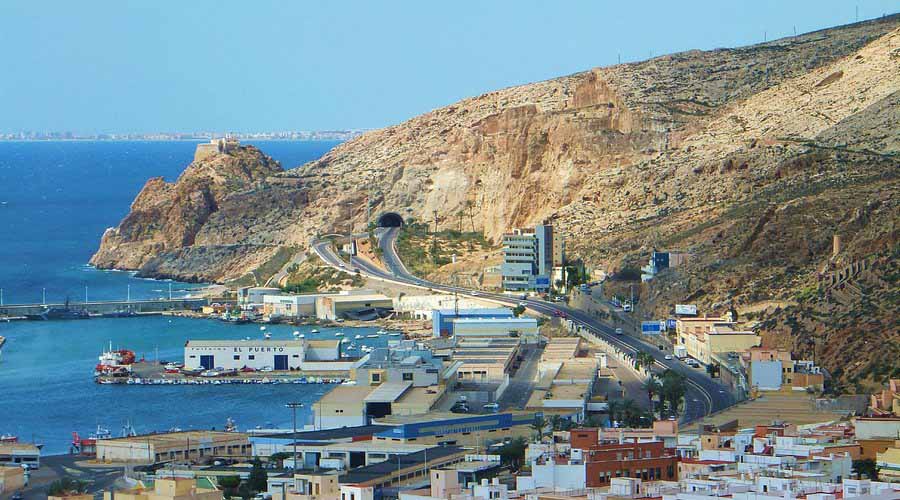
In Almería, the medieval Latin epic Poem of Almería, appended to the Chronica Adefonsi imperatoris, vividly captures the region’s historical significance through its 385½ leonine hexameters, narrating the 1147 military campaign of Alfonso VII with lines like “dénombrement épique,” a stirring roll-call of army contingents, reflecting the area’s martial heritage and cultural depth.
Federico García Lorca’s Blood Wedding (Bodas de sangre), premiered in 1933, draws on a real 1928 Almería tragedy, with the poignant quote, “The knife, the knife! Damn it all and the villain who brought it into the world,” embodying the region’s passionate and tragic spirit. In film, Almería’s Tabernas Desert, often dubbed the “Hollywood of Spain,” served as a backdrop for Sergio Leone’s The Good, the Bad and the Ugly, with its iconic sets at Mini Hollywood, where the line “When you have to shoot, shoot. Don’t talk” resonates, cementing the region’s cinematic legacy as a rugged, evocative landscape for spaghetti westerns.
The region
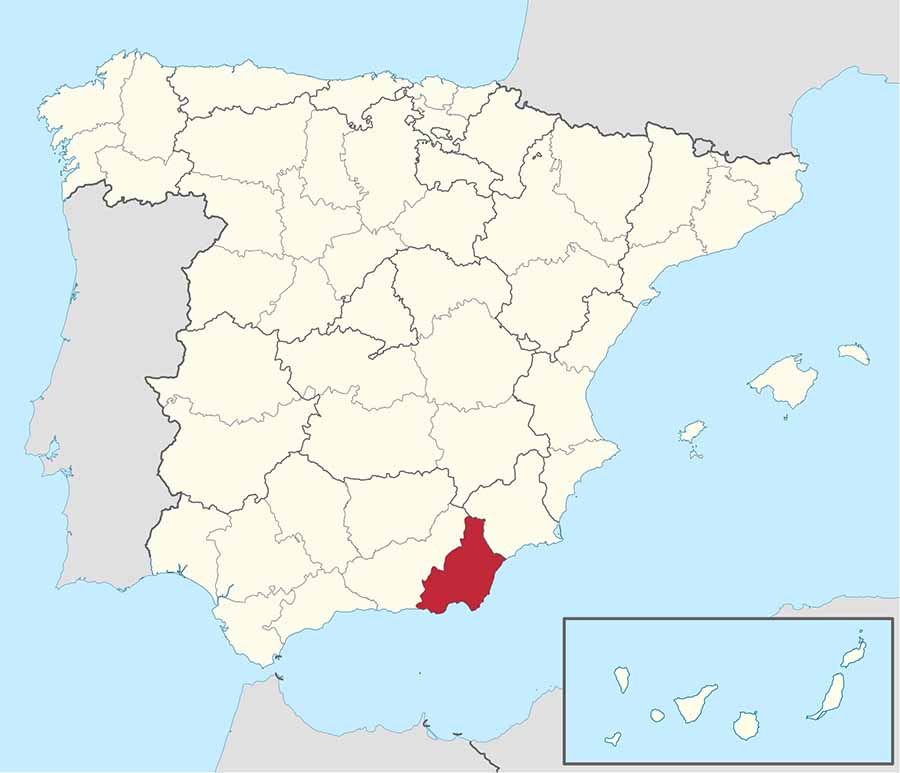
As summer 2026 approaches, Almería offers a delightful visitor experience, blending sun-soaked beaches, rich history, and authentic Andalusian culture. This southeastern Spanish region, with its Mediterranean coastline and unique desert landscapes, promises a memorable holiday for travellers seeking both relaxation and adventure.
The heart of Almería’s appeal lies in its pristine beaches, stretching over 200 kilometres from Adra to Pulpí. Playa de los Muertos, a standout in the Cabo de Gata-Níjar Natural Park, boasts white sands and crystal-clear waters, perfect for swimming or simply soaking up the sun. The park itself, a protected coastal reserve, offers hiking trails through cacti-studded terrain and opportunities to spot wildlife, including flamingos at Punta Entinas-Sabinar’s wetlands. For those keen on water activities, kayaking and scuba diving in the clear Mediterranean waters provide a thrilling way to explore the coastline.
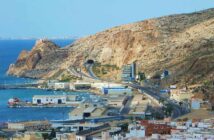
In Almería city, the Alcazaba, a grand Moorish fortress, invites visitors to wander its historic gardens and towers, offering panoramic views of the Gulf of Almería. The city’s cathedral, with its fortress-like Gothic design, reflects its past resilience against pirate attacks. Nearby, the Museum of Almería showcases artefacts from prehistoric times to the present, while the Civil War shelters offer a fascinating glimpse into the city’s 20th-century history. Strolling along Paseo de Almería, lined with cafes and boutiques, or relaxing in Nicolás Salmerón Park by the seafront, visitors can enjoy the region’s laid-back atmosphere.
Food lovers will find Almería’s culinary scene a treat. Tapas bars, such as Casa Puga, a local favourite since 1870, serve free tapas with every drink, from grilled seafood to Raf tomato salads. Coastal chiringuitos like La Barraquilla dish up fresh prawns and sardines with views of the Mediterranean. Markets, such as Almería Central Market, brim with fresh produce, spices, and local wines, offering a taste of the region’s agricultural heritage, which thrives in its 31,000 hectares of greenhouses.
For a quieter escape, the whitewashed villages of Mojácar and San José offer a glimpse of traditional Spanish life. Mojácar’s hilltop setting provides stunning vistas, while San José, within Cabo de Gata, is ideal for those seeking a peaceful retreat. The Tabernas Desert, Europe’s only semi-arid desert, adds a unique dimension with its otherworldly landscapes, known as the backdrop for many film productions.
Almería’s mild climate, with temperatures around 30°C and minimal rainfall, ensures comfortable exploration throughout the summer. Local buses and car rentals make it easy to navigate the region, from coastal resorts like Roquetas de Mar to inland treasures like the Yesos de Sorbas caves, a geological marvel of gypsum formations. Cultural experiences, such as browsing local crafts at Roquetas de Mar’s markets or enjoying live music at summer festivals, add to the region’s charm.
With fewer crowds than other Spanish Costas, Almería offers a refreshing alternative for travellers. Its blend of natural beauty, historical depth, and culinary delights creates a welcoming experience for all. Whether lounging on unspoilt beaches, exploring ancient fortresses, or savouring fresh seafood, visitors to Almería in summer 2026 will find plenty to enjoy.
Visiting
Unequivocally Spanish, with a rich Moorish heritage, one of Almería’s big advantages is that the Costa del Sol “coca cola coast” tourist overkill of exuberance, architecture, and point-at-the picture-on-the-menu food culture has (thankfully) has yet to arrive.
Relatively unknown until Clint Eastwood stopped by in the 1960s to film his trilogy of spaghetti westerns in a landscape that evokes both the Wild West and the essence of southern Spain, it has been discovered since by low coast airlines and their adherents.
Located in the rain shadow of the Sierra Nevada, Almeria is the sunniest and driest region of the Iberian Peninsula and home to Europe’s only desert. Recently, modern greenhouse farming techniques have transformed its arid terrain into a thriving agricultural hub and a major center for immigrant labor.
Visitors to the Spanish province of Almería in 2026 can expect a captivating blend of natural beauty, rich history, cultural vibrancy, and unique attractions. Located in southeastern Spain along the Mediterranean coast, Almería offers a diverse range of experiences, from pristine beaches and desert landscapes to ancient fortresses and charming villages.
Stunning Natural Landscapes
- Cabo de Gata-Níjar Natural Park: This UNESCO Biosphere Reserve is a highlight, featuring volcanic cliffs, crystal-clear coves, and some of Spain’s most unspoiled beaches, such as Playa de los Muertos and Playa de Mónsul. Visitors can hike scenic trails, swim in turquoise waters, or explore charming fishing villages like Las Negras and San José. The park is ideal for birdwatching, kayaking, and snorkeling.
- Tabernas Desert: Europe’s only true desert, famous for its surreal, arid landscapes, is a must-visit. It’s the backdrop for numerous Western films, earning it the nickname “Hollywood of Europe.” Visitors can explore film sets at theme parks like Mini Hollywood (Oasys Theme Park), which offers recreated Wild West towns, stunt shows, and a zoo.
- Sierra de Alhamilla and Sierra Nevada: For outdoor enthusiasts, Almería’s mountain ranges provide hiking, cycling, and rock-climbing opportunities with breathtaking views. The Sierra Nevada, partially extending into Almería, is also a gateway to skiing in winter.
Historical and Cultural Attractions
- Alcazaba of Almería: This 10th-century Moorish fortress dominates the city skyline. Visitors can wander its sprawling courtyards, towers, and gardens while enjoying panoramic views of the city and coast. The Alcazaba is one of Spain’s largest Muslim-era fortresses and a key historical site.
- Almería Cathedral: A striking Gothic-Renaissance structure with fortress-like walls, built to withstand pirate attacks. Its intricate interiors and historical significance make it a must-see.
- Archaeological Sites: Almería boasts prehistoric and Roman remnants. The Los Millares archaeological site, dating back to the Copper Age, offers insight into one of Europe’s earliest settlements. The Roman Theatre in nearby Guadix is another historical gem.
- Cable Inglés: A 19th-century iron pier in Almería city, once used for loading minerals, is now a photogenic landmark and a symbol of the province’s industrial past.
Beaches and Coastal Charm
- Almería’s 200+ kilometers of coastline, part of the Costa de Almería, feature diverse beaches. Urban beaches like Playa de las Almadrabillas in the capital are lively and accessible, while remote coves in Cabo de Gata offer tranquility. Popular spots include Playa del Zapillo and Playa de Aguadulce.
- Water activities abound, including scuba diving, windsurfing, and sailing. The Mediterranean’s warm, clear waters are perfect for marine exploration, with dive sites revealing underwater caves and coral reefs.
Culinary Delights
- Almería’s cuisine reflects its coastal and agricultural heritage. Visitors can savor fresh seafood dishes like gambas rojas (red prawns), calamares a la plancha (grilled squid), and pescaíto frito (fried fish). Inland, hearty stews like migas (fried breadcrumbs with sausage) and gurullos (pasta stew) are local staples.
- The province is a major producer of fruits and vegetables, thanks to its greenhouses. Expect vibrant salads and dishes featuring tomatoes, peppers, and citrus.
- Tapas culture thrives in Almería city and towns like Roquetas de Mar. Many bars offer a free tapa with each drink, making bar-hopping a delicious and affordable experience.
Festivals and Local Culture
- Almería’s cultural calendar is packed with events. The Feria de Almería in August is a week-long celebration with flamenco, parades, and fireworks, honoring the Virgen del Mar. Smaller towns host their own ferias, showcasing local traditions.
- Flamenco performances are common in peñas (flamenco clubs) and during festivals. Almería’s Gypsy heritage adds authenticity to its music and dance.
- The Almería Western Film Festival in Tabernas celebrates the province’s cinematic legacy with screenings, workshops, and reenactments, typically held in October.
Charming Towns and Villages
- Mojácar: A picturesque hilltop village with whitewashed houses and narrow streets, offering stunning views and a bohemian vibe. Its beaches, like Playa de Macenas, are equally enchanting.
- Níjar: Known for its pottery and textiles, this town is a hub for artisans. Its colorful ceramics are popular souvenirs.
- Vera and Garrucha: Coastal towns with vibrant markets, seafood restaurants, and family-friendly beaches. Garrucha is famous for its prawn dishes.
- Laujar de Andarax: Located in the Alpujarra Almeriense, this village is ideal for wine tasting and exploring the region’s vineyards.
Modern Amenities and Accessibility
- Almería city is a vibrant hub with modern hotels, shopping centers, and a bustling port. The province is well-connected via Almería Airport, high-speed trains (AVE to Madrid), and highways.
- Resorts in Roquetas de Mar and Mojácar cater to families and luxury travelers, offering golf courses, spas, and water parks.
- Almería’s year-round mild climate, with over 300 days of sunshine, makes it an ideal destination for winter escapes or summer beach holidays.
Tips for Visitors
- Best Time to Visit: Spring (March-May) and autumn (September-November) offer pleasant weather and fewer crowds. Summer is ideal for beachgoers but can be hot, especially in the desert.
- Getting Around: Renting a car is recommended to explore the province’s diverse attractions, as public transport is limited outside major towns. Buses connect Almería city to coastal resorts.
- Language: Spanish is the primary language, but English is widely understood in tourist areas. Learning a few Spanish phrases can enhance your experience.
- Sustainability: Respect the fragile ecosystems of Cabo de Gata and the Tabernas Desert by sticking to marked trails and supporting local businesses.
- Almería offers a unique blend of adventure, relaxation, and cultural immersion, making it a standout destination in Spain.
Off the Beaten track
The Spanish province of Almería is brimming with lesser-known gems that offer authentic experiences away from the usual tourist trails. These off-the-beaten-track locations and attractions showcase the province’s diverse landscapes, rich history, and cultural depth.
- Los Millares Archaeological Site: Near Santa Fe de Mondújar, about 20 km north of Almería city.: This Copper Age settlement (circa 3200–2200 BCE) is one of Europe’s most significant prehistoric sites, yet it remains under-visited. The site features remnants of a fortified village, necropolis with circular tombs, and defensive walls. A small interpretive center provides context about its advanced society, which engaged in metallurgy and trade. Unlike crowded historical sites, Los Millares offers a quiet, immersive experience into ancient history. The surrounding arid landscape adds to the sense of timelessness. Bring water and sun protection, as the site is exposed. Guided tours (sometimes available in Spanish) enhance understanding. Check opening hours in advance, as they can be limited.
- Calar Alto Observatory: Sierra de Los Filabres, near Gérgal, about 50 km northeast of Almería city.: Perched at 2,168 meters, Calar Alto is one of Europe’s largest astronomical observatories, operated by Spanish and German institutes. It offers occasional public tours and stargazing sessions, showcasing powerful telescopes and the pristine night skies of Almería’s high desert. The remote location ensures minimal light pollution, making it a paradise for astronomy enthusiasts. The winding drive through the Sierra de Los Filabres offers stunning mountain views. Book tours well in advance via the observatory’s website, as spots are limited. Dress warmly, as nights are chilly even in summer. Combine with a visit to nearby Serón, known for its jamón serrano.
- Rodalquilar Gold Mines: Rodalquilar, within Cabo de Gata-Níjar Natural Park.: These abandoned 20th-century gold mines offer a hauntingly beautiful glimpse into Almería’s industrial past. Visitors can explore crumbling structures, old mining shafts, and eerie landscapes dotted with cacti. The nearby Cortijo del Fraile, a historic farmhouse tied to Federico García Lorca’s play Blood Wedding, adds cultural intrigue. The site feels like a forgotten world, blending industrial ruins with the wild beauty of Cabo de Gata. It’s a favorite for photographers and history buffs seeking solitude. Wear sturdy shoes for uneven terrain. No formal guides are available, so research the site’s history beforehand. Visit the nearby Rodalquilar village for artisanal shops and a mining museum.
- Playa de los Genoveses: Cabo de Gata-Níjar Natural Park, near San José.: While Cabo de Gata has famous beaches, Playa de los Genoveses is a quieter, crescent-shaped bay with golden sand and shallow waters, flanked by volcanic hills. Accessible via a dirt track or shuttle (to limit vehicles), it feels more secluded than nearby Playa de Mónsul. Its relative inaccessibility keeps crowds at bay, offering a serene beach experience. The surrounding dunes and lack of development evoke a pristine, almost otherworldly vibe. Bring your own food and shade, as there are no facilities. Check shuttle schedules in summer to avoid long walks. Ideal for hiking to nearby coves or simply relaxing in nature.
- Laujar de Andarax and the Alpujarra Almeriense: Alpujarra Almeriense, about 60 km northwest of Almería city.: This lesser-visited corner of the Alpujarra region features the charming village of Laujar de Andarax, located in the Sierra Nevada foothills. Known for its vineyards, olive groves, and natural springs, it’s a hub for wine tasting and hiking. Nearby, the Nacimiento del Río Andarax trail leads to a scenic waterfall. Unlike the more touristy Granada-side Alpujarra, this area feels untouched, with whitewashed villages like Fondón and Ohanes offering authentic rural charm. Local wineries, such as Bodega Valle de Laujar, produce award-winning reds and whites. Visit in autumn for the grape harvest or spring for wildflowers. Try local dishes like plato alpujarreño (a hearty pork and sausage platter). A car is essential for exploring the winding roads.
- Sorbas Caves (Karst en Yesos de Sorbas): Near Sorbas, about 60 km northeast of Almería city.: This underground network of over 1,000 gypsum caves is a geological wonder, formed by water erosion over millions of years. Guided tours range from beginner-friendly walks to adventurous spelunking, revealing stunning crystal formations, stalactites, and subterranean lakes. The caves are a hidden natural marvel, far less known than other Spanish cave systems. The small town of Sorbas, with its pottery tradition and cliff-hanging houses, adds to the offbeat appeal. Book tours through the Sorbas Caves visitor center, choosing a level suited to your fitness. Wear comfortable shoes and bring a light jacket, as caves are cool. Combine with a visit to the nearby Los Molinos del Río Aguas, a desert oasis with traditional watermills.
- Vélez-Blanco and Its Castle: Vélez-Blanco, in the Sierra de María-Los Vélez, about 100 km north of Almería city.: The hilltop Castle of Vélez-Blanco, a 16th-century Renaissance fortress, overlooks a quaint village surrounded by almond orchards and pine forests. While the castle’s interior is sparse (its ornate patio is in New York’s Met Museum), its towers and views are captivating. Nearby, the Cueva de los Letreros features prehistoric rock paintings, a UNESCO World Heritage Site. The remote northern Almería setting feels worlds away from the coast, offering a peaceful retreat and a glimpse into medieval and prehistoric life. Visit in spring for blooming landscapes. The castle has limited hours, so check ahead. Explore the Sierra de María-Los Vélez Natural Park for hiking or birdwatching (it’s a haven for eagles).
- El Arrecife de las Sirenas (Mermaid’s Reef): Cabo de Gata-Níjar Natural Park, near the Cabo de Gata lighthouse.: This secluded coastal spot features dramatic rock formations rising from the sea, named for the monk seals (mistaken for mermaids) that once inhabited the area. Accessible by a short hike or boat, it’s a tranquil place for snorkeling, photography, or simply soaking in the rugged beauty. Less frequented than other Cabo de Gata landmarks, it offers a mystical, untamed vibe. The interplay of volcanic rocks and turquoise waters is breathtaking at sunset. Wear water shoes for rocky shores. Snorkeling gear is a must to explore underwater caves. Avoid peak summer for a quieter visit.
Practical Tips for Off-the-Beaten-Track Exploration
- Transportation: A rental car is essential, as many of these locations lack reliable public transport. Roads can be narrow or unpaved, so drive cautiously.
- Preparation: Bring water, snacks, and sun protection, as facilities are scarce in remote areas. Download offline maps, as cell service can be spotty.
- Timing: Spring (March-May) and autumn (September-November) are ideal for mild weather and fewer crowds. Winter is great for desert and mountain visits, while summer suits coastal spots (though mornings are best to avoid heat).
- Sustainability: Respect natural areas by sticking to trails and avoiding litter. Support local artisans and businesses in villages to contribute to the community.
These hidden gems in Almería offer a chance to connect with the province’s raw beauty, ancient history, and authentic culture without the crowds
Spain region by region
Almería – Andalusia – Aragón – Asturias – Basque Country – Cádiz – Cantabria – Catalonia – Córdoba – Extremadura – Fuerteventura – Galicia – Gran Canaria – Granada – Huelva – Ibiza – Jaén – La Mancha – La Rioja – Lanzarote – León – Madrid – Majorca – Málaga – Menorca – Murcia – Navarra – Seville – Tenerife – Valencia –