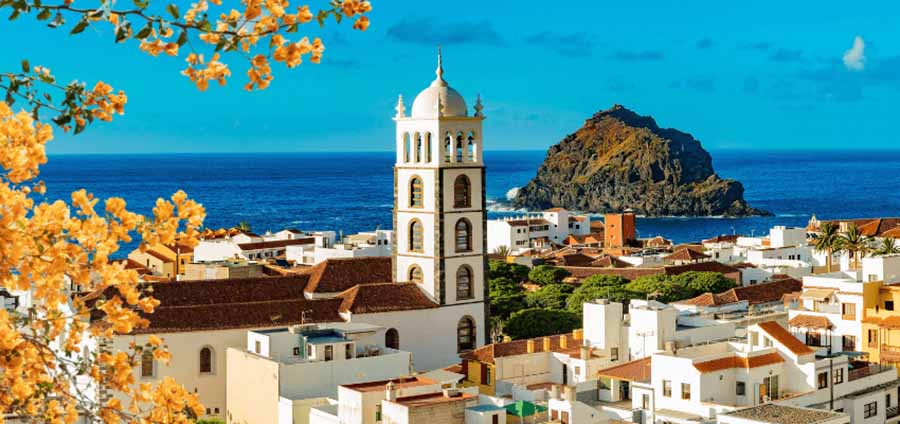
A striking quote from the Canarian poet Tomás Morales, from his 1919 collection Las Rosas de Hércules, reads: “Tenerife, isla de lava y cielo, donde el Teide guarda el latir de la tierra” (“Tenerife, island of lava and sky, where Teide holds the heartbeat of the earth”). This line captures the island’s dramatic volcanic landscape, dominated by Mount Teide, and reflects Morales’ deep reverence for Tenerife’s raw, elemental beauty and its cultural significance in the Canary Islands.
The 2019 Spanish TV series Hierro, while primarily set on El Hierro, references Tenerife’s vibrant Carnival of Santa Cruz, one of the largest in the world. A character remarks, “En Tenerife, el Carnaval es un grito de colores que despierta la isla entera” (“In Tenerife, the Carnival is a cry of colours that awakens the entire island”). This quote evokes the lively spirit of Tenerife’s capital, where the annual festival fills the streets with music, costumes, and energy, encapsulating the island’s joyous and festive cultural identity.
The region:
For travellers planning a summer holiday in 2026, Tenerife offers a captivating mix of stunning landscapes, rich culture, and inviting beaches. This Canary Island provides an engaging and relaxed experience, perfect for those seeking nature, history, and culinary delights.
Begin your journey in Santa Cruz, where the Auditorio de Tenerife, a striking modern landmark, offers guided tours of its wave-like architecture. Nearby, the Museum of Nature and Archaeology showcases Guanche mummies and insights into the island’s indigenous past. The Plaza de España, with its open square and lake, invites leisurely strolls.
Tenerife’s beaches are a highlight, with Playa de las Teresitas boasting golden sands and calm waters ideal for swimming. Families will enjoy Costa Adeje’s Playa Fañabé, with its gentle waves and nearby amenities. For a quieter retreat, Playa Benijo’s black sand and dramatic cliffs offer a serene escape, perfect for photography or relaxation.
Nature lovers can explore Teide National Park, home to Spain’s highest peak, Mount Teide. Hiking trails wind through volcanic landscapes, while a cable car ride provides breathtaking summit views. The park’s lunar-like terrain and stargazing opportunities make it a must-visit. For a coastal adventure, Los Cristianos offers whale-watching boat trips.
Food enthusiasts will savour Tenerife’s cuisine. Restaurants in Puerto de la Cruz, like Restaurante La Papaya, serve local dishes such as papas arrugadas with mojo sauce and fresh fish. Markets in Santa Cruz offer gofio, a traditional roasted flour, and local bananas. Wine tastings at bodegas in El Sauzal introduce Tenerife’s crisp whites and robust reds.
History abounds in La Laguna, a UNESCO World Heritage Site. Its colonial streets, lined with colourful mansions, lead to the Cathedral of San Cristóbal and the History Museum. The nearby Anaga Rural Park, with its lush laurel forests and rugged trails, offers hiking and cycling routes with ocean views.
Families will find Tenerife welcoming, with free attractions like García Sanabria Park and budget-friendly visits to the Palmetum, a botanical garden featuring global palm species. Loro Parque in Puerto de la Cruz, with its dolphins and parrots, delights younger visitors. Water sports, from snorkelling to jet-skiing, thrive along the southern coast.
Cultural exploration continues in La Orotava, where the Casa de los Balcones showcases traditional Canarian architecture and embroidery. Evening walks along Puerto de la Cruz’s waterfront, followed by dinner at a seaside restaurant, create a warm and inviting end to the day.
Tenerife in the summer of 2026 promises a blend of natural wonders, cultural heritage, and coastal charm. Whether hiking volcanic trails, lounging on sunlit beaches, or enjoying local wines, visitors will find this island a rewarding destination.
The visit:
Tenerife, the largest of Spain’s Canary Islands, is a vibrant destination known for its diverse landscapes, year-round sunshine, and rich cultural heritage. Often dubbed the “Hawaii of Europe” for its volcanic scenery and lush greenery, Tenerife attracts over seven million visitors annually, making it Spain’s most visited island. In 2026, visitors can expect a blend of natural wonders, cultural immersion, and lively festivities, alongside new developments addressing sustainability and overtourism
Natural Wonders and Outdoor Adventures
Tenerife’s diverse terrain, from volcanic peaks to lush forests and golden beaches, offers endless opportunities for exploration.
- Teide National Park: A UNESCO World Heritage Site, this park centers around Mount Teide, Spain’s highest peak (3,718m) and the world’s third-largest volcano. Hike the Montaña Blanca trail (11.6 miles, challenging, 6–8 hours) or take the cable car (€40 round trip, 8 minutes) to the summit for lunar-like landscapes and panoramic views. The park is a Starlight Reserve, ideal for stargazing tours (€50–80). Stay at Altavista Refuge (basic bunks, €25/night) or camp with a permit (free, book via park visitor center).
- Anaga Rural Park: A UNESCO Biosphere Reserve in the northeast, this park features one of the world’s last Laurisilva forests, with lush canopies, moss-covered trails, and rugged coastlines. Hike trails like Sendero de los Sentidos (1–3km, easy to moderate) for accessible viewpoints or Chinamada (5km, moderate) for cave houses. Guided tours (€30–50) highlight endemic flora and fauna.
- Los Gigantes Cliffs: Towering 800m above the sea on the west coast, these dramatic cliffs are best seen on whale-watching boat trips (€30–60, 2–3 hours) from Los Cristianos or Costa Adeje, where pilot whales and bottlenose dolphins are spotted year-round. Kayaking tours (€40) offer a closer view.
- Cueva del Viento: Europe’s largest lava tube system, formed 27,000 years ago, offers guided tours (€20, 2 hours) through volcanic tunnels with fossils and stalactites. Sturdy shoes are required. Book via Cueva del Viento Visitor Center.
- Beaches: Tenerife hosts 15 Blue Flag beaches. Playa de las Vistas (Los Cristianos) and Playa del Duque (Costa Adeje) offer golden sand, watersports, and sunbed rentals (€10–15/day). Playa de las Teresitas (north, near Santa Cruz) stretches 2km with imported Saharan sand, ideal for families. Mesa del Mar (north) is a hidden black-sand gem for solitude. : Scuba diving (€50–80/dive) in Costa Adeje reveals marine life like rays and turtles. Windsurfing and kitesurfing thrive at Playa El Médano (€30–50/lesson). Paragliding (€100) and rock climbing (€60–80) in Adeje cater to thrill-seekers.
Cultural and Historical Attractions
- Tenerife’s blend of Canarian, Spanish, and Latin American influences shines in its towns, festivals, and cuisine.
- Santa Cruz de Tenerife:
- The capital hosts the Auditorio de Tenerife, a modern architectural icon, and the Museum of Nature and Archaeology (€5), showcasing Guanche mummies. Stroll Mercado de Nuestra Señora de África for local produce and crafts.
- The Carnival of Santa Cruz (February 2026), the world’s second-largest after Rio, features vibrant parades, elaborate costumes, and the Carnival Queen Election. Expect street parties, live bands, and dancing until dawn. Tickets for key events via Ticketmaster Spain (€10–50).
- San Cristóbal de La Laguna: A UNESCO World Heritage Site, this colonial town offers cobbled streets, 18th-century mansions, and the Cathedral of La Laguna. Visit Casa de los Balcones (€5) in nearby La Orotava for historical architecture.
- Puerto de la Cruz: A northern gem with traditional Canarian charm, home to Jardín Botánico (€3), a tropical oasis, and Loro Parque (€40, zoo with orcas and penguins). Dine at Tasca El Olivo for tapas and local wines (€15–25).
- Pyramids of Güímar (€12), mysterious step pyramids possibly linked to Guanche culture, with ethnographic exhibits.
- Casa del Vino-La Baranda in El Sauzal (€5), a wine museum with tastings of Tenerife’s volcanic wines and a Casa de la Miel annex for honey exhibits.
Festivals:
- Semana Santa (April, La Laguna and La Orotava): Emotive Holy Week processions.
- Corpus Christi (June, La Orotava): Colorful sand art carpets in the town square.
- Virgin of Candelaria (August, Candelaria): Pilgrimages and processions for the Canary Islands’ patron saint.
- Gastronomy and Local Flavours
- Tenerife’s cuisine blends Canarian, Spanish, and Latin American influences, with a focus on fresh seafood, volcanic wines, and local produce.
Dishes:
- Papas arrugadas: Wrinkled potatoes with red or green mojo sauce (pepper or herb-based, €5–10).
- Ropa vieja: A meat and chickpea stew (€10–15).
- Conejo en salmorejo: Rabbit in a wine-garlic marinade (€12–20).
- Bienmesabe: An almond-egg dessert (€5–8).
Dining Spots:
- El Rincón de Juan Carlos (Los Cristianos), a Michelin-starred restaurant with tasting menus (€80–120).
- La Cueva (Puerto de la Cruz), a cave-setting eatery for tapas and seafood (€15–30).
- Mercado de La Recova (Santa Cruz) for fresh fish, cheeses, and wines (€5–15).
- Wine and Drinks: Tenerife’s volcanic terroir produces unique wines, especially from Tacoronte-Acentejo. Visit Casa del Vino for tastings (€5–10) or join vineyard tours (€20–40). Sip barraquito, a layered coffee with condensed milk and liqueur (€3–5).
- Vegan Options: Growing in 2026, with spots like Bio Bistro in Costa Adeje offering plant-based Canarian dishes (€10–20).
Southern Resorts:
- Playa de las Américas: Known for Veronica’s Strip, a nightlife hub with clubs like Tramps and Papagayo (€10–20 entry). Family-friendly with Siam Park, the world’s top-rated waterpark (€40, Thai-themed slides and wave pool).
- Costa Adeje: Upscale with beaches like Playa del Duque, luxury resorts like Gran Tacande Wellness (€150–300/night), and chic beach clubs like Kaluna (€20 cocktails).
- Los Cristianos: A quieter marina with waterfront dining and whale-watching tours.
Northern Resorts:
- Puerto de la Cruz: Traditional and laid-back, ideal for couples, with beachside bars and salsa nights at Azúcar (€5–10).
- Santa Cruz: Offers university-driven nightlife in La Laguna, with salsa and merengue clubs open past midnight.
- Shopping: Duty-free bargains (20–50% off alcohol and cigarettes) at Mercadona (Playa de las Américas) or Siam Mall (Costa Adeje) for brands like Mango and Pandora. The Alcala craft market (Mondays) sells local pearls and lava-stone jewelry.
Practical Information
- Climate: Subtropical, with 19–24°C in winter (January, driest month) and 28–32°C in summer (June–August). The south (Costa Adeje) is sunnier; the north (Puerto de la Cruz) is lusher and wetter (30–40mm rain in December). Pack layers for Teide’s cooler summit.
- Getting There: Tenerife South Airport (TFS) and Tenerife North Airport (TFN) serve flights from Ireland (4h15m–4h30m, €50–200) and Europe. Ferries from Gran Canaria or La Gomera cost €40–100 (1–3 hours).
- Getting Around: Rent a car (€30–50/day) for flexibility, as buses (TITSA, €1–5) connect major spots but miss remote areas. Taxis cost €20–40 for short trips.
- Currency and Language: Euro (€). Spanish is official; English is widely spoken in resorts. Basic Spanish (“hola,” “gracias”) helps in rural areas.
- Accommodation: Options range from luxury resorts like Cleopatra Palace Hotel (€150–300/night) to budget apartments in Los Cristianos (€50–100/night). Book early for February’s carnival or summer.
What’s New for 2026 in Tenerife
- Eco-Tasa (Tourist Tax) for Natural Areas: Starting January 1, 2026, Tenerife introduces an eco-tasa for tourists visiting protected areas like Teide National Park and Anaga Rural Park. The tax (estimated €1–3/day) funds conservation and infrastructure improvements. Residents are exempt. Visitors must budget for this fee, which supports Tenerife’s UNESCO sites but may increase costs for park visits. Check payment details at park entrances or accommodations.
Hotel Renovations and Reopenings:
Several iconic hotels are reopening after major upgrades:
- Cleopatra Palace Hotel (Costa Adeje, near El Camisón Beach) reopens with 400+ modernized rooms, family-friendly amenities, and enhanced pools (€150–250/night).
- Gran Hotel Taoro (Puerto de la Cruz), Spain’s first luxury hotel (1890), reopens in April with 199 rooms blending historic charm and contemporary luxury (€200–350/night).
- Hotel Parque San Antonio (Puerto de la Cruz) marks its 60th anniversary with refurbished spaces (winter 2026, €100–200/night).
- Hotel Occidental Santa Cruz Contemporáneo (Santa Cruz) completes a full refurbishment by summer, with upgraded rooms and dining (€80–150/night). These reopenings elevate Tenerife’s luxury and family-friendly offerings, appealing to high-spending visitors amid the island’s push for quality tourism. Book early for peak seasons.
- Michelin-Star Dining Expansion: Tenerife now hosts 10 Michelin stars across eight restaurants, with new additions in 2026. The island’s culinary scene emphasizes local ingredients like volcanic wines, fresh seafood, and papas arrugadas. Notable spots include El Rincón de Juan Carlos and Nub (Costa Adeje), offering tasting menus (€80–150). Foodies can explore Tenerife’s evolving gastronomy, with more vegan and organic options, enhancing its reputation as a culinary destination. Reservations are recommended.
- Sustainable Tourism Initiatives: Tenerife’s Biosphere certification drives eco-conscious travel in 2026. New offerings include:
- Eco-tours for hiking Teide or dolphin-watching near La Gomera (€40–80), supporting local conservation.
- Electric car rentals (€40–60/day) to explore coastal routes and forests with lower emissions.
- Sustainable packages via agencies like Feel Tenerife, combining cultural visits and eco-friendly lodging (€100–200/day). These initiatives align with Tenerife’s response to overtourism protests (e.g., 2024 graffiti urging tourists to “go home”), offering low-impact ways to enjoy the island while supporting communities.
- Restrictions in Anaga Rural Park: From January 2026, tourist buses are banned from Anaga Rural Park to protect its fragile ecosystem. Visitors must use private cars, bikes, or guided hiking tours (€30–50) to access trails. This limits group tours, encouraging smaller, sustainable visits but requiring advance planning for transport.
- New Tourist Attractions in the North: Tenerife is developing attractions in lesser-visited northern areas like Buenavista del Norte and El Sauzal, such as new hiking trails, cultural centers, or wine-tasting venues, to distribute tourism evenly. These efforts reduce pressure on southern resorts, offering authentic experiences in quieter regions. Check with Tenerife Tourism for updates.
- EU Entry/Exit System (EES) and ETIAS: From mid-2026, non-EU visitors face EES: An automated system logging biometric data (fingerprints, facial images) at borders, replacing manual passport stamps for faster processing and ETIAS: A €7 visa waiver (valid 3 years, free for under-18s/over-70s), required six months after EES launch for stays up to 90 days. Apply online in advance. Non-EU travellers must prepare ETIAS applications and expect biometric checks at Tenerife South Airport, potentially causing initial delays. Carry proof of accommodation and funds.
- New Flight Routes: Airlines like United and Delta add U.S.–Tenerife routes, while Air Europa strengthens connectivity, supporting Tenerife’s push for North American tourists. New budget routes and flights to India, the Dominican Republic, and Argentina enhance global access. Increased flights make Tenerife more accessible, but higher demand may raise fares (€100–300). Book early for deals.
- Carnival 2026 Highlights: The Santa Cruz Carnival (February 8–March 16, 2026) features the Grand Parade and Carnival Queen Election, with elaborate floats and costumes. Expect larger crowds and new themed events, as Tenerife leverages its carnival to rival Gran Canaria’s. Visitors can immerse in one of the world’s top festivals, but accommodations in Santa Cruz (€100–250/night) book up fast. Secure tickets via Entradas.com.
- Proposed Golf Course Development: A new golf course is planned in northern Tenerife, designed to promote sustainable, high-value tourism. It aims to attract luxury travellers while minimizing environmental impact. Golfers may enjoy new facilities by late 2026, enhancing the north’s appeal. Confirm progress with Tenerife Tourism.
Practical Tips for Visitors
- Duration: Spend 7–10 days to explore Teide, Anaga, southern beaches, and Santa Cruz. A 4–5-day trip covers highlights like Siam Park and Puerto de la Cruz.
- Accommodation: Book early for carnival (February) or summer (June–August). Budget options in Los Cristianos (€50–100/night); luxury at Gran Hotel Taoro or Cleopatra Palace (€150–350/night). Villas in Costa Adeje suit families (€100–200/night).
- Dining: Meals cost €10–30/person; tapas bars offer budget bites (€5–15). Tipping is optional (10%). Try mojo sauces at local markets.
- Tours: Book whale-watching, Teide hikes, or Cueva del Viento tours in advance (€20–80). Combo tickets for Loro Parque and Siam Park save costs (€70).
- Budget-Friendly: Visit in March, April, October, or November (excluding Easter) for lower prices and fewer crowds. Free attractions include La Laguna’s streets and Anaga’s viewpoints.
- Safety: Tenerife is safe, with low crime rates. Stay vigilant in crowded markets or carnival events. Teide’s high altitude requires acclimatization; check weather for storms.
- ETIAS and Documentation: Non-EU visitors need ETIAS (€7) and biometric registration (EES) from mid-2026. Carry valid passports and accommodation proof.
- Overtourism Awareness: Respect local concerns about housing and crowds. Avoid restricted areas in Anaga and support eco-tours to minimize impact.
In 2026, Tenerife offers a dynamic mix of volcanic adventures at Teide National Park, cultural immersion in Santa Cruz’s Carnival, and relaxation on Playa de las Vistas. Visitors can hike Anaga’s laurel forests, dine at Michelin-starred restaurants, or dance to salsa in La Laguna, all under a subtropical sun (19–32°C). New for 2026, an eco-tasa funds conservation, renovated hotels like Gran Hotel Taoro elevate stays, and sustainable tours promote eco-conscious travel. With EES/ETIAS requirements and increased flight routes, planning ahead is key. By respecting local regulations and exploring northern gems like Buenavista del Norte, travellers can enjoy Tenerife’s vibrant beauty while supporting its sustainable future.
Off the beaten path
Tenerife, the largest of Spain’s Canary Islands, is renowned for its iconic attractions like Mount Teide, Siam Park, and the vibrant Carnival of Santa Cruz. However, beyond these well-trodden sites, the island hides a wealth of lesser-known locations and attractions that offer authentic, uncrowded experiences. These off-the-beaten-track spots showcase Tenerife’s diverse landscapes, from hidden beaches and ancient forests to charming villages and historical sites, perfect for travellers seeking solitude and discovery in 2026.
Masca Village and Masca Gorge: Northwest Tenerife,
- Teno Rural Park, 40km from Costa Adeje. Masca, a picturesque hamlet perched at 600m in the Teno Mountains, is one of Tenerife’s most secluded villages, surrounded by dramatic cliffs and lush ravines. The Masca Gorge hike, often overshadowed by Teide’s trails, offers a thrilling adventure through a volcanic canyon to a hidden beach.
- Wander Masca’s narrow streets, lined with stone houses and palm trees, and visit the tiny Church of the Immaculate Conception (18th-century) for panoramic views of the Teno massif.
- Hike the Masca Gorge trail (8km round trip, challenging, 3–5 hours), descending through a lush ravine with waterfalls, caves, and endemic plants like Euphorbia canariensis. The trail ends at a secluded black-sand beach, accessible only by foot or boat.
- Take a boat return from the beach to Los Gigantes (€15–20, book via local operators like Teno Activo) to avoid the steep uphill climb, spotting dolphins en route.
- Dine at Bar Restaurante La Fuente, a family-run spot serving papas arrugadas with mojo and conejo en salmorejo (rabbit stew) with valley views (€10–20). Masca’s remote, almost Shangri-La-like setting and the gorge’s rugged beauty offer an adventurous escape, far from the southern resort crowds. A car is essential to navigate the winding TF-436 road (hairpin turns, drive cautiously). The gorge hike requires a free permit (book via Tenerife Tourism) due to limited daily visitors (50). Wear sturdy hiking shoes, bring water, and check weather for flash flood risks. Visit in spring or autumn (20–25°C) for mild conditions. Guided hikes (€40–60) are available for safety.
Playa de Benijo and Anaga’s Hidden Coves:
- Northeast Tenerife, Anaga Rural Park, 20km from Santa Cruz. Playa de Benijo, a wild black-sand beach in the Anaga Biosphere Reserve, is one of Tenerife’s most secluded northern shores, overshadowed by Playa de las Teresitas. Nearby hidden coves like Playa de Almáciga and Roque de las Bodegas offer a raw, untamed coastal experience.
- Relax on Playa de Benijo, framed by volcanic rocks and the Roques de Anaga sea stacks, ideal for surfing (small waves) or sunset photography. The beach has minimal facilities, ensuring tranquility.
- Hike the Sendero de Benijo a Almáciga (3km one way, moderate, 1–1.5 hours) along the Anaga coast, connecting Benijo to Playa de Almáciga, a quieter black-pebble beach with local surfers, and Roque de las Bodegas, a cove with fishing boats and tide pools.
- Dine at El Frontón in Benijo, a rustic restaurant serving fresh fish like vieja (parrotfish) and mojo verde with sea views (€15–25).
- Explore nearby Taganana, a small village with whitewashed houses and a 16th-century church, offering a glimpse into rural Canarian life. The Anaga coast’s wild, windswept beauty and lack of resort development provide a stark contrast to Tenerife’s southern beaches, blending adventure with local charm. A car is needed to reach Benijo via the TF-12 road (narrow, winding). Bus 946 from Santa Cruz is infrequent. Bring water shoes for rocky beaches and a jacket for Anaga’s cooler microclimate (15–20°C). Visit at low tide for wider beach access and in spring for lush greenery. Parking is limited, so arrive early.
Chinamada Cave Houses:
- Northeast Tenerife, Anaga Rural Park, near Cruz del Carmen. Chinamada, a remote hamlet in the Anaga mountains, is home to ancient cave houses carved into volcanic rock, inhabited since Guanche times and still occupied by a handful of residents. This hidden cultural gem, less visited than Anaga’s main trails, offers a unique glimpse into Tenerife’s pre-Hispanic past.
- Hike the Chinamada trail (4km round trip, easy to moderate, 1–2 hours) from Cruz del Carmen, passing laurel forests and terraced fields to reach the cave houses, some with modern doors and windows.
- Visit the Mirador de Aguaide, a nearby viewpoint with sweeping views of Anaga’s peaks and the Atlantic, perfect for photography.
- Explore the hamlet’s small ethnographical display (free, sporadic hours) explaining Guanche cave-dwelling traditions and modern adaptations.
- Dine at La Cueva de Chinamada, a cave restaurant serving ropa vieja (meat stew) and local wines with mountain views (€10–20). Chinamada’s living cave houses and pristine Anaga setting offer a rare blend of cultural heritage and natural beauty, far from Tenerife’s tourist hubs. A car is recommended to reach Cruz del Carmen (bus 76 from La Laguna is limited). Wear sturdy shoes for uneven trails and bring a flashlight for cave exploration. Visit in autumn or spring (15–25°C) for clear skies. Respect residents’ privacy, as caves are private homes. From January 2026, tourist buses are banned in Anaga, so plan private transport.
El Sauzal and Casa del Vino:
- North Tenerife, 15km west of La Laguna. El Sauzal, a charming northern town, is home to the Casa del Vino-La Baranda, a lesser-known wine museum and tasting centre celebrating Tenerife’s volcanic viticulture. Often bypassed for Puerto de la Cruz, this area offers a tranquil cultural escape.
- Explore the Casa del Vino, a 17th-century hacienda with exhibits on Tenerife’s wine history, a tasting room for Tacoronte-Acentejo reds and whites (€5–10), and a Casa de la Miel annex showcasing Canarian honeys (€3). The on-site restaurant serves papas arrugadas and goat stew (€15–25).
- Wander El Sauzal’s Plaza del Príncipe, a quiet square with the Church of San Pedro Apóstol (16th-century) and sea views from the nearby Mirador de la Garañona.
- Hike the Sendero de la Costa (5km, easy, 1.5–2 hours), a coastal trail from El Sauzal to Mesa del Mar, passing black-sand coves and banana plantations.
- Visit the Mercado del Agricultor (Sundays, 8:00 AM–1:00 PM) for local cheeses, mojo sauces, and volcanic wines (€5–10). El Sauzal’s authentic northern vibe and the Casa del Vino’s focus on Tenerife’s wine heritage provide a cultural, low-key alternative to southern resorts. A car is ideal (bus 101 from Santa Cruz serves El Sauzal). Visit the museum in the morning for quieter tastings. Spring or autumn (20–25°C) are ideal for hiking and market visits. Combine with nearby Bodega Monje for additional wine tours (€15–25).
Punta de Teno:
- Northwest Tenerife, Teno Rural Park, 50km from Costa Adeje. Punta de Teno, Tenerife’s westernmost point, is a remote coastal headland with a historic lighthouse, volcanic beaches, and dramatic cliffs, often overlooked for Los Gigantes. Its restricted access (no tourist buses) keeps it serene.
- Visit the Faro de Teno, a 19th-century lighthouse with views of Los Gigantes cliffs and La Gomera on clear days. The surrounding black-sand coves, like Playa de Teno, are ideal for swimming or snorkeling.
- Hike the Punta de Teno trail (3km round trip, easy, 1 hour) from the parking area, passing lava fields and endemic cacti, with chances to spot dolphins offshore.
- Explore the nearby Teno Alto hamlet, a traditional village with stone houses and goat herders, accessible via a 5km hike (moderate) from Punta de Teno.
- Dine at Restaurante El Burgado in nearby Buenavista del Norte, serving fresh fish and barraquito coffee (€15–25). Punta de Teno’s isolated, windswept beauty and restricted access offer a pristine, crowd-free coastal experience, contrasting with Tenerife’s busier west coast. Private cars are allowed (bus 369 from Buenavista stops 5km away), but access is restricted during peak hours (10:00 AM–5:00 PM in summer) to reduce congestion. Park early or cycle in (bike rentals €15/day). Bring water and sunscreen, as facilities are minimal. Visit in winter or spring (19–24°C) for calm seas. Check road closures with Tenerife Tourism.
Vilaflor and Paisaje Lunar:
- South-central Tenerife, 20km south of Teide National Park. Vilaflor, Tenerife’s highest village at 1,400m, is a quiet base for exploring the Paisaje Lunar, a surreal volcanic landscape of white pumice formations resembling a moonscape. Less visited than Teide’s main trails, it’s a hidden gem for hikers.
- Hike the Paisaje Lunar trail (12km round trip, moderate to challenging, 4–5 hours) from Vilaflor, passing pine forests and the Corona Forestal to reach the bizarre, eroded rock formations. The trail offers views of Teide and Gran Canaria on clear days.
- Visit Vilaflor’s Plaza de San Pedro, a charming square with the Church of San Pedro Apóstol (16th-century) and local cafés serving bienmesabe (almond dessert, €5–8).
- Explore the Pino Gordo, a 700-year-old Canary pine near Vilaflor, one of Tenerife’s oldest trees, reachable via a short walk (1km, easy).
- Dine at Casa Pana, a rustic restaurant in Vilaflor, serving puchero canario (vegetable stew) and local wines (€10–20). The Paisaje Lunar’s otherworldly terrain and Vilaflor’s tranquil, high-altitude setting provide a unique, off-grid adventure, distinct from Teide’s busier routes. A car is needed (bus 482 from Los Cristianos is infrequent). Wear hiking boots and bring layers for cooler altitudes (10–20°C). A free permit is required for the Paisaje Lunar trail (book via Teide National Park). Visit in spring for wildflowers or autumn for clear skies. The 2026 eco-tasa (€1–3) may apply; check at trail entry.
Icod de los Vinos and Drago Milenario:
- North Tenerife, 50km west of Santa Cruz. Icod de los Vinos, a historic northern town, is home to the Drago Milenario, a 1,000-year-old dragon tree, and lesser-known attractions like the Mariposario del Drago butterfly garden. Often bypassed for Puerto de la Cruz, it offers a cultural and natural retreat.:
- Admire the Drago Milenario, Tenerife’s oldest dragon tree, in a small park (€5 entry) with views of Teide. The adjacent Plaza Andrés de Lorenzo Cáceres has a 16th-century church and local cafés.
- Visit the Mariposario del Drago, a tropical butterfly garden with over 800 species, including rare South American morphos (€8.50, open 10:00 AM–6:00 PM).
- Explore the Cueva de San Marcos, a small Guanche cave near Icod’s coast, used for worship, with free access via a short walk (1km, easy).
- Dine at Tasca La Parra, a cozy spot serving carne fiesta (marinated pork) and barraquito coffee (€10–20). Icod’s blend of ancient natural wonders, like the dragon tree, and cultural attractions, like the butterfly garden, offers a low-key, historical escape in Tenerife’s lush north. A car is recommended (bus 460 from Puerto de la Cruz is available). Visit the Drago park early to avoid small tour groups. Spring or autumn (20–25°C) are ideal for exploring. Combine with nearby Garachico, a volcanic town with natural pools.
Practical Tips for Offbeat Exploration
- Transportation: A rental car (€30–50/day) is essential for most locations, as public buses (TITSA, €1–5) are limited outside resorts. Roads in Anaga and Teno are narrow; drive cautiously. Boats or permits are needed for Masca Gorge and Paisaje Lunar.
- Timing: Spring (March–May) and autumn (September–November) offer mild weather (20–25°C) and fewer crowds. Winter (19–24°C) is ideal for hiking, while summer (28–32°C) suits beach visits but can be busy. Check weather for Anaga’s fog or Masca’s floods.
- Language: Spanish is official; English is common in resorts but limited in villages like Vilaflor or Chinamada. Basic Spanish (“hola,” “gracias,” “dónde está…”) or a translation app helps.
- Accommodation: Stay in casas rurales in Vilaflor or El Sauzal (€50–100/night) for a local vibe, or budget apartments in Puerto de la Cruz (€40–80/night) for northern access. Book early for carnival (February) or summer.
- Guides and Tours: Book Masca Gorge permits or guided hikes (Anaga, Paisaje Lunar) via Tenerife Tourism or operators like El Cardón (€30–60). Check cave or lighthouse access with local offices, as hours vary.
- Sustainability: Follow 2026 eco-tasa rules (€1–3 for parks) and stick to marked trails in Anaga or Teno to protect ecosystems. Avoid littering in coves like Benijo or Punta de Teno. Support local restaurants and markets to ease overtourism tensions.
- Dining: Village restaurants offer affordable meals (€10–25/person), often with papas arrugadas or mojo. Bring cash for small eateries like La Cueva de Chinamada, as cards may not be accepted. Pack snacks for remote hikes or beaches.
These offbeat locations reveal Tenerife’s unfiltered beauty, from the lush Masca Gorge to the ancient cave houses of Chinamada and the lunar-like Paisaje Lunar. They offer a chance to connect with the island’s volcanic landscapes, Guanche heritage, and authentic northern villages, far from the crowded southern resorts. Whether hiking to a secluded beach, sipping volcanic wine in El Sauzal, or marveling at a 1,000-year-old dragon tree, these hidden spots promise a deeper, more personal experience of Tenerife in 2026, showcasing its wild heart beyond the tourist trail.
Spain region by region
Almería – Andalusia – Aragón – Asturias – Basque Country – Cádiz – Cantabria – Catalonia – Córdoba – Extremadura – Fuerteventura – Galicia – Gran Canaria – Granada – Huelva – Ibiza – Jaén – La Mancha – La Rioja – Lanzarote – León – Madrid – Majorca – Málaga – Menorca – Murcia – Navarra – Seville – Tenerife – Valencia –