Aviation’s progress towards net zero by 2050 is being delayed by insufficient sustainable aviation fuel (SAF) supply. Announced renewable fuel projects total capacity for 55m tonnes by 2030, with 29pc operating, 12pc under construction and 59pc merely announced. HEFA technology using used cooking oil dominates at 84pc, while emerging technologies lag. Global SAF production reaches less than 1pc of jet fuel consumption in 2026, with estimates of 20m tonnes possible under optimal conditions.
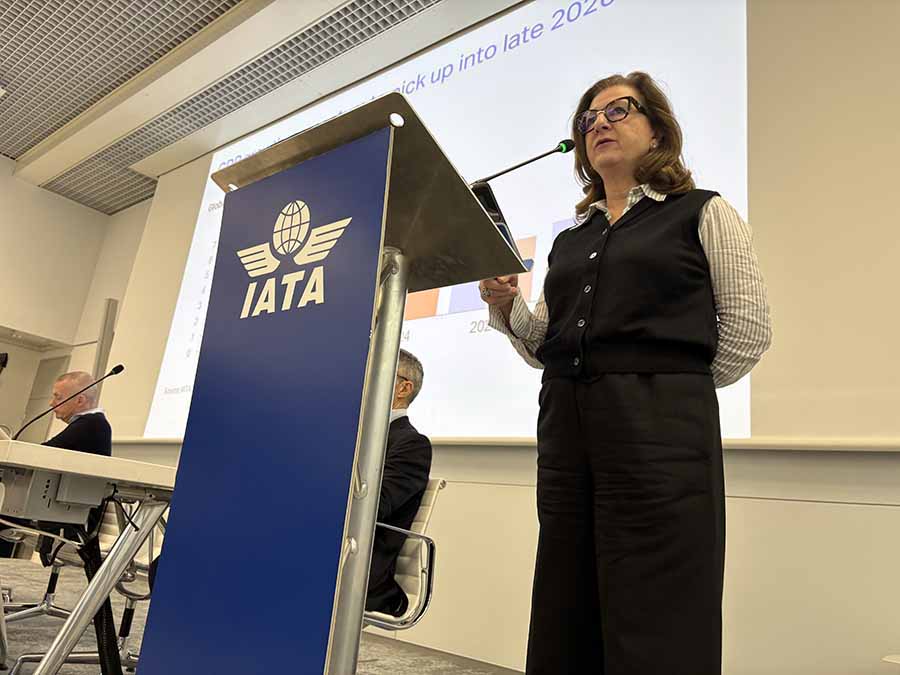
Marie Owens Thomsen told the annual IATA Global Media Day in Geneva that investment flows favour sectors like artificial intelligence, attracting €200bn in one year, while SAF projects offer returns around 5pc compared to 20pc for fossil fuels. EU and UK mandates raise jet fuel prices through compliance fees without increasing production, diverting funds equivalent to 2.4m tonnes of additional SAF. eSAF mandates risk similar outcomes, requiring all announced projects to start in 2026 for compliance, with high non-compliance costs projected.
Fossil jet fuel markets show structural changes, with crack spreads €9 higher per barrel on average post-COVID, limiting airline benefits from Brent price drops. Refinery output constraints position jet fuel as a minor product at 9pc, vulnerable to demand shifts in larger outputs like diesel. Future refinery closures in Europe and US, alongside new builds in Asia, increase import reliance and potential supply risks at airports due to infrastructure ownership.
CORSIA carbon credits face acute shortages, with demand at 200m units by end-2026 against supply of 15-16m. Misunderstandings position CORSIA against Paris Agreement nationally determined contributions, despite mutual reinforcement potential. Coordination gaps between UN bodies hinder supply growth.
Key takeaways from the event include SAF supply bottlenecks from low returns and policy distortions; mandates failing to boost production while raising costs; refinery dynamics threatening fossil fuel access; CORSIA shortages requiring better alignment; and calls for policy corrections, oil company participation and multilateral cooperation to enable transition.
Marie Owens Thomsen shared: “SAF has a 15pcage point profit margin handicap versus fossil fuels. The result of all of this is like just higher price for jet uh no uh certified uh real CO2 emissions reductions. It’s outrageous to pay such a high price for such a small reduction in CO2 emissions.”