Aviation operates within a framework of regulations and fiscal policies that influence connectivity and competitiveness. Airlines seek expansion through increased routes and frequencies, supporting 86m jobs and contributing over €3.41 trillion to global GDP. Barriers arise from consumer protection rules and taxation measures implemented by governments.
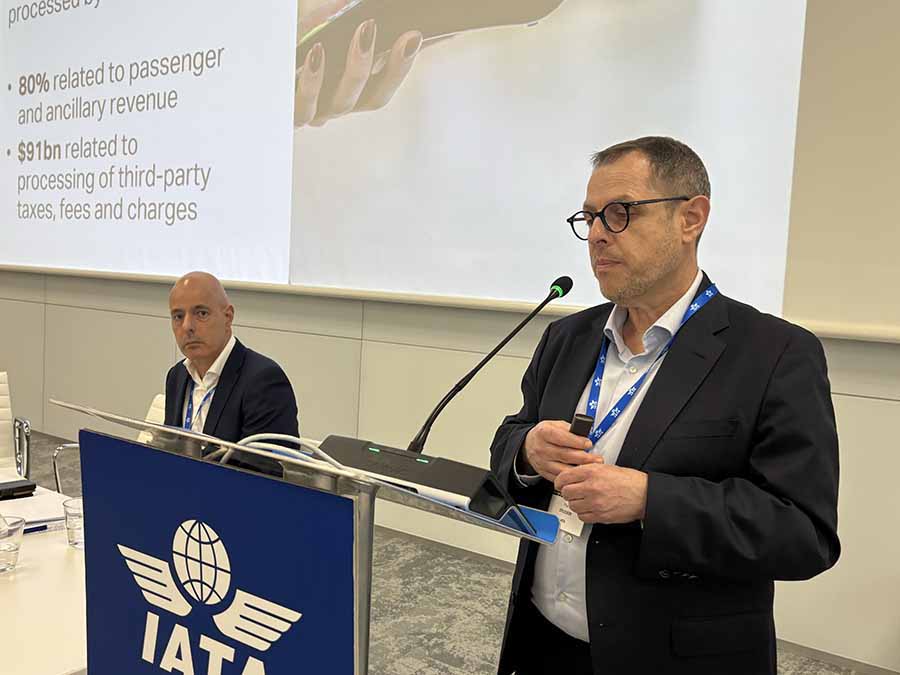
Thomas Reynart told the annual IATA Global Media Day in Geneva that consumer regulations require proportionality, harmonisation and alignment with ICAO core principles agreed by 193 member states. These principles balance passenger protection with airline operational flexibility and commercial choice. Passenger surveys across 15 markets show priorities as safety, affordability, sustainability and reduced delays, with 97pc satisfaction on recent flights and 72pc confidence in fair treatment during disruptions. Only 30pc of passengers express willingness to pay extra for additional cabin bags, indicating preference for choice in fare structures.
EU261 regulation in Europe triggers compensation for delays often outside airline control, such as air traffic control issues, where delays have doubled over ten years despite flight growth of less than 7pc. Revision proposals from the European Commission offer balance, supported by the Council position, but Parliament amendments extend liabilities without impact assessments. Contrasts appear in the US withdrawal of compensation rules and Brazil proposals for mandatory free cabin bags alongside re-regulation that raises costs. Regulations should create incentives focused on passenger priorities like affordability and punctuality.
Passenger taxes worldwide reached an estimated €51.45bn in 2024, equivalent to €25.58 per round-trip ticket or 7-12pc of costs, reducing demand and economic benefits from connectivity. Increases occur in Netherlands and Belgium from 2027, while Germany maintains flat rates and Sweden abolishes its tax to aid post-COVID recovery. Developing nations including Kenya, Gabon, Djibouti, Argentina and Mexico impose such levies. Surveys indicate 81pc view taxes on flying as excessive, 78pc and 72pc consider targeting frequent or premium flyers unfair, and 76pc agree taxation fails to enhance sustainability. Corporate taxation faces challenges to Chicago Convention principles avoiding double taxation.
Key takeaways from the event include the need for proportionate consumer rules aligned with global standards and passenger expectations; criticism of EU261 for failing to incentivise controllable factors amid ATC inefficiencies; opposition to taxes as counterproductive to affordability and connectivity; and calls for incentives over punitive measures to support growth.
Thomas Reynart shared: “We’re not against consumer regulation but we need regulators that are more realistic. Passenger taxes are unpopular and counterproductive. Competition is making flying more affordable”