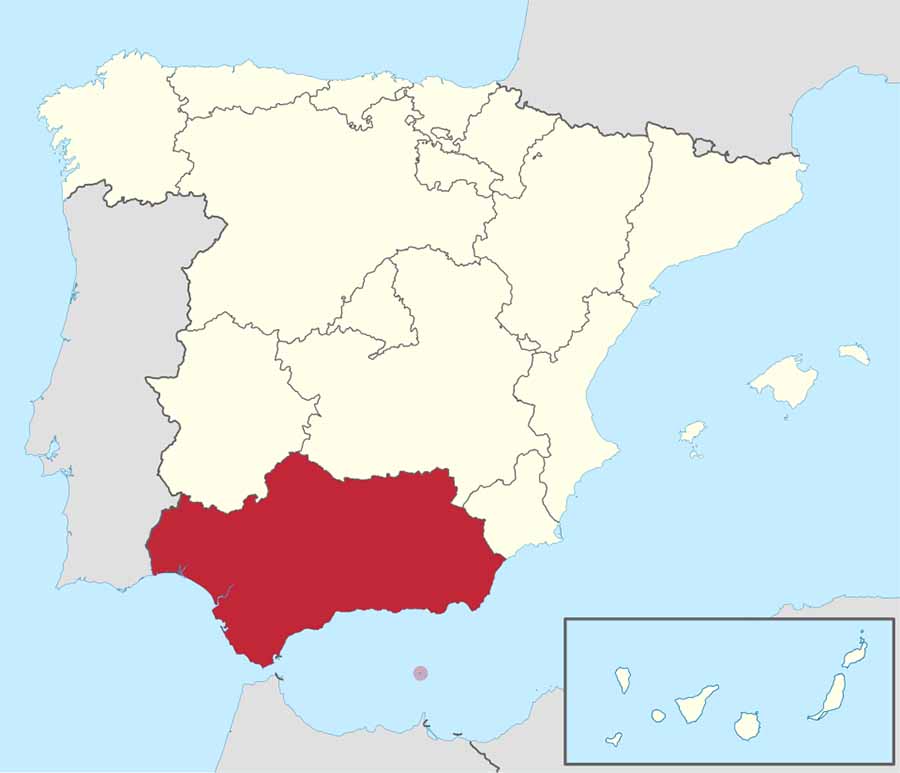
Andalusia, the sun-soaked region of southern Spain, invites travellers to discover its rich landscapes and cultural heritage through sustainable practices. From rolling olive groves to rugged mountains and golden beaches, this region offers a range of eco-conscious travel options that prioritise environmental care and support local communities.
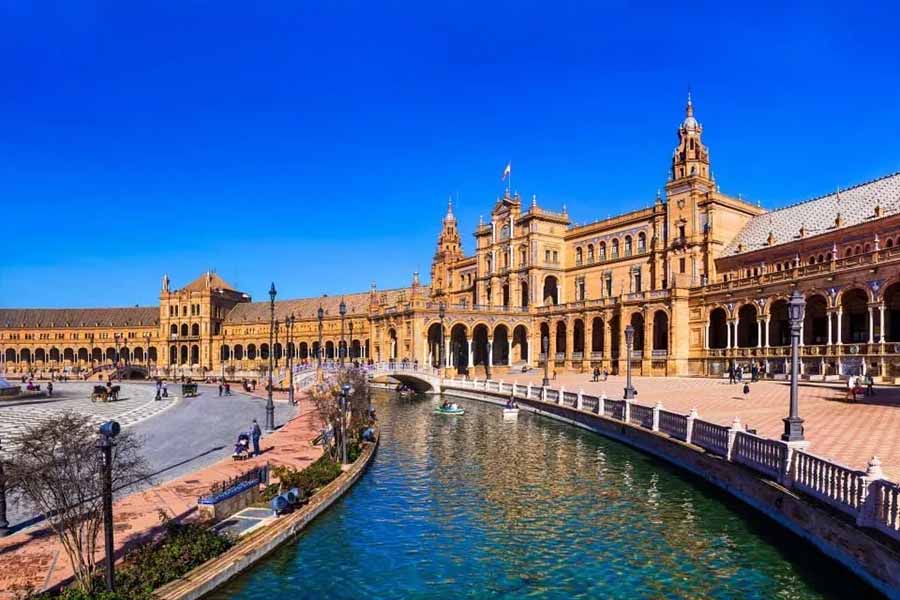
Accommodations in Andalusia cater to green-minded visitors. Rural retreats in areas like the Sierra Nevada use renewable energy sources, such as solar power, and incorporate water-saving systems. Many hotels in cities like Seville and Granada hold eco-certifications, focusing on energy efficiency and waste reduction to ensure a low environmental footprint. These options provide comfort while aligning with sustainable principles.
The region’s natural spaces encourage responsible exploration. The Doñana National Park, a UNESCO World Heritage Site, offers guided walking and cycling tours that respect its delicate ecosystems. Visitors can observe wildlife, including flamingos and lynxes, through low-impact activities like birdwatching. Coastal areas, such as the Costa del Sol, promote snorkelling and kayaking with operators committed to preserving marine habitats.
Sustainable transport is a key feature of Andalusia’s tourism. Cities like Málaga and Córdoba boast extensive bike-sharing networks, allowing travellers to explore urban areas without relying on cars. Electric and hybrid buses connect major towns, reducing emissions for those visiting multiple destinations. Train networks, such as the high-speed AVE, offer an energy-efficient way to travel between cities like Seville and Cádiz.
Andalusia’s culinary scene embraces sustainability. Restaurants across the region source organic ingredients from local farms, with markets in places like Ronda offering fresh, seasonal produce. Visitors can enjoy farm-to-table dining or join eco-friendly food tours that showcase traditional dishes while supporting small-scale producers. Wineries in Jerez, known for sherry production, often follow organic and biodynamic practices, providing tours that focus on sustainable viticulture.
Community initiatives enrich the travel experience. In rural areas like the Alpujarras, travellers can participate in workshops on organic farming or traditional crafts, fostering a connection with local traditions. Beach clean-up activities along the Costa de la Luz engage visitors in efforts to protect Andalusia’s coastline, promoting a sense of shared responsibility.
Andalusia blends natural beauty, cultural depth, and sustainable practices. By choosing eco-friendly accommodations, low-impact activities, and local businesses, travellers can enjoy the region’s offerings while contributing to its preservation.
Spain region by region
Almería – Andalusia – Aragón – Asturias – Basque Country – Cádiz – Cantabria – Catalonia – Córdoba – Extremadura – Fuerteventura – Galicia – Gran Canaria – Granada – Huelva – Ibiza – Jaén – La Mancha – La Rioja – Lanzarote – León – Madrid – Majorca – Málaga – Menorca – Murcia – Navarra – Seville – Tenerife – Valencia –