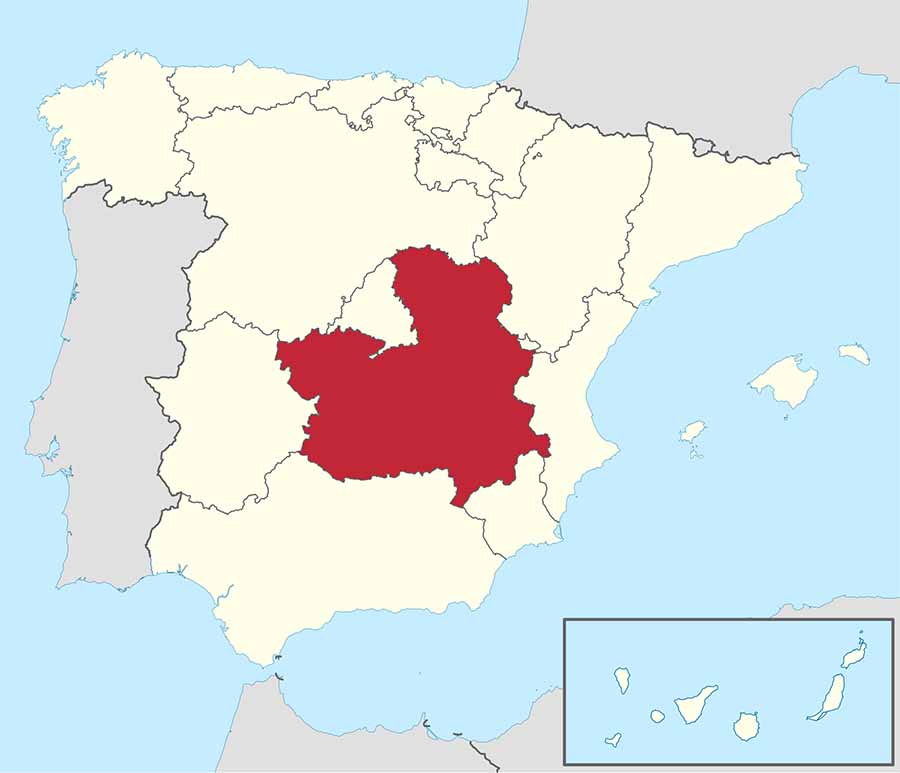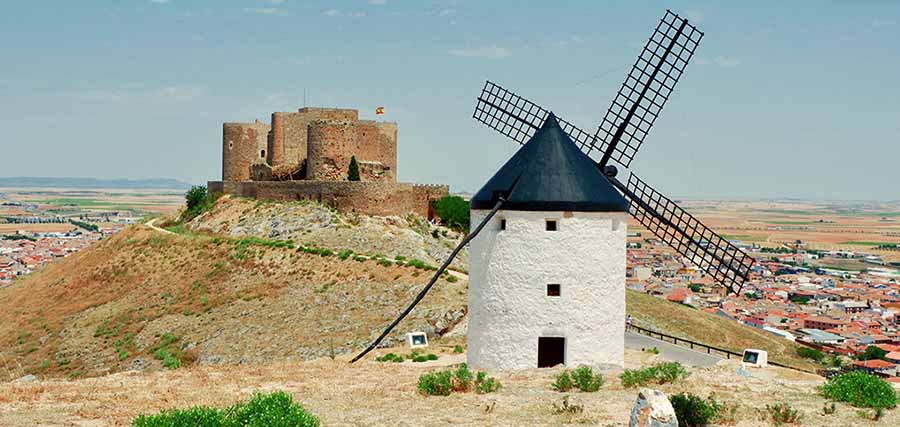
La Mancha, a region in central Spain, offers travellers a chance to explore its landscapes and culture while prioritising sustainability. Known for its windmills and vast plains, this area provides eco-conscious visitors with opportunities to engage with the environment responsibly.
La Mancha’s sustainable tourism scene is growing, with initiatives that balance visitor enjoyment with environmental care. Whether cycling through its plains, staying in an eco-lodge, or learning about renewable energy, travellers can experience the region’s charm while supporting its green future.
Dining sustainably is easy in La Mancha, with many restaurants offering farm-to-table menus. Dishes featuring local manchego cheese or regional wines reflect the area’s culinary traditions while keeping food miles low. Markets in towns like Campo de Criptana allow visitors to purchase directly from producers, fostering a connection to the land.
Cycling tours are a popular way to discover La Mancha’s countryside. Guided routes wind through olive groves and vineyards, allowing travellers to appreciate the region’s beauty without relying on carbon-heavy transport. Many operators, such as local outfit Bike Spain, focus on small groups and use eco-friendly practices, ensuring minimal impact on the surroundings.
For those seeking sustainable accommodation, La Mancha has options that blend comfort with environmental care. Eco-lodges and rural guesthouses, like those certified by the European Charter for Sustainable Tourism, incorporate solar energy and water-saving systems. These establishments often source food locally, supporting farmers and reducing transport emissions. A stay at a converted farmhouse, such as those found near Toledo, combines rustic charm with modern green technology, including solar panels and rainwater harvesting.
Organic farming experiences allow visitors to connect with La Mancha’s agricultural heritage. Travellers can volunteer on organic vineyards or olive farms through programmes like World Wide Opportunities on Organic Farms (WWOOF). These hands-on activities offer insights into sustainable agriculture while contributing to the local economy.
La Mancha’s commitment to renewable energy is evident in its wind farms, which dot the hillsides and supply clean power. Visitors can join educational tours to learn about wind energy production and its role in the region’s sustainability efforts. These tours, offered by local cooperatives, provide a glimpse into Spain’s position as a major producer of wind power.
Public transport options, such as the high-speed AVE train, make accessing La Mancha straightforward and eco-friendly. The region’s train network connects cities like Alcázar de San Juan and Ciudad Real, encouraging travellers to avoid car travel. Bike hire schemes in these towns further support low-carbon exploration.
Wildlife conservation projects offer another avenue for sustainable tourism. The wetlands of Las Tablas de Daimiel National Park, a UNESCO Biosphere Reserve, provide opportunities for birdwatching and guided walks. Local guides share knowledge about the park’s ecosystems, promoting respect for its delicate habitats.
La Mancha’s cultural heritage is also accessible through sustainable means. Walking tours in historic towns like Almagro focus on local traditions and use minimal resources. These tours, often led by community members, support small businesses and preserve the region’s identity.
Spain region by region
Almería – Andalusia – Aragón – Asturias – Basque Country – Cádiz – Cantabria – Catalonia – Córdoba – Extremadura – Fuerteventura – Galicia – Gran Canaria – Granada – Huelva – Ibiza – Jaén – La Mancha – La Rioja – Lanzarote – León – Madrid – Majorca – Málaga – Menorca – Murcia – Navarra – Seville – Tenerife – Valencia –