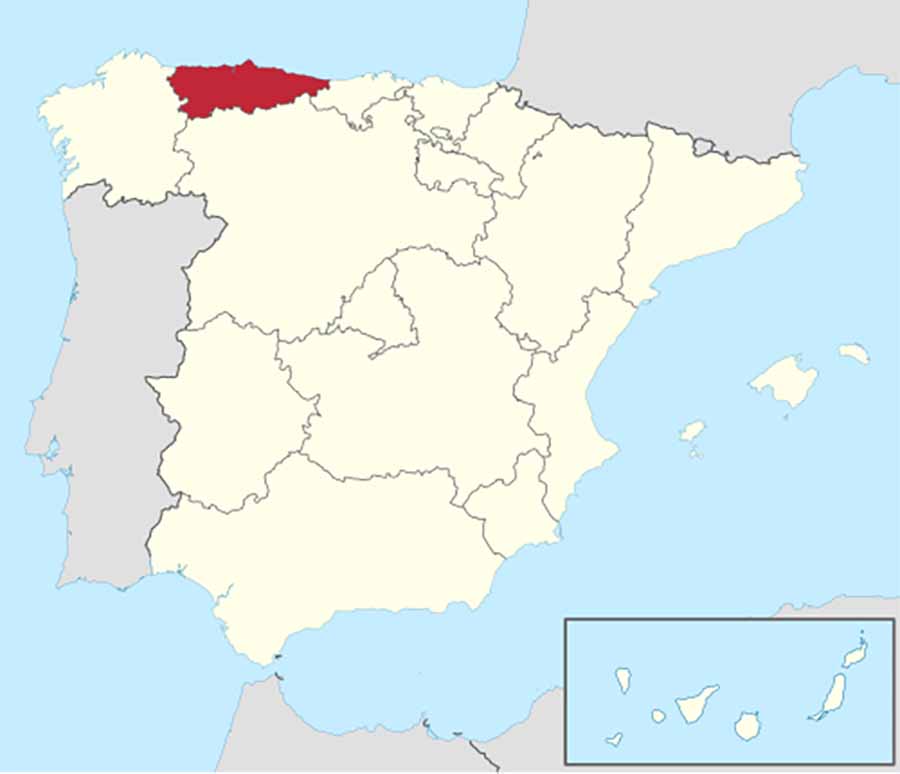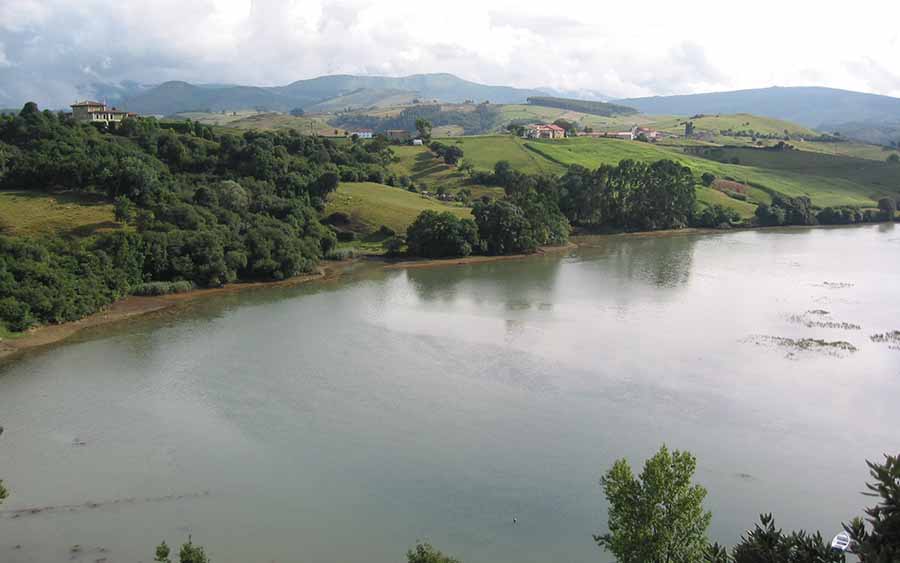
In Asturias, the traditional folk song Asturias, Patria Querida, often considered the region’s unofficial anthem, resonates with heartfelt pride in the line, “Asturias, my beloved homeland, I carry you in my heart,” encapsulating the deep emotional bond Asturians feel for their lush, mountainous land.
The poet Ángel González, born in Oviedo, celebrates Asturias in his work, notably in Palabras para una canción, where he writes, “The green of your valleys is the pulse of my verse,” vividly evoking the region’s verdant landscapes and cultural vibrancy. On television, the 2019 Spanish series La Valla (The Barrier), filmed partly in Asturias’ dramatic Picos de Europa, features the haunting quote, “In these mountains, freedom is both a dream and a curse,” reflecting the region’s rugged terrain and its historical role as a bastion of resistance during the region’s turbulent past.
The province
As summer 2026 draws near, Asturias invites travellers with a refreshing mix of lush landscapes, historic sites, and authentic northern Spanish culture. This region, stretching from the Cantabrian Mountains to the Bay of Biscay, offers a captivating visitor experience for those seeking nature, history, and culinary delights.
Asturias’ coastline, with over 200 beaches, is a haven for beachgoers. Playa de Torimbia, with its golden sands and clear waters, provides a serene spot for sunbathing or surfing. The rugged cliffs of Ribadesella and Llanes offer scenic coastal walks, while the fishing village of Cudillero charms with its colourful houses cascading down to the sea. For water enthusiasts, kayaking along the Sella River or paddleboarding in the Bay of Biscay adds adventure to the coastal experience.
Inland, Oviedo’s historic core beckons. The Cathedral of San Salvador, a Gothic masterpiece, houses intricate altarpieces and a chamber of relics. Nearby, pre-Romanesque churches like Santa María del Naranco, perched on a hillside, showcase 9th-century architecture with stunning views of the city. Gijón, Asturias’ largest city, blends history with modernity, its Roman baths and seaside promenade offering relaxed exploration.
Food lovers will delight in Asturias’ hearty cuisine. In Oviedo’s cider houses, such as Tierra Astur, visitors can enjoy fabada (bean stew) or cachopo (breaded veal stuffed with ham and cheese), paired with crisp sidra poured from a height. Local markets in Avilés brim with fresh seafood, cheeses like Cabrales, and sweet rice puddings. Coastal restaurants serve grilled sardines and octopus, capturing the region’s maritime heritage.
Nature enthusiasts will find Asturias’ landscapes a treasure. The Picos de Europa National Park, with its dramatic peaks and deep gorges, offers hiking trails for all levels and chances to spot wildlife like chamois or brown bears. The Lakes of Covadonga, surrounded by emerald meadows, provide a tranquil setting for walks or cycling. For a unique experience, the Muniellos Forest, a UNESCO Biosphere Reserve, invites exploration of its ancient oak groves.
Asturias’ mild summer climate, with temperatures around 22°C and occasional light showers, ensures comfortable outdoor adventures. Efficient bus and train networks, alongside car rentals, make it easy to travel from Oviedo to coastal towns or mountain retreats. Visitors can browse artisan markets in Villaviciosa for ceramics or relax in thermal springs at Las Caldas.
With its blend of natural splendour, historic charm, and gastronomic richness, Asturias offers a welcoming escape. Whether strolling along pristine beaches, exploring ancient churches, or savouring local cider, summer 2026 in Asturias promises a memorable experience.
Visiting
Visitors to the Spanish province of Asturias in 2026 can expect an enchanting blend of lush green landscapes, rugged coastlines, rich cultural heritage, and vibrant gastronomy. Located in northern Spain along the Cantabrian Sea, Asturias is often called “Spain’s Natural Paradise” for its dramatic Picos de Europa mountains, pristine beaches, and charming villages. With a history rooted in Celtic traditions and the Reconquista, Asturias offers a unique mix of outdoor adventures, historical sites, and culinary delights.
Breathtaking Natural Landscapes
- Picos de Europa National Park: This UNESCO Biosphere Reserve, spanning Asturias, Cantabria, and León, is a highlight with jagged limestone peaks, deep gorges, and alpine meadows. Popular trails include the Cares Gorge (Ruta del Cares), a dramatic 12-km path between cliffs, and the ascent to Naranjo de Bulnes, a climber’s favorite. Wildlife includes chamois, brown bears, and vultures.
- Somiedo Natural Park: A lesser-visited gem, this park features glacial lakes, rolling hills, and traditional teitos (thatched shepherd huts). It’s a haven for hiking and spotting Cantabrian brown bears, with guided tours available from Pola de Somiedo.
- Costa Verde (Green Coast): Asturias’ 350-km coastline boasts over 200 beaches, from secluded coves like Playa del Silencio to surf-friendly Playa de Rodiles. Dramatic cliffs, sea caves, and fishing villages like Cudillero and Lastres add charm.
- Rivers and Waterfalls: The Sella River is famous for kayaking and the annual International Descent of the Sella in August. The Ruta’l Beyu Pen offers a scenic hike to waterfalls in Redes Natural Park.
Historical and Cultural Attractions
- Oviedo’s Historic Center: The capital’s UNESCO-listed pre-Romanesque monuments, like Santa María del Naranco and San Miguel de Lillo (9th century), showcase Asturias’ role as the cradle of the Reconquista. The Gothic Cathedral of San Salvador and the Campoamor Theatre, home to the Princess of Asturias Awards, add elegance.
- Gijón’s Roman and Maritime Heritage: Gijón, Asturias’ largest city, features the Roman Baths of Campo Valdés and the Cimadevilla fishing quarter. The Laboral Ciudad de la Cultura, a repurposed Franco-era university, hosts art exhibitions and theater.
- Cueva de Tito Bustillo: In Ribadesella, this UNESCO World Heritage Site contains Paleolithic cave art (14,000–20,000 years old), depicting horses and bison. Limited daily visitors ensure an intimate experience.
- Sidra Culture: Asturias is Spain’s cider capital. Visitors can tour sidrerías (cider houses) in Villaviciosa or Nava, learning the art of pouring sidra from a height to aerate it. The Cider Museum in Nava offers tastings and history.
Charming Towns and Villages
- Cudillero: A postcard-perfect fishing village with colorful houses cascading down cliffs to a harbour. Its seafood restaurants and lighthouse views are enchanting.
- Llanes: A coastal town with medieval towers, vibrant casas indianas (mansions built by returned emigrants), and beaches like Playa de Gulpiyuri, a hidden inland beach.
- Ribadesella: Known for its cave art, Sella River kayaking, and the annual Fiesta de la Virgen de la Guía, featuring boat processions.
- Taramundi: In western Asturias, this rural village is famous for artisanal knives and traditional weaving. Its ethnographic museums and watermills offer a glimpse into Asturian crafts.
- Covadonga: A spiritual hub in the Picos de Europa, home to the Santa Cueva shrine and Basilica, marking the start of the Reconquista in 722 CE.
Culinary Delights
- Fabada Asturiana: A hearty bean stew with pork, sausage, and blood pudding, perfect for chilly days. Other dishes include cachopo (breaded veal stuffed with ham and cheese) and pote asturiano (bean and potato stew).
- Seafood: Fresh catches like spider crab, sea urchins, and monkfish dominate coastal menus. Try arroz con bugre (lobster rice) in Luanco.
- Cheese: Asturias produces over 40 cheeses, including the pungent Cabrales, aged in Picos caves. Visit the Cabrales Cheese Festival in Arenas de Cabrales (August) or tour local dairies.
- Cider: Asturian sidra is tart, low-alcohol, and poured dramatically. Pair it with tapas like chorizo al sidra or queso Gamoneu in a sidrería.
- Desserts: Arroz con leche (rice pudding with cinnamon) and casadielles (walnut-filled pastries) are local sweets. Markets in Oviedo and Gijón offer fresh produce and baked goods.
Festivals and Traditions
- International Descent of the Sella: Held the first Saturday of August in Ribadesella, this kayak race draws thousands for sport and riverside parties.
- San Mateo Festival: Oviedo’s September festival features concerts, cider tents, and fireworks, celebrating Asturian identity.
- Fiesta de la Sidra: In Gijón (August), this cider festival includes pouring contests and tastings, with locals in traditional attire.
- Celtic Heritage: Asturias’ Celtic roots shine in bagpipe (gaita) music and festivals like the Festival Intercéltico in Avilés. Rural fiestas often feature vaqueiro (shepherd) traditions.
- Carnival in Avilés: A vibrant February event with parades, costumes, and antroxu (masked balls), less crowded than Cádiz but equally lively.
Outdoor and Adventure Activities
- Hiking: The Picos de Europa and Redes Natural Park offer trails for all levels, from the gentle Fuente Dé cable car route to the challenging ascent of Torrecerredo. The Camino de Santiago’s Northern Route also passes through Asturias.
- Water Sports: Kayak the Sella or Nalón rivers, surf at Playa de Tapia, or dive in Luarca’s clear waters. Canoeing schools in Arriondas cater to beginners.
- Cycling: Asturias’ greenways, like the Senda del Oso (Bear Trail), follow old railway lines through forests, ideal for families. Mountain biking is popular in Somiedo.
- Bear Watching: Guided tours in Somiedo and Teverga offer a chance to spot Cantabrian brown bears ethically, especially in spring.
Practical Information for 2026
- Accessibility: Asturias is served by Asturias Airport (OVD) near Avilés, with flights from Madrid and Barcelona. High-speed trains (AVE) connect Oviedo to Madrid (3 hours). Buses and local trains link coastal towns, but a car is ideal for rural exploration.
- Accommodation: Options range from luxury hotels in Oviedo (e.g., Eurostars Hotel de la Reconquista) to rural casas rurales in villages like Taramundi. Paradores in Gijón and Cangas de Onís offer historic stays.
- Climate: Asturias has a mild, rainy climate (10–20°C year-round). Summer is driest, but pack rain gear for sudden showers. Spring and autumn are lush and less crowded.
- New Regulations: Non-EU visitors need travel insurance and proof of funds at the border. The ETIAS (€7) starts mid-2026 for visa-exempt travellers. No specific tourist tax applies in Asturias as of my knowledge.
- Tourism Trends: Asturias saw 1.5 million visitors in 2023, with growth in rural and eco-tourism. The region’s 2021–2026 tourism plan promotes sustainable travel, with new greenways and bear conservation programs.
What’s New in 2026
- Sustainable Initiatives: Asturias continues to expand eco-friendly trails and promote sidrerías using local apples, aligning with its “Green Spain” branding.
- Cultural Events: The Princess of Asturias Awards in Oviedo (October) will draw global attention, with concerts and exhibitions. Expect new art installations at Laboral Ciudad de la Cultura in Gijón.
- Rural Tourism Growth: Villages like Taramundi and Somiedo are enhancing casas rurales and artisanal workshops, supported by EU funds for rural development.
- Gastronomic Focus: New food festivals in 2026, like Oviedo’s Feria de la Fabada, will celebrate Asturian cuisine, alongside pop-up sidrerías in coastal towns.
Asturias offers an authentic, less-touristy slice of Spain, where emerald mountains meet wild beaches and ancient churches stand alongside lively sidrerías. Its Celtic soul, expressed through gaita music and pastoral traditions, sets it apart from southern Spain’s flamenco culture. Whether hiking the Picos, savoring Cabrales cheese, or exploring Oviedo’s pre-Romanesque gems, visitors will find a region that balances adventure, heritage, and relaxation.
Off the beaten track
The Spanish autonomous community of Asturias, located in northern Spain, is renowned for its lush landscapes and cultural heritage but also hides a wealth of lesser-known destinations that offer authentic, uncrowded experiences. These off-the-beaten-track locations and attractions in Asturias showcase its rugged coastline, misty mountains, ancient traditions, and hidden historical gems, perfect for travellers seeking solitude and discovery in 2026. Hidden spots across Asturias are ideal for those looking to venture beyond the popular Picos de Europa, Oviedo, or Gijón.
- Taramundi and the Ethnographic Museums: Western Asturias, near the Galician border, about 160 km southwest of Oviedo.: Taramundi is a remote rural village known for its artisanal knife-making and traditional weaving. The area features a network of ethnographic museums, including the Mazonovo Ethnographic Museum, showcasing water-powered mills, and the Casa del Agua, highlighting hydraulic technology. Nearby, the Teixois hamlet preserves ancient mills and a forge. Hiking trails like the Ruta del Agua wind through oak forests and streams. Taramundi’s isolation preserves its Asturian crafts and pastoral lifestyle, offering a glimpse into a pre-industrial world. Its small size and lack of mass tourism ensure a serene visit, with locals often demonstrating knife-making or weaving. Visit in spring for lush greenery or autumn for harvest festivals. Buy handmade knives or textiles as souvenirs from local workshops. A car is essential due to limited public transport. Pair with a meal of fabada at Casa Petuto, a traditional eatery.
- Playa de Gulpiyuri: Near Llanes, eastern Asturias, about 100 km east of Oviedo.: This tiny, inland beach is a geological marvel, formed by a sinkhole 100 meters from the coast, connected to the sea via underground tunnels. Surrounded by grassy cliffs, its shallow, turquoise waters appear like a hidden lagoon. A short walk from the N-634 road leads to the beach, which is best seen at high tide when waves flow in. Gulpiyuri’s surreal setting and small size (about 40 meters long) make it a quirky, uncrowded alternative to Asturias’ more famous beaches like Playa del Silencio. Its obscurity keeps it peaceful, even in summer. Check tide schedules for the best experience, as low tide leaves it dry. Bring shoes for the rocky path and a picnic, as there are no facilities. Combine with a visit to nearby Llanes’ medieval old town or the Bufones de Pría, natural blowholes.
- Senda del Oso (Bear Trail): Teverga and Proaza, central Asturias, about 40 km southwest of Oviedo.: This 40-km greenway follows an old mining railway through the Trubia Valley, offering a gentle cycling or walking route past forests, rivers, and tunnels. Highlights include the Peñaullán gorge and the Casa del Oso, a bear conservation center. The trail is named for the Cantabrian brown bears occasionally spotted in the area, and two rescued bears, Paca and Tola, live in a nearby enclosure. Less known than Picos de Europa trails, the Senda del Oso combines easy access with stunning scenery and wildlife education. Its family-friendly nature and quiet villages like Entrago make it a hidden gem. Rent bikes in Proaza for €10–15/day. Spring and autumn offer mild weather and vibrant colors. Visit the Casa del Oso for bear conservation insights. Try local pote asturiano at a nearby mesón.
- Santa Cristina de Lena: Lena, southern Asturias, about 35 km south of Oviedo.: This 9th-century pre-Romanesque church, a UNESCO World Heritage Site, sits alone on a hill overlooking the A-66 highway. Built in 852 during the Asturian monarchy, its intricate stone carvings, Visigothic arches, and small size exude ancient charm. The surrounding Lena Valley offers hiking trails and views of the Ubiñas-La Mesa Natural Park. Unlike Oviedo’s busier pre-Romanesque sites (e.g., Santa María del Naranco), Santa Cristina sees few visitors, offering a meditative experience of Asturias’ Reconquista heritage. Its isolated setting enhances its mystique. Check opening hours (often limited) via turismoasturias.es. The church is a 10-minute walk from La Cobertoria train station. Combine with a hike in the nearby Pajares Pass or a visit to Pola de Lena’s cider bars.
- Os Teixois and the Hydraulic Complex: Near Taramundi, western Asturias, about 165 km southwest of Oviedo.: This tiny hamlet is home to a preserved 18th-century hydraulic complex, including a watermill, forge, and small hydroelectric plant, all powered by a stream. Guided tours (often in Spanish) demonstrate traditional grain milling and iron forging. The surrounding chestnut and oak forests offer short hiking trails to nearby waterfalls. Os Teixois feels frozen in time, showcasing Asturias’ rural ingenuity with minimal tourist presence. Its proximity to Taramundi allows for a deeper dive into western Asturias’ craft culture, far from coastal crowds. Tours cost €2–3 and run sporadically, so call ahead (check turismoasturias.es for contacts). Wear sturdy shoes for slippery paths. Stay overnight in a casa rural for a full rural experience.
- Cueva Huerta: Teverga, central Asturias, about 50 km southwest of Oviedo.: This massive karst cave, one of Asturias’ largest, stretches over 14 km beneath the Sobia massif. Guided tours explore its accessible 200-meter section, revealing stalactites, stalagmites, and an underground river. The cave’s microclimate supports unique bat colonies, and the surrounding Teverga Valley offers hiking and bear-watching opportunities. Less famous than Tito Bustillo’s cave art, Cueva Huerta appeals to adventure seekers and geology enthusiasts. Its remote location ensures small groups, and Teverga’s pastoral charm adds to the offbeat appeal. Book tours via the Teverga Prehistoric Park website (€5–10). Wear warm clothing and non-slip shoes, as the cave is damp and cool (10°C). Pair with the Senda del Oso or a visit to Teverga’s Prehistoric Park for replica cave art.
- Puebla de Lillo and the Braña de La Porqueriza: Redes Natural Park, eastern Asturias, about 70 km southeast of Oviedo.: Redes, a UNESCO Biosphere Reserve, is quieter than Picos de Europa, and the Braña de La Porqueriza is a hidden alpine meadow dotted with traditional cabañas (stone huts) used by shepherds. A moderate 8-km hike from Soto de Agues passes waterfalls and beech forests. The nearby village of Puebla de Lillo offers rustic charm and local cheeses. The braña’s pastoral beauty and lack of crowds make it a serene escape for hikers and photographers. Redes’ trails feel wilder than Ordesa’s, with chances to spot deer or wolves. Visit in late spring for wildflowers or autumn for golden forests. Bring hiking gear and check weather, as fog is common. Stop at Casa Juanín in Soto de Agues for cachopo. A car is needed to reach the trailhead.
- San Antolín de Bedón Monastery: Near Llanes, eastern Asturias, about 90 km east of Oviedo.: This abandoned 12th-century Benedictine monastery, set in a grassy valley near the Bedón River, exudes eerie beauty. Its Romanesque ruins, including a crumbling church and cloister, are rarely visited, offering a quiet contrast to Asturias’ busier historical sites. A short walk leads to the nearby Playa de San Antolín, a wild beach popular with surfers. The monastery’s dilapidated state and secluded setting create a haunting, reflective atmosphere, perfect for history buffs and explorers. Its proximity to Llanes allows for a low-key day trip. The site is unrestored and unfenced, so explore cautiously. Visit at sunset for dramatic photos. Combine with a walk to Playa de Gulpiyuri or a cider tasting in Llanes. Parking is limited, so arrive early.
Practical Tips for Off-the-Beaten-Track Exploration
- Transportation: A rental car is essential, as public transport (buses or FEVE trains) is sparse in rural Asturias. Roads are winding but paved; use offline maps for spotty cell service.
- Preparation: Pack rain gear, as Asturias is rainy year-round. Bring water, snacks, and sturdy shoes for trails and caves, as facilities are scarce. Layered clothing suits variable weather.
- Timing: Spring (April–June) and autumn (September–October) offer lush landscapes and fewer crowds. Summer is busier but still quiet at these sites. Winter brings rain but serene solitude.
- Sustainability: Stick to paths to protect fragile ecosystems and archaeological sites. Support local artisans (e.g., Taramundi knives) and dine at family-run sidrerías to boost rural economies.
These hidden gems in Asturias offer intimate encounters with the region’s natural splendor, ancient crafts, and forgotten histories, far from the crowds of Cudillero or Covadonga. From inland beaches to bear trails and crumbling monasteries, they showcase Asturias’ untamed spirit and Celtic soul. The region’s 2021–2026 tourism strategy emphasizes sustainable rural travel, ensuring these areas remain pristine yet accessible in 2026.
Spain region by region
Almería – Andalusia – Aragón – Asturias – Basque Country – Cádiz – Cantabria – Catalonia – Córdoba – Extremadura – Fuerteventura – Galicia – Gran Canaria – Granada – Huelva – Ibiza – Jaén – La Mancha – La Rioja – Lanzarote – León – Madrid – Majorca – Málaga – Menorca – Murcia – Navarra – Seville – Tenerife – Valencia –