In the Basque Country, the traditional song Txoria Txori, penned by Joxean Artze and popularised by Mikel Laboa, captures the region’s yearning for freedom with the poignant line, “If I had clipped its wings, it would have been mine, but it would no longer be a bird,” reflecting the Basque spirit of independence and resilience.
The poet Gabriel Aresti, a key figure in Basque literature, evokes the rugged beauty of the region in his poem Maldan Behera, with the line, “The stones of our mountains sing of ancient struggles,” referencing the enduring cultural identity tied to the Basque landscape. In cinema, the 2011 film Blackthorn, directed by Mateo Gil and shot in the Basque Country’s dramatic hills, reimagines the life of Butch Cassidy with the quote, “These hills hide more than just men; they cradle dreams of liberty,” echoing the region’s reputation as a refuge for rebels and its untamed natural beauty.
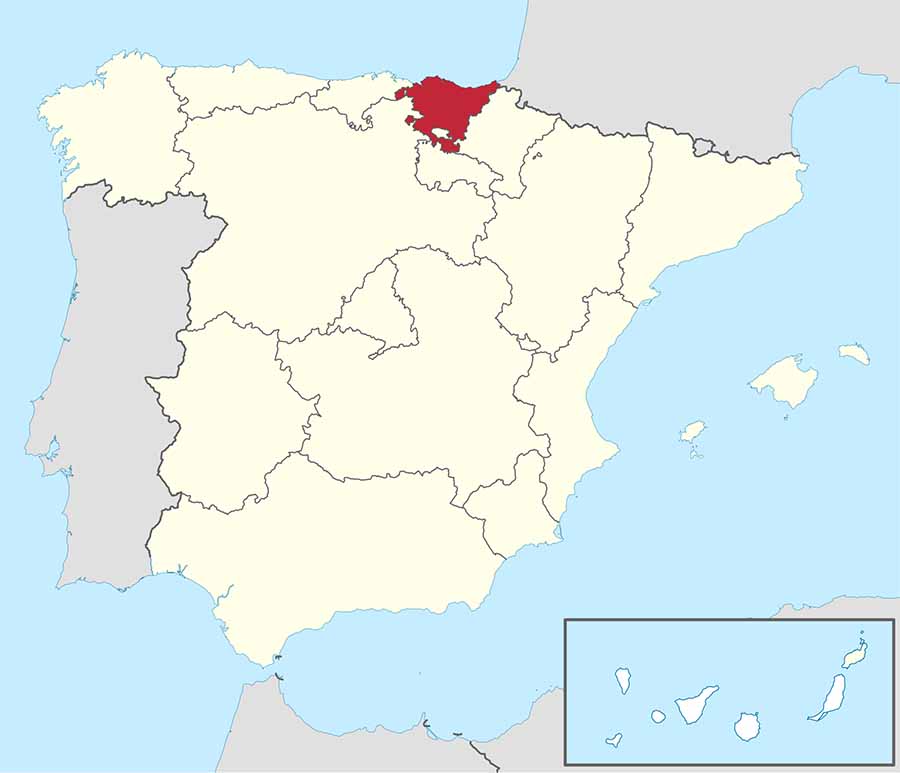
The region
As summer 2026 approaches, the Basque Country, or País Vasco, welcomes travellers with a captivating blend of rugged coastlines, historic cities, and rich cultural traditions. This northern Spanish region, spanning the Bay of Biscay and the Pyrenees foothills, offers a rewarding visitor experience for those seeking nature, art, and culinary excellence.
The Basque coastline, with its dramatic cliffs and sandy beaches, is a highlight for visitors. La Concha Beach in San Sebastián provides a stunning crescent of golden sand, ideal for sunbathing or gentle swims in calm waters. Nearby, Zurriola Beach attracts surfers with its lively waves. For scenic exploration, the coastal path from Getaria to Zumaia reveals the Flysch cliffs, a geological marvel of layered rock formations. Kayaking or sailing along the coast offers another way to enjoy the region’s maritime beauty.
In Bilbao, the Guggenheim Museum, with its iconic titanium curves, showcases contemporary art in a striking setting. The city’s old quarter, Casco Viejo, invites leisurely strolls through narrow streets lined with historic buildings and pintxo bars. Vitoria-Gasteiz, the region’s capital, blends green spaces like Florida Park with its medieval core, where the Santa María Cathedral offers guided tours of its Gothic architecture.
Food is a cornerstone of the Basque experience. In San Sebastián’s pintxo bars, such as La Cuchara de San Telmo, visitors can savour bite-sized delights like grilled octopus or foie gras, paired with crisp txakoli wine. Bilbao’s Mercado de la Ribera, one of Europe’s largest covered markets, brims with fresh seafood, cheeses, and local produce. Traditional cider houses near Hernani serve roasted cod and T-bone steaks alongside refreshing sidra, poured from wooden barrels.
Nature lovers will find plenty to explore. The Urkiola Natural Park offers hiking trails through limestone peaks and oak forests, with chances to spot griffon vultures. The Urdaibai Biosphere Reserve, a haven for birdwatchers, features wetlands and beaches like Mundaka, a surfing hotspot. For a quieter escape, the whitewashed village of Lekeitio charms with its fishing harbour and nearby San Juan de Gaztelugatxe, a clifftop hermitage reached by a scenic stone bridge.
The Basque Country’s mild summer climate, with temperatures around 24°C and occasional light rain, ensures comfortable exploration. Efficient train and bus networks, alongside car rentals, make travel between Bilbao, San Sebastián, and Vitoria-Gasteiz straightforward. Visitors can browse artisan shops in Hondarribia for ceramics or relax in thermal baths at Arnedillo.
With its mix of cultural landmarks, natural beauty, and gastronomic treasures, the Basque Country offers a refreshing escape. Whether strolling along La Concha, admiring the Guggenheim, or enjoying pintxos, summer 2026 in País Vasco promises a memorable experience.
The visit
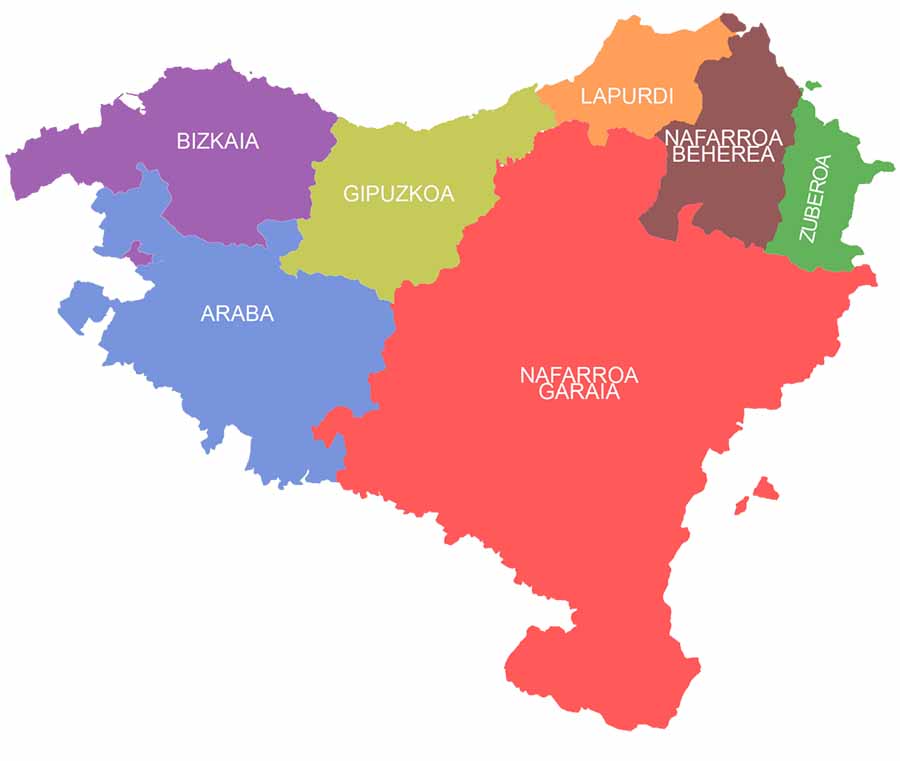
Visitors to the Basque Country (País Vasco), an autonomous community in northern Spain, can expect a vibrant blend of rugged natural beauty, rich cultural heritage, cutting-edge gastronomy, and a distinct regional identity in 2026. Comprising three provinces, Bizkaia, Gipuzkoa, and Araba/Álava, along with parts of Navarra and the French Basque region, this area is known for its dramatic coastline, lush mountains, historic cities, and unique Basque language (Euskara).
Stunning Natural Landscapes
- Basque Coast Geopark: A UNESCO Global Geopark stretching from Zumaia to Deba and Mutriku in Gipuzkoa, featuring dramatic flysch cliffs, tidal pools, and fossil-rich rock formations. Boat tours or coastal hikes reveal stunning views, especially at Itzurun Beach. The nearby Algorri Interpretation Centre explains the area’s 60-million-year geological history.
- Urkiola Natural Park: In Bizkaia, this park offers rolling green hills, limestone peaks like Anboto (1,331m), and hiking trails with panoramic views. It’s a spiritual hub, home to the Santuario de Urkiola, and a haven for birdwatching (griffon vultures) and climbing.
- Gorbeia Natural Park: Straddling Bizkaia and Álava, this is the Basque Country’s largest park, with oak forests, meadows, and the 1,482m Gorbeia peak. Trails like the Baias River route are ideal for families, while mountaineers tackle the Itxina karst plateau.
- Beaches: The Basque coast boasts diverse beaches, from San Sebastián’s elegant La Concha to surf hotspots like Mundaka (world-renowned for its left-hand wave) and Zarautz. Quieter coves, like Saturrarán in Mutriku, offer seclusion.
Historical and Cultural Attractions
- Bilbao’s Guggenheim Museum: A Frank Gehry-designed titanium masterpiece in Bizkaia, this modern art museum is a global icon, housing works by Rothko, Warhol, and Basque artists like Chillida. The surrounding Abandoibarra district features sculptures like Jeff Koons’ Puppy. Nearby, Bilbao’s Casco Viejo offers medieval streets and the 14th-century Santiago Cathedral.
- San Sebastián’s Old Town (Parte Vieja): In Gipuzkoa, this historic quarter is a maze of pintxo bars, churches like San Vicente, and the Santa María del Coro Basilica. The city’s Belle Époque architecture, including the Kursaal Congress Centre, adds elegance.
- Vitoria-Gasteiz’s Medieval Quarter: The capital of Álava features a well-preserved almond-shaped old town with the Gothic Santa María Cathedral, inspiring Ken Follett’s World Without End. The Artium Museum showcases contemporary Basque art.
- Gernika-Lumo: A symbol of Basque resilience, this Bizkaia town houses the Gernika Peace Museum and the Casa de Juntas, where the Basque parliament historically met under the Tree of Gernika. Picasso’s Guernica painting reflects its 1937 bombing.
- Basque Language and Identity: Euskara, one of Europe’s oldest languages, thrives in signage, festivals, and schools. Visitors can explore its history at San Sebastián’s San Telmo Museum or join language workshops in cultural centers.
Culinary Excellence
- Pintxos: The Basque Country is Spain’s gastronomic capital, with pintxos (small, elaborate bar snacks) reigning supreme. In San Sebastián’s Parte Vieja, try gilda (anchovy, olive, and pepper skewers) at La Cuchara de San Telmo or txangurro (spider crab) at Ganbara. Bilbao’s Plaza Nueva and Vitoria’s Calle Cuchillería are also pintxo hubs.
- Michelin Stars: San Sebastián alone boasts multiple Michelin-starred restaurants, like Arzak (3 stars) and Mugaritz (2 stars), blending avant-garde techniques with Basque traditions. Asador Etxebarri in Atxondo, ranked among the world’s best, elevates grilling to an art form.
- Traditional Dishes: Expect hearty fare like bacalao al pil-pil (cod in garlic-emulsified sauce), marmitako (tuna stew), and txuleta (grilled T-bone steak). Idiazabal cheese, smoked and nutty, pairs with local ciders.
- Txakoli and Cider: Txakoli, a crisp white wine from Getaria and Zarautz, complements seafood. Basque cider (sidra), poured from a height, is served in sagardotegis (cider houses) with cod omelets and steak during January–April’s cider season.
- Markets: Bilbao’s La Ribera Market, one of Europe’s largest indoor markets, and San Sebastián’s La Bretxa offer fresh produce, cheeses, and pintxo stalls.
Charming Towns and Villages
- Hondarribia: A colorful fishing town in Gipuzkoa near the French border, with a fortified old town, pintxo bars, and views of the Bidasoa River. Its Parador, a 10th-century castle, is a luxurious stay.
- Lekeitio: In Bizkaia, this coastal village features the Gothic Santa María Basilica and San Nicolás Island, accessible by foot at low tide. Its harbour and fish restaurants are delightfully low-key.
- Elorrio: A Bizkaia village with Renaissance palaces, stone crosses, and the Argiñeta Necropolis, a 9th-century Christian burial site. It’s a quiet base for exploring Urkiola.
- Oñati: In Gipuzkoa, dubbed the “Basque Toledo,” it boasts the Renaissance University of Sancti Spiritus and the Arantzazu Sanctuary, a modernist pilgrimage site in a dramatic gorge.
- Getaria: A Gipuzkoa fishing village, birthplace of explorer Juan Sebastián Elcano, with a medieval “Mouse of Getaria” islet, txakoli wineries, and grilled fish restaurants like Elkano.
Festivals and Traditions
- San Sebastián Film Festival: Held in September, this prestigious event draws global stars to the Kursaal, showcasing Spanish and international cinema.
- Bilbao’s Aste Nagusia: A nine-day August festival with concerts, fireworks, and the Marijaia mascot, celebrating Basque culture with txosnas (pop-up bars) and konpartsak (street troupes).
- Tamborrada: San Sebastián’s January 20 festival fills the streets with drummers in Napoleonic uniforms, honoring the city’s patron saint.
- Basque Sports: Witness rural sports like pelota (handball), stone-lifting, or wood-chopping at local festivals. The Frontón Bizkaia in Bilbao hosts professional pelota matches.
- La Virgen Blanca Festival: Vitoria-Gasteiz’s August festival features the “Celedón” figure descending from the sky, followed by concerts and pintxo crawls.
Outdoor and Adventure Activities
- Hiking and Climbing: Gorbeia and Urkiola parks offer trails for all levels, from gentle valley walks to technical ascents. The Camino de Santiago’s Northern Route passes through Bilbao and coastal towns, ideal for pilgrims.
- Surfing: Mundaka, Sopelana, and Zarautz are surf meccas, with schools for beginners. The Punta Galea Challenge, a big-wave surf contest near Bilbao, draws pros in winter.
- Cycling: The Basque Country’s hilly terrain suits road cyclists, with routes like the Jaizkibel climb near Hondarribia. Mountain biking is popular in Aizkorri-Aratz Natural Park.
- Kayaking and Sailing: Paddle along the Urdaibai Biosphere Reserve in Bizkaia or sail from Getaria’s harbour. San Sebastián’s bay is perfect for stand-up paddleboarding.
Practical Information for 2026
- Accessibility: Bilbao Airport (BIO) is the main gateway, with connections to Europe and Spain. San Sebastián has a smaller airport (EAS) and train links via Euskotren. High-speed trains (AVE) connect Vitoria-Gasteiz to Madrid (3 hours). Buses and local trains link towns, but a car is best for rural areas.
- Accommodation: Options range from Bilbao’s Gran Hotel Domine (opposite the Guggenheim) to San Sebastián’s Hotel María Cristina, a Belle Époque gem. Rural agroturismos (farm stays) in Oñati or Lekeitio offer authenticity. Paradores in Hondarribia and Argómaniz (Álava) blend history and comfort.
- Climate: The Basque Country has a mild, oceanic climate (10–25°C), with frequent rain, especially in spring and autumn. Summer is warmest and driest, but pack a raincoat year-round.
- Regulations: Non-EU visitors need travel insurance and proof of funds. The ETIAS (€7) starts mid-2026 for visa-exempt travellers. No specific tourist tax applies in the Basque Country as of my knowledge.
- Tourism Trends: The Basque Country welcomed 3.8 million visitors in 2023, with growth in gastronomic and eco-tourism. Bilbao’s sustainable tourism initiatives and San Sebastián’s pintxo tours are booming.
What’s New in 2026
- Sustainable Tourism: The Basque Country’s 2021–2026 tourism plan emphasizes eco-friendly travel, with new cycling routes in Urdaibai and electric bus fleets in Bilbao.
- Gastronomic Events: San Sebastián’s Gastronomika congress (October) will showcase Basque chefs, while Bilbao’s FoodTech startups are launching pintxo-tasting apps.
- Cultural Openings: Vitoria-Gasteiz’s Artium Museum is expanding its Basque art collection, and Bilbao’s Itsasmuseum (maritime museum) plans new interactive exhibits.
- Rural Revival: Villages like Elorrio and Oñati are enhancing agroturismos and artisanal markets, supported by EU rural development funds.
The Basque Country offers a dynamic mix of urban sophistication and wild nature, underpinned by a fierce cultural identity. From savoring pintxos in San Sebastián’s old town to hiking the Geopark’s cliffs or exploring Gernika’s historical significance, visitors experience a region that feels distinct from the rest of Spain. Its blend of Michelin-starred dining, ancient Euskara, and modern art makes it a must-visit.
Off the beaten track:
The Basque Country (País Vasco), an autonomous community in northern Spain comprising Bizkaia, Gipuzkoa, and Araba/Álava, is celebrated for its vibrant cities like Bilbao and San Sebastián, but it also hides a wealth of lesser-known destinations that offer authentic, uncrowded experiences. These off-the-beaten-track locations and attractions showcase the Basque Country’s dramatic landscapes, rich cultural heritage, and unique traditions, perfect for travellers seeking solitude and discovery in 2026. These hidden gems are ideal for those looking to explore beyond the Guggenheim Museum or La Concha Beach.
- Arantzazu Sanctuary and Aizkorri-Aratz Natural Park: Oñati, Gipuzkoa, about 80 km southeast of Bilbao.: Located in a dramatic gorge within the Aizkorri-Aratz Natural Park, the Arantzazu Sanctuary is a modernist pilgrimage site built in the 1950s. Designed by Basque architects and artists like Eduardo Chillida and Jorge Oteiza, its spiky facade and abstract art contrast with the surrounding limestone peaks. Nearby trails lead to the Aizkorri summit (1,528m) or the Urkulu Reservoir, passing meadows and shepherd huts. The sanctuary’s blend of spirituality and avant-garde design is a hidden gem, far less visited than Gernika or San Telmo. The park’s rugged trails offer solitude and stunning views, appealing to hikers and culture enthusiasts alike. Visit in autumn for golden forests or spring for wildflowers. Wear sturdy hiking boots for rocky paths. The sanctuary has a small café, but bring water for hikes. Combine with Oñati’s Renaissance University of Sancti Spiritus, a 16th-century gem.
- Urdaibai Biosphere Reserve and Oma Painted Forest: Near Gernika-Lumo, Bizkaia, about 35 km northeast of Bilbao.: The Urdaibai Biosphere Reserve encompasses wetlands, oak forests, and the Oka River estuary, a haven for migratory birds like herons and spoonbills. Within it, the Oma Painted Forest is an open-air art installation by Basque artist Agustín Ibarrola, where pine trees are painted with colorful geometric and human figures, creating a surreal, immersive experience. Trails from Kortezubi lead to the forest, and kayaking on the estuary offers coastal views. The forest’s artistic quirkiness and Urdaibai’s ecological diversity are overlooked by most tourists, offering a peaceful blend of art and nature. The reserve’s quiet villages, like Mundaka, add charm without San Sebastián’s crowds. Wear comfortable shoes for the 2-km forest trail; guided tours from the Urdaibai Bird Center enhance birdwatching. Visit in spring or autumn to avoid summer humidity. Try marmitako (tuna stew) at a Mundaka tavern.
- Elorrio and Argiñeta Necropolis: Elorrio, Bizkaia, about 40 km southeast of Bilbao.: Elorrio is a serene village with Renaissance palaces, ornate fountains, and stone crosses, earning it a spot among Spain’s historic-artistic sites. The nearby Argiñeta Necropolis, a 9th-century Christian burial ground, features 23 sarcophagi and tombstones set amid oak groves, one of the Basque Country’s oldest archaeological sites. Short trails connect to the Urkiola Natural Park. Elorrio’s understated elegance and the necropolis’ ancient aura offer a glimpse into Basque medieval life, far from Bilbao’s urban buzz. The site’s solitude and rural setting are perfect for history buffs and photographers. Visit in May for Elorrio’s flower festival or September for harvest fairs. The necropolis is open-access but unmarked, so use GPS. Stop at a local taberna for Idiazabal cheese and txakoli. A car is essential.
- Saturrarán Beach and Mutriku’s Old Port: Mutriku, Gipuzkoa, about 60 km northeast of San Sebastián.: Saturrarán is a secluded, pebbly beach tucked between cliffs in the Basque Coast Geopark, ideal for snorkeling and quiet sunbathing. Nearby, Mutriku’s medieval port, one of the oldest in the Basque Country, features colorful fishermen’s houses and a 15th-century church, San Andrés. The Nautilus Geopark Interpretation Centre explores the area’s marine fossils, and coastal paths lead to flysch cliffs. Unlike Zarautz or La Concha, Saturrarán and Mutriku remain under the radar, offering raw coastal beauty and authentic Basque fishing culture. The port’s narrow streets feel untouched by mass tourism. Visit at high tide for swimming; bring water shoes for pebbles. Spring and autumn avoid summer crowds. Try grilled fish at Restaurante Sindikata in Mutriku. Check Nautilus hours online, as they vary.
- Laguardia’s Underground Wineries: Laguardia, Álava, about 60 km south of Vitoria-Gasteiz.: Laguardia, a walled hilltop village in the Rioja Alavesa wine region, hides over 200 underground wine cellars (bodegas) carved into the rock beneath its streets. Small, family-run wineries like Casa Primicia offer tours and tastings of Tempranillo-heavy Rioja wines. The village’s medieval gates, Santa María de los Reyes church, and views of the Sierra de Cantabria add charm. While Rioja wines are famous, Laguardia’s subterranean cellars and quiet streets are less visited than Logroño’s bodegas, offering an intimate wine experience in a postcard-perfect setting. Book winery tours in advance (many are Spanish-only). Visit in October for the grape harvest or June for the San Juan festival. Pair with chuletillas al sarmiento (grilled lamb) at a local asador. A car is needed for rural Álava.
- San Juan de Gaztelugatxe (Hermitage Path): Bermeo, Bizkaia, about 35 km northeast of Bilbao.: This rocky islet, connected to the mainland by a stone bridge, hosts a 10th-century hermitage dedicated to San Juan. A winding path with 241 steps leads to the chapel, offering sweeping views of the Cantabrian Sea. The site, featured in Game of Thrones as Dragonstone, remains less crowded outside summer, especially at dawn or dusk. While gaining fame, Gaztelugatxe’s rugged isolation and spiritual ambiance keep it quieter than Bilbao’s attractions. The hike and bell-ringing tradition (for good luck) create a memorable experience. Wear sturdy shoes for the steep path; check tide times, as storms can close access. Spring or autumn visits avoid peak crowds. Bring a picnic, as facilities are limited. Combine with Bermeo’s fishing port for bacalao al pil-pil.
- Añana Salt Valley: Salinas de Añana, Álava, about 30 km west of Vitoria-Gasteiz.: This ancient saltworks, dating back 7,000 years, features terraced wooden platforms fed by natural saline springs. Guided tours explain the artisanal salt production process, and visitors can taste the mineral-rich “white gold.” The surrounding valley offers walking trails, and the nearby village of Salinas de Añana has a Romanesque church. The salt valley’s surreal landscape and historical significance are unique in the Basque Country, yet it’s overlooked compared to coastal sites. Its restoration as a cultural site adds educational appeal without mass tourism. Book tours (€8–12) via salinasdeanana.com; spa experiences using salt are available. Visit in summer for salt harvesting or spring for green valleys. Try salt-seasoned dishes at local eateries. A car is essential.
- Pasaia’s Maritime Heritage: Pasaia, Gipuzkoa, about 10 km east of San Sebastián.: Pasaia, a working-class port split into Pasaia Donibane and Pasaia San Pedro, preserves Basque maritime history. The Albaola Sea Factory rebuilds historic ships, like a 16th-century whaling vessel, with public workshops. A short boat ride (€0.70) connects the two sides, and Pasaia Donibane’s cobbled streets lead to the Victor Hugo House, where the author stayed in 1843. Coastal trails offer views of the Jaizkibel cliffs. Pasaia’s gritty authenticity and shipbuilding heritage contrast with San Sebastián’s polish, offering a raw slice of Basque culture. Its proximity to the city makes it an easy yet overlooked day trip. Visit Albaola (€7–10) for shipbuilding demos; check hours online. Spring or autumn avoids summer humidity. Try kokotxas (cod cheeks) at Casa Cámara in Pasaia San Pedro. Walk the Jaizkibel trail for extra adventure.
Practical Tips for Off-the-Beaten-Track Exploration
- Transportation: A rental car is crucial for rural sites, as public transport (Euskotren or buses) is limited outside cities. Roads are well-maintained, but mountain routes can be narrow. Use offline maps for spotty cell service.
- Preparation: Pack rain gear, as the Basque Country is rainy (especially autumn–spring). Bring water, snacks, and hiking boots for trails, as facilities are scarce. Layered clothing suits variable weather.
- Timing: Spring (April–June) and autumn (September–October) offer mild weather and vibrant landscapes. Summer is busier but quieter at these sites. Winter brings rain but serene solitude.
- Sustainability: Stick to paths to protect ecosystems and archaeological sites. Support local artisans (e.g., Laguardia wines, Añana salt) and dine at family-run tabernas to boost rural economies. Some sites, like Arantzazu or Añana, require reservations or have limited schedules.
These hidden gems in the Basque Country offer intimate encounters with its natural splendor, maritime roots, and cultural depth, far from the crowds of Bilbao or San Sebastián. From painted forests to ancient saltworks and secluded beaches, they showcase the region’s fierce identity and untamed beauty. The Basque Country’s 2021–2026 tourism strategy promotes sustainable rural travel, ensuring these areas remain pristine yet accessible in 2026.
Spain region by region
Almería – Andalusia – Aragón – Asturias – Basque Country – Cádiz – Cantabria – Catalonia – Córdoba – Extremadura – Fuerteventura – Galicia – Gran Canaria – Granada – Huelva – Ibiza – Jaén – La Mancha – La Rioja – Lanzarote – León – Madrid – Majorca – Málaga – Menorca – Murcia – Navarra – Seville – Tenerife – Valencia –