In Cádiz, the vibrant carnival anthem Los Duros Antiguos, a famous chirigota from the annual Cádiz Carnival, captures the region’s irreverent humour with the line, “With a wink and a song, we laugh at life’s troubles,” embodying the city’s festive spirit and sharp-witted musical tradition.
The poet Rafael Alberti, born in nearby El Puerto de Santa María, celebrates Cádiz in his collection Marinero en Tierra, with the evocative verse, “The sea of Cádiz calls, its waves a cradle of dreams,” reflecting the region’s deep maritime heritage and poetic allure. In film, the 2002 Spanish comedy El Otro Lado de la Cama, partly set in Cádiz, features the playful quote, “In Cádiz, love dances to the rhythm of the tides,” highlighting the city’s romantic charm and its sun-drenched coastal backdrop as a stage for lighthearted drama.
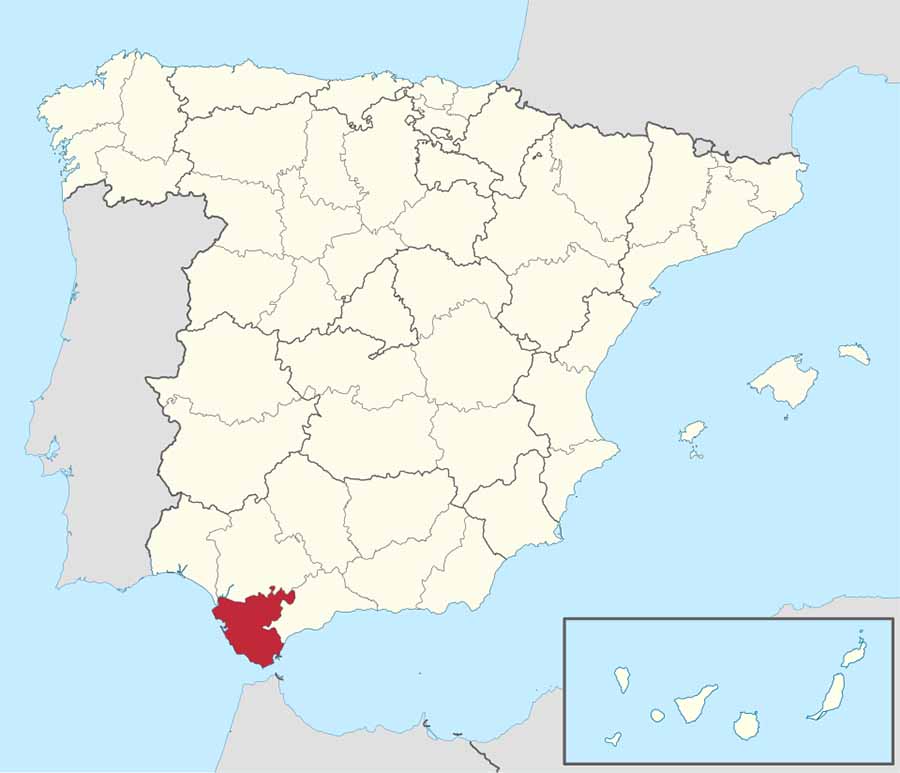
The region
As summer 2026 beckons, Cádiz welcomes travellers with a delightful blend of golden beaches, historic landmarks, and authentic Andalusian culture. This coastal region in southern Spain, surrounded by the Atlantic, offers a rewarding visitor experience for those seeking relaxation, history, and culinary delights.
Cádiz’s coastline is a treasure for beach lovers. Playa de la Victoria in Cádiz city boasts fine sand and gentle waves, perfect for sunbathing or leisurely swims. Nearby, Bolonia Beach near Tarifa draws visitors with its pristine dunes and Roman ruins of Baelo Claudia, ideal for combining history with a day by the sea. For adventure, Tarifa’s windy shores are a haven for kitesurfing and windsurfing, while coastal paths around Conil de la Frontera offer scenic walks with ocean views.
The historic city of Cádiz, one of Europe’s oldest, brims with character. The Cádiz Cathedral, with its golden dome, invites exploration of its baroque interior and tower climbs for panoramic vistas. The Roman Theatre, uncovered in the 1980s, provides a glimpse into ancient life. Strolling through the old town’s narrow streets, visitors can admire pastel-coloured buildings and lively plazas like Plaza de las Flores, perfect for a coffee stop.
Food enthusiasts will relish Cádiz’s culinary offerings. Beachside chiringuitos in Zahara de los Atunes serve fresh seafood, from grilled sardines to tuna tartare, often paired with local Vino de Jerez. Jerez de la Frontera, the heart of sherry production, offers tours of historic bodegas like Tío Pepe, where visitors can sample crisp finos or rich olorosos. Local markets, such as Cádiz’s Mercado Central, brim with fresh prawns, olives, and cheeses, reflecting the region’s maritime and agricultural heritage.
Nature lovers can explore the Doñana National Park, a UNESCO Biosphere Reserve, with its wetlands and diverse wildlife, including flamingos and lynx. The park’s trails are ideal for walking or birdwatching. Inland, the whitewashed village of Vejer de la Frontera offers charming streets and hilltop views, while the Sierra de Grazalema provides hiking routes through pine forests and limestone peaks.
Cádiz’s warm summer climate, with temperatures around 28°C and long sunny days, ensures comfortable exploration. Efficient bus and train connections, alongside car rentals, make travel between Cádiz, Jerez, and coastal towns straightforward. Visitors can browse artisan shops in Chiclana for ceramics or relax in thermal baths at Sancti Petri.
With its mix of sunlit beaches, historic treasures, and gastronomic richness, Cádiz offers a welcoming escape. Whether wandering Cádiz’s ancient streets, surfing in Tarifa, or savouring sherry in Jerez, summer 2026 in Cádiz promises a memorable experience.
The visit
Visitors to the province of Cádiz in southern Spain, part of the Andalusia region, can expect a captivating blend of sun-soaked beaches, ancient history, vibrant cultural traditions, and delectable cuisine in 2026. Known as the “Silver Coast” (Costa de la Luz), Cádiz boasts some of Europe’s most pristine shorelines, alongside one of the continent’s oldest cities, Cádiz itself, founded by the Phoenicians around 1100 BCE. From flamenco rhythms to sherry wine tastings, the province offers a rich tapestry of experiences.
Stunning Natural Landscapes
- Costa de la Luz: Cádiz’s Atlantic coastline stretches from Tarifa to Sanlúcar de Barrameda, featuring golden beaches like Bolonia, with its Roman ruins and massive dune, and Zahara de los Atunes, a kitesurfing haven. Playa de la Barrosa in Chiclana and Conil’s coves offer family-friendly sands and vibrant chiringuitos (beach bars).
- Doñana National Park: A UNESCO World Heritage Site near Sanlúcar, this vast wetland and dune ecosystem is a biodiversity hotspot. Guided tours from El Acebuche or Sanlúcar explore marshes, forests, and beaches, with sightings of Iberian lynx, flamingos, and migratory birds.
- Sierra de Grazalema Natural Park: In northern Cádiz, this rugged park features limestone peaks, deep gorges, and whitewashed villages like Grazalema and Zahara de la Sierra. Hiking trails, such as the Garganta Verde, reveal caves and vulture colonies.
- Strait of Gibraltar: Tarifa, Europe’s southernmost point, offers views of Africa across the strait. Its windy beaches, like Valdevaqueros, are world-famous for windsurfing and kitesurfing.
Historical and Cultural Attractions
- Cádiz City: One of Europe’s oldest continuously inhabited cities, Cádiz’s historic center is a peninsula of narrow streets, baroque churches, and seafront ramparts. Key sites include the Cádiz Cathedral, with its golden dome and crypt, the Roman Theatre (1st century BCE), and the Tavira Tower, offering 360° views via a camera obscura. The La Caleta beach and Genovés Park add charm.
- Jerez de la Frontera: The sherry capital, Jerez boasts historic bodegas (wineries) like Tío Pepe and Sandeman, offering tours and tastings. The Alcázar, a 12th-century Moorish fortress, and the Royal Andalusian School of Equestrian Art, with its horse-dancing shows, are must-sees.
- Baelo Claudia: Near Bolonia, this well-preserved Roman city (2nd century BCE) includes a theater, basilica, and fish-salting factory, set against a stunning beach backdrop.
- White Villages (Pueblos Blancos): Hilltop towns like Arcos de la Frontera, with its cliffside basilica, and Setenil de las Bodegas, where houses are built into caves, showcase Andalusian charm and Moorish heritage.
Culinary Delights
- Seafood: Cádiz’s coastal location yields fresh dishes like pescaíto frito (fried fish), ortiguillas (fried sea anemones), and atún rojo (red tuna) from Barbate’s almadraba fishery. Try cazón en adobo (marinated dogfish) at Cádiz’s Mercado Central food stalls.
- Sherry and Wine: Jerez’s Sherry Triangle (Jerez, El Puerto de Santa María, Sanlúcar) produces fino, manzanilla, and oloroso sherries. Sanlúcar’s manzanilla pairs perfectly with langostinos (prawns). Vejer and Arcos also offer local wines.
- Tapas Culture: Cádiz city’s Plaza de las Flores and Jerez’s Plaza del Arenal are tapas hotspots. Favorites include tortillitas de camarones (shrimp fritters) and papas aliñás (potato salad with vinegar). Vejer’s La Castillería serves innovative Andalusian fare.
- Sweets: Try tocino de cielo (egg yolk custard) and alfajores (honey-almond pastries) in Medina Sidonia, a confectionery hub. Churros with hot chocolate are a breakfast staple.
Festivals and Traditions
- Carnival of Cádiz: Held in February, this world-famous festival rivals Rio’s, with satirical chirigotas (singing groups), colorful costumes, and street parties. The Gran Teatro Falla hosts competitions, but the real fun is in the streets.
- Flamenco: Jerez is a flamenco birthplace, with authentic peñas (clubs) like Peña La Buleria hosting performances. Cádiz city’s La Cava and Vejer’s Peña Flamenca offer intimate shows.
- Semana Santa: Holy Week processions in Jerez and Arcos feature ornate floats, hooded penitents, and haunting saetas (flamenco prayers), drawing smaller crowds than Seville.
- Horse Fairs: Jerez’s Feria del Caballo (May) showcases Andalusian horses, sherry, and flamenco in a festive atmosphere. Sanlúcar’s beach horse races (August) are a unique spectacle.
- Gastronomic Events: Sanlúcar’s Manzanilla Festival (June) and Barbate’s Tuna Week (May) celebrate local flavors with tastings and markets.
Charming Towns and Villages
- Vejer de la Frontera: A whitewashed hilltop village with Moorish walls, boutique hotels, and panoramic views. Its Plaza de España, with a tiled fountain, is a gem, and restaurants like El Jardín del Califa serve Moroccan-Andalusian fusion.
- Conil de la Frontera: A lively fishing town with pristine beaches, a vibrant old town, and nightlife. Its tuna routes highlight almadraba fishing traditions.
- Sanlúcar de Barrameda: At the Guadalquivir River’s mouth, this town is known for manzanilla sherry, Doñana access, and historic palaces like the Duque de Medina Sidonia.
- Medina Sidonia: One of Cádiz’s oldest towns, with Roman aqueducts, a Gothic church, and pastry shops. Its hilltop castle ruins offer views to the Atlantic.
- Tarifa: A bohemian surf town with a Moorish castle, whale-watching tours, and a laid-back vibe, blending Andalusian and Moroccan influences.
Outdoor and Adventure Activities
- Water Sports: Tarifa’s winds make it a global kitesurfing and windsurfing capital, with schools for beginners. Kayaking and paddleboarding are popular in Cádiz and Chiclana bays.
- Hiking and Cycling: The Sierra de Grazalema offers trails like the Pinsapar (Spanish fir forest) route. The Vía Verde de la Sierra, a 38-km greenway, is perfect for cycling through olive groves and tunnels.
- Whale Watching: Tarifa’s strait is a migration route for orcas, dolphins, and pilot whales. Ethical boat tours run from April to October.
- Birdwatching: Doñana and La Breña y Marismas del Barbate Natural Park are prime spots for flamingos, storks, and raptors. Spring and autumn migrations are spectacular.
Practical Information for 2026
- Accessibility: Jerez Airport (XRY) serves Cádiz, with flights from Madrid and European cities. Seville’s airport (SVQ, 1 hour away) is a larger hub. Trains connect Cádiz city to Jerez (40 min) and Seville (1.5 hr). Buses link coastal towns, but a car is ideal for rural areas like Grazalema.
- Accommodation: Cádiz offers historic hotels like Parador de Cádiz, a modern seafront gem, and boutique stays in Vejer (e.g., Casa La Siesta). Jerez’s sherry bodega hotels and Arcos’ rural casas provide unique experiences.
- Climate: Cádiz enjoys a Mediterranean climate (15–30°C), with hot summers and mild, wet winters. Spring (March–May) and autumn (September–November) are ideal for sightseeing; summer suits beachgoers.
- Regulations: Non-EU visitors need travel insurance and proof of funds. The ETIAS (€7) starts mid-2026 for visa-exempt travellers. No specific tourist tax applies in Cádiz as of my knowledge.
- Tourism Trends: Cádiz saw 4.2 million visitors in 2023, with growth in eco-tourism and gastronomy. Sustainable initiatives, like Doñana’s conservation programs, are expanding.
What’s New in 2026
- Sustainable Tourism: Cádiz’s 2021–2026 tourism plan promotes green routes, like e-bike tours in Grazalema and low-impact Doñana visits, aligning with Andalusia’s eco-goals.
- Gastronomic Growth: Jerez’s sherry bodegas are launching immersive tasting experiences, while Cádiz city’s Mercado Central plans a 2026 food hall expansion.
- Cultural Events: The Cádiz Carnival will feature new international chirigota competitions, and Jerez’s Flamenco Festival (February–March) will spotlight young artists.
- Rural Revival: White villages like Setenil and Zahara are enhancing casas rurales and artisanal markets, supported by EU rural funds.
Cádiz offers a soulful slice of Andalusia, where ancient Phoenician roots meet lively flamenco, pristine beaches, and sherry-soaked traditions. Less crowded than Seville or Málaga, it balances coastal relaxation with cultural depth, from Jerez’s equestrian shows to Tarifa’s bohemian vibe. Whether exploring Baelo Claudia’s ruins or savoring tortillitas de camarones by the sea, visitors will find a province brimming with authenticity.
Off the beaten track
The province of Cádiz in southern Spain, part of Andalusia, is renowned for its vibrant Costa de la Luz, historic Cádiz city, and sherry-soaked Jerez, but it also hides a wealth of lesser-known destinations that offer authentic, uncrowded experiences. These off-the-beaten-track locations and attractions showcase Cádiz’s diverse landscapes, ancient history, and cultural depth, perfect for travellers seeking solitude and discovery in 2026. These hidden gem are ideal for those looking to venture beyond the well-trodden paths of Bolonia Beach or Cádiz’s Cathedral.
- Setenil de las Bodegas: Northern Cádiz, Sierra de Cádiz, about 135 km northeast of Cádiz city.: This whitewashed village, one of the Pueblos Blancos, is famous for its houses built directly into overhanging cliffs and caves along the Trejo River. Streets like Calle Cuevas del Sol and Calle Cuevas de la Sombra are shaded by massive rock formations, creating a surreal setting. A small Roman bridge, 16th-century church, and castle ruins add historical charm. Local bakeries sell serranas (almond pastries). Setenil’s unique cave architecture and quiet ambiance make it a standout among Cádiz’s white villages, less touristy than Arcos de la Frontera. Its photogenic streets and riverside cafes offer a serene escape. Visit in spring for wildflowers or autumn to avoid summer heat. Park outside the village, as streets are narrow. Try migas or rabbit stew at Bar Frasquito. Combine with a hike in the nearby Sierra de Grazalema Natural Park.
- Trafalgar Lighthouse and Caños de Meca: Barbate, southern Cádiz, about 60 km southeast of Cádiz city.: The Trafalgar Lighthouse, near the site of the 1805 Battle of Trafalgar, stands on a rocky cape with sweeping views of the Atlantic. The surrounding Caños de Meca area features secluded beaches like Playa de los Caños, with natural freshwater springs, and hidden coves like Cala Aceite. Coastal trails lead to cliffs and pine forests, ideal for hiking or sunset watching. Unlike Tarifa’s bustling beaches, Caños de Meca retains a bohemian, off-grid vibe, popular with locals but overlooked by international tourists. The lighthouse’s historical significance and raw coastal beauty add allure. Visit in late spring or early autumn for mild weather and fewer crowds. Bring water shoes for rocky coves. Enjoy fresh tuna at La Jaima, a hippy-chic beach bar. A car is essential for the rural coast.
- Medina Sidonia’s Archaeological Sites: Medina Sidonia, central Cádiz, about 45 km southeast of Cádiz city.: One of Cádiz’s oldest towns, Medina Sidonia hides Roman and Phoenician remnants, including a 1st-century BCE sewer system (Callejuela de los Hornos) and aqueduct ruins, accessible via guided tours. The hilltop Archaeological Museum displays artifacts from 3000 BCE, and the Santa María la Coronada Church blends Gothic and Plateresque styles. The town’s pastry shops, like Sobrina de las Trejas, are famous for alfajores. Medina Sidonia’s ancient roots and low tourist profile offer a quiet contrast to Jerez or Cádiz city. Its panoramic views and confectionery tradition make it a hidden gem for history buffs and foodies. Book archaeological tours through the town hall or cadizturismo.com. Visit in May for the Feria de la Gastronomía. Wear comfortable shoes for steep cobbled streets. Pair with a sherry tasting in nearby Jerez.
- La Breña y Marismas del Barbate Natural Park: Between Barbate and Vejer de la Frontera, southern Cádiz, about 55 km southeast of Cádiz city.: This compact park encompasses pine forests, 100-meter cliffs, and marshlands along the Atlantic. Trails like the Torre del Tajo path offer cliffside views and access to secluded coves like Playa de Hierbabuena. The park is a birdwatching haven, with ospreys and egrets, and includes the historic Trafalgar watchtower. Mountain biking and horseback riding are also available. Less visited than Doñana National Park, La Breña offers raw coastal and forest beauty with minimal crowds. Its proximity to Vejer makes it an easy day trip for nature lovers seeking solitude. Visit in spring for bird migrations or autumn for cooler hikes. Bring binoculars and water, as facilities are scarce. Try atún encebollado (tuna with onions) in Barbate. A car is needed to reach trailheads.
- Olvera’s Castle and Via Verde: Olvera, northern Cádiz, about 130 km northeast of Cádiz city.: Olvera, a white village crowned by a 12th-century Nasrid castle and the neoclassical Nuestra Señora de la Encarnación Church, offers panoramic views of olive groves. The nearby Vía Verde de la Sierra, a 38-km greenway along a former railway, is perfect for cycling or walking through tunnels and viaducts, passing the Peñón de Zaframagón vulture colony. Olvera’s frontier history and the Vía Verde’s scenic tranquility are overshadowed by more famous Pueblos Blancos like Ronda. The castle’s small museum and the greenway’s rural charm make it ideal for offbeat explorers. Visit in April for Olvera’s Semana Santa or October for olive harvests. Rent bikes at Vía Verde stations (€10–15/day). Try sopa de ajo (garlic soup) at Bar La Plaza. A car is recommended for flexibility.
- Sancti Petri Castle and Marshes: Chiclana de la Frontera, southern Cádiz, about 25 km south of Cádiz city.: This 13th-century island fortress, accessible by kayak or boat from Sancti Petri’s marina, sits amid tidal marshes and salt flats. Once a Phoenician temple to Melqart, it offers views of the Atlantic and migratory birds like flamingos. The surrounding Novo Sancti Petri marshes are ideal for kayaking, birdwatching, or exploring traditional fishing weirs. The castle’s isolation and maritime history make it a hidden gem compared to Cádiz’s urban sites. The marshes’ ecological richness and quiet waterways offer a peaceful contrast to nearby Playa de la Barrosa. Book kayak tours (€15–20) via sanctipetri.es for castle access; summer evenings are magical. Bring sunscreen and binoculars. Enjoy ortiguillas at Restaurante Pizzería La Almadraba. A car is needed for the marina.
- Zahara de la Sierra and Embalse: Sierra de Grazalema Natural Park, northern Cádiz, about 110 km northeast of Cádiz city.: This white village, perched on a hill beneath a 13th-century Nasrid tower, overlooks the turquoise Zahara-Gastor Reservoir. The tower, accessible via a short hike, offers views of the Sierra de Grazalema. The village’s Santa María de la Mesa Church and cobbled streets exude charm. The reservoir is great for kayaking, paddleboarding, or picnicking. Zahara’s dramatic setting and reservoir are less crowded than Grazalema or Arcos, offering a serene Pueblo Blanco experience. Its offbeat location appeals to hikers and water sports enthusiasts. Visit in spring for almond blossoms or autumn for cooler kayaking. The tower is free but steep; wear sturdy shoes. Try venado en salsa (venison stew) at Restaurante Los Naranjos. A car is essential for the park.
- Chipiona’s Faro and Corrales de Pesca: Chipiona, northwestern Cádiz, about 50 km northwest of Cádiz city.: Chipiona’s 69-meter Faro de Chipiona, Spain’s tallest lighthouse (built 1867), offers guided tours with views of the Guadalquivir estuary. Nearby, the corrales de pesca, ancient stone fish traps visible at low tide, reflect centuries-old fishing traditions. The Moscatel Museum highlights Chipiona’s sweet wine heritage, and the Sanctuary of Nuestra Señora de Regla adds spiritual depth. Chipiona’s maritime culture and lighthouse are overshadowed by Sanlúcar’s sherry fame, offering a low-key coastal experience. The corrales’ tidal rhythms create a unique, meditative vibe. Book lighthouse tours (€5–7) via chipionaturismo.es; check tide times for corrales. Spring or autumn avoids summer crowds. Try choco frito (cuttlefish) at Bar La Pañoleta. A car is recommended.
Practical Tips for Off-the-Beaten-Track Exploration
- Transportation: A rental car is crucial, as public transport (buses or trains) is limited outside Cádiz city and Jerez. Roads are well-maintained, but rural routes can be narrow. Use offline maps for spotty cell service.
- Preparation: Pack sunscreen, water, and sturdy shoes for trails and rocky beaches, as facilities are scarce. Layered clothing suits Cádiz’s variable spring/autumn weather; summers are hot (30°C+).
- Timing: Spring (March–May) and autumn (September–November) offer mild weather and vibrant landscapes. Summer is busy but quieter at these sites. Winter brings mild rain but serene solitude.
- Sustainability: Stick to paths to protect ecosystems like La Breña’s cliffs or Doñana’s marshes. Support local artisans (e.g., Medina Sidonia pastries, Chipiona wine) and dine at family-run ventas to boost rural economies.
- Information: Check www.cadizturismo.com or www.andalucia.org for site hours and tour bookings. Some sites, like Sancti Petri or Medina Sidonia’s ruins, require reservations or have limited schedules.
These hidden gems in Cádiz offer intimate encounters with the province’s raw coastlines, ancient villages, and maritime traditions, far from the crowds of Tarifa or Jerez. From cave-built houses in Setenil to tidal fish traps in Chipiona, they showcase Cádiz’s untamed beauty and layered history. The province’s 2021–2026 tourism strategy promotes sustainable rural travel, ensuring these areas remain pristine yet accessible in 2026.
Spain region by region
Almería – Andalusia – Aragón – Asturias – Basque Country – Cádiz – Cantabria – Catalonia – Córdoba – Extremadura – Fuerteventura – Galicia – Gran Canaria – Granada – Huelva – Ibiza – Jaén – La Mancha – La Rioja – Lanzarote – León – Madrid – Majorca – Málaga – Menorca – Murcia – Navarra – Seville – Tenerife – Valencia –