In Extremadura, the traditional folk song El Redoble, a lively jota from the region’s rich musical tradition, carries the spirited line, “With the drum’s beat, Extremadura dances under the sun,” encapsulating the vibrant cultural pride of its rural communities.
The poet Luis Chamizo, born in Guareña, celebrates Extremadura’s rustic soul in his dialect poem La Nacencia, with the verse, “In these plains of oak and stone, my heart grows deep roots,” vividly portraying the region’s expansive landscapes and enduring connection to the land. In cinema, the 2015 Spanish film An Autumn Without Berlin (Un Otoño sin Berlín), set in the starkly beautiful Extremaduran countryside around Plasencia, features the introspective quote, “In Extremadura’s silence, the heart finds its truth,” using the region’s tranquil, rugged scenery to frame a poignant story of love and self-discovery.
The region
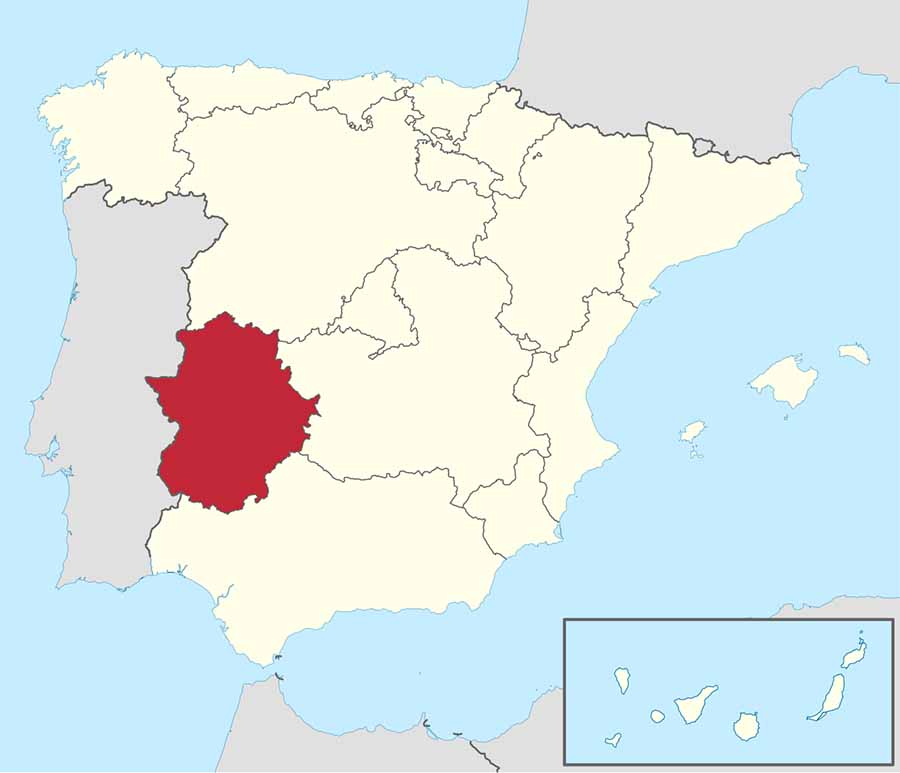
As summer 2026 approaches, Extremadura welcomes travellers with a captivating blend of ancient history, unspoilt landscapes, and authentic Spanish culture. This western region, bordering Portugal, offers a rewarding visitor experience for those seeking heritage, nature, and culinary treasures.
Extremadura’s historic sites are a draw for explorers. Mérida, the region’s capital, boasts the Roman Theatre, a well-preserved amphitheatre where visitors can wander among ancient columns. The Aqueduct of Los Milagros, with its towering arches, showcases Roman engineering. In Cáceres, the medieval old town, a UNESCO World Heritage site, features cobblestone streets and stone palaces like the Palacio de los Golfines. Trujillo’s Plaza Mayor, overlooked by a castle, offers a glimpse into the region’s conquistador past.
Nature lovers will find Extremadura’s landscapes inviting. The Monfragüe National Park, a haven for birdwatchers, is home to vultures, eagles, and storks soaring over rugged cliffs. The Tajo River provides kayaking opportunities, while the Jerte Valley, with its rolling hills and cherry orchards, offers scenic hiking trails. For a unique experience, the Cornalvo Natural Park features serene lakes and Roman-era dams, perfect for leisurely walks.
Food enthusiasts will savour Extremadura’s rustic cuisine. In Badajoz, tabernas like La Corchuela serve local dishes such as migas extremeñas, a savoury breadcrumb dish, and Iberian ham from acorn-fed pigs. The region’s markets brim with Torta del Casar, a creamy sheep’s cheese, and pimentón, a smoky paprika. Visitors can enjoy wine tastings in the Ribera del Guadiana region, sampling bold reds and crisp whites.
For a quieter escape, the whitewashed villages of Alcántara and Zafra charm with their historic bridges and quaint plazas. Alcántara’s Roman bridge spans the Tagus River, while Zafra’s Alcázar, now a parador, offers a historic stay. Cycling routes through the Sierra de Gata provide a peaceful way to explore pine forests and traditional hamlets.
Extremadura’s warm summer climate, with temperatures around 30°C and long sunny days, ensures comfortable exploration. Efficient bus and train connections to Mérida, Cáceres, and Badajoz, alongside car rentals, make travel straightforward. Visitors can browse artisan markets for ceramics or relax in thermal baths at Baños de Montemayor.With its mix of Roman ruins, natural beauty, and gastronomic richness, Extremadura offers a welcoming escape. Whether strolling through Mérida’s ancient sites, hiking in Monfragüe, or tasting Torta del Casar, summer 2026 in Extremadura promises a memorable experience.
The visit
Extremadura, a landlocked region in western Spain, is a hidden gem offering visitors a blend of rich history, unspoiled nature, and authentic culture. Less touristy than other Spanish regions, it boasts ancient cities, vast landscapes, and a slower pace of life. Here’s what visitors can expect in the province of Extremadura:
Cultural and Historical Highlights
- Mérida: The capital, a UNESCO World Heritage Site, is a treasure trove of Roman ruins. Expect to explore the Roman Theatre, still used for performances, the Aqueduct of Los Milagros, and the National Museum of Roman Art. The Temple of Diana and Roman Bridge add to the city’s ancient allure.
- Cáceres: Another UNESCO site, Cáceres’ Old Town is a medieval masterpiece with cobbled streets, Renaissance palaces, and towers like the Torre de Bujaco. Its well-preserved walls and lack of modern intrusions make it a time capsule, famously featured in Game of Thrones.
- Trujillo: This charming town is known for its Plaza Mayor, surrounded by conquistador-era mansions, and the Castle of Trujillo, offering panoramic views. It’s the birthplace of Francisco Pizarro, with a museum dedicated to his legacy.
- Guadalupe: Home to the Royal Monastery of Santa María de Guadalupe, a UNESCO site, this pilgrimage destination blends Gothic, Mudéjar, and Renaissance styles. The town’s cobblestone streets and traditional crafts add charm.
- Festivals: Extremadura’s traditions shine in events like Holy Week in Cáceres, with solemn processions, and the WOMAD Festival in Cáceres for global music. Rural fairs, like Trujillo’s Cheese Festival, celebrate local produce.
Natural Attractions
- Monfragüe National Park: A haven for birdwatchers, this park in central Extremadura is home to vultures, eagles, and storks. Trails like the Castillo de Monfragüe offer stunning views of the Tagus River and rugged cliffs.
- Coria Valley and Sierra de Gata: In the north, these areas feature rolling hills, olive groves, and rivers perfect for kayaking or swimming. Villages like Robledillo de Gata showcase slate architecture and serene landscapes.
- La Vera and Jerte Valley: Famous for cherry blossoms in spring, these northern regions offer hiking in the Garganta de los Infiernos (Hell’s Gorge) and waterfalls. La Vera’s microclimate supports paprika production, a local staple.
- Cork Oak Dehesas: Extremadura’s iconic pastoral landscapes, dotted with holm oaks and grazing Iberian pigs, are ideal for walks, stargazing (a Starlight Reserve), or learning about sustainable farming.
Activities
- Historical Exploration: Wander Mérida’s Roman ruins, climb Cáceres’ medieval towers, or tour Trujillo’s conquistador palaces. Smaller towns like Zafra, with its Alcázar, offer quieter historical gems.
- Outdoor Adventures: Hike or cycle in Monfragüe, kayak on the Guadiana River, or horse-ride through the dehesas. The Vía Verde de la Plata is a scenic old railway path for biking.
- Food and Wine Tours: Sample Extremadura’s cuisine at local markets or visit Ribera del Guadiana wineries for reds and whites. Tours of Iberian ham producers in Montánchez reveal the art of jamón ibérico.
- Cultural Immersion: Attend a flamenco performance in Badajoz, explore artisan crafts in Guadalupe, or join a rural festival for authentic Extremaduran vibes.
Cuisine
- Extremaduran Flavors: Expect hearty dishes like migas (fried breadcrumbs with sausage), caldereta de cordero (lamb stew), and Torta del Casar, a creamy sheep’s cheese. Desserts include perrunillas (almond cookies).
- Iberian Ham: Extremadura is a hub for jamón ibérico de bellota, made from acorn-fed pigs. Visit producers in the Dehesa de Extremadura for tastings.
- Local Markets: Cáceres’ Mercado de Abastos or Mérida’s markets brim with fresh produce, cheeses, and paprika from La Vera. Badajoz offers lively tapas bars.
Practical Notes
- Climate: Hot summers (30-40°C) and cool winters (0-15°C) make spring (March-May) and autumn (September-November) ideal. Cherry blossom season in Jerte (March-April) is a highlight.
- Accessibility: Extremadura is accessible via Badajoz Airport, but most visitors arrive by train or bus from Madrid (2.5-4 hours to Mérida or Cáceres). A car is recommended for rural areas, with good road networks.
- Language: Spanish is the main language; English is limited outside tourist sites, so basic Spanish phrases help in rural areas.
- Ambiance: Expect a relaxed, authentic atmosphere with warm locals proud of their heritage. Extremadura feels untouched by mass tourism, offering a genuine Spanish experience.
Unique Aspects
- Historical Depth: From Roman grandeur to conquistador legacies, Extremadura’s past is palpable, with Mérida rivaling Rome for archaeological riches.
- Untouched Nature: Vast parks and dehesas provide solitude and biodiversity, ideal for eco-conscious travellers.
- Culinary Pride: The region’s focus on quality produce, like ham and cheese, reflects its agrarian roots and sustainable traditions.
Extremadura is a destination for history buffs, nature lovers, and foodies seeking an unpolished, deeply Spanish experience, where ancient cities and wild landscapes create lasting memories.
Off the beaten track
Extremadura, a lesser-touristed region in western Spain, is rich with hidden gems that offer authentic experiences away from the well-trodden paths of Mérida, Cáceres, and Trujillo. These off-the-beaten-track locations and attractions showcase the region’s diverse history, unspoiled landscapes, and vibrant local culture, perfect for travellers seeking solitude and discovery. Here are some standout spots:
- Cornalvo Natural Park and Roman Dam: Located near Mérida in central Extremadura, this tranquil park surrounds the Cornalvo Dam, a remarkably preserved 1st-century Roman structure still in use for irrigation. Hike or cycle through oak and cork forests to spot wildlife like deer, otters, and kingfishers. The dam, part of the Roman hydraulic system, is a quiet marvel with stonework intact. Trails lead to scenic viewpoints over the reservoir, and the park’s interpretation center explains its ecology and history. Nearby, the Proserpina Dam, another Roman relic, adds to the area’s archaeological appeal. Overshadowed by Mérida’s flashier Roman sites, Cornalvo sees few visitors, offering a peaceful blend of nature and history. Visit in spring for wildflowers, and bring binoculars for birdwatching. Pack a picnic, as facilities are minimal.
- Robledillo de Gata and Sierra de Gata Villages: Tucked in the northwest Sierra de Gata, Robledillo de Gata is a picturesque village of slate and stone houses, located in a lush valley near the Portuguese border. Wander narrow streets to see traditional architecture and the Church of Nuestra Señora de la Asunción. The Oil and Wine Museum showcases local production, with tastings of regional olive oil. Nearby hiking trails lead to waterfalls and chestnut groves. Other Sierra de Gata villages, like San Martín de Trevejo, offer similar charm and bilingual street signs in the local dialect, A Fala. Its remote location and lack of major landmarks keep it a secret, even among Spaniards, attracting mainly hikers and cultural enthusiasts. Visit in autumn for vibrant foliage and harvest festivals, and try caldereta (goat stew) at a local tavern.
- Alcántara and its Roman Bridge: In western Extremadura near the Portuguese border, Alcántara is a small town famous for its 2nd-century Roman Bridge of Alcántara, a six-arched engineering marvel spanning the Tagus River. The bridge, still in use, is a UNESCO candidate, with stunning views from its base or nearby trails. Explore Alcántara’s Convent of San Benito, a 16th-century gem with Gothic cloisters, and the Church of Santa María de Almocóvar. The surrounding International Tagus Natural Park offers kayaking and birdwatching (vultures, storks). The town’s quiet streets host a low-key Classical Theatre Festival in summer. Despite its historical significance, Alcántara remains overlooked compared to Mérida’s Roman sites, offering a serene escape. Visit at sunset for dramatic bridge views, and bring sturdy shoes for riverside trails.
- Jerez de los Caballeros: In southern Extremadura’s Badajoz province, this historic town, often called the “Cradle of the Conquistadors,” is a hidden gem with a rich Templar and Baroque heritage. Admire the Church of San Miguel, with its ornate Baroque tower, and the Fortress of Jerez, a Templar castle with panoramic views. The Dolmen of Toriñuelo, a nearby megalithic tomb, adds prehistoric intrigue. Jerez is a hub for Iberian ham, with local producers offering tastings. The town’s Holy Week processions rival those of bigger cities but feel more intimate. Its location off major tourist routes and focus on local traditions keep it under the radar. Visit in spring for mild weather, and pair with a ham-tasting tour at a nearby dehesa (pastoral estate).
- Los Barruecos Natural Monument: Near Malpartida de Cáceres, this surreal landscape of granite boulders, ponds, and stork nests feels otherworldly, earning it a spot as a filming location for Game of Thrones. Wander trails among giant, weathered rocks and spot white storks nesting atop them. The Vostell Malpartida Museum, an avant-garde art space set in an old wool-washing complex, blends modern art with the landscape, showcasing Wolf Vostell’s works. The area’s wetlands attract herons and cranes, ideal for birdwatching. Despite its cinematic fame, Los Barruecos remains a local haunt, far less visited than Cáceres’ Old Town. Visit in late afternoon for golden light on the boulders, and wear comfortable shoes for uneven terrain.
- Valencia de Alcántara’s Megalithic Route: In western Extremadura near Portugal, Valencia de Alcántara is a gateway to one of Spain’s largest concentrations of dolmens (Neolithic tombs), scattered across rolling countryside. Follow the Megalithic Route to visit dolmens like Dolmen Tapada del Anta, some dating back 5,000 years, set in serene oak groves. The town itself has a Gothic Church of Nuestra Señora de Rocamador and a historic Jewish Quarter. Cross-border trails lead to Portugal’s Marvão, a hilltop village. The area’s Gothic Wedding Festival in summer celebrates a 14th-century royal marriage. The niche appeal of prehistoric archaeology and the town’s remote border location deter mass tourism. Rent a car for the dolmen circuit, and visit in spring for blooming wildflowers. Bring a map, as signage can be sparse.
- La Vera’s Hidden Gorges and Villages: While La Vera’s cherry blossoms draw some spring visitors, its lesser-known villages and gorges in northern Extremadura offer year-round tranquility in the Sierra de Gredos foothills. Explore Cuacos de Yuste, home to the Monastery of Yuste, where Emperor Charles V retired, but venture beyond to smaller hamlets like Garganta la Olla, with its timbered houses and natural pools in the Garganta Mayor. Hike to waterfalls like Caozo Falls or visit Villanueva de la Vera for paprika-drying sheds and traditional festivals. Local eateries serve pimentón-spiced dishes. Most tourists stick to Jerte Valley’s blossoms, leaving La Vera’s quieter corners to locals and in-the-know travellers. Visit in autumn for paprika harvest season, and pack swimwear for a dip in the gorges’ chilly pools.
Practical Notes
- Access: A car is essential for these rural spots, as public transport is limited outside Mérida and Cáceres. Roads are well-maintained, but some mountain routes are narrow.
- Season: Spring (March-May) and autumn (September-November) offer mild weather (15-25°C) and vibrant landscapes. Summer can hit 35-40°C, while winter is cool (0-15°C) but quiet.
- Preparation: Pack layers for variable weather, especially in northern mountains. Check opening hours for sites like Vostell Museum or Yuste Monastery, as some have limited schedules. Rural areas may have few dining options, so bring snacks.
- Local Vibe: These locations exude Extremadura’s unhurried, authentic charm, with locals proud of their heritage. Basic Spanish is helpful, as English is rare outside urban centers.
These off-the-beaten-track destinations in Extremadura reveal the region’s diverse tapestry, from Roman engineering to prehistoric tombs, surreal landscapes to slate villages, offering travellers a chance to explore Spain’s wild, historical heart without the crowds.
Spain region by region
Almería – Andalusia – Aragón – Asturias – Basque Country – Cádiz – Cantabria – Catalonia – Córdoba – Extremadura – Fuerteventura – Galicia – Gran Canaria – Granada – Huelva – Ibiza – Jaén – La Mancha – La Rioja – Lanzarote – León – Madrid – Majorca – Málaga – Menorca – Murcia – Navarra – Seville – Tenerife – Valencia –