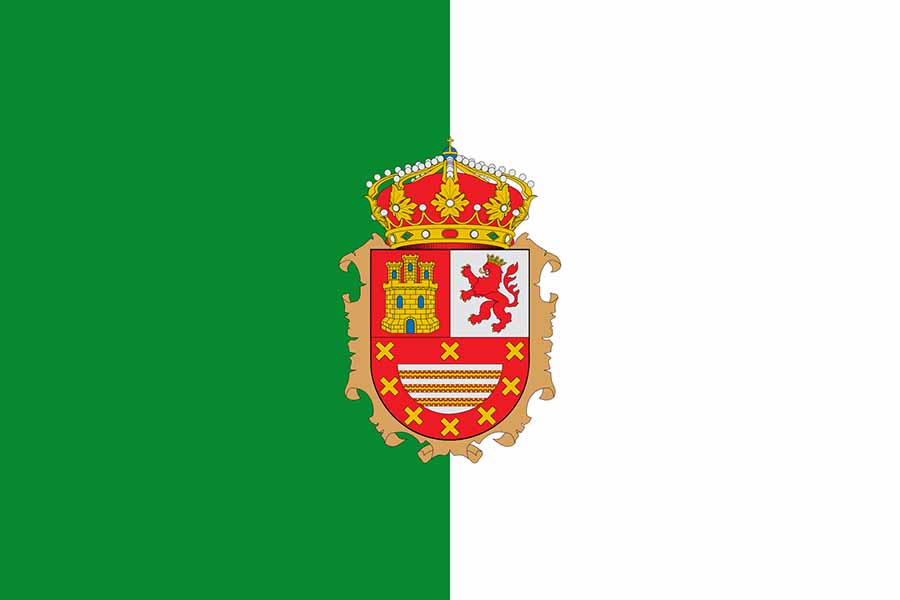
In Fuerteventura, the traditional Canarian song Isa de Fuerteventura celebrates the island’s windswept beauty with the line, “The waves sing to the sands, Fuerteventura’s heart beats free,” capturing the region’s serene coastal spirit and vibrant musical heritage.
The poet Domingo Velázquez, born in Fuerteventura, evokes the island’s stark landscapes in his poem Viento y Arena, with the verse, “In Fuerteventura’s dunes, the wind carves tales of eternity,” reflecting the region’s timeless desert-like allure and poetic resonance. On screen, the 2019 Spanish TV series Hierro, while primarily set in the Canary Islands, references Fuerteventura’s rugged shores in its crime drama, with the haunting quote, “On these wild coasts, secrets wash ashore with the tide,” using the island’s dramatic seascapes to enhance the narrative’s sense of isolation and mystery.
The island
As summer 2026 beckons, Fuerteventura, the second-largest of the Canary Islands, invites travellers with a captivating blend of sun-drenched beaches, desert-like landscapes, and laid-back island culture. This Atlantic gem, known for its year-round sunshine, offers a rewarding visitor experience for those seeking relaxation, adventure, and natural beauty.
Fuerteventura’s coastline, stretching over 150 kilometres, is a paradise for beach lovers. Playa de Corralejo, with its powdery white sand and turquoise waters, is perfect for sunbathing or kitesurfing. For a quieter escape, Playa de Cofete on the Jandía peninsula offers wild, unspoilt shores backed by rugged mountains. Coastal paths around El Cotillo provide scenic walks, while water enthusiasts can enjoy windsurfing or snorkelling in the island’s crystal-clear lagoons.
The island’s interior captivates with its unique landscapes. The Corralejo Dunes Natural Park features vast sand dunes that resemble a miniature Sahara, ideal for hiking or photography. Betancuria, the island’s historic capital, charms with its whitewashed houses and the 17th-century Santa María Church. Visitors can explore the rural charm of La Oliva, where the Casa de los Coroneles, a restored manor, offers a glimpse into Fuerteventura’s colonial past.
Food lovers will relish Fuerteventura’s simple yet flavourful cuisine. In Puerto del Rosario, restaurants like Casa Tono serve fresh seafood, from grilled parrotfish to octopus salad, paired with local wines from the La Geria region. Markets in Morro Jable brim with goat cheese and mojo sauces, a Canarian staple. Beachside chiringuitos in Caleta de Fuste offer relaxed dining with papas arrugadas, wrinkled potatoes served with spicy or green mojo.
Nature enthusiasts will find plenty to explore. The Jandía Natural Park boasts volcanic landscapes and trails leading to Pico de la Zarza, the island’s highest point, with sweeping ocean views. The Islote de Lobos, a small islet off Corralejo, offers snorkelling and birdwatching among protected wetlands. For a unique experience, the Tindaya Mountain, revered by ancient inhabitants, provides hiking routes through sacred terrain.
Fuerteventura’s warm summer climate, with temperatures around 27°C and constant trade winds, ensures comfortable exploration. Regular ferries to Lanzarote and bus services across the island, alongside car rentals, make travel straightforward. Visitors can browse artisan shops in Antigua for aloe vera products or relax in natural pools at Aguas Verdes.
With its mix of pristine beaches, historic villages, and culinary delights, Fuerteventura offers a welcoming escape. Whether lounging on Corralejo’s dunes, exploring Betancuria, or savouring fresh fish, summer 2026 in Fuerteventura promises a memorable experience.
The visit
Fuerteventura, the second-largest of Spain’s Canary Islands, is a sun-soaked paradise known for its endless beaches, volcanic landscapes, and laid-back vibe. Located in the Atlantic Ocean off the coast of Africa, it offers a unique blend of natural beauty, water sports, and Canarian culture. Here’s what visitors can expect:
Natural Attractions
- Beaches: Fuerteventura boasts over 150 km of coastline with some of the best beaches in Europe. Corralejo Natural Park features white dunes and turquoise waters, while Cofete Beach on the Jandía Peninsula is wild and remote, backed by rugged mountains. Sotavento Beach is a windsurfing hotspot with a stunning lagoon.
- Volcanic Landscapes: The island’s stark, desert-like terrain includes volcanic craters like Calderón Hondo and the Malpaís de la Arena, ideal for hiking and photography. The Tindaya Mountain, considered sacred by ancient inhabitants, offers spiritual and scenic allure.
- Marine Life: The surrounding Atlantic is rich with marine biodiversity, perfect for snorkeling, diving, or dolphin- and whale-watching tours, especially around Los Lobos Island, a protected islet near Corralejo.
- Natural Pools: Spots like Agua Dulces and Caleta de Fuste feature sheltered tidal pools for safe swimming amid dramatic cliffs.
Cultural and Historical Highlights
- Betancuria: The island’s former capital, this charming village is a historical gem with cobbled streets, the 17th-century Church of Santa María, and the Archaeological Museum, showcasing the indigenous Guanche culture.
- Puerto del Rosario: The modern capital offers a relaxed vibe with street art, the Casa Museo Unamuno, and a lively marina. Its Playa Chica is great for a quick dip.
- Traditional Villages: Towns like La Oliva (home to the Casa de los Coroneles, a colonial manor) and Pájara (with its unique Aztec-inspired church) reflect Fuerteventura’s Canarian heritage.
- Festivals: Expect vibrant celebrations like the Carnival in February, with parades and costumes, or the Fiesta de la Virgen de la Peña in Betancuria (September), blending religious processions with local music. The International Kite Festival at Corralejo’s dunes in November is a colorful spectacle.
Activities
- Water Sports: Fuerteventura is a mecca for windsurfing, kitesurfing, and surfing, with world-class spots like Sotavento and Flag Beach. Beginners can join schools in Corralejo or Costa Calma.
- Hiking and Cycling: Trails in Jandía Natural Park or around Calderón Hondo offer volcanic vistas. The island’s flat terrain and coastal paths are cyclist-friendly.
- Cultural Exploration: Visit Tiscamanita’s Windmill Interpretation Centre to learn about traditional gofio (roasted grain) production, or explore La Alcogida Ecomuseum in Tefía for a glimpse of rural Canarian life.
- Relaxation: Lounge on beaches, unwind at spa resorts in Costa Calma, or enjoy yoga retreats in tranquil settings like Lajares.
- Boat Trips: Day trips to Los Lobos or deep-sea fishing excursions from Morro Jable provide ocean adventures.
Cuisine
- Canarian Flavors: Savor dishes like papas arrugadas (wrinkled potatoes with mojo sauce), sancocho (fish stew), and majorero goat cheese, a local specialty with Denomination of Origin status. Fresh seafood, like grilled limpets or octopus, is abundant.
- Dining: From beachfront chiringuitos in Corralejo to rustic taverns in inland villages, expect affordable, hearty meals. Puerto del Rosario’s tapas bars offer modern twists on Canarian classics.
- Local Drinks: Try Barraquito (a layered coffee with condensed milk), Canarian wines, or ron miel (honey rum) at local markets or restaurants.
Practical Notes
- Climate: Fuerteventura enjoys a mild, sunny climate year-round, with temperatures averaging 20-25°C in winter and 25-30°C in summer. Strong trade winds make it a “windy island,” ideal for water sports but requiring light jackets.
- Accessibility: Fuerteventura Airport near Puerto del Rosario has direct flights from Europe. Ferries connect to Lanzarote and other islands. Car rentals are recommended for exploring, as public buses are limited outside main towns.
- Language: Spanish is the official language, but English and German are widely spoken in tourist areas due to European visitors.
- Ambiance: Expect a relaxed, unpretentious vibe with a mix of local Canarian culture and international influences from surfers and expats. The island feels less commercialized than Tenerife or Gran Canaria.
Unique Aspects
- Desert-Like Beauty: Fuerteventura’s arid, lunar landscapes and vast beaches give it a raw, almost otherworldly charm, distinct from greener Canary Islands.
- Surfing Culture: The island’s world-class waves and winds attract a global community of water sports enthusiasts, creating a vibrant, active scene.
- Guanche Heritage: Traces of the indigenous Guanches, from cave paintings to sacred sites, add a layer of ancient mystique.
Fuerteventura is a haven for beach lovers, adventure seekers, and those craving a slower-paced escape, offering endless sunshine, dramatic scenery, and a taste of authentic Canarian life.
Off the Beaten Path
Fuerteventura, known for its stunning beaches and windsurfing, hides a wealth of lesser-visited spots that offer tranquility, unique history, and raw natural beauty. These off-the-beaten-track locations and attractions provide an authentic taste of the island’s Canarian soul, away from the busier resorts of Corralejo and Costa Calma. Here are some hidden gems:
- Ajuy and the Cuevas de Ajuy: Located on Fuerteventura’s west coast, the small fishing village of Ajuy is a serene escape with black sand beaches and dramatic cliffs, far from the island’s tourist hubs. Explore the Cuevas de Ajuy, sea caves carved by volcanic activity, accessible via a short coastal path. The caves, with their massive chambers and ocean views, are a geological marvel. Wander Ajuy’s quiet streets to see traditional Canarian houses and enjoy fresh seafood at family-run restaurants like La Jaula de Oro. The nearby Punta de la Horadada offers rugged hiking trails with sunset vistas. Its remote western location and lack of resort development keep Ajuy a local favorite, attracting adventurous travellers. Visit at low tide for easier cave access, and wear sturdy shoes for the rocky path. Pair with a stop at the nearby Mirador de las Peñas for panoramic views.
- Tiscamanita and the Molino de Tiscamanita: In the island’s central plains, the sleepy village of Tiscamanita is a hub of traditional agriculture, centered around its restored 19th-century windmill. The Molino de Tiscamanita Interpretation Centre offers insights into the production of gofio, a Canarian staple made from roasted grains, with displays on windmill technology and rural life. Explore the surrounding aloe vera fields, where small farms like Aloe Vera Fresca offer tours and product tastings. The village’s quiet charm and nearby hiking trails through volcanic badlands add to its appeal. Far from coastal resorts, Tiscamanita attracts those interested in Canarian heritage rather than beach tourism. Visit in the morning when the mill is open, and buy local gofio or aloe products as souvenirs. Bring a hat for sun protection in the open plains.
- La Pared and its Archaeological Site: On the western Jandía Peninsula, La Pared is a quiet village named for an ancient wall built by the Guanches, the island’s indigenous people, with nearby archaeological treasures. Explore the Archaeological Site of La Pared, featuring Guanche stone structures and petroglyphs, offering a glimpse into pre-Hispanic life. The village’s wild Playa de la Pared is a surfer’s haven with dramatic waves and cliffs, ideal for sunset walks. A short hike to the Istmo de la Pared, the island’s narrowest point, reveals views of both coasts. Local eateries serve Canarian dishes like papas arrugadas. Its small size and focus on niche archaeology keep it off most tourist radars, despite proximity to Costa Calma. Visit with a guide for archaeological context, and check tide times for beach safety. Spring offers milder weather for hiking.
- El Cotillo’s Hinterland and Tostón Lighthouse: While El Cotillo is known for its lagoons, its inland areas and northern tip around the Faro del Tostón (Tostón Lighthouse) offer solitude and rugged beauty. The lighthouse, perched on a windswept coast, houses a small Fishermen’s Museum detailing Fuerteventura’s maritime history. Nearby, the Volcán de Bayuyo trail leads through stark lava fields with views of Lanzarote. The secluded Playa de la Concha, just south, is a hidden gem for snorkeling. Inland, the Casa de los Coroneles in La Oliva, a 17th-century manor, is a quiet cultural stop. Most visitors stick to El Cotillo’s beaches, leaving the northern trails and historical sites largely unexplored. Visit at dusk for lighthouse views, and bring a windbreaker for the exposed coast. Combine with a stop at Majada Marcial, a nearby cheese farm for majorero goat cheese.
- Pájara’s Rural Surroundings and Betancuria’s Backroads: The inland areas around Pájara and Betancuria, in central Fuerteventura, reveal quiet villages, sacred sites, and volcanic landscapes far from coastal crowds. Near Pájara, the Ermita de Nuestra Señora de la Peña, a tiny chapel in the Vega de Río Palmas, hosts a pilgrimage festival (September) and sits amid palm-filled ravines. Hike the Barranco de las Peñitas for dramatic rock formations and Guanche history. In Betancuria’s backroads, the Morro Velosa Viewpoint, designed by César Manrique, offers sweeping views of northern volcanoes. Small hamlets like Valle de Santa Inés exude rustic charm. These inland spots are overshadowed by Betancuria’s main village and coastal resorts, attracting hikers and cultural explorers. Visit in spring for lush ravines, and stop at a local venta (tavern) for sancocho (fish stew). A 4×4 vehicle helps for rugged backroads.
- Pozo Negro: A tiny fishing hamlet on the east coast near Gran Tarajal, Pozo Negro is a secluded spot with a black pebble beach and archaeological significance. Explore the Poblado de La Atalayita, an ancient Guanche settlement with stone houses and corrals, offering insight into pre-colonial life. The calm Playa de Pozo Negro is perfect for quiet swims or kayaking, with clear waters for snorkeling. The village’s single restaurant, Restaurante Los Pescadores, serves fresh fish caught daily. Nearby, the Malpaís Grande lava fields invite short hikes. Its isolation and lack of amenities deter crowds, appealing to those seeking history and solitude. Visit midweek to avoid local weekenders, and bring water and sunscreen, as shade is scarce. Pair with a drive to the Entallada Lighthouse for coastal views.
- Giniginámar: A remote fishing village on the southeast coast, Giniginámar is a peaceful retreat with a volcanic beach and traditional Canarian life, far from resort developments. The Playa de Giniginámar, with its dark sand and calm waters, is ideal for low-key relaxation or fishing. Wander the village’s quiet streets to see whitewashed homes and the small Church of San Antonio. Nearby, the Cuchillos de Vigán Natural Monument, a striking ridge of jagged peaks, offers hiking and photography opportunities. Local families sell homemade queso majorero (goat cheese). Its small size and distance from major towns make it a haven for those escaping tourist zones. Visit in the evening for cooler temperatures, and try local cheese with Canarian wine at a nearby venta. A car is essential for access.
Practical Notes
- Access: A car (preferably 4×4 for rugged areas) is crucial, as public buses rarely serve these remote spots. Roads are generally good, but some tracks are unpaved.
- Season: Year-round mild weather (20-25°C winter, 25-30°C summer) makes any time suitable, but spring (March-May) offers lush landscapes, and autumn (September-November) avoids summer winds.
- Preparation: Pack sun protection, water, and sturdy shoes for rocky trails. Check cave or museum hours (e.g., Tiscamanita, Ajuy), as some require reservations. Dining options are limited, so bring snacks.
- Local Vibe: These spots exude Fuerteventura’s unhurried, authentic Canarian spirit, with locals welcoming but reserved. Basic Spanish helps, as English is less common away from resorts.
These off-the-beaten-track destinations in Fuerteventura highlight the island’s volcanic drama, Guanche heritage, and serene coastal hamlets, offering travellers a chance to connect with its wild, unpolished essence far from the crowded beaches.
Spain region by region
Almería – Andalusia – Aragón – Asturias – Basque Country – Cádiz – Cantabria – Catalonia – Córdoba – Extremadura – Fuerteventura – Galicia – Gran Canaria – Granada – Huelva – Ibiza – Jaén – La Mancha – La Rioja – Lanzarote – León – Madrid – Majorca – Málaga – Menorca – Murcia – Navarra – Seville – Tenerife – Valencia –