In Galicia, the traditional song Negra Sombra by Rosalía de Castro, set to music, captures the region’s melancholic soul with the line, “Dark shadow that haunts me, in the depths of my heart you dwell,” reflecting the deep emotional resonance of Galician folklore.
The poet Xosé María Díaz Castro, a native of Guitiriz, celebrates Galicia’s misty landscapes in his poem Nimbos, with the verse, “In Galicia’s green hills, the rain writes poems on the stone,” evoking the region’s lush, poetic terrain and Celtic spirit. On screen, the 2019 Spanish film O Que Arde (Fire Will Come), directed by Oliver Laxe and set in the Galician countryside, features the poignant quote, “In these forests, the fire speaks what words cannot,” using Galicia’s rugged, verdant backdrop to weave a tale of destruction and redemption.
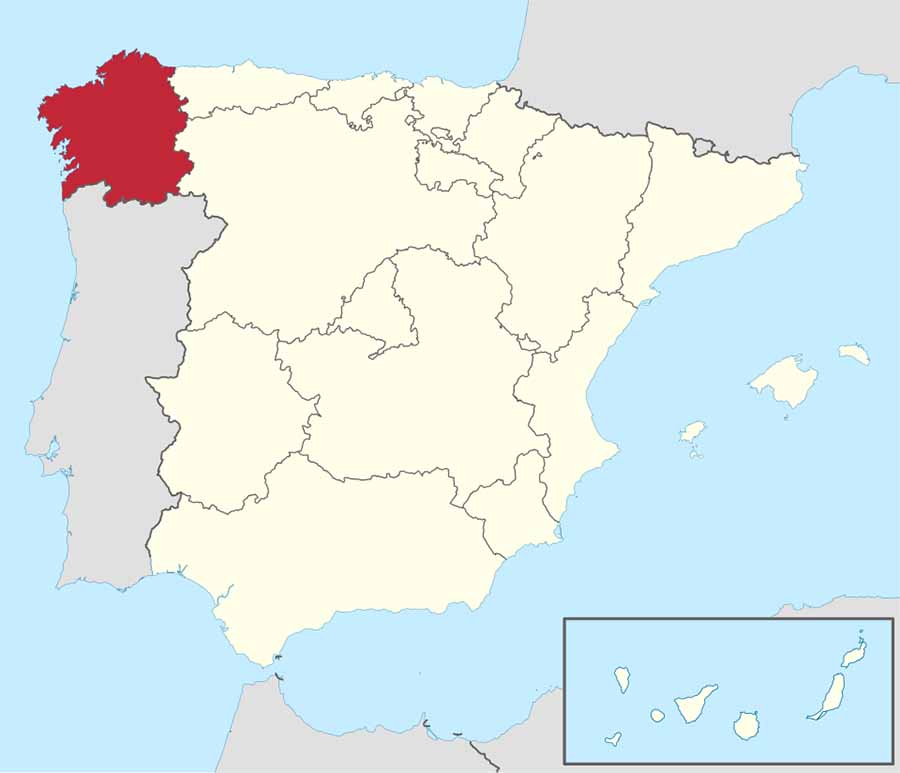
The region
As summer 2026 approaches, Galicia welcomes travellers with a captivating blend of rugged coastlines, historic landmarks, and authentic Spanish culture. This northwestern region, bordered by the Atlantic and Cantabrian Sea, offers a rewarding visitor experience for those seeking nature, history, and culinary treasures.
Galicia’s coastline, with over 1,500 kilometres of beaches and cliffs, is a haven for explorers. Playa de las Catedrales in Ribadeo, with its natural rock arches, is ideal for scenic walks at low tide. For a classic beach day, Samil Beach in Vigo boasts golden sands and calm waters, perfect for swimming or paddleboarding. The Costa da Morte’s wild shores near Fisterra offer surfing opportunities, while coastal paths around A Coruña provide stunning ocean views.
Santiago de Compostela, the region’s historic heart, captivates with its grand cathedral, a masterpiece of Romanesque architecture housing the tomb of St. James. The city’s old town, with its granite streets and arcaded plazas, invites leisurely strolls. In Lugo, the Roman Walls, a UNESCO World Heritage site, encircle the city, offering panoramic walks. A Coruña’s Tower of Hercules, an ancient Roman lighthouse, provides a glimpse into Galicia’s maritime past.
Food lovers will relish Galicia’s renowned cuisine. In Vigo’s A Pedra market, stalls brim with fresh octopus, razor clams, and percebes, paired with crisp Albariño wines. Restaurants like Casa Solla in Pontevedra serve pulpo á feira, tender octopus with paprika, or empanadas filled with cod. Coastal villages like Cambados offer seafood feasts at chiringuitos, while inland markets in Ourense sell chestnut-fed pork and tetilla cheese.
Nature enthusiasts will find Galicia’s landscapes diverse. The Islas Cíes, part of the Atlantic Islands National Park, feature pristine beaches and hiking trails with views of turquoise waters. The Ribeira Sacra, with its terraced vineyards and Sil River canyons, offers boat tours and cycling routes. For a unique experience, the Fragas do Eume, a lush forest reserve, invites exploration of its ancient oak groves and monasteries.
Galicia’s mild summer climate, with temperatures around 22°C and occasional light showers, ensures comfortable exploration. Efficient train and bus networks, alongside car rentals, make travel between Santiago, Vigo, and coastal towns straightforward. Visitors can browse artisan shops in Allariz for linen textiles or relax in thermal baths at Ourense’s As Burgas.
With its mix of coastal beauty, historic treasures, and gastronomic richness, Galicia offers a welcoming escape. Whether strolling along Playa de las Catedrales, admiring Santiago’s cathedral, or savouring fresh octopus, summer 2026 in Galicia promises a memorable experience.
The visit
Galicia, a lush and rugged region in northwest Spain, offers visitors a unique blend of Celtic heritage, dramatic coastlines, verdant countryside, and vibrant cultural traditions. Known for its misty landscapes, pilgrimage routes, and seafood-rich cuisine, Galicia feels distinct from the rest of Spain. Here’s what visitors can expect:
Natural Attractions
- Coastlines: Galicia’s 1,200 km of coastline includes the wild Costa da Morte (Coast of Death) with cliffs and lighthouses, and the serene Rías Baixas, fjord-like estuaries with beaches like Playa de las Catedrales, famous for its rock arches. The Cíes Islands, part of the Atlantic Islands National Park, offer pristine beaches and hiking.
- Mountains and Forests: Inland, the Ancares and Courel Mountains provide rugged hiking trails through chestnut and oak forests. The Fragas do Eume, a rare Atlantic forest, is a biodiversity hotspot with rivers and monasteries.
- Rivers and Hot Springs: The Miño and Sil Rivers carve scenic canyons, ideal for kayaking or wine tours in Ribeira Sacra. Natural hot springs, like those in Ourense, offer relaxing thermal baths.
Cultural and Historical Highlights
- Santiago de Compostela: Galicia’s capital and the endpoint of the Camino de Santiago pilgrimage, this UNESCO World Heritage city centers on the Cathedral of Santiago, believed to house St. James’ remains. Its cobblestone streets, Plaza do Obradoiro, and lively tapas bars exude charm.
- A Coruña: A coastal city with the Tower of Hercules, the world’s oldest working lighthouse (UNESCO site), and a vibrant promenade. The Domus Museum explores human biology interactively.
- Lugo: Known for its intact Roman Walls (UNESCO site), encircling the old town, and its Roman bridge. The city’s thermal baths add historical depth.
- Pontevedra and Vigo: Pontevedra’s car-free old town is a medieval gem, while Vigo blends industrial grit with coastal beauty and the Islas Cíes ferry port.
- Traditional Villages: Stone-built pazos (manor houses) and fishing villages like Combarro or Muros showcase Galicia’s maritime and rural heritage.
- Festivals: Galicia’s Celtic roots shine in events like the Festa do Albariño (wine festival in Cambados), Rapa das Bestas (wild horse roundup), and San Froilán in Lugo, with octopus feasts. The Apostle Festival in Santiago (July) features fireworks and pilgrim celebrations.
Activities
- Pilgrimage: Walk or cycle the Camino de Santiago, with routes like the French Way or Coastal Path, blending spirituality, scenery, and camaraderie.
- Outdoor Adventures: Surf at beaches like Pantín, hike in the O Courel Geopark, or kayak in the Rías Baixas. The Sil Canyon offers thrilling boat tours.
- Cultural Exploration: Visit Celtic castros (hillforts) like Santa Trega, explore museums like MARCO in Vigo for contemporary art, or tour Menhir fields in Terra de Melide.
- Food and Wine Tours: Sample Albariño wines in Rías Baixas or Ribeiro wines in Ribeira Sacra. Seafood markets in O Grove or tapas crawls in Santiago highlight Galicia’s culinary prowess.
- Relaxation: Unwind at thermal spas in Ourense, lounge on quieter beaches like Rodas in the Cíes Islands, or stay in rural casas rurales for countryside serenity.
Cuisine
- Galician Gastronomy: Renowned for seafood, expect pulpo á feira (octopus with paprika), empanadas (savory pies), and percebes (goose barnacles). Hearty dishes include caldo gallego (bean and pork soup) and lacón con grelos (pork with turnip greens).
- Dining: From Michelin-starred Casa Solla in Pontevedra to rustic marisquerías in A Coruña, dining options abound. Tascas (small bars) in Santiago serve affordable tapas.
- Local Drinks: Sip Albariño or Mencía wines, queimada (a flaming liquor ritual), or licor café. Freshly baked tarta de Santiago (almond cake) is a sweet staple.
Practical Notes
- Climate: Galicia’s oceanic climate brings mild summers (20-25°C) and cool, rainy winters (5-15°C). Spring and autumn are ideal for mild weather and fewer crowds, though rain is common year-round.
- Accessibility: Airports in Santiago, A Coruña, and Vigo connect to Europe and Spain. Trains and buses link major cities, but a car is best for rural areas. Ferries serve the Cíes Islands and Ons.
- Language: Galician (similar to Portuguese) and Spanish are co-official. English is common in tourist areas but limited in rural zones.
- Ambiance: Expect a warm, community-driven vibe with a strong regional identity. Galicia blends mysticism, Celtic traditions, and maritime pride, feeling worlds apart from sunny Andalusia.
Unique Aspects
- Celtic Influence: Galicia’s bagpipe music, stone crosses, and castros reflect its Celtic roots, unique in Spain.
- Pilgrimage Culture: The Camino de Santiago draws global pilgrims, creating a spiritual and social atmosphere, even for non-religious visitors.
- Untouched Nature: From wild coasts to ancient forests, Galicia’s landscapes remain pristine, offering a raw, unpolished beauty.
Galicia is a destination for adventurers, foodies, and culture seekers, promising dramatic scenery, soulful traditions, and a deep connection to its storied past under ever-changing skies.
Off the beaten path
Galicia, with its lush landscapes and deep cultural roots, is a treasure trove of lesser-known destinations that offer authentic experiences beyond the well-trodden paths of Santiago de Compostela and the Cíes Islands. These off-the-beaten-track locations and attractions in the Spanish province of Galicia showcase its rugged beauty, Celtic heritage, and hidden history, perfect for travellers seeking solitude and discovery. Here are some standout spots:
- Castro de Baroña: On the rugged Costa da Morte near Porto do Son (A Coruña province), this Iron Age castro (Celtic hillfort) is one of Galicia’s most dramatic archaeological sites, perched on a windswept peninsula overlooking the Atlantic. Explore the well-preserved circular stone dwellings, dating back over 2,000 years, and imagine Celtic life amid crashing waves. The site’s coastal setting offers stunning views, especially at sunset. Nearby, the secluded Praia de Arealonga is perfect for a quiet walk. The surrounding Barbanza Peninsula has hiking trails and small fishing villages like Ribeira. Its remote location and lack of tourist infrastructure keep it a secret, even among Galicians, attracting archaeology buffs and nature lovers. Visit at low tide for easier access to the peninsula, and wear sturdy shoes for rocky terrain. Pair with a seafood lunch in nearby Porto do Son.
- Fragas do Eume Natural Park: In northern A Coruña province, this pristine Atlantic forest along the Eume River is one of Europe’s best-preserved riverine woodlands, a lush, fairy-tale-like escape far from urban crowds. Hike trails like the Cañón do Eume to see moss-covered oaks, ferns, and waterfalls, with chances to spot otters or kingfishers. The 12th-century Monastery of Caaveiro, perched above the river, offers historical intrigue and panoramic views. Kayaking on the Eume River provides a unique perspective. The nearby village of Pontedeume has a medieval bridge and local markets. Its inland location and focus on nature over flashy attractions make it a haven for hikers and eco-travellers, overshadowed by coastal sites. Visit in spring for vibrant greenery, and bring rain gear, as the area is often misty. Stop at a local furanchos (pop-up taverns) for homemade wine and empanadas.
- Ribeira Sacra’s Hidden Monasteries: In the heart of Galicia (Lugo and Ourense provinces), the Ribeira Sacra region is known for its steep river canyons and wine terraces, but its lesser-visited monasteries offer spiritual and scenic retreats. Explore off-the-radar monasteries like San Pedro de Rocas, a 6th-century hermitage carved into rock, with ancient frescoes and a serene cemetery. The Monastery of Santa Cristina de Ribas de Sil, located in a chestnut forest, overlooks the Sil Canyon and feels untouched by time. Hike or take a catamaran tour on the Sil River for dramatic views. Small wineries offer Mencía wine tastings. While Ribeira Sacra’s wine tours draw some visitors, these monasteries are remote and less promoted, attracting those seeking history and solitude. Visit in autumn for harvest season and colorful foliage. A car is essential, and book catamaran tours in advance for smaller groups.
- Ortigueira and the Ría de Ortigueira: In northern A Coruña, the coastal town of Ortigueira and its surrounding estuary, the Ría de Ortigueira, form a tranquil area known for Celtic music and unspoiled nature. Wander the Ría de Ortigueira, a UNESCO Biosphere Reserve, for birdwatching (herons, curlews) and kayaking amid marshes and cliffs. The Mirador de Punta do Carrumeiro offers sweeping coastal views. Ortigueira’s International Celtic Festival (July) is a low-key celebration of Galician bagpipe music, drawing folk enthusiasts. Nearby, the Garita de Herbeira cliffs are among Europe’s highest, with a wild, windswept vibe. Its far-northern location and focus on niche cultural and natural attractions keep it off mainstream itineraries. Visit during the Celtic festival for a lively yet authentic experience, and bring binoculars for birdwatching. Try percebes (goose barnacles) at a local marisquería.
- Mondoñedo and its Rural Valley: In Lugo province, the historic town of Mondoñedo, a former Galician capital, sits in a quiet valley with medieval charm and surrounding countryside rarely explored by tourists. Visit the Cathedral of Mondoñedo, a Gothic-Romanesque gem with a colorful rose window, and the Museo Catedralicio for sacred art. The Cova do Rei Cintolo, Galicia’s largest cave, lies nearby, with guided tours through stalactite-filled chambers. Hike the Val de Lourenzá trails to see stone mills and traditional hórreos (granaries). The town’s Feira das San Lucas (October) is a historic livestock fair with Galician music. Its inland, understated setting and lack of major landmarks make it a hidden gem for cultural explorers. Visit in spring for mild weather, and try tarta de Mondoñedo (a local almond cake) at a pastelería. Book cave tours in advance.
- O Courel Geopark: In southeastern Lugo, the O Courel Mountains form a UNESCO Geopark of slate peaks, chestnut forests, and ancient villages, offering a remote escape into Galicia’s wild heart. Hike trails like the Devesa da Rogueira, a biodiverse forest with wolves and rare plants, or visit the Castro de Vilar, a Celtic hillfort with panoramic views. Villages like Folgoso do Courel feature slate-roofed houses and the Ecomuseo de O Courel, detailing local geology and traditions. The Furna da Ceza, a small cave, adds adventure. Local beekeepers sell artisanal honey. Its isolation and rugged terrain deter casual visitors, appealing to hikers and eco-conscious travellers. Visit in autumn for chestnut harvests, and stay in a casa rural for immersion. Bring hiking boots and a map, as trails can be unmarked.
- Combarro’s Hórreos and Coastal Charm: In Pontevedra province, the fishing village of Combarro is a hidden gem on the Ría de Pontevedra, known for its picturesque waterfront and cluster of traditional hórreos (stone granaries). Stroll the narrow streets to see over 60 hórreos along the shore, a unique Galician sight, and the Church of San Roque. The Cruceiros (stone crosses) add mystical charm. Kayak or sail in the ría for views of mussel platforms. Local marisquerías serve fresh mejillones (mussels) and Albariño wine. The nearby Monastery of Poio, with its intricate cloister, is a quiet cultural stop. While nearby Pontevedra draws crowds, Combarro’s small size and focus on maritime heritage keep it a local secret. Visit at dusk for golden light on the hórreos, and avoid summer weekends to dodge day-trippers. Pair with a wine tasting in nearby Cambados.
Practical Notes
- Access: A car is essential for these rural and coastal spots, as public transport is sparse outside Santiago and A Coruña. Roads are generally good, but mountain routes can be narrow.
- Season: Spring (April-May) and autumn (September-October) offer mild weather (15-20°C) and vibrant landscapes. Summer is busier but pleasant (20-25°C), while winter is rainy but quiet.
- Preparation: Pack rain gear and layers, as Galicia’s weather is unpredictable. Check opening hours for sites like Cova do Rei Cintolo or Guayadeque Museum, as some require bookings. Rural dining may be limited, so bring snacks.
- Local Vibe: These locations exude Galicia’s soulful, Celtic-infused charm, with locals proud of their traditions. Basic Galician or Spanish helps, as English is rare outside tourist hubs.
These off-the-beaten-track destinations in Galicia highlight the region’s wild coasts, ancient forests, Celtic roots, and serene villages, offering travellers a chance to connect with its unpolished, mystical essence far from the crowds.
Spain region by region
Almería – Andalusia – Aragón – Asturias – Basque Country – Cádiz – Cantabria – Catalonia – Córdoba – Extremadura – Fuerteventura – Galicia – Gran Canaria – Granada – Huelva – Ibiza – Jaén – La Mancha – La Rioja – Lanzarote – León – Madrid – Majorca – Málaga – Menorca – Murcia – Navarra – Seville – Tenerife – Valencia –