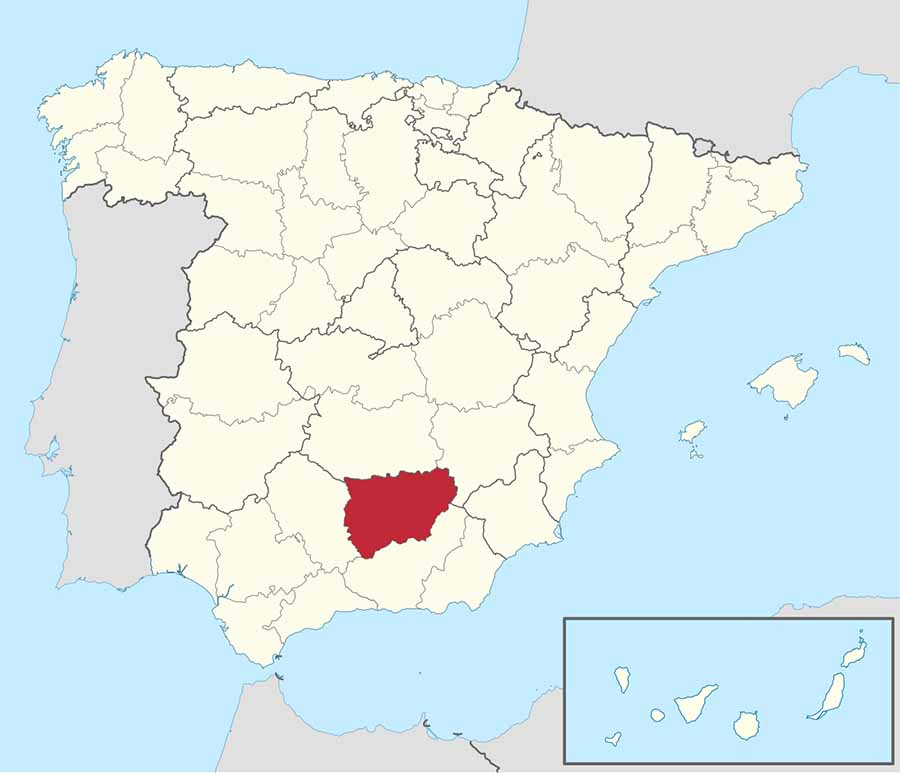
The poet Antonio Machado, who spent time in Jaén, wrote in his work Campos de Castilla (1912): “Jaén, alfar de sueño, entre olivos y piedra” (“Jaén, a potter’s wheel of dreams, amidst olives and stone”). This line beautifully encapsulates the province’s rugged landscape, dominated by vast olive groves and ancient stone architecture, reflecting Machado’s ability to distil the essence of Jaén’s rural and historical soul into his poetry. The imagery evokes the region’s timeless beauty and its deep-rooted agricultural heritage.
the 2013 Spanish film La Mula, directed by Michael Radford and set in Jaén during the Spanish Civil War, references the province’s olive-laden landscapes and its historical struggles. A character remarks, “En Jaén, los olivos son testigos de todo, hasta de la guerra” (“In Jaén, the olive trees bear witness to everything, even war”). This line underscores Jaén’s identity as the world’s olive oil capital, while also highlighting the resilience of its people amidst historical turmoil, with the olive groves serving as silent sentinels to the region’s storied past.
The region:
Jaén, Spain, Jaén tourism, Jaén summer activities, Jaén travel guide, Jaén attractions, Jaén cultural experiences, Jaén outdoor activities, Jaén local cuisine, Jaén historical sites, Jaén family-friendly activitiesJAÉN, SPAIN – For those planning a summer holiday in 2026, Jaén offers a refreshing and engaging experience in the heart of Andalusia. This region, renowned for its olive oil production, combines rich history, cultural charm, and outdoor pursuits, making it an ideal destination for travellers seeking authenticity and variety.
Begin your visit in Jaén city, where the Renaissance-style Jaén Cathedral stands as a magnificent centrepiece. Its intricate architecture and serene interior provide a captivating start to any itinerary. Nearby, the Castillo de Santa Catalina, perched atop a hill, offers panoramic views of the surrounding olive groves and distant mountains. The castle’s visitor centre provides insights into its storied past, making it a must-see for history enthusiasts.
For a glimpse into Jaén’s cultural heritage, the Centro Cultural Baños Árabes, housed in the Palacio de Villardompardo, is a highlight. The well-preserved Arab baths, alongside museums of popular arts and naïve art, offer a fascinating look at the region’s diverse influences. The Museo Íbero, dedicated to pre-Roman Iberian culture, showcases an impressive collection of artefacts, perfect for those intrigued by ancient civilisations.
Outdoor enthusiasts will find plenty to enjoy in Jaén’s natural landscapes. The Sierra de Cazorla Natural Park, a short drive from the city, boasts rugged peaks, clear rivers, and trails for hiking or cycling. Families can explore the park’s wildlife, including deer and birds of prey, or enjoy a picnic at the Parque del Seminario, with its playgrounds and green spaces. For a more adventurous outing, kayaking or rafting along the Guadalquivir River offers a thrilling way to experience the region’s beauty.
Jaén’s cuisine is a treat for food lovers. Local taverns, such as El Abuelo or La Manchega, serve traditional tapas like patatas alioli and flamenquín, often included with a drink, making dining both affordable and enjoyable. Olive oil tastings at places like the Olive Culture Museum in Baeza provide a chance to sample the region’s famed “liquid gold” and learn about its production.
The historic Jewish quarter in Jaén city, with its narrow streets and medieval charm, invites leisurely strolls. Nearby towns like Úbeda and Baeza, known for their Renaissance architecture, offer additional cultural excursions. These World Heritage Sites feature elegant palaces and churches, perfect for a day trip.
Families will appreciate Jaén’s welcoming atmosphere, with free attractions like the Jabalcuz Gardens and budget-friendly activities such as exploring the La Magdalena district, home to the quirky Lagarto de Jaén monument. Evening walks through the illuminated old town, followed by tapas at lively bars near Plaza de San Ildefonso, create a relaxed end to the day.
Jaén in the summer of 2026 promises a blend of history, nature, and culinary delights, offering something for every traveller. Whether wandering through ancient baths, hiking scenic trails, or savouring local dishes, visitors will find this Andalusian gem a rewarding destination.
The visit
The province of Jaén, located in the heart of Andalusia in southern Spain, is a hidden gem often overlooked by tourists in favor of coastal hotspots or Granada’s Alhambra. Known as the world’s olive oil capital, Jaén offers a rich tapestry of Renaissance architecture, medieval castles, vast natural parks, and a vibrant cultural heritage rooted in its Moorish, Jewish, and Christian past. Visitors in 2026 can expect an authentic, off-the-beaten-path experience, exploring historic towns like Úbeda and Baeza, hiking in the Sierras de Cazorla, and savoring “liquid gold” through olive oil tourism. New for 2026, Jaén is rolling out initiatives to boost its oleotourism and cultural offerings, including festivals, markets, and sustainable travel experiences.
Jaén’s rich history spans Iberian, Roman, Moorish, and Christian eras, with its capital city and surrounding towns showcasing stunning landmarks:
Jaén City Highlights:
- Jaén Cathedral: A Renaissance masterpiece designed by Andrés de Vandelvira, featuring massive Corinthian columns and the Veil of Veronica relic, said to bear Jesus’ face. Its Baroque chapels and intricate façade are a must-see, with a €5 entry fee.
- Castillo de Santa Catalina: Perched on Santa Catalina Hill, this Arab fortress offers panoramic views of Jaén’s olive groves and the Guadalquivir Valley. Part of the castle is a Parador hotel, where visitors can grab a coffee or stay overnight. The adjacent Visitor Centre details its medieval history.
- Arab Baths (Baños Árabes): Housed under the Palacio de Villardompardo, these 11th-century baths are among Spain’s largest preserved Islamic bathhouses, offering free entry to EU citizens. The palace also hosts the Museum of Arts and Popular Customs and the International Museum of Naïf Art.
- Historic Quarter: Wander the narrow, Moorish-style streets of the old town, including the Jewish Quarter (Santa Cruz and San Andrés neighborhoods), with its huddled houses and the San Andrés Chapel. The Plaza de la Constitución is a lively hub for strolling and tapas.
Úbeda and Baeza (UNESCO World Heritage Sites):
These twin Renaissance towns in La Loma are architectural jewels:
- Úbeda: Known for its Italianate palaces and churches, highlights include the Vázquez de Molina Square, home to the Sacra Capilla del Salvador, and the Sinagoga del Agua, a recently discovered medieval synagogue. Local pottery shops sell unique green-glazed ceramics.
- Baeza: Features the serene Baeza Cathedral, the historic University of Baeza (now a high school), and the Plaza del Pópulo with its Roman lion fountain from Castulo. The town’s compact, Sunday-like ambiance is perfect for leisurely walks.
Castles and Fortresses:
Jaén boasts Europe’s highest concentration of castles (around 90 still standing), a legacy of its role as a Christian-Muslim frontier. Notable sites include:
- Castillo Burgalimar in Baños de la Encina, a 10th-century Caliphate fortress with 15 towers, one of Spain’s oldest preserved castles.
- La Mota Castle in Alcalá la Real, a well-preserved medieval fortress with panoramic views, once guarding the Castilian-Moorish border.
- Castle of La Yedra in Cazorla, a hilltop fortress offering stunning views of the Sierras de Cazorla.
Olive Oil Tourism (Oleoturismo)
- Jaén produces 45% of Spain’s olive oil and 20% of the world’s, earning its nickname “World Capital of Olive Oil.” The province’s 66 million olive trees create a “Mar de Olivos” (sea of olives) across 550,000 hectares.
- Experiences: Visitors can tour traditional olive mills (almazaras), learn about production, and taste varieties like Picual and Arbequina. Oro Bailén offers comprehensive tours and tastings, while smaller mills like Finca Badenes in Jabalquinto provide intimate visits, tastings with expert guides, and even overnight stays in farm apartments.
- Culinary Connection: Olive oil is omnipresent in Jaén’s cuisine, drizzled over pipirrana salad (peppers, tomato, garlic), migas (fried breadcrumbs), or andrajos (rabbit and noodle stew). Tapas bars like Habanegra Jaén near the cathedral serve creative, olive oil-infused dishes.
- Harvest Season (November-January): Visit during the olive harvest for vibrant festivals, olive-picking events, and a deeper cultural immersion.
Natural Wonders and Outdoor Activities
- Jaén’s diverse geography includes four natural parks, offering hiking, wildlife spotting, and breathtaking landscapes:
- Sierras de Cazorla, Segura y Las Villas Natural Park: Spain’s largest protected area (209,920 hectares), a UNESCO Biosphere Reserve with river gorges, waterfalls, Neolithic caves, and wildlife like Spanish ibex, wolves, and griffon vultures. Key spots include the source of the Guadalquivir River, Purgatorio Waterfalls, and the Castle of La Yedra.
- Sierra Mágina Natural Park: A rugged limestone range with snow-capped peaks like Pico Mágina (2,165m), dotted with villages like Bedmar and Cambil. Trails lead through olive groves and Mediterranean forests.
- Sierra de Andújar Natural Park: Known for its Mediterranean woodlands and rare species like the Iberian lynx. The town of Andújar features Renaissance and Baroque architecture.
- Despeñaperros Natural Park: A dramatic river gorge, the “Gateway to Andalusia,” with sheer cliffs and hiking trails. : Hiking, birdwatching, kayaking, and mountain biking are popular, especially in Cazorla. The Mirador La Carrera in Jabalquinto offers stunning views over the Guadalimar and Guadalquivir rivers.
Cultural and Culinary Experiences
Jaén’s vibrant culture and hearty cuisine reflect its Andalusian soul:
- Tapas Tradition: Unlike western Andalusia, Jaén’s bars offer free tapas with drinks, from jamón Ibérico to morcilla en caldera (blood sausage pâté) or lomo de orza (pork loin confit). Top spots include La Manchega (since the 19th century) and El Abuelo near the cathedral.
- Local Dishes: Savor pipirrana, bacalao con tomate (cod in tomato sauce), or tocinos de cielo (egg yolk and sugar dessert). Markets like Mercado de San Francisco in Jaén city offer fresh produce, ceramics, and olive wood crafts.
- Handicrafts: Úbeda and Bailén are renowned for green-glazed ceramics with Moorish designs, while local markets sell textiles and olive wood souvenirs.
Festivals:
- Feria de San Lucas (October 18): Jaén’s biggest festival, lasting over a week with Sevillanas dancing, music, and gastronomy.
- San Antón (January 16): Neighborhood bonfires, traditional dances, and the International Urban Race of San Antón.
- Romería de Santa Catalina: A procession to Santa Catalina Hill with sardine barbecues in the forest.
Charming Towns and Villages
Beyond Jaén city, the province is dotted with historic towns:
- Alcalá la Real: Home to La Mota Castle and a beautiful old quarter with Gothic and Mudéjar churches.
- Baños de la Encina: Features the Castillo Burgalimar and a quaint village setting.
- Linares: Known for its industrial heritage, Renaissance buildings, and the Museo de Raphael, celebrating the Spanish singer.
- Jabalquinto: A small village with Finca Badenes for olive oil tours and the scenic Mirador La Carrera.
- Segura de la Sierra: A hilltop village in the Sierras de Cazorla with a castle and medieval charm.
Accessibility and Climate
- Getting There: Jaén is accessible via Granada-Jaén Airport (1 hour away), with buses (ALSA) connecting to Granada, Córdoba, Málaga, and Madrid (4 hours). Jaén’s bus station on Plaza de Coca de la Piñera offers routes to Úbeda, Baeza, and Cazorla.
- Getting Around: The city’s steep, narrow streets are walkable, but a car is recommended for the province’s rural sites. Public buses serve major towns, but schedules are limited for smaller villages.
- Climate: Jaén has a subtropical Andalusian climate with hot summers (30-35°C in July) and mild winters (5-15°C in January). Spring (April-May) and autumn (September-October) are ideal, with 15-25°C and blooming landscapes. Remote areas like Cazorla may see winter snow.
What’s New for 2026 in Jaén
- OleoturJaén Club de Producto: Launched by the Diputación Provincial de Jaén in April 2026, this public-private alliance aims to enhance Jaén’s oleotourism offerings. It promotes immersive experiences like olive mill tours, tastings, and farm stays, positioning Jaén as a global leader in olive oil tourism. Visitors can expect more structured, high-quality oleotourism packages, with new mills and farms opening to tourists, enhancing the province’s appeal for foodies and cultural travellers.
- Descubre Jaén Project: Presented by the Consejería de Turismo in April 2026, “Descubre Jaén” is a sustainable tourism initiative to position Jaén as an undiscovered destination. It emphasizes unique experiences like castle tours, Renaissance architecture, and nature-based activities, with a focus on eco-friendly travel. The project introduces new guided tours, digital resources, and promotional campaigns, making it easier for visitors to plan trips to lesser-known sites like Jabalquinto or Segura de la Sierra.
- Expoliva 2026: The world’s largest olive oil trade fair, Expoliva, returns to Jaén’s IFEJA from May 14-17, 2026. It showcases innovations in olive oil production, tastings, and culinary demos, drawing global industry leaders and visitors. Open to the public, Expoliva offers a deep dive into Jaén’s olive oil culture, with opportunities to sample new varieties, attend workshops, and meet producers.
- Medieval Market in Sabiote: From May 2-4, 2026, Sabiote hosts a Medieval Market in its historic center, featuring reenactments, artisan stalls, music, and workshops. The event highlights the town’s Renaissance castle and Moorish heritage. This immersive festival adds a lively, family-friendly attraction, showcasing Jaén’s medieval history in a lesser-known village.
- La Noche en Blanco 2026 in Linares: Linares’ “White Night” cultural festival in 2026 will feature over 60 activities in the old town, including concerts, art exhibits, and heritage tours, celebrating the city’s Renaissance and industrial legacy. This event enhances Linares’ appeal as a cultural destination, offering visitors a vibrant evening of free activities and local pride.
- The Sierras de Cazorla, Segura y Las Villas Natural Park sees renewed focus in 2026 with improved trail signage and eco-tourism initiatives, following the resurgence of the Río Segura’s source and the Cañada la Cruz lagoon after rainfall. Enhanced accessibility and conservation efforts make Cazorla’s trails and waterfalls more inviting for hikers and nature lovers.
Practical Tips for Visitors
- Duration: Spend 2 days in Jaén city for the cathedral, castle, and tapas bars, plus 2-3 days exploring Úbeda, Baeza, Cazorla, or Alcalá la Real. A week allows for natural parks and smaller villages.
- Accommodation: Stay at the Parador de Jaén in Santa Catalina Castle for historic luxury or budget-friendly hostels in Jaén city (€20-30/night). Casas rurales in Cazorla or Úbeda offer rural charm. Book early for harvest season (November-January).
- Dining: Tapas bars provide free bites with drinks, keeping costs low. Try Habanegra Jaén for creative dishes or La Manchega for traditional tapas. Dinner is late (9-10 PM).
- Tours: Book guided tours for the cathedral, Arab Baths, or oleotourism experiences via spain.info or local operators. Castle tours in Baños de la Encina or Alcalá la Real often include English guides.
- Budget-Friendly: Visit in winter (December-February) for lower hotel prices. EU citizens get free museum entry (e.g., Museo Provincial, €1.50 otherwise).
- Language: English is limited outside major sites, so a translation app or basic Spanish is useful. Locals speak Andalusian Spanish, with distinct traits like dropped consonants.
- Safety: Jaén is safe, but watch for pickpockets in crowded markets. Stick to marked trails in natural parks.
Visitors to Jaén in 2026 can expect an authentic Andalusian experience, from the Renaissance splendour of Úbeda and Baeza to the medieval allure of Castillo Burgalimar and the natural majesty of Sierras de Cazorla. The province’s olive oil culture, free tapas tradition, and unspoiled landscapes make it a paradise for those seeking Spain’s less-touristy side. New for 2026, initiatives like OleoturJaén, Descubre Jaén, and Expoliva elevate the province’s profile, while festivals in Sabiote and Linares add vibrant cultural draws. With spring and autumn as ideal seasons, Jaén’s blend of history, nature, and “liquid gold” ensures a deeply rewarding journey into the heart of Andalusia.
- The province of Jaén in Andalusia, Spain, is renowned for its olive groves, Renaissance towns like Úbeda and Baeza, and the Sierras de Cazorla, but it also hides a wealth of lesser-known destinations that offer authentic, uncrowded experiences. These off-the-beaten-track locations and attractions showcase Jaén’s diverse landscapes, rich history, and cultural depth, perfect for travellers seeking to explore beyond the typical tourist trails in 2026. From remote hilltop villages and ancient fortresses to hidden natural wonders and unique archaeological sites, here’s a curated selection of hidden gems in Jaén for those looking to discover its quieter corners.
Sabiote and Its Renaissance Castle:
- 10km northeast of Úbeda, in La Loma region. Sabiote, a small, fortified village often overshadowed by nearby Úbeda and Baeza, is a hidden Renaissance jewel with a well-preserved castle and medieval charm. Its compact size and lack of tourist crowds make it a serene detour.
- Explore the Castillo de Sabiote, a 13th-century fortress rebuilt in the 16th century by Andrés de Vandelvira, featuring Moorish arches, Renaissance courtyards, and defensive towers. Guided tours reveal its history as a Knights Templar stronghold.
- Wander the village’s narrow, whitewashed streets, lined with noble mansions and the Church of San Pedro, a Gothic-Renaissance gem with a carved portal.
- Visit during the Medieval Market (May 2-4, 2026), a lively event with reenactments, artisan stalls, and traditional music, bringing Sabiote’s history to life.
- Dine at Mesón Despeñadero, a local spot serving pipirrana (olive oil-dressed salad) and lomo de orza (pork loin confit), paired with local wines. Sabiote’s intact castle and authentic village vibe offer a quieter, more intimate alternative to the UNESCO-listed towns nearby, with a palpable sense of history. Book castle tours in advance via the Sabiote tourism office. A car is essential, as public buses from Úbeda are infrequent. Visit in spring for mild weather or during the medieval market for added vibrancy.
Jabalquinto and Finca Badenes:
- 40km northeast of Jaén city, near Bailén. Jabalquinto, a small village surrounded by Jaén’s “Mar de Olivos” (sea of olive trees), is a hub for immersive olive oil tourism at Finca Badenes, a family-run estate offering authentic, off-the-radar experiences. Its scenic mirador and quiet charm make it a hidden gem.
- Tour Finca Badenes, a sustainable olive farm with guided visits through groves, mills, and tastings of Picual and Arbequina oils. Options include workshops, breakfasts among olive trees, or overnight stays in rustic apartments.
- Visit the Mirador La Carrera, a lookout with sweeping views over the Guadalimar and Guadalquivir river valleys, perfect for sunset photos or stargazing.
- Explore the village’s Church of Nuestra Señora de la Encarnación, a 16th-century structure with Renaissance details, and its small plaza, a peaceful spot for coffee.
- Hike nearby trails through olive groves, spotting local flora and fauna like hoopoes and wild thyme. Jabalquinto’s focus on intimate oleotourism and its breathtaking rural vistas offer a deep dive into Jaén’s olive oil culture, far from the province’s busier sites. Reserve Finca Badenes tours in advance (English available). A car is required, as public transport is limited. Visit during the olive harvest (November-January) for a hands-on experience.
Segura de la Sierra:
- 130km east of Jaén city, in the Sierras de Cazorla, Segura y Las Villas Natural Park. Perched at 1,200m in the rugged Sierra de Segura, this hilltop village is one of Spain’s most beautiful, yet it remains largely undiscovered. Its castle, Moorish baths, and pristine natural surroundings make it a haven for history and nature lovers.
- Visit the Castillo de Segura, a 13th-century Moorish fortress with panoramic views of the Sierra’s peaks and olive groves. The castle hosts summer concerts and a small museum on medieval life.
- Explore the Baños Árabes, 11th-century baths hidden beneath the village, offering a glimpse into its Islamic past (access via guided tours).
- Hike the Ruta del Yelmo, a 6km trail to Pico El Yelmo (1,809m), a dramatic summit with views of griffon vultures and the Guadalquivir Valley.
- Dine at Mesón El Yelmo, serving andrajos (rabbit and noodle stew) and gachamiga (olive oil-based pancake), traditional Sierra dishes. Segura de la Sierra’s remote, eagle’s-nest setting and blend of Moorish heritage with unspoiled nature create a magical, crowd-free escape. A car is essential, as buses from Jaén or Cazorla are rare. Book castle tours in advance. Visit in autumn for golden landscapes or summer for festivals. Wear sturdy shoes for hiking.
Baños de la Encina (Beyond the Castle):
- 50km north of Jaén city, near Bailén. While the 10th-century Castillo Burgalimar is a known draw, the village of Baños de la Encina and its surrounding sites, like the Ermita de la Virgen de la Encina, offer quieter, authentic experiences steeped in history and rural charm.
- Visit the Ermita de la Virgen de la Encina, a 14th-century chapel 2km from the village, set among olive groves with a revered Black Madonna statue. The annual pilgrimage (September) is a local highlight.
- Explore the Peñalosa Archaeological Site, a 4,000-year-old Bronze Age settlement 5km away, with reconstructed huts and panoramic views, offering a rare glimpse into Iberian prehistory.
- Wander the village’s whitewashed streets, admiring Mudéjar-style houses and the Church of San Mateo, a 15th-century Gothic structure with a star-vaulted ceiling.
- Enjoy local tapas at Bar La Muralla, serving morcilla en caldera (blood sausage pâté) and pipirrana, with free bites included with drinks. The combination of Bronze Age ruins, a historic chapel, and a charming village setting provides a multifaceted, low-key alternative to Jaén’s busier castles. A car is needed, as public transport is limited. Check chapel and archaeological site hours with the local tourism office. Visit in spring for wildflowers or September for the pilgrimage.
Hornos de Segura and the Mirador del Aguilón:
- 140km east of Jaén city, in the Sierras de Cazorla, Segura y Las Villas Natural Park. Hornos de Segura, a picturesque village in the Sierra de Segura, is a lesser-known sibling to Segura de la Sierra, offering a medieval castle, a unique astronomical observatory, and stunning viewpoints like the Mirador del Aguilón.
- Visit the Castillo de Hornos, a 13th-century fortress with a keep and walls, now housing the Cosmolarium, an astronomy center with telescope sessions and exhibits on the universe (perfect for stargazing in this Starlight Reserve).
- Hike to the Mirador del Aguilón, a breathtaking lookout over the Tranco Reservoir and Sierra peaks, accessible via a short trail from the village.
- Explore the Church of Nuestra Señora de la Asunción, a 16th-century Renaissance structure with a carved portal, and the village’s narrow, flower-lined streets.
- Kayak or paddleboard on the Tranco Reservoir, a serene spot with clear waters and minimal crowds. The blend of medieval history, astronomical tourism, and dramatic natural beauty makes Hornos a singular destination, far from Cazorla’s busier trails. Book Cosmolarium sessions in advance. A car is required, as public transport is scarce. Visit in summer for water activities or autumn for vibrant foliage. Bring layers for cool mountain evenings.
Aldeaquemada and the Cimbarra Waterfall:
- 100km northeast of Jaén city, in the Despeñaperros Natural Park. Aldeaquemada, a remote village in the dramatic Despeñaperros gorge, is a gateway to the Cimbarra Waterfall, a hidden natural wonder where the Guarrizas River plunges 40m over quartzite cliffs. The area’s rugged beauty and archaeological sites make it a true offbeat gem.
- Hike the Ruta de la Cimbarra, a 2km trail (easy to moderate) to the waterfall, passing rocky outcrops and Mediterranean scrubland. The nearby Cimbarrillo and Negrillo falls are quieter alternatives.
- Visit the Cueva de los Muñecos, a prehistoric rock shelter with Neolithic cave paintings, accessible via a guided tour from Aldeaquemada’s tourism office.
- Explore the village’s Church of Nuestra Señora de la Concepción, a simple 18th-century structure, and its tranquil plaza, ideal for a coffee break.
- Dine at a local bar like Bar El Cruce, serving gachas (porridge-like dish) and grilled game meats, staples of the Sierra Morena diet. The waterfall’s dramatic setting and the cave’s ancient art offer a rare blend of natural and prehistoric heritage, with minimal tourist presence. A car is essential, as no public transport serves Aldeaquemada. Wear sturdy shoes for hiking and bring water, as facilities are scarce. Visit in spring for full waterfall flow or autumn for cooler temperatures.
Iznatoraf:
- 90km east of Jaén city, in the Sierra de las Villas. Iznatoraf, a hilltop village known as the “White Balcony of La Loma,” is a hidden gem with panoramic views, medieval streets, and a rich history tied to its strategic position on the Christian-Moorish frontier. Its quiet charm makes it a perfect escape.
- Wander the labyrinthine, whitewashed streets, leading to the Church of Nuestra Señora de la Asunción, a 16th-century Renaissance structure with a Mudéjar tower and ornate interior.
- Visit the Torre del Reloj, a 13th-century watchtower offering 360-degree views of olive groves and distant sierras.
- Explore the Mirador de la Cruz, a scenic lookout with benches, ideal for sunset or stargazing in this low-light-pollution area.
- Sample local sweets like hornazos (anise-flavoured pastries) at a small bakery or tapas at Bar La Plaza, known for morcilla blanca (white blood sausage). Iznatoraf’s compact, whitewashed beauty and commanding views, combined with its lack of tourist infrastructure, create an authentic, untouched Andalusian experience. A car is needed, as buses from Úbeda are limited. Visit in spring for blooming almond trees or October for the Virgen del Rosario festival. Combine with nearby Villacarrillo for its olive oil cooperative.
Practical Tips for Offbeat Exploration
- Transportation: A rental car is essential for these remote locations, as public transport (ALSA buses) is sparse or nonexistent outside major towns like Úbeda or Jaén city. Roads are generally good but can be narrow in mountainous areas like Segura or Hornos.
- Timing: Spring (April-May) and autumn (September-October) offer mild weather (15-25°C) and vibrant landscapes. Winter (5-15°C) is ideal for olive harvest activities, while summer (30-35°C) suits reservoir activities but can be hot for hiking.
- Language: English is rare in these villages, so a translation app or basic Spanish (“hola,” “gracias,” “dónde está…”) is helpful. Andalusian Spanish, with its distinct accent, may require patience. Some tour guides (e.g., Finca Badenes) offer English.
- Accommodation: Stay in casas rurales in Segura de la Sierra, Hornos, or Jabalquinto for rural charm (€40-80/night). Budget hostels in Jaén city or Úbeda are viable for day trips. Book early for harvest season or festivals.
- Guides and Tours: Reserve castle tours (Sabiote, Segura), Cosmolarium sessions (Hornos), or archaeological visits (Aldeaquemada) via local tourism offices or websites like spain.info. Check hours for small sites, as they vary.
- Sustainability: Stick to marked trails in natural parks like Cazorla or Despeñaperros to protect ecosystems. Avoid littering in waterfalls or reservoirs.
- Dining: Small village bars and restaurants serve free tapas with drinks, keeping costs low. Expect olive oil-heavy dishes like pipirrana or andrajos. Bring cash, as card payments are often unavailable in rural areas.
These offbeat locations reveal Jaén’s multifaceted character, from Sabiote’s Renaissance castle and Jabalquinto’s olive oil haven to the prehistoric caves of Aldeaquemada and the starry skies of Hornos. They offer a chance to connect with locals, savor unspoiled nature, and uncover stories absent from mainstream guides. Whether hiking to a waterfall, stargazing from a medieval fortress, or tasting “liquid gold” in a family mill, these hidden spots promise a deeper, more personal experience of Jaén in 2026, showcasing Andalusia’s heartland at its most authentic.
Spain region by region
Almería – Andalusia – Aragón – Asturias – Basque Country – Cádiz – Cantabria – Catalonia – Córdoba – Extremadura – Fuerteventura – Galicia – Gran Canaria – Granada – Huelva – Ibiza – Jaén – La Mancha – La Rioja – Lanzarote – León – Madrid – Majorca – Málaga – Menorca – Murcia – Navarra – Seville – Tenerife – Valencia –