A poignant quote from the Málaga-born poet Manuel Altolaguirre, from his 1930 collection Las islas invitadas, reads: “Málaga, donde el mar abraza la luz y la poesía respira en cada esquina” (“Málaga, where the sea embraces the light and poetry breathes in every corner”). This line captures the city’s radiant Mediterranean charm and its deep cultural heritage, reflecting Altolaguirre’s love for his hometown’s vibrant landscapes and artistic spirit.The 2002 Spanish film El Otro Lado de la Cama, directed by Emilio Martínez-Lázaro, references Málaga’s lively coastal culture. A character muses, “En Málaga, las noches tienen el sabor del pescaíto frito y el ritmo del corazón” (“In Málaga, the nights taste of fried fish and pulse with the rhythm of the heart”). This quote evokes the city’s iconic culinary traditions and its effervescent nightlife, particularly along the Costa del Sol,
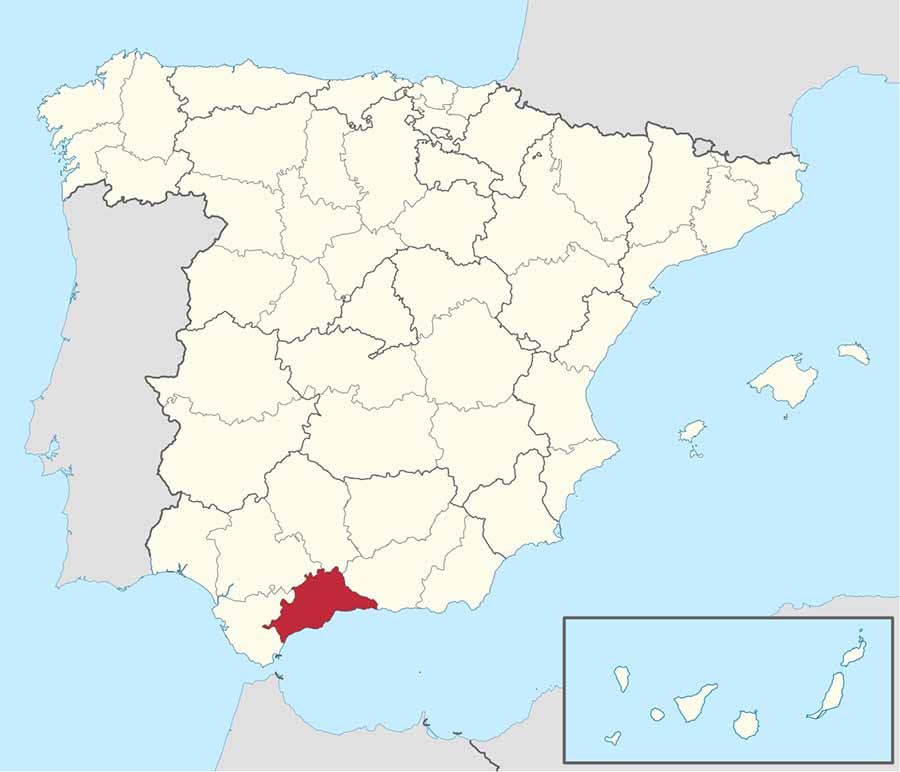
The region:
For travellers planning a summer holiday in 2026, Málaga offers a delightful blend of sunny beaches, rich history, and cultural treasures. This Andalusian coastal city provides an engaging and relaxed experience, perfect for those seeking art, cuisine, and scenic beauty.
Begin your visit in Málaga’s historic centre, where the Cathedral of Málaga, known locally as La Manquita, showcases Renaissance architecture and a serene interior. Nearby, the Alcazaba, a Moorish fortress, features intricate courtyards and panoramic views of the city and sea. The adjacent Roman Theatre, with its well-preserved stone tiers, invites exploration of ancient history.
Art enthusiasts will enjoy the Picasso Museum, housed in a 16th-century palace. Its collection of works by Málaga’s famous son offers a fascinating look at his creative legacy. The nearby Centre Pompidou Málaga displays modern art in a striking glass cube, while the Carmen Thyssen Museum showcases Spanish paintings in an elegant setting.
Málaga’s beaches are a summer highlight. La Malagueta, steps from the city centre, offers golden sands and calm waters for swimming. Families can enjoy pedal boat rentals, while Playa del Palo provides a quieter spot with local charm. For adventure, kayaking along the coast reveals hidden coves and clear waters.
Food lovers will savour Málaga’s culinary scene. Tapas bars in the Atarazanas Market serve fresh seafood, like espetos de sardinas, grilled on bamboo skewers. Restaurants such as El Pimpi offer local dishes like ajo blanco, a chilled almond soup, paired with sweet Málaga wine. The city’s rooftop bars provide a scenic setting for evening drinks.
Outdoor enthusiasts can explore the Montes de Málaga Natural Park, where hiking trails wind through pine forests and offer views of the coastline. Cyclists will enjoy the coastal paths stretching towards Torremolinos, while the nearby El Torcal Natural Park features surreal limestone formations and walking routes.
History abounds in Málaga’s old town, with the Gibralfaro Castle offering sweeping views and a glimpse into its Moorish past. The Jewish quarter, with its narrow streets, invites leisurely strolls. Families will find Málaga welcoming, with free attractions like the Parque de Málaga and budget-friendly visits to the Automobile and Fashion Museum.
For a day trip, the whitewashed village of Mijas, a short drive away, offers cobbled streets and donkey rides for children. Evening walks along the Muelle Uno waterfront, followed by dinner at a seaside restaurant, create a relaxed end to the day.
Málaga in the summer of 2026 promises a mix of culture, nature, and coastal charm. Whether wandering through historic fortresses, lounging on sunny beaches, or enjoying local tapas, visitors will find this Andalusian city a rewarding destination.
The visit:
The province of Málaga, located on Spain’s Costa del Sol in Andalusia, is a vibrant destination blending Mediterranean beaches, rich cultural heritage, and historic inland villages. Known for its sunny climate (over 300 days of sunshine annually), Málaga province attracts millions of visitors each year to its capital city, Málaga, and surrounding areas like Marbella, Nerja, and Ronda. In 2026, visitors can expect a mix of urban sophistication, coastal relaxation, and authentic Andalusian experiences, alongside new developments addressing sustainability and cultural enhancements.
Málaga province is steeped in history, from Phoenician and Roman ruins to Moorish fortresses and Picasso’s legacy.
Málaga City:
- Alcazaba and Gibralfaro Castle: These Moorish fortresses offer panoramic views of the city and port. The Alcazaba, built in the 11th century, is one of Spain’s best-preserved, with lush gardens and courtyards (€3.50, free Sundays after 2:00 PM). Gibralfaro’s ramparts provide sunset vistas (€2.20).
- Museo Picasso Málaga: Housed in a 16th-century palace, this museum celebrates Málaga-born Pablo Picasso with over 200 works (€9, book ahead). The nearby Casa Natal de Picasso (birthplace) offers personal artifacts like his childhood sketchbook (€4).
- Málaga Cathedral: Nicknamed “La Manquita” (One-Armed Lady) for its unfinished tower, this Renaissance gem features intricate chapels and a rooftop tour (€6–10).
- Roman Theatre: A 1st-century AD amphitheater below the Alcazaba, free to visit with an interpretation center.
- Soho District: A revitalized arts hub with large-scale murals by international artists, perfect for street art tours (free or €15 guided).
Ronda:
- Deep El Tajo Gorge: This dramatic canyon splits Ronda, with the Plaza de Toros (Spain’s oldest bullring, €8) and Mondragón Palace (€4) nearby. Walk the Alameda del Tajo for cliffside views.
- Wine Region: Ronda’s high-altitude vineyards offer tastings at bodegas like Bodega Joaquín Fernández (€15–25).
Antequera:
- Dolmens of Menga, Viera, and El Romeral: UNESCO-listed megalithic tombs from 3800–2500 BC, free to visit, showcasing prehistoric engineering.
- Alcazaba of Antequera: A 14th-century Moorish fortress with views of the Peña de los Enamorados rock formation (€6).
Nerja:
- Caves of Nerja: A 5km network of stalactite-filled caverns with prehistoric art, hosting summer concerts (€15, book online).
- Balcony of Europe: A scenic promenade with Mediterranean views, free to stroll.
Events:
- Semana Santa (April, Málaga city): Holy Week processions with ornate tronos (religious floats) carried by brotherhoods, especially vibrant on Maundy Thursday and Good Friday (public holidays).
- Feria de Málaga (August): A week-long festival with flamenco, equestrian shows, and tapas in Málaga city’s historic centre and fairgrounds. Expect drone light shows and fireworks.
- Carnival de Málaga (late February–early March, 2026): A 45th-anniversary celebration with parades, costumes, and the symbolic burning of a giant anchovy.
- Día de Andalucía (February 28): Local festivities across the province with music and dance.
Beaches and Coastal Activities
Málaga’s 160km coastline offers diverse beaches, from bustling urban shores to secluded coves.
Málaga City:
- Playa de la Malagueta: A lively urban beach with a promenade, cafés, and sunbed rentals (€10–15/day). Ideal for families and watersports like paddleboarding (€20/hour).
- Playa Guadalmar: A quieter, family-friendly beach near the airport, less crowded than Malagueta.
- Playa de los Álamos: A surfing spot with beach bars and equipment rentals (€15–30/day).
Marbella:
- Playa de Cabopino: A semi-natural beach with dunes and nudist areas, near a marina with yacht rentals (€50–100/hour).
- Puerto Banús: A glitzy marina with luxury boutiques and nightlife, perfect for people-watching or boat tours (€30–60).
Nerja:
- Playa Burriana: A Blue Flag beach with calm waters, kayaking to nearby cliffs (€25–40), and chiringuitos (beach bars) serving espetos (grilled sardines, €5–10).
Torrox:
- Playa Ferrara: A less touristy beach with a long promenade, ideal for cycling or kitesurfing (€30–50/lesson). :
- Whale and dolphin watching from Fuengirola (€35–60, 2–3 hours), spotting pilot whales and bottlenose dolphins.
- Scuba diving in Nerja or Marbella (€50–80/dive), exploring underwater caves and marine life.
- Cycling tours along coastal paths or rural routes via Bike2Malaga (€30–50, graded for all levels).
Natural Wonders and Outdoor Adventures
Málaga province’s diverse terrain includes mountains, gorges, and parks, ideal for adventurers.
- Caminito del Rey (Ardales, 60km from Málaga city): A 7.7km cliffside walkway through the Desfiladero de los Gaitanes gorge, celebrating its 120th anniversary in 2026. Known as the “world’s most dangerous path” before restoration, it’s now safe but thrilling (€10–18, book via caminodelrey.info).
- El Torcal de Antequera: A UNESCO Global Geopark with surreal karst rock formations and hiking trails (1–3km, easy to moderate, free). Spot ibexes and griffon vultures. Guided night tours (€15–20) highlight the Starlight Reserve.
- Montes de Málaga Natural Park: A forested park 10km from Málaga city, with moderate hikes (5–10km) and picnic areas. Ideal for beginners, with views of the city and coast.
- Sierra de las Nieves National Park (near Ronda): A UNESCO Biosphere Reserve with rugged peaks, deep caves, and the rare Spanish fir. Hike the Pinsapar trail (10km, moderate, €10 permit) or join guided 4×4 tours (€40–60). :
- Rock climbing in El Chorro (€60–80/day), near Caminito del Rey, for all levels.
- Paragliding in Teba or Nerja (€100–150), soaring over cliffs and valleys.
- Horseback riding in Ronda’s countryside (€30–50/hour).Gastronomy and Local Flavours
Culinary delights
Málaga’s cuisine reflects its coastal and rural roots, with fresh seafood, olive oil, and volcanic wines.
- Espetos: Grilled sardines skewered on cane, a Málaga specialty (€5–10).
- Porra antequerana: A cold tomato soup with ham and egg, thicker than gazpacho (€5–8).
- Rabo de toro: Slow-cooked oxtail stew, popular in Ronda (€12–18).
- Tarta malagueña: Almond and raisin cake, often paired with sweet Málaga wine (€4–7).
Dining Spots:
- Mercado Central de Atarazanas (Málaga city): A 19th-century market with fresh produce, tapas bars, and a Moorish stained-glass window. Try boquerones (anchovies) or croquetas (€5–15).
- Mercado Merced (Málaga city): A gourmet market for upscale tapas like sushi or craft beer (€10–20).
- El Pimpi (Málaga city): A historic bodega serving jamón ibérico and Málaga wine (€15–30).
- Restaurante José Carlos García (Málaga city): Michelin-starred dining with tasting menus (€80–150).
- Mesón Ibérico (Ronda): Rustic dishes like rabo de toro and local wines (€20–35).
Wine and Drinks:
- Málaga’s DO Málaga and Sierras de Málaga wines, like sweet Pedro Ximénez or dry Moscatel, are served at bodegas like Antigua Casa de Guardia (Málaga city, €2–5/glass).
- Visit Bodegas Bentomiz in Sayalonga for organic wine tastings (€15–25).
- Sip tinto de verano (red wine with lemon soda, €3–5) at beachside chiringuitos.
- Vegan Options: Growing in Málaga city, with spots like Vegan-tep offering plant-based porra and tapas (€10–20).
Inland Villages and Rural Charm
- Málaga’s pueblos blancos (white villages) and rural areas offer authentic Andalusian experiences.
- Frigiliana: A picturesque village with cobbled streets, famous from the Christy Moore song, flower-filled patios, and the Mudéjar quarter. Visit the Honey Museum (€3) and dine at La Taberna del Sacristán for migas (fried breadcrumbs, €10–15).
- Mijas Pueblo: A hilltop village with donkey rides (€10), panoramic views, and the Miniatures Museum (€3). Try plato de los montes (pork and sausage stew) at Restaurante El Mirlo Blanco (€15–25).
- Comares: Known as the “Balcony of the Axarquía,” this village offers 360-degree views and Moorish ruins. Explore via Comares Adventure zipline tours (€20–30).
- Gaucín: A serene village with an 11th-century castle and hiking trails in the Genal Valley. Stay at La Fructuosa guesthouse (€80–120/night).
Practical Information
- Climate: Mediterranean, with 17–24°C in winter (January, wettest month, 6 rainy days) and 32–38°C in summer (July–August). Spring (March–May) and autumn (September–November) are ideal for mild weather (20–28°C).
- Getting There: Málaga-Costa del Sol Airport (AGP), 8km from Málaga city, serves flights from Europe (€50–200, 2–3 hours from Ireland) and connections via Madrid or Barcelona. María Zambrano Station connects to Madrid via AVE high-speed train (2.5 hours, €75).
Getting Around:
- Rent a car (€30–50/day) for rural areas like Ronda or Antequera; recommended companies include Helle Hollis and Malagacar.com.
- Málaga city’s metro (€1.35/trip) and buses (€1.40) cover urban areas; the Málaga Pass (24–72 hours, €28–€68) offers free museum entry and discounts.
- Regional buses connect coastal towns like Nerja or Marbella (€3–10); trains serve Fuengirola and Torremolinos (€2–5).
- Currency and Language: Euro (€). Spanish is official; English is common in tourist areas but limited in villages. Basic Spanish (“hola,” “gracias”) helps.
Accommodation:
- Málaga city: Only You Hotel (5-star, rooftop pool, €180–300/night) or Icon Malabar (4-star, modern, €100–200/night).
- Marbella: Amàre Beach Hotel (adults-only, €150–350/night).
- Rural: Finca Cortesin (Gaucín, luxury, €500+/night) or casas rurales in Frigiliana (€50–100/night).
- Safety: Málaga is generally safe, with low crime rates. Stay vigilant in crowded markets or during festivals. Watch for rare torrential rain; check AEMET weather warnings.
What’s New for 2026 in Málaga Province
- Eco-Tasa and Sustainability Measures: Málaga province is exploring an eco-tasa (tourist tax) for 2026 to fund conservation in natural areas like El Torcal and Sierra de las Nieves, similar to Tenerife’s model (€1–3/day, details pending). This follows 2024 overtourism protests, with locals citing housing shortages driven by vacation rentals. Visitors should budget for potential fees and book accommodations early, as Málaga city has canceled 1,300 new tourist housing units to prioritize local housing. Eco-conscious travellers can support sustainable tours (e.g., Spain Food Sherpas, €50–80).
New Hotels and Developments:
- ME by Meliá Málaga (Málaga city): A 5-star hotel newly opened at Plaza de la Merced, with 128 rooms, an infinity pool, and a rooftop restaurant (€200–400/night).
- Guadalhorce River Park: A €10 million “greening” project near Málaga Airport, adding thousands of trees, play parks, and sports facilities, set to open summer 2026.
- Centro Cultural La Chimenea (Málaga city): Construction begins in 2026 on a cultural centre in the Molinillo district, repurposing a former Fiat Lux plant for events and film poster exhibits.
- New Marina (Málaga city): A western port marina project, enhancing yacht tourism. These developments elevate Málaga’s luxury and family-friendly offerings, but expect construction in urban areas. Book hotels like Gran Hotel Miramar (5-star, €250–500/night) for a splurge.
Cultural Anniversaries and Exhibits:
Málaga’s cultural scene in 2026 features strong focus on modern/contemporary art dialogues, Picasso-related shows (tying into his legacy as a native son), and thematic exhibitions. Many are temporary and run for months; dates are confirmed where available (as of early 2026), but check official sites (e.g., museopicassomalaga.org, carmenthyssenmalaga.org, visita.malaga.eu) for tickets, extensions, or updates.
Major Anniversaries and Related Events
- La Malagueta Bullring 150th Anniversary, All year 2026 (opened 1875; celebrations throughout the year). Málaga’s historic bullring marks its 150th birthday with themed bullfights, special exhibitions on bullfighting history and culture, and related events highlighting its architectural and cultural significance in Andalusian tradition.
- Picasso-Related Commemorations, Ongoing throughout 2026 (tied to Pablo Picasso’s birth in Málaga in 1881 and his enduring legacy). No major centenary, but the year reinforces his presence through multiple exhibitions and activities at the Museo Picasso Málaga, including extended displays of his works.
- Other notable cultural milestones include the ongoing 10th anniversary reflections at Centre Pompidou Málaga (from its 2015 opening, with extended programming into 2026–2027) and general year-long tributes to Andalusian heritage.
Key Exhibitions
- Pablo Picasso: Structures of Invention. The Unity of a Work (Museo Picasso Málaga, Palacio de Buenavista), Extended until 2028 (ongoing in 2026). A major long-term showcase of Picasso’s creative process through around 150 works, including sketches from his La Californie period, ideal for exploring the Málaga-born artist’s evolution.
- Elena Asins. Antígona (Museo Picasso Málaga), 23 January to 3 May 2026 (or until 2 May in some listings). Tribute to the Spanish conceptual artist Elena Asins on the 10th anniversary of her death, featuring her innovative geometric and textual works in dialogue with Picasso’s legacy.
- Reflejos. Picasso x Barceló (or Reflections. Picasso x Barceló) (Museo Picasso Málaga), 15 December 2025 to 14 March 2026 (continuing into early 2026). Dialogic exhibition pairing Picasso’s works with those of contemporary Spanish artist Miquel Barceló, highlighting shared themes and influences.
- Picasso vs. Munch: A Clash of Titans (Museo Picasso Málaga), Dates in 2026 (announced as a historic dialogue; likely mid-year, check for exact run). Landmark comparative show with over 100 works exploring parallels and contrasts between Picasso and Norwegian expressionist Edvard Munch.
- Joana Vasconcelos / Transfiguración (Museo Picasso Málaga), 29 May to 27 September 2026. Solo exhibition by the Portuguese artist, focusing on transformation and resignification of objects and reality, in conversation with Picasso’s themes.
- Telúricos y Primitivos (Museo Carmen Thyssen Málaga), 7 October 2025 to 1 March 2026 (continuing into early 2026). Exhibition on earthy, primal languages in art, featuring signs, symbols, and connections to land and origins in Spanish painting.
- Mariano Fortuny. Dibujos (Museo Carmen Thyssen Málaga), 6 February to 3 May 2026. Focused show of drawings and prints by the 19th-century Spanish artist Mariano Fortuny, highlighting his mastery in Orientalist and genre scenes.
- Archipiélago (Museo Carmen Thyssen Málaga), 27 March to 6 September 2026. Collaborative exhibition with works from the Suñol Collection, featuring artists like Picasso, Miró, Tàpies, Warhol, and others in an “archipelago” of modern and contemporary pieces exploring connections and islands of creativity.
- Alfonso Serrano. Pinturas (Archivo Municipal de Málaga, Salas Mingorance), 26 January to 12 April 2026. Temporary painting exhibition by Alfonso Serrano, showcasing contemporary works in a municipal archive setting.
- Other ongoing or early 2026 shows include Mujeres Diosas (Ricard Terré) (until 26 April 2026, photography monographic on the Spanish renewer Ricard Terré) and Rebajes. Del Óvulo al Origen (until 15 March 2026 at MUCAC, thematic on origins and forms).
Málaga in 2026 also hosts recurring cultural events like the Festival de Málaga (film, 6–15 March), Carnival (February dates vary), Semana Santa (Holy Week, late March/early April), and the San Diego Comic-Con Málaga return. The city emphasizes accessible, multidisciplinary programming,advance booking is advised for popular museum shows.
Other developments:
- End of Horse-Drawn Carriages: Málaga city bans horse-drawn tourist carriages, replacing them with electric bikes to promote animal welfare and sustainable mobility. Visitors can explore the historic centre via eco-friendly bike tours (€20–40), reducing environmental impact.
- World Cup Stadium Upgrade: Málaga’s La Rosaleda Stadium is confirmed as a 2030 FIFA World Cup venue, triggering a 2026 redevelopment into a 45,000-seat modern arena. Football fans may face construction disruptions near the stadium but can enjoy upgraded facilities for local matches (Málaga CF tickets €15–50).
- EU Entry/Exit System (EES) and ETIAS: From mid-2026, non-EU visitors EES: Biometric data collection (fingerprints, facial images) at Málaga Airport for faster border processing, and ETIAS: A €7 visa waiver (valid 3 years, free for under-18s/over-70s), required six months after EES for 90-day stays. Apply online. Non-EU travellers need ETIAS and biometric registration, causing initial delays at Málaga Airport. Carry proof of accommodation and funds.
- Property Market and Overtourism Response: Málaga city’s property prices rose 24.5% in 2024 (€2,980/m²), driven by foreign buyers and digital nomads. The province is regulating vacation rentals, with Málaga city considering bans on foreign property purchases to ease housing shortages. Visitors may face higher accommodation costs (€100–300/night in Málaga city). Book early and consider rural stays in Frigiliana or Mijas for value (€50–100/night).
Practical Tips for Visitors
Duration: Spend 7–10 days to explore Málaga city, Ronda, Nerja, and Antequera. A 4–5-day trip covers Málaga city and a day trip (e.g., Caminito del Rey or Marbella).
- Accommodation: Book early for Semana Santa (April) or Feria de Málaga (August). Budget options in Málaga city (€50–100/night); luxury at Finca Cortesin (Gaucín, €500+/night) or Amàre Beach Hotel (Marbella, €150–350/night). Rural casas rurales offer value (€50–100/night).
- Dining: Meals cost €10–30/person; tapas bars like La Tranca (Málaga city) offer budget bites (€5–15). Tipping is optional (5–10%). Try espetos at beach chiringuitos.
- Tours: Book Caminito del Rey, Nerja Caves, or Alcazaba guided tours in advance (€10–30). Free walking tours via Guruwalk cover Málaga’s historic center.
- Budget-Friendly: Visit in March, May, or October for lower prices and fewer crowds. Free attractions include Málaga’s Roman Theatre, Antequera’s dolmens, and Sundays at Alcazaba (after 2:00 PM).
- Safety: Málaga is safe, but beware of pickpockets in crowded areas like Atarazanas Market or Feria. Check for rare extreme weather (torrential rain) via AEMET.
- Overtourism Awareness: Respect local concerns about housing and crowds, especially in Málaga city. Avoid unlicensed rentals and support local businesses (e.g., markets, bodegas).
- ETIAS and Documentation: Non-EU visitors need ETIAS (€7) and biometric registration from mid-2026. Carry valid passports and accommodation proof.
In 2026, Málaga province offers a dynamic blend of cultural immersion in Málaga city’s Alcazaba and Picasso Museum, coastal relaxation on Playa de la Malagueta or Playa Burriana, and adventure in Caminito del Rey or El Torcal. Visitors can savour espetos at beachside chiringuitos, hike Ronda’s gorge, or wander Frigiliana’s cobbled streets, all under a sunny Mediterranean climate (17–38°C). New for 2026, the ME by Meliá Málaga hotel, Guadalhorce River Park, and a Michelin gala elevate the province’s appeal, while eco-tasa plans and carriage bans promote sustainability. With EES/ETIAS requirements and housing regulations, planning ahead is key. By exploring rural gems like Comares or supporting local markets, travellers can enjoy Málaga’s vibrant beauty while respecting its communities.
Off the Beaten Track:
The province of Málaga, Spain, is renowned for its vibrant Costa del Sol, but beyond the well-trodden tourist paths lie numerous lesser-known gems that offer unique cultural, historical, and natural experiences.
- Lagunillas Neighbourhood (Málaga City): Located just a short walk from Málaga’s historic center, Lagunillas is a vibrant, alternative neighbourhood known for its colorful street art and bohemian vibe. Since the early 2000s, local and international artists have transformed the area’s walls into an open-air gallery, making it a haven for street art enthusiasts. The neighbourhood also features quirky shops, independent cafés, and a diverse community of artists and musicians. Unlike the bustling tourist areas, Lagunillas offers a glimpse into Málaga’s contemporary creative scene. It’s perfect for those seeking an authentic, artsy experience away from the crowds. Wander the streets to discover murals, visit local bars like Bar Molinillo 33 for affordable Andalusian cuisine, and engage with residents for insider tips on hidden spots.
- La Concepción Botanical Garden (Málaga City): Situated north of Málaga city, this historic botanical garden is a lush oasis featuring thousands of tropical plants, exotic species, and scenic pathways. Dating back to the 19th century, it was created by the Loring-Heredia family and offers stunning views of Málaga from certain vantage points. Less frequented by tourists, La Concepción provides a serene escape from the urban hustle. It’s ideal for nature lovers and those interested in horticulture, with free entry on Sundays. Check the garden’s website for schedules and guided tours. Bring comfortable shoes for exploring the expansive grounds.
- El Perchel and Trinidad Neighbourhoods (Málaga City): These twin districts, located away from the main tourist trail, are known for their traditional corralones, communal patios surrounded by apartments adorned with colorful tiles and ceramics. El Perchel is also home to Mercado El Carmen, a local market offering some of the best seafood in Málaga. These neighbourhoods showcase authentic Málaga life, with a focus on community and local traditions. The corralones are a source of pride for residents and provide a charming, intimate setting for visitors. Visit Mercado El Carmen for fresh seafood tapas, and explore the patios respectfully, as they are part of residential areas.
- Peña Juan Breva Flamenco Museum & Bar (Málaga City): This cultural centre and bar in Málaga city is dedicated to flamenco, a traditional Andalusian art form. It offers exhibits on flamenco history, live performances, and a cozy bar atmosphere. Unlike larger flamenco venues catering to tourists, Peña Juan Breva provides an intimate, authentic experience, attracting locals and flamenco aficionados. It’s a hidden gem for those interested in Andalusian culture. Check the schedule for live shows, and book in advance for performances, as the venue is small.
- Nerja and Maro Beach: Located 56 km east of Málaga city, Nerja is a charming coastal town with narrow streets, whitewashed houses, and the scenic “Balcon de Europa” viewpoint. Nearby, Maro Beach, located under the cliffs of the Tejeda Mountain, is a tranquil, less touristy alternative to Málaga’s crowded beaches. Nerja retains the authentic charm of a traditional Spanish town, while Maro Beach offers a peaceful retreat with clear waters and a natural setting. Both are ideal for those seeking a quieter coastal experience. Visit the Caves of Nerja for stunning stalactite formations, and bring snorkeling gear to explore Maro’s marine life.
- Antequera and the “Montaña del Indio”: Antequera, a UNESCO World Heritage site, is a historic town known for its ancient dolmens (Menga, Romeral, and Tholos), medieval architecture, and the nearby Torcal de Antequera, a karst landscape perfect for hiking. The “Montaña del Indio,” a mountain resembling the profile of an American Indian’s head, is a unique natural landmark near Antequera. Antequera offers a rich blend of history, culture, and outdoor activities with fewer tourists than Ronda or Granada. The dolmens are among Europe’s oldest monuments, and the “Montaña del Indio” adds a quirky geological attraction. Rent a car for easy access to the Torcal and dolmens. Visit the Alcazaba of Antequera for panoramic views of the town.
- El Saltillo (Sierra de Tejeda): Known as the “second Caminito del Rey,” El Saltillo is a hiking trail in the Sierra de Tejeda, featuring a 54-meter-long suspension bridge over the Almanchares River at a height of 70 meters. It’s part of the Gran Senda de Málaga, a long-distance hiking route. This trail offers breathtaking views and a thrilling experience for adventurers, with far fewer crowds than the famous Caminito del Rey. It’s ideal for experienced hikers seeking a challenge. Check trail difficulty levels before hiking, as some sections are strenuous. Bring water and wear sturdy hiking boots.
- Embalse del Limonero: Located in a forest park just outside Málaga city, Embalse del Limonero is a reservoir surrounded by scenic trails for walking and hiking. The area is rich in natural beauty, with opportunities to spot local wildlife. This tranquil spot is known primarily to locals, offering a peaceful escape from the city. It’s perfect for nature lovers and those looking to relax in a serene environment. Combine a visit with a picnic, and check for trail maps at the park entrance.
- Genalguacil, Montecorto, Montejaque, and Jubrique: These whitewashed villages (pueblos blancos) near Ronda are located in the Serranía de Ronda, offering charming streets, traditional architecture, and stunning mountain views. Genalguacil is particularly known for its open-air art museum, with sculptures and murals integrated into the village. These villages provide an authentic Andalusian experience with fewer visitors than Ronda. They’re ideal for cultural immersion, hiking, and photography. Rent a car to explore these villages, as public transport is limited. Visit Genalguacil during its biennial art festival for a unique cultural experience.
- Júzcar, the “Smurf Village”: This small village in the Genal Valley gained fame when it was painted blue for the 2011 Smurfs movie premiere. Residents decided to keep the blue hue, turning Júzcar into a quirky attraction with Smurf-themed murals and statues. Júzcar offers a playful, offbeat experience, contrasting with the traditional whitewashed villages. It’s a fun stop for families or those seeking something unusual. Combine a visit with nearby hiking trails in the Genal Valley. Check for local festivals, which often feature Smurf-themed activities.
Traveller’s Tips for Exploring Off-the-Beaten-Track Málaga
- Transportation: Many of these locations, especially rural villages and natural sites, are best accessed by car. Málaga’s public transport is efficient for city-based attractions, but rural areas may require a rental car or guided tours.
- Local Insights: Engage with locals for recommendations, as Malagueños are known for their hospitality. Social media platforms like Instagram or forums like TripAdvisor can also reveal hidden spots.
- Timing: Visit early in the morning or during shoulder seasons (spring or autumn) to avoid crowds and enjoy pleasant weather.
- Respect Local Culture: When exploring residential areas like El Perchel or Lagunillas, be respectful of private spaces and seek permission before photographing homes or patios.
These hidden gems showcase the diverse facets of Málaga province, from its vibrant urban culture to its serene natural landscapes and historic villages. By venturing beyond the typical tourist trail, you’ll experience the authentic soul of Andalusia, its art, cuisine, history, and warm hospitality. Whether you’re hiking across a suspension bridge, admiring street art, or savouring seafood in a quiet fishing village, these off-the-beaten-track attractions promise memorable and unique adventures.
Spain region by region
Almería – Andalusia – Aragón – Asturias – Basque Country – Cádiz – Cantabria – Catalonia – Córdoba – Extremadura – Fuerteventura – Galicia – Gran Canaria – Granada – Huelva – Ibiza – Jaén – La Mancha – La Rioja – Lanzarote – León – Madrid – Majorca – Málaga – Menorca – Murcia – Navarra – Seville – Tenerife – Valencia –