A vivid quote from the Sevillian poet Luis Cernuda, from his 1936 collection La realidad y el deseo, reads: “Sevilla, ciudad de la luz herida, donde el Guadalquivir refleja un sueño eterno” (“Seville, city of wounded light, where the Guadalquivir reflects an eternal dream”). This line captures the city’s luminous beauty and melancholic charm, with its iconic river and historic streets, reflecting Cernuda’s deep emotional tie to Seville’s poetic essence.
The 2003 Spanish film Carmen, directed by Vicente Aranda, set in Seville, references the city’s passionate flamenco culture. A character declares, “En Sevilla, el flamenco es el latido del alma que no se apaga nunca” (“In Seville, flamenco is the heartbeat of the soul that never fades”). This quote evokes Seville’s vibrant cultural identity, particularly its association with flamenco and the sultry, dramatic spirit of the city, embodied in landmarks like the Triana district and the Alcázar.
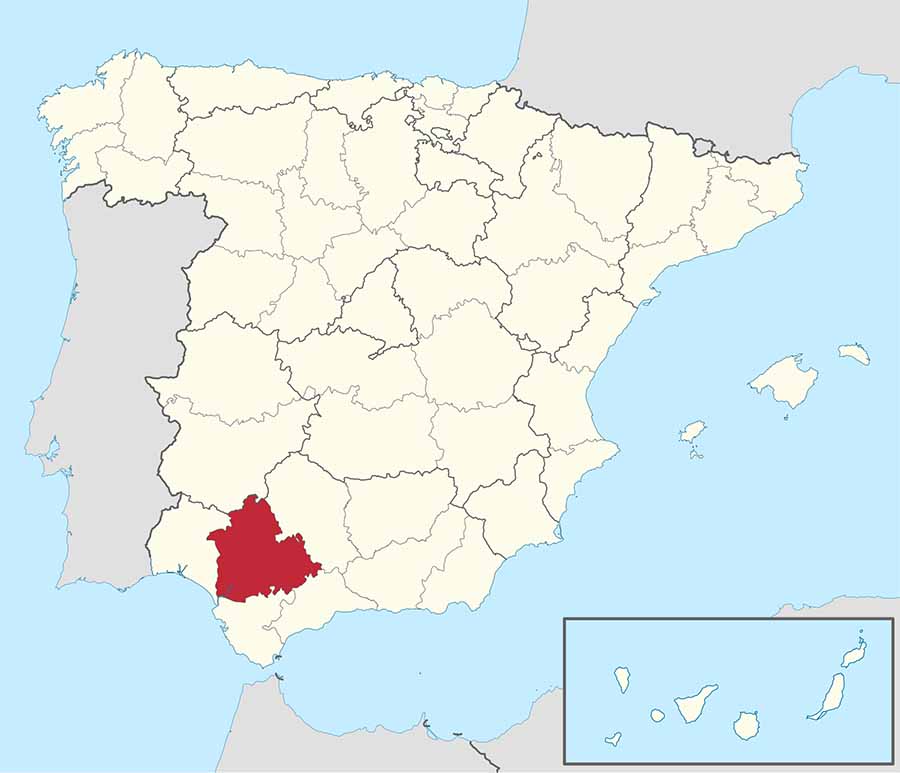
The region:
For travellers planning a summer holiday in 2026, Seville offers a delightful blend of rich history, cultural treasures, and inviting green spaces. This Andalusian city provides an engaging and relaxed experience, perfect for those seeking architecture, cuisine, and leisurely exploration.
Begin your visit at the Seville Cathedral, a Gothic masterpiece housing the tomb of Christopher Columbus. Its vast interior and climbable Giralda tower offer panoramic city views. Adjacent, the Real Alcázar, a stunning palace blending Mudéjar and Renaissance styles, features intricate tiles and lush gardens ideal for a peaceful stroll.
Seville’s historic Santa Cruz quarter, with its narrow streets and orange tree-lined plazas, invites wandering. The Casa de Pilatos, a 16th-century mansion, showcases elegant courtyards and azulejo tiles. For art lovers, the Museum of Fine Arts displays Spanish paintings in a former convent, offering a serene setting for reflection.
Outdoor enthusiasts will enjoy María Luisa Park, a sprawling green oasis with shaded paths and ornamental ponds. Families can rent rowboats or explore playgrounds, while cyclists can ride along the Guadalquivir River’s scenic paths. For a day trip, the Italica archaeological site near Santiponce reveals Roman ruins, including a well-preserved amphitheatre.
Food lovers will relish Seville’s culinary scene. Tapas bars in Triana, like Las Golondrinas, serve local dishes such as espinacas con garbanzos, a spinach and chickpea stew, and crispy fried fish. The Mercado de Triana offers fresh olives and manchego cheese, perfect for a picnic. Local bodegas provide tastings of sherry and regional wines.
History abounds in Seville’s landmarks. The Archive of the Indies, a UNESCO World Heritage Site, houses documents from Spain’s colonial era, while the Torre del Oro, a 13th-century watchtower, offers maritime history and river views. Evening walks through the illuminated Plaza de España, with its tiled alcoves and canal, create a magical atmosphere.
Families will find Seville welcoming, with free attractions like the Alamillo Park and budget-friendly visits to the Museum of Popular Arts and Customs. The Metropol Parasol, a modern wooden structure, provides rooftop views and a small archaeological exhibit below. For a cultural touch, flamenco performances in intimate venues like Casa de la Memoria offer an authentic experience.
Outdoor pursuits extend to the nearby Sierra Norte, where hiking trails wind through rolling hills and oak forests. Kayaking on the Guadalquivir River offers a fresh perspective of the city. Seville in the summer of 2026 promises a mix of history, culture, and natural beauty. Whether exploring ancient palaces, savouring tapas, or strolling through lush parks, visitors will find this Andalusian gem a rewarding destination.
The visit:
The Spanish province of Seville, located in the heart of Andalusia in southern Spain, is a vibrant destination renowned for its rich history, Moorish and Christian heritage, passionate flamenco culture, and sun-drenched landscapes. Anchored by its capital city, Seville, the province offers a blend of iconic landmarks, charming villages, and natural beauty, from the Guadalquivir River to the Sierra Morena mountains and Doñana National Park.
- Seville City: The capital, with a population of approximately 687,488 (2024 estimate), is a cultural hub and the fourth-largest city in Spain. Its historic center, a UNESCO World Heritage Site, is compact and walkable, featuring:
- Seville Cathedral and La Giralda: The world’s largest Gothic cathedral, housing Christopher Columbus’s tomb and artworks by Murillo. The Giralda, a former minaret turned bell tower, offers panoramic views of orange tree-lined courtyards.
- Real Alcázar of Seville: A stunning Moorish palace, still a royal residence, showcasing Mudéjar architecture with intricate tilework, gold ceilings, and expansive gardens. Visitors can linger in the gardens post-tour and enjoy night visits or summer festivals. Its film appearances (e.g., Star Wars, Game of Thrones) add modern allure.
- Plaza de España: Built for the 1929 Ibero-American Exposition, this half-circle plaza features 48 azulejo-tiled benches representing Spain’s provinces, Venetian-style bridges, and a canal for boat rentals. Its Baroque and Renaissance design has starred in films like Lawrence of Arabia.
- Barrio Santa Cruz: The former Jewish quarter, with narrow, jasmine-scented streets, hidden patios, and tapas bars. Nearby, the Archivo General de Indias (free entry) showcases Renaissance architecture and Spain’s colonial history.
- Triana Neighbourhood: Across the Guadalquivir, Triana is the birthplace of flamenco and ceramics. Visit the Plaza de Toros de la Maestranza (bullring), ceramic shops, or the historic El Rinconcillo, Seville’s oldest bar (350+ years).
Villages and Towns:
- Carmona: A historic town 30 km from Seville, known for its Roman necropolis, Alcázar de la Puerta de Sevilla, and anisette distilleries. Its hilltop views and ancient walls are captivating.
- Cazalla de la Sierra: In the Sierra Norte, this village produces Cazalla liqueur and offers hiking trails amid Mediterranean forests and fighting bull pastures.
- Osuna: A ducal town with Renaissance architecture, including the Collegiate Church and University, featured in Game of Thrones. Its bullring and museums are less crowded than Seville’s sites.
- Écija: Nicknamed the “City of Towers” for its 11 Baroque church spires, Écija hosts palaces like Peñaflor and archaeological sites from Roman times.
Museums and Cultural Sites:
- Museo de Bellas Artes: A fine arts museum in a 1594 convent, showcasing Spanish Baroque and Sevillian artists (admission €1.50, free for EU citizens).
- Flamenco Museum: Explores the history of flamenco with exhibits and live shows (€25). Visitors can also catch performances at tablaos like Casa de la Guitarra or Baraka Triana.
- Hospital de los Venerables: A Baroque building in Santa Cruz with a collection of paintings and a serene courtyard.
- Pavilion of Navigation: A 1992 World Fair relic, now a naval museum with elegant ship-hull interiors, celebrating Seville’s maritime history.
Natural Beauty and Outdoor Activities
- Doñana National Park: A UNESCO World Heritage Site and Biosphere Reserve in the province’s south, this wetland is one of Europe’s most important for birdlife (flamingos, herons, eagles). Visitors can explore via guided 4×4 tours, hiking, or horse riding.
- Sierra Norte Natural Park: In the north, this mountainous area offers trails through oak forests, ideal for hiking, cycling, or spotting wildlife like deer and boar. Villages like Cazalla and Constantina are gateways.
- Guadalquivir River: Running through the province, the river supports boat tours in Seville (1–1.5 hours) and birdwatching in the marshes. Its historic role as a trade route to the Americas adds cultural depth.
- Outdoor Sports: Golfers can enjoy four courses near Seville, while canyoning and kayaking are available in the Sierra Norte. Horse-drawn carriage rides in Seville’s historic centre offer a romantic way to explore.
Culinary Delights
- Seville’s cuisine is a highlight, rooted in Andalusian traditions:
- Tapas: Small, shareable plates (e.g., jamón ibérico, croquetas, salmorejo) cost €3–5 at bars like La Brunilda, El Pintón, or Bar Casa Morales. Triana’s markets and bars are tapas hotspots.
- Traditional Dishes: Try arroz negro (black rice), torrijas (cinnamon-fried bread), or pestiños (honey-coated pastries). Historic bakeries like Confitería La Campana serve Spanish cakes.
- Drinks: Sherry, sangria, and cerveza (€1.50) are staples. Cazalla liqueur from the Sierra Norte is a local favorite.
- Dining Atmosphere: Enjoy meals in tree-lined plazas or rooftop terraces with views of the Giralda. Bars like Perro Viejo offer modern twists, while Filo serves vegan and brunch options.
Festivals and Events
- Semana Santa (Holy Week): Seville’s most famous event, held before Easter (April 5–12, 2026), features over 70 brotherhoods (cofradías) processing with ornate floats through the city to the cathedral. Nazarenes in pointed hoods and live saetas (flamenco hymns) create a solemn yet vibrant atmosphere. It’s a cultural must-see but draws huge crowds.
- Feria de Abril (April Fair): Starting April 19, 2026, this week-long festival features casetas (tents) for dancing sevillanas, flamenco fashion, and feasting on torrijas and pestiños. It’s a joyous celebration of Andalusian culture.
- Flamenco Bienal: Held every two years (next in 2026, but local tablaos host events in 2026), this is the world’s top flamenco festival, showcasing performances across the city.
- Other Events: The Day of Andalusia (February 28) features concerts and exhibitions, while the Immaculate Conception (December 8) includes processions and decorated streets.
Accessibility and Climate
- Getting There: Seville’s San Pablo Airport (SVQ) connects to major European cities. Santa Justa station offers high-speed AVE trains to Madrid (2.5 hours) and Córdoba (45 minutes). Buses from Prado de San Sebastián and Plaza de Armas serve Andalusia and beyond.
- Getting Around: Seville’s historic centre is walkable, with bike rentals (€13/week) and horse-drawn carriages. Taxis are affordable (white with yellow stripes). Rural areas require a car for villages like Carmona or Osuna.
- Climate: Seville is Europe’s hottest city, with summer highs above 38°C (100°F). Winters are mild (10–18°C), ideal for orange blossoms (late February–March). Spring (April–May) and autumn (September–November) offer pleasant weather.
Cultural and Tourism Initiatives
- New Art and Cultural Space: ‘De Este,’ a new venue for art, fashion, and culture, opened in Seville’s historic centre in April 2026, offering exhibitions and events to enrich the city’s cultural scene.
- Pedestrianization Projects: In 2026, Seville will begin pedestrianizing Plaza del Duque and La Campana, creating more walkable spaces in the city centre to enhance the visitor experience.
- Sustainable Tourism: Hotel Bécquer and other properties are calculating greenhouse gas emissions, earning MITERD seals for eco-efforts, aligning with Andalusia’s push for sustainable travel.
- Improved Transport: The new TUSSAM shuttle and taxi enhancements for Feria de Abril reflect Seville’s focus on better mobility. Renfe’s AVE train schedules may still require last-minute bookings, so use PayPal for smoother transactions.
Culinary and Hospitality Developments
- Nobu Seville: Opened recently, this 25-key hotel in Plaza San Francisco blends Japanese minimalism with Andalusian touches, offering Nobu cuisine and a rooftop with a plunge pool and city views. It’s a luxurious addition for 2026 visitors.
- Boutique Hotels: New properties like Plácido y Grata and Vincci Molviedro Suites in the historic centre cater to travellers seeking modern comfort near major sites.
Traveller’s Tips for Visiting Seville in 2026
- Timing: Spring (April–May) is vibrant for Semana Santa and Feria de Abril but crowded, book accommodations months ahead. Winter (December–February) offers mild weather and orange blossoms. Avoid July–August due to extreme heat.
- Transportation: Walk or bike in Seville’s center; rent a car for villages like Carmona or Écija. Book AVE train tickets early via Renfe, using PayPal if needed. Santa Justa station is user-friendly.
- Language: Spanish is primary, but tourist areas have English speakers. Learn basic phrases for rural visits.
- Sustainability: Support eco-certified hotels and respect Doñana’s fragile ecosystem by joining guided tours.
- Budget: Seville is affordable, with tapas at €3–5 and beers at €1.50. Skip-the-line tickets for the Alcázar (€12) and cathedral save time. Tipping is optional (5–10% in upscale restaurants).
- Cultural Prep: Book Alcázar and cathedral tickets online to avoid long queues. Check visitsevilla.es or hotelbecquer.com for event updates. Respect processions during Holy Week by staying quiet.
Seville province captivates with its blend of Moorish splendour, flamenco passion, and Andalusian warmth. From the Alcázar’s intricate patios to Doñana’s flamingo-filled marshes, it offers diverse experiences. In 2026, new cultural venues, enhanced festivals, and sustainable initiatives make it an exciting time to explore. Whether savouring tapas in Triana, hiking in the Sierra Norte, or joining the Feria de Abril’s revelry, Seville delivers an unforgettable taste of southern Spain’s soul.
Off the beaten track
The Spanish province of Seville, in the heart of Andalusia, is renowned for its vibrant capital city and iconic landmarks like the Seville Cathedral and Real Alcázar. However, beyond the well-trodden tourist paths, the province offers a wealth of off-the-beaten-track locations and attractions that reveal its authentic charm, rich history, and diverse landscapes. From ancient ruins and serene natural parks to quaint villages steeped in tradition, these hidden gems provide unique experiences for travellers seeking to explore lesser-known corners of Seville province.
- Italica (Santiponce): Just 9 km northwest of Seville, Italica is an ancient Roman city founded in 206 BC, birthplace of emperors Trajan and Hadrian. It features one of Spain’s best-preserved Roman amphitheaters and intricate mosaics. Wander the 3,000-seat amphitheater, featured in Game of Thrones as the Dragonpit, and explore the House of the Birds with its stunning mosaic floors. The site includes a small museum with artifacts like statues and coins. Entry is free for EU citizens (€1.50 for others), and the surrounding village of Santiponce offers local tapas bars. Despite its proximity to Seville, Italica is often overlooked by tourists, offering a quiet, immersive dive into Roman history without the crowds of Pompeii or Mérida. Visit early morning or late afternoon to avoid heat. Combine with a tapas lunch in Santiponce at Bar El Ventorrillo. Public buses from Seville’s Plaza de Armas take 20 minutes.
- Cazalla de la Sierra: A picturesque village in the Sierra Norte Natural Park, 80 km north of Seville, Cazalla is known for its Mediterranean forests, historic distilleries producing Cazalla anisette liqueur, and charming whitewashed streets. Explore the 15th-century Iglesia de Nuestra Señora de la Consolación, with its Mudéjar tower, and visit artisanal distilleries like Miura for liqueur tastings. Hike trails through oak and chestnut forests, spotting deer or wild boar, or relax in Plaza Mayor with local wines. The village is a gateway to the Vía Verde cycling route. Cazalla’s remote location in the Sierra Norte keeps it off mainstream itineraries, offering a tranquil retreat for nature and culture lovers. Rent a car for easy access, as public transport is limited. Visit in autumn for vibrant foliage or try jamón ibérico at local bars like Casa Diego.
- Constantina: Another gem in the Sierra Norte, 87 km from Seville, Constantina is a historic village with a medieval castle, Baroque churches, and a burgeoning wine scene in the Valle de la Osa. Tour the 14th-century Castillo de Constantina (free entry, limited hours) for views of the valley, visit the Iglesia de Santa María de la Encarnación, and sample local wines at bodegas like Fuente Reina. Hiking trails lead to waterfalls and olive groves, while the village’s market offers artisanal cheeses and sausages. Less visited than Cazalla, Constantina retains a laid-back, local vibe, appealing to those seeking authentic Andalusian life. Stay in a casa rural for immersion. Visit during the August fair for traditional music and dance. Bring hiking gear for Sierra Norte trails.
- Las Cabezas de San Juan: A small town 60 km south of Seville, Las Cabezas is known for its role in Spain’s 1810 resistance against Napoleon and its unspoilt rural landscapes, including vineyards and sunflower fields. Visit the Casa de los Daza, a historic mansion tied to the War of Independence, and the 18th-century Iglesia de San Juan Bautista with its Baroque altarpiece. Explore nearby fincas (estates) for wine tastings or horseback riding. The town’s annual fair in August features flamenco and local cuisine like caldereta (lamb stew). Rarely featured in guidebooks, Las Cabezas offers a glimpse into rural Seville’s history and agricultural traditions without tourist crowds. Rent a car, as buses are infrequent. Pair with a visit to Lebrija’s ceramic workshops, 20 km away. Try mosto (young wine) at local bars.
- Guadalcanal: A remote village in the Sierra Norte, 110 km from Seville, Guadalcanal is located in rolling hills and known for its medieval heritage, including the 13th-century Almenara Tower and legends of Christopher Columbus’s visits. Climb the Almenara Tower for panoramic views, visit the Gothic-Mudéjar Iglesia de Santa Ana, and wander quiet streets lined with whitewashed houses. The surrounding countryside is ideal for hiking or birdwatching, with species like the Iberian lynx occasionally spotted. Local eateries serve hearty dishes like migas (fried breadcrumbs). Its isolation and small size (population ~2,700) make Guadalcanal a hidden gem, perfect for history buffs and nature enthusiasts. Visit in spring for wildflowers or during the September fair for cultural events. A car is essential, and basic Spanish helps, as English is rare.
- Isla Mayor and the Guadalquivir Marshes: Located 45 km south of Seville in the Guadalquivir River delta, Isla Mayor is a small town surrounded by rice fields and marshes, part of the Doñana National Park’s buffer zone. It’s a haven for birdwatchers and nature lovers. Take guided boat tours or walk trails to spot flamingos, herons, and glossy ibis. Visit rice farms to learn about Spain’s largest rice-growing region, or enjoy fresh seafood at local restaurants like Casa Manolo. The area’s flat landscape is cyclist-friendly. Overshadowed by Doñana’s main tours, Isla Mayor offers a quieter, more local perspective on the wetlands, known mainly to birding enthusiasts. Book birdwatching tours via local operators (e.g., Doñana Wings). Visit in winter for migratory birds or autumn for rice harvests. Bring binoculars and mosquito repellent.
- Lebrija: A historic town 70 km south of Seville, Lebrija is known for its flamenco heritage, Roman and Visigothic ruins, and traditional ceramics. It’s the birthplace of flamenco legend Juan Peña “El Lebrijano.” Explore the 16th-century Iglesia de Santa María de la Oliva, a Gothic-Mudéjar church, and the Roman archaeological site of Culipar with mosaics. Visit ceramic workshops to see artisans craft azulejo tiles, or attend intimate flamenco performances at local peñas (clubs). The town’s market offers local wines and olives. Lebrija’s cultural riches are overshadowed by nearby Jerez, making it a serene spot for flamenco and history fans. Check for flamenco events at Peña Flamenca de Lebrija. Combine with Las Cabezas for a day trip. A car is recommended, as trains are limited.
- El Pedroso: A quaint village in the Sierra Norte, 70 km north of Seville, El Pedroso is surrounded by holm oak forests and granite hills, known for its hiking trails and traditional sausage-making. Hike the Vía Verde de la Sierra Norte, a 17-km trail along an old railway, or explore the Camino de la Jarda for waterfall views. Visit the 14th-century Iglesia de Nuestra Señora de la Consolación and sample chorizo or morcilla at local butchers. The village’s annual pig slaughter festival (February) celebrates culinary traditions. El Pedroso’s rural setting and focus on local crafts keep it under the radar, offering an authentic taste of Sierra Norte life. Bring hiking gear and visit in autumn for mushroom foraging. Stay in a casa rural and try caldereta de cordero at local restaurants.
- Villamanrique de la Condesa: A small town 40 km southwest of Seville, near Doñana National Park, Villamanrique is a key stop on the El Rocío pilgrimage route and home to traditional Andalusian estates. Visit the 19th-century Iglesia de Santa María Magdalena, explore nearby fincas for horseback riding, or join guided tours into Doñana’s marshes. The town’s annual fair (August) features flamenco and equestrian shows. Local restaurants serve game dishes like venison stew. Its proximity to Doñana is overshadowed by Almonte’s El Rocío, making Villamanrique a quieter base for nature and culture. Visit during the Pentecost pilgrimage (May 2026) for vibrant processions. Book Doñana tours in advance. A car is essential for flexibility.
- Hacienda de Orán (Utrera): A 17th-century Andalusian estate 30 km southeast of Seville, near Utrera, this privately owned hacienda is a hidden gem for history and architecture enthusiasts, offering occasional tours and events. Tour the hacienda’s courtyards, stables, and olive presses, showcasing traditional Andalusian design with azulejo tiles and wooden beams. The surrounding countryside is ideal for short walks or horse riding. Utrera’s historic center, with its castle and flamenco heritage, is a bonus. Rarely open to the public, Hacienda de Orán feels exclusive, attracting those seeking a private glimpse into Seville’s rural aristocracy. Check haciendadeoran.com for tour availability (often by appointment). Combine with Utrera’s flamenco peñas or a visit to its 16th-century Iglesia de Santiago.
What’s New for 2026 in Seville’s Off-the-Beaten-Track Scene
- Sustainable Tourism Initiatives: Seville province is part of Andalusia’s 2026 push for eco-tourism, with new guided tours in Sierra Norte (e.g., Cazalla, Constantina, El Pedroso) emphasizing low-impact hiking and cycling. Doñana’s buffer zones, like Isla Mayor, will see enhanced birdwatching programs to protect wetlands.
- Cultural Events in Villages: Smaller towns like Lebrija and Villamanrique are promoting local festivals for 2026, including flamenco peñas and agricultural fairs, via platforms like visitsevilla.es. Expect more visibility for events like El Pedroso’s pig slaughter festival.
- Digital Enhancements: New apps and websites (e.g., Sierra Norte tourism portals) provide virtual tours and trail maps for remote areas like Constantina and Guadalcanal, making planning easier.
- Restoration Projects: Ongoing restoration of historic sites, such as Carmona’s Roman necropolis and Lebrija’s archaeological zones, will improve access and add interpretive signage by mid-2026.
- Transportation: A rental car is essential for rural sites like Cazalla, Guadalcanal, or Isla Mayor, as public transport (buses from Seville’s Prado de San Sebastián) is infrequent. Italica is accessible
Spain region by region
Almería – Andalusia – Aragón – Asturias – Basque Country – Cádiz – Cantabria – Catalonia – Córdoba – Extremadura – Fuerteventura – Galicia – Gran Canaria – Granada – Huelva – Ibiza – Jaén – La Mancha – La Rioja – Lanzarote – León – Madrid – Majorca – Málaga – Menorca – Murcia – Navarra – Seville – Tenerife – Valencia –