The poem “Portuguese Sea” by Fernando Pessoa, a renowned Portuguese poet, reflects on Portugal’s maritime history and the emotional weight of its seafaring past, which resonates deeply with the Azorean identity, given the islands’ connection to the sea: “O salty sea, so much of whose salt / Is Portugal’s tears! All the mothers / Who had to weep for us to cross you!” Pessoa also wrote evocatively of “a body made of nostalgia with a soul of foam, repose, death, the everything or the nothingness which, like a huge ocean, surrounds the island of castaways that is life”. While Pessoa was born in Lisbon, his mother was born on Terceira Island in the Azores, a place with which he held personal, emotional, and early poetic connections.
Pessoa’s poem evokes much of what makes the Azores, the sacrifices of Portuguese explorers and their families, a theme that echoes the Azores’ historical role as a maritime hub. The sea is a mirror of Portugal’s collective grief and pride ties directly to the archipelago’s isolated yet vital place in the nation’s seafaring narrative.
The visit
Begin your journey on São Miguel, the largest island, in Ponta Delgada, where the Portas da Cidade, historic city gates, mark the entrance to the charming old town. Nearby, the Carlos Machado Museum showcases local history, from volcanic geology to traditional crafts. The church of São Sebastião, with its Manueline façade, invites quiet exploration.
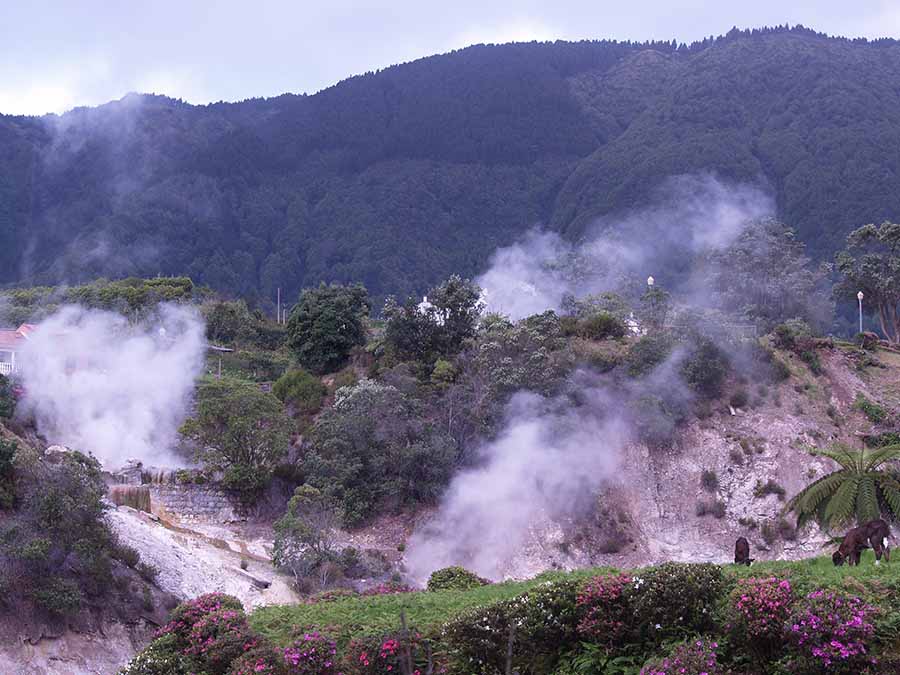
The Açores’ volcanic landscapes are a highlight. On São Miguel, the Sete Cidades crater lake, with its twin blue and green waters, offers scenic hiking trails and kayak rentals. Furnas, known for its hot springs, invites visitors to relax in thermal pools or explore botanical gardens filled with exotic plants. The Terra Nostra Park combines lush greenery with warm, mineral-rich waters.
Beach lovers will enjoy Praia do Populo’s dark volcanic sands, perfect for sunbathing or swimming. For a quieter retreat, Mosteiros Beach on São Miguel offers dramatic rock formations and calm waves. Water sports enthusiasts can try snorkelling or diving around Faial’s Capelinhos volcano, where underwater lava fields teem with marine life.
Food enthusiasts will savour Açorean cuisine. Restaurants in Angra do Heroísmo on Terceira, like O Chico, serve cozido das Furnas, a stew cooked underground by volcanic heat. Local markets offer fresh pineapples and queijo da ilha, a tangy cheese. Tea plantations in Gorreana, unique in Europe, provide tastings of green and black teas.
History abounds on Terceira, where the UNESCO-listed Angra do Heroísmo boasts colourful buildings and the 16th-century São João Baptista Fort. The Algar do Carvão, a volcanic cave, reveals stunning stalactites and an underground lake. On Pico, the island’s vineyard landscape, a UNESCO site, offers wine tastings amidst lava stone walls.
Outdoor pursuits thrive across the islands. Pico’s Mount Pico, Portugal’s highest peak, challenges hikers with rewarding summit views. Cycling routes on Faial wind through coastal paths, while whale-watching tours from Horta offer glimpses of sperm whales and dolphins. Families will find the Açores welcoming, with free attractions like São Miguel’s Lagoa do Fogo and budget-friendly visits to the Whaling Museum in São Jorge.
Cultural exploration continues in Ribeira Grande, where the Arquipélago Arts Centre showcases local artists. Evening walks along Ponta Delgada’s marina, followed by dinner at a seaside restaurant, create a warm and inviting end to the day.The Açores in the summer of 2026 promises a mix of natural beauty, cultural heritage, and culinary delights.
The Azores, an autonomous region of Portugal consisting of nine volcanic islands in the Atlantic Ocean, offer visitors a unique blend of natural beauty, adventure, and cultural experiences. Known for their dramatic landscapes, sustainable tourism, and rich biodiversity, the islands are often compared to a subtropical Iceland or the “Hawaii of Europe.”
Natural Attractions and Outdoor Activities
- Stunning Landscapes: The Azores are renowned for their lush green fields, volcanic craters, and turquoise lagoons. Key highlights include:
- Sete Cidades (São Miguel): A massive volcanic crater with twin lakes (one blue, one green) and breathtaking viewpoints like Miradouro da Boca do Inferno.
- Lagoa do Fogo and Furnas (São Miguel): Pristine lakes, hot springs, and geothermal pools where visitors can relax or witness the cooking of the traditional cozido das Furnas stew in volcanic soil.
- Mount Pico (Pico Island): Portugal’s highest peak at 2,351 meters, offering a challenging but rewarding hike with panoramic views. The ascent is steep and requires preparation, but the experience is unforgettable.
- Capelinhos Volcano (Faial): A lunar-like landscape from a 1957 eruption, with an interpretative center detailing the region’s volcanic history.
- Natural Pools: Islands like Terceira and São Jorge feature stone-carved pools heated by volcanic rock and refreshed by Atlantic waves.
Marine Activities:
- Whale Watching: The Azores are one of the world’s best destinations for spotting whales and dolphins, with São Miguel and Pico being prime spots. Tours, such as those offered by Whale Watching TERRA AZUL, are highly rated. April to May is ideal for sightings.
- Diving: Pico and Faial offer dives at sites like the Princess Alice banks, known for diverse marine life.
- Beaches: Santa Maria boasts warm, white-sand beaches, while São Miguel’s Ribeira Quente is a popular spot.
Hiking and Adventure:
- The Azores have an extensive network of 96 homologated hiking trails (838 km), ideal for exploring volcanic landscapes, waterfalls, and fajãs (coastal plains). Notable trails include the Trilho dos Grutões on São Jorge and paths around Ribeira dos Caldeirões on São Miguel.
- Activities like canyoning, mountain biking, and surfing are also popular, with São Miguel offering spectacular beaches for surfers.
Cultural and Culinary Experiences
- Unique Gastronomy: Azorean cuisine emphasizes fresh, local ingredients. Highlights include:
- Cozido das Furnas: A stew of meats and vegetables cooked underground by volcanic heat.
- Fresh seafood, local cheeses (especially from São Jorge), and wines from Pico’s UNESCO-listed vineyards.
- Dining at spots like A Tasca or Cais 20 in Ponta Delgada, known for grilled fish and Azorean stews.
Cultural Heritage:
- Angra do Heroísmo (Terceira): A UNESCO World Heritage Site with colorful architecture and historical significance as a former Portuguese capital.
- Gorreana Tea Factory (São Miguel): Europe’s oldest tea plantation, offering tours and tastings.
- Museums: The Museu de Emigração in Ribeira Grande provides insights into Azorean emigration history, with exhibits on traditions like the Holy Ghost festivals.
- Festivals: Local festivals, such as the Tremor 2026 music festival on São Miguel, blend culture and community, aiming to boost the local economy.
Sustainable Tourism
- The Azores are a leader in sustainable tourism, recognized as the “Best Adventure Tourism Destination in the World” for two consecutive years. Tourism is regulated to protect natural sites, with limits on hotel rooms and visitor numbers at attractions like Pico Mountain. Visitors are encouraged to respect the environment.
- The islands offer a safe, uncrowded experience, ideal for nature lovers, with activities like birdwatching, golf, and long walks in pristine settings.
Practical Information
- Getting There: Most visitors arrive at João Paulo II Airport (PDL) in Ponta Delgada, São Miguel, with direct flights from Lisbon, London, Boston, and Toronto. Inter-island travel is via Azores Airlines or ferries, though schedules vary seasonally.
- Getting Around: Renting a car is recommended for flexibility, as public buses cater mainly to locals. Taxis can be costly, and manual cars are common.
- Accommodation: Options range from charming hotels like Hotel Talisman in Ponta Delgada to large Airbnb houses for families. Booking early is advised due to limited availability in popular areas.
- Weather: The Azores have fickle weather, with rapid changes between sun, rain, and wind. May to August offers mild temperatures and clearer skies, ideal for outdoor activities.
- Safety: The Azores are safe, but visitors should heed beach warning flags, avoid cliff edges, and be cautious of marine life like jellyfish. Portugal’s militant threat level is “significant” (3/5), so vigilance is advised in public areas.
What’s New for 2026 in the Azores
- Tremor 2026 Festival (São Miguel): This cultural and music festival aims to transform São Miguel’s economy by attracting visitors and highlighting local talent. It’s a key event for 2026, fostering cultural exchange.
- New Tourism Portal: Launched in November 2024, the updated Azores Tourism Portal (portal.azores.gov.pt) enhances access to information for tourists and investors, streamlining trip planning.
- Tourism Strategy Conference: The “Estratégia Turismo 2035” conference held in October 2024 in Ponta Delgada outlined long-term goals for sustainable tourism, emphasizing adventure and nature-based experiences.
Hiking and Outdoor Developments
- Expanded Hiking Trails: In 2026, 14 new hiking trails are being implemented, with three additional trails approved, including the 6.5 km Trilho dos Grutões on São Jorge. These additions diversify the 838 km Regional Network of Pedestrian Routes, enhancing access to remote areas and supporting sustainable tourism. Signage and safety improvements, especially on Pico and Flores, ensure a high-quality experience.
- Trail Maintenance: Eight trails were temporarily closed in 2024 due to safety concerns like unstable terrain, but ongoing maintenance (e.g., reinforced signage on Pico and Flores) ensures safer access in 2026.
The Azores, a nine-island archipelago in the Atlantic, are known for their stunning landscapes and sustainable tourism, but beyond the popular spots like Sete Cidades or Mount Pico, there are lesser-known, off-the-beaten-track locations and attractions that offer unique experiences. These hidden gems, often overlooked by mainstream tourists, provide a deeper connection to the islands’ natural beauty, culture, and tranquility.
Off-the-Beaten-Track Locations and Attractions in the Azores
- São Miguel Island: Ribeira dos Caldeirões Natural Park (Nordeste): Tucked in the less-visited Nordeste region, this park features a series of cascading waterfalls, lush greenery, and historic watermills. The area feels untouched, with serene trails winding through fern-covered cliffs and streams. Far from the crowds of Ponta Delgada, it offers a peaceful retreat with opportunities for photography, picnicking, or short hikes. The park’s old mill structures add a cultural touch, reflecting traditional Azorean life. Walk the short trails to the main waterfall, explore the mills, or relax by the natural pools. Bring a picnic to enjoy the quiet ambiance. A 45-minute drive from Ponta Delgada. Renting a car is ideal, as public transport is limited in Nordeste.
- Povoação Village and Fajã do Calhau: Povoação, one of São Miguel’s oldest settlements, is a quaint village with colorful houses and a relaxed vibe. Nearby, Fajã do Calhau is a remote coastal plain accessible by a steep trail, featuring black volcanic cliffs and small agricultural plots. This fajã (a flat coastal area formed by lava or landslides) is less frequented than others, offering solitude and raw natural beauty. The village itself has charming local eateries serving traditional dishes like alcatra (beef stew). Hike to Fajã do Calhau for coastal views, visit Povoação’s church (Igreja de Nossa Senhora do Rosário), or sample local cuisine at small restaurants. About 50 km from Ponta Delgada; a car is recommended. The trail to the fajã requires moderate fitness.
- Pico Island: Cachorro Fajã: Located on Pico’s northern coast near São Roque do Pico, this small fajã is a hidden gem with lava-formed tide pools, vineyards, and traditional stone houses. The nearby Arcos do Cachorro, a series of volcanic rock arches, create a dramatic seascape. Unlike the busier wine regions of Lajido, Cachorro offers a quiet escape with unique geological formations and a chance to see local fishermen at work. The area’s microclimate supports small-scale wine production. Explore the tide pools, photograph the arches, or visit nearby Adega Açoreana for a wine tasting. Bring sturdy shoes for rocky terrain. A short drive from São Roque; accessible by car or a guided tour focusing on Pico’s fajãs.
- Gruta das Torres: This is Portugal’s longest lava tube, stretching over 5 km, located near Madalena. Guided tours take visitors through a surreal underground world of stalactites, stalagmites, and volcanic formations. Less crowded than Pico’s main attractions, the cave offers an otherworldly experience, showcasing the island’s volcanic origins. Tours are intimate, with a focus on geology and conservation. Book a guided tour (helmets and flashlights provided) to explore the cave’s main sections. Combine with a visit to nearby vineyards for a full day. About 10 km from Madalena; reservations are required (visit the official Azores tourism site or local operators).
- São Jorge Island: Fajã da Caldeira de Santo Cristo: Accessible only by foot or ATV from Serra do Topo, this remote fajã on São Jorge’s north coast is a secluded paradise with a lagoon, small chapel, and a few traditional houses. It’s known for its endemic clams and surfing waves. The fajã’s isolation preserves its untouched beauty and cultural heritage. It’s a haven for adventurers and those seeking solitude, with a spiritual ambiance around the Santo Cristo chapel. Hike the 10 km round-trip trail (moderate difficulty), swim in the lagoon, or try surfing if conditions allow. Sample local clams at a small café (seasonal availability). Start at Serra do Topo; the trail takes 2–3 hours round trip. Guided tours are available for ATV access.
- Poça Simão Dias: A hidden natural pool near Fajã dos Vimes, carved into volcanic rock and fed by the ocean, offering crystal-clear waters and dramatic cliffs. Unlike São Miguel’s crowded pools, Poça Simão Dias is rarely visited, providing a private swimming experience surrounded by rugged beauty. Swim or snorkel in the pool, hike nearby trails, or visit Fajã dos Vimes for its handmade quilts and coffee plantations. A short, steep hike from Fajã dos Vimes; local guides can assist with directions.
- Flores Island: Poço do Bacalhau Waterfall: Located near Fajã Grande, this 90-meter waterfall plunges into a natural pool surrounded by lush vegetation, creating a tropical oasis. Flores is the westernmost and least-visited island, and this waterfall is a hidden gem even among locals. The pool is perfect for a refreshing dip, and the area feels like a secret garden. Swim in the pool, hike nearby trails to other waterfalls like Poço da Alagoinha, or explore Fajã Grande’s coastal paths. A 10-minute walk from Fajã Grande; reachable by car from Santa Cruz das Flores (30-minute drive).
- Rocha dos Bordões: A geological marvel near Mosteiro, this basalt rock formation features vertical columns resembling organ pipes, surrounded by green hills. Its remote location and striking appearance make it a photographer’s dream, yet it’s rarely crowded. The site showcases Flores’ volcanic diversity. Visit for sunrise or sunset photography, pair with a hike in the surrounding hills, or explore nearby miradouros (viewpoints). A short drive from Lajes das Flores; a car is essential due to limited public transport.
- Corvo Island: Caldeirão Crater: Corvo, the smallest and most remote Azorean island, is home to this 300-meter-deep volcanic caldera with small lakes and grazing cows inside. A trail leads to the crater’s rim and interior. With only 400 residents and minimal tourism, Corvo feels like stepping back in time. The Caldeirão offers a surreal, intimate experience with nature, far from any crowds. Hike the 5 km trail to the crater (moderate difficulty), birdwatch (Corvo is a hotspot for rare species), or chat with locals in Vila do Corvo for stories of island life. Fly or take a ferry from Flores (seasonal). The trailhead is near Vila do Corvo; guided hikes are recommended for first-timers.
- Faial Island: Morro de Castelo Branco: A volcanic dome off Faial’s southwest coast near Feteira, this white cliff resembles a castle and is a haven for seabirds like Cory’s shearwaters. Less visited than Capelinhos, it offers coastal hiking and birdwatching in a tranquil setting. The site’s unique shape and marine views are mesmerizing. Hike the coastal path for views, bring binoculars for birdwatching, or combine with a visit to nearby Varadouro’s natural pools. A 15-minute drive from Horta; accessible by car or bike.
Tips for Exploring
- Transportation: Renting a car is essential for most of these remote spots, as public buses don’t serve rural areas well. On smaller islands like Corvo or Flores, consider guided tours or local taxis for efficiency.
- Preparation: Pack sturdy hiking shoes, rain gear, and snacks, as many locations lack facilities. Check trail conditions on the Azores Trails website (trails.visitazores.com) or the new Azores Tourism Portal (portal.azores.gov.pt).
- Guides and Locals: For hard-to-reach spots like Fajã da Caldeira de Santo Cristo, hire a local guide through operators like Azores Getaways or ask locals for tips. Azoreans are friendly and often share insider knowledge.
- Sustainability: Respect the environment by sticking to marked paths, avoiding littering, and following local guidelines. Many of these areas are ecologically sensitive.
- Timing: Visit in spring (April–May) or early fall (September–October) for mild weather and fewer tourists. Summer (June–August) is busier but still quieter than mainland Portugal.
- Connectivity: Some remote areas, like Corvo or Flores, have limited cell service. Download offline maps (e.g., Maps.me) and inform someone of your plans.
These off-the-beaten-track spots highlight the Azores’ raw, unspoiled charm, offering solitude and authentic experiences. From the surreal lava tubes of Pico to the isolated fajãs of São Jorge and the untouched craters of Corvo, they showcase the archipelago’s geological diversity and cultural heritage. Unlike the busier hubs of São Miguel or Terceira, these locations reward adventurous travelers with a sense of discovery, whether swimming in a hidden pool, hiking to a secluded lagoon, or exploring a village frozen in time.
Always check local weather and trail conditions before visiting, as the Azores’ climate is unpredictable, and some trails may close for maintenance (e.g., eight trails were temporarily closed in 2024). For bookings or guided tours, consult the Azores Tourism Portal or local operators like Futurismo Azores Adventures. Recent Social media posts praise the Azores’ “secret spots” for their “Lord of the Rings vibe,” emphasizing their allure for intrepid explorers in 2026.
Portugal region by region
Açores – Alentejo – Algarve – Centro de Portugal – Lisboa – Madeira – Oeste e Vale do Tejo – Península de Setúbal – Porto e Norte
Spain region by region
Almería – Andalusia – Aragón – Asturias – Basque Country – Cádiz – Cantabria – Catalonia – Córdoba – Extremadura – Fuerteventura – Galicia – Gran Canaria – Granada – Huelva – Ibiza – Jaén – La Mancha – La Rioja – Lanzarote – León – Madrid – Majorca – Málaga – Menorca – Murcia – Navarra – Seville – Tenerife – Valencia –