Prolonged drought and successive heatwaves have pushed water levels on the Danube to record lows, forcing itinerary changes, passenger transfers and navigation restrictions for river cruise operators across several countries at the height of the summer season, severely disrupting Europe’s multi-billion-euro river cruise industry at the height of the summer travel season.
The situation is compounding operational challenges for the sector already dealing with extreme weather elsewhere in Europe. Operators are adapting schedules and moving guests by coach where necessary while monitoring conditions closely. On Thursday one of Viking’s river ships grounded on the Danube, forcing the evacuation of passengers.
The low water levels have triggered an 18pc drop in bookings for regional operators like MAHART-PassNave. Beyond the cruises, the receding waters have exposed dangerous World War II explosives along the Budapest riverfront, halted standard cargo traffic, and forced local day-trips and sightseeing excursions to suspend operations entirely.
Driven by prolonged droughts and intense heatwaves, the river has dropped to historic lows—including a record-breaking 23 centimetres in Budapest, well below the previous 2018 record low. Because the Danube normally accommodates roughly 600,000 international cruise passengers annually, operators are facing chaotic operational challenges.
The most severe disruptions involve ships physically unable to navigate the shallow channels:
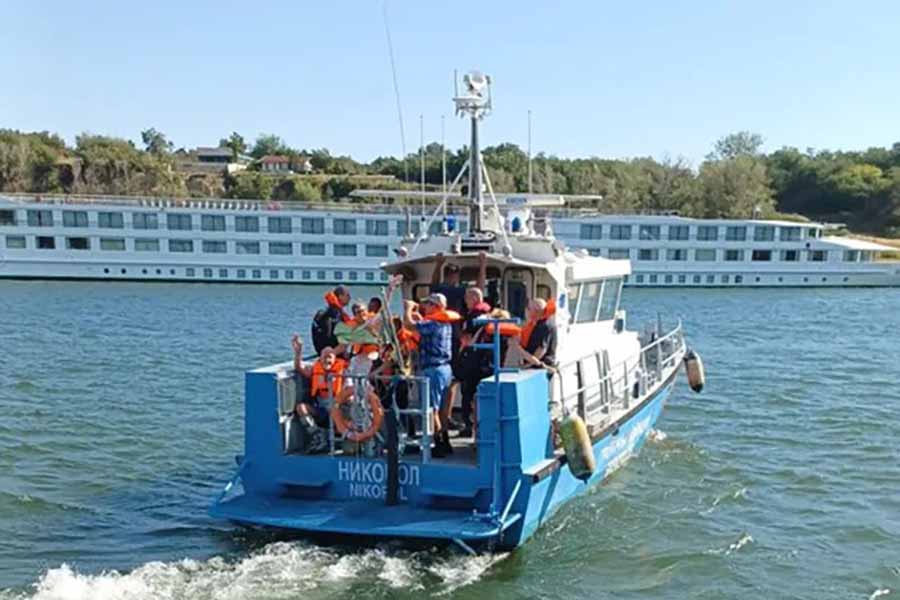
- The Viking Ullur Grounding: The vessel ran aground on a sandbank in northwest Bulgaria. Emergency services had to evacuate all 186 passengers via small boats after the ship ran out of drinking water and food because it could not safely reach its supply port.
- Port Blockades: According to reports covered by Reuters, multiple international cruise ships are currently idle or stranded in ports like Budapest and Mohacs, entirely unable to continue their journeys.
To keep trips moving, major operators like Avalon Waterways, Viking, AmaWaterways, and Uniworld are deploying contingency plans:
- “Ship Swaps”: Lines with large, identical fleets position one sister ship on each side of an impassable, shallow stretch of river. Passengers pack their bags, take a bus past the shallow bottleneck, and board the identical sister ship to finish their itinerary.
- Motorcoach Substitutions: Many scenic sailing segments have been entirely replaced by lengthy, unexpected bus rides.
- Altered Itineraries: Ships are frequently bypassing scheduled destination stops. For example, Uniworld’s S.S. Emilie was forced to skip its final planned ports of Regensburg and Nuremberg, diverting passengers to Linz, Austria instead.
The grounding of the Viking Ullur on 28 July near Vidin in Bulgaria has brought into sharp focus the vulnerability of Europe’s river cruise industry to climatic extremes. The Swiss-flagged vessel, carrying 186 passengers and 52 crew, came into contact with a sandbank in the early hours while sailing downriver from Drobeta-Turnu Severin in Romania. Bulgarian border police conducted an orderly evacuation with no injuries reported. Viking confirmed that the incident occurred during a period of exceptionally low water levels. This event forms part of a wider pattern in which the Danube has fallen to its lowest point in three decades in sections of Romania and has registered readings well below navigation thresholds in Serbia, Croatia and Hungary.
River cruise operators have long treated water level fluctuations as an occupational hazard. In previous years low water has prompted ship swaps, shortened itineraries and coach transfers between ports. The current season differs in both scale and intensity. Successive heatwaves across Central and Eastern Europe have accelerated evaporation while rainfall has remained scarce. As a result, stretches of the river that normally allow free passage for longships have become impassable for vessels of standard draught. Companies have responded by revising daily programmes, docking earlier and transporting guests by road to downstream embarkation points. These measures preserve the core experience of cultural visits and guided excursions but alter the seamless flow that passengers associate with a river voyage.
The economic consequences extend beyond individual sailings. River cruising contributes substantially to tourism revenues in Austria, Hungary, Slovakia, Serbia, Romania and Bulgaria. Hotels, restaurants, coach operators and local guides depend on the steady arrival of cruise guests throughout the summer months. When ships cannot reach scheduled ports the immediate loss of spending is felt along the entire corridor. Operators absorb the cost of alternative transport and hotel nights while seeking to maintain guest satisfaction through compensatory offers. Insurers examine claims related to force majeure and contractual obligations. The cumulative effect places pressure on margins already affected by higher fuel prices and rising crew costs.
Weather patterns now dictate operational planning more forcefully than in earlier decades. Meteorological services issue regular updates on river gauges and operators maintain contingency teams that can rearrange logistics within hours. Some lines have invested in vessels with shallower draughts designed to navigate lower levels. Others expand their fleets of coaches and cultivate closer relationships with local transport providers. These adaptations demonstrate professional competence yet they also reveal the limits of engineering solutions when weather systems persist for weeks. Guests who book months in advance expect a floating hotel that glides past castles and vineyards. Coach journeys, however well organised, introduce an element of disruption that can diminish the sense of continuous discovery.
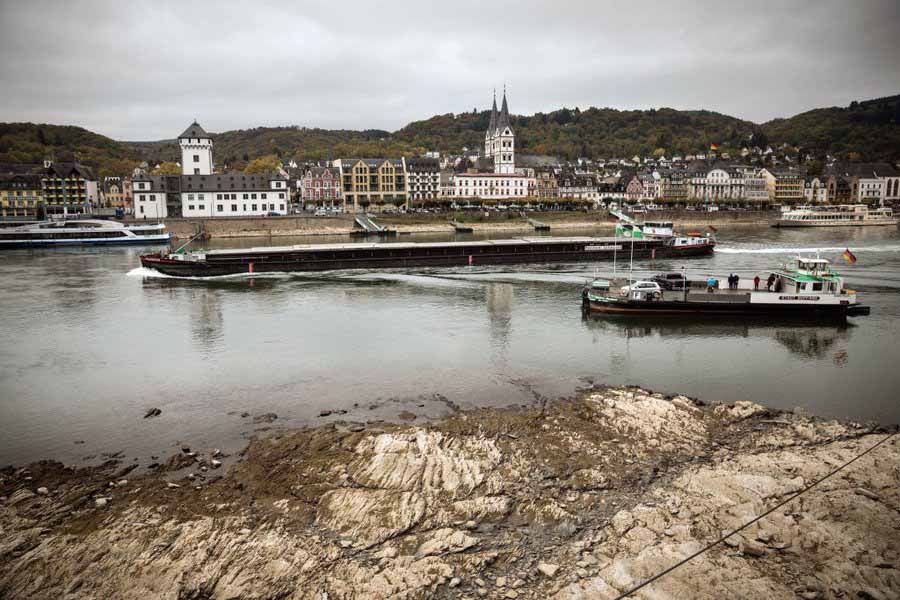
Comparisons with the Rhine illustrate the regional nature of the problem. Sections of that river have likewise experienced restricted navigation this summer, with some freighters requiring assistance to reach deeper channels. The combination of low water on both major waterways reduces the flexibility that operators once enjoyed in redeploying vessels. A ship unable to complete a Danube itinerary cannot simply transfer to the Rhine if conditions there are equally constrained. The industry therefore faces simultaneous pressure on its two principal European arteries. This dual challenge concentrates risk and requires more sophisticated forecasting and inventory management.
Predictable seasonal water
Longer-term questions concern the sustainability of the current business model. River cruising depends on predictable seasonal water levels that allow ships to move freely between spring and autumn. If prolonged drought becomes a recurring feature of European summers then operators must reconsider vessel design, itinerary construction and seasonal concentration. Some may shift capacity towards spring and autumn windows when rainfall is more reliable. Others may develop hybrid programmes that combine shorter river segments with extended stays in major cities reachable by other means. Such adjustments would alter the traditional product and require careful marketing to avoid alienating the core clientele that values continuous river travel.
Local communities along the Danube also confront consequences. Ports that rely on cruise traffic for seasonal employment experience reduced demand when ships divert. Municipal authorities that invest in docking facilities and passenger terminals see lower utilisation rates. Agricultural interests that share the river for irrigation and transport face parallel difficulties when water levels drop. Coordination between tourism bodies, environmental agencies and navigation authorities becomes more urgent. Joint monitoring systems and shared contingency protocols can reduce the impact of extreme conditions, yet they demand resources and political will across national borders.
Scientific assessments attribute the intensity of recent heatwaves and the associated drought to broader climatic trends. Rising average temperatures increase evaporation from river surfaces and reduce snowmelt contributions from Alpine sources that historically replenished the Danube in late spring and early summer. Changes in precipitation patterns further limit replenishment. While individual weather events remain subject to natural variability, the frequency and severity of low-water episodes have increased. The river cruise sector therefore operates within an environment of heightened uncertainty that traditional seasonal planning no longer fully addresses.
Weather resilience
Operators have begun to incorporate weather resilience into strategic discussions. Investment decisions now weigh the cost of shallower-draught vessels against the potential for more frequent disruptions. Partnerships with meteorological services and hydrological institutes provide earlier warnings. Training programmes equip crews to manage grounding risks and evacuation procedures. These steps represent prudent risk management. They also signal recognition that the operating environment of the past two decades is giving way to a more volatile regime.
The grounding of the Viking Ullur serves as a concrete illustration rather than an isolated mishap. It occurred against a background of record-low readings and widespread navigation restrictions. Other lines have reported itinerary alterations and temporary suspensions of certain stretches. The sector’s ability to maintain service levels under these conditions demonstrates operational maturity. Continued reliance on ad-hoc transfers and reactive schedule changes, however, cannot form a permanent foundation. Structural responses that address vessel capability, itinerary flexibility and seasonal distribution will determine whether river cruising retains its appeal for the next generation of travellers.
Guests who choose river voyages do so in part for the intimate scale and the proximity to landscape and culture that ocean ships cannot match. Preserving that distinctive character while adapting to lower and more variable water levels presents a complex task. Success will depend on accurate forecasting, agile logistics, transparent guest communication and investment in appropriate hardware. The events of this summer make plain that these elements must advance together. Failure to adapt risks progressive erosion of reliability and, with it, the confidence of the market.
Regulatory frameworks may also evolve. Navigation authorities already impose draft restrictions and temporary closures when gauges fall below safe thresholds. Further episodes of extreme low water could prompt tighter seasonal controls or requirements for enhanced contingency planning by operators. Insurance markets may adjust premiums or impose stricter conditions related to weather risk. These developments would add to the cost base and reinforce the need for proactive adaptation rather than reactive management.
Reposition vessels
In the immediate term the priority remains the safe and satisfactory completion of current sailings. Operators continue to monitor gauges, reposition vessels where possible and arrange alternative transport. Guests receive updated information and, where necessary, compensation or rebooking options. The industry’s response to the Viking Ullur incident and to the broader low-water conditions will shape perceptions of competence and care. Clear evidence of preparation and guest-focused resolution can mitigate the negative impression created by disruption.
Looking beyond the present season the river cruise sector faces a choice. It can treat the current drought and heatwaves as temporary anomalies requiring temporary measures, or it can accept them as indicators of a changed operating environment that demands lasting adjustment. The data from Romania, Serbia, Croatia, Hungary and Bulgaria support the latter interpretation. Water levels that reach thirty-year lows and remain suppressed for extended periods alter the calculus of reliability. Operators that integrate this reality into fleet planning, product design and marketing strategy will be better placed to sustain their position. Those that wait for a return to previous norms risk repeated disruption and gradual loss of market confidence.
The Danube has carried travellers and trade for centuries. Its capacity to support modern river cruising depends on water volumes that weather trends now render less certain. The grounding near Vidin and the wider pattern of restrictions demonstrate the practical consequences. Through disciplined adaptation, investment in suitable vessels and transparent engagement with passengers the industry can continue to offer the distinctive experience that defines the product. The alternative is progressive constraint and diminished appeal. The events of July 2026 leave little room for complacency.