Here are some of the most famous and memorable April Fools’ media pranks related to travel. Airlines and travel brands have a long tradition of clever (and sometimes outrageous) hoaxes that often go viral.
- Dublin airport selling DUB designation to Dubai (2015): The airport social media team created a stir by claiming the IATA designation DUB had been sold to Dubai airport. Dublin Airport’s 2025 prank, that in view of the debate over the passenger cap, caps could no longer worn by passengers and they must be removed prior to entering the terminals, was taken less seriously (we are learning).
- Virgin Australia’s In-Flight Spin Class (2018): The airline released a slick video announcing the world’s first onboard spin (cycling) classes during flights, complete with exercise bikes in the cabin. Many passengers initially believed it was a new fitness amenity for long-haul routes.
- WestJet’s “Furry Family” Policy (2013): WestJet announced that passengers could bring any animal into the cabin under a new “Furry Family” programme , from cats and dogs to horses, pigs, and even giraffes. The prank played on pet-friendly travel trends and fooled thousands.
- Ryanair’s Child-Free Flights (2011): Ryanair claimed it would introduce child-free flights from October 2011, with a survey suggesting over half of passengers would pay extra to avoid crying babies. The low-cost carrier’s deadpan style made it especially believable (and controversial). Among thos who swallowed it was the PR firm representing SAS Scandinavian in Dublin who issued a press repelase saying children were welcome on SAS flights.
- Virgin Atlantic’s Glass-Bottomed Planes: Virgin Atlantic teased “the world’s first glass-bottomed aircraft,” allowing passengers to view the ground (or ocean) below during flight. It generated huge media buzz before the reveal.
- Piste of the Seas – Floating Ski Resort (2017): Royal Caribbean announced the world’s first ski resort at sea on a ship called Piste of the Seas. It featured five snow runs, a ski lift, chalet-style rooms, après-ski bars, and a full spa. The idea of combining a cruise holiday with a ski break fooled many fans who were torn between the two types of vacation.
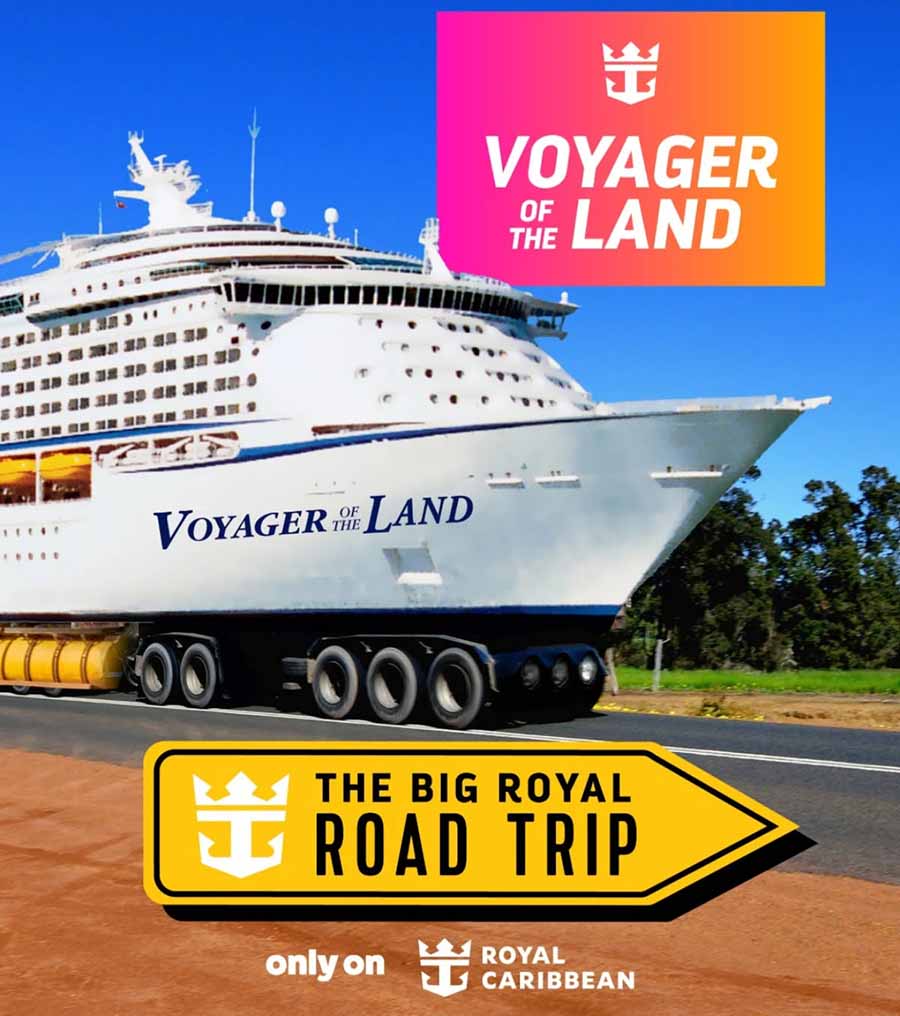
- Voyager of the Land – Cruise Ship on Wheels: Royal Caribbean revealed plans for a massive “cruise ship” on wheels that would drive around Australia, visiting iconic landmarks on land instead of sailing at sea.
- Carnival Submarine / Down Under Experience: Carnival announced a revolutionary underwater submarine attraction that would take passengers deep below the ocean for immersive excursions, complete with panoramic views of marine life.
- Carnival Airlines Revival: The line jokingly brought back “Carnival Airlines,” offering free upgrades to business class for crew and passengers, playing on the old airline subsidiary that once existed.
- P&O Oceana Underwater Dock & Mini-Submarine: A fake notice in the ship’s daily programme claimed that during a refurbishment, an underwater dock had been installed, allowing guests to take mini-submarine excursions from the ship.
- Fred. Olsen Slide from Suites to Lido Bar: The British line announced exciting new water slides running directly from balcony suites down to the Lido deck bar – a prank that felt almost believable to some.
- MSC Cruises Zero-G Cabins: MSC claimed to have developed “Zero Gravity” cabins using new technology that would allow passengers to float weightlessly while sleeping.
- Duolingo × Carnival 5-Year World Cruise: In a collaboration-style prank, Duolingo and Carnival promoted a five-year around-the-world cruise where guests would learn multiple languages through full cultural immersion (with actual booking links that led to real offers).
- Emirates “Emireats” Global Food Delivery (2022): Emirates jokingly launched a service delivering restaurant meals worldwide using its aircraft network , essentially turning planes into giant food delivery drones.
- WestJetX Space Flights & Helium-Filled Planes: WestJet has repeatedly pranked with ideas like budget space travel (tickets from $500,000) and filling aircraft with helium to make them lighter and more fuel-efficient.
- Airbnb “Lairbnb” (2016): Airbnb announced “Lairbnb” , secret hideouts for superheroes and villains, complete with dramatic lairs for rent. It cleverly tied into the superhero movie trend.
- Hotelicopter – The Flying Hotel (2009/2010): A viral campaign introduced the “Hot elicopter,” a giant helicopter hotel that would fly guests between destinations. It featured impressive CGI and fooled many into thinking luxury airborne accommodation was coming.
- Orbitz Time-Travel Trips: The travel site offered bookings to historical periods, such as Paris in 1889 or New York in the 1960s, playing on the fantasy of time tourism.
- St Petersburg/Clearwater’s “Manaphin”: Florida tourism promoters claimed a new hybrid sea creature (a cross between a manatee and dolphin) had been spotted in local waters to boost interest in the area.
- BBC’s Flying Penguins (2008): The BBC aired a polished nature documentary segment showing Adelie penguins flying to the Amazon instead of migrating. Narrated by Terry Jones, it was so convincing that many viewers believed it.
- GSWR’s free train to Drogheda (1944); A newspaper prank offered a free train service to Drogheda. According to the same newspaper, a large crowd gathered in the station and prepared to storm the train to claim their free seats.
Other notable mentions include airports announcing scented candles based on “airport aromas” (jet fuel, anyone?), standing-room-only “vertical class” on planes, and various in-flight food or entertainment hoaxes.