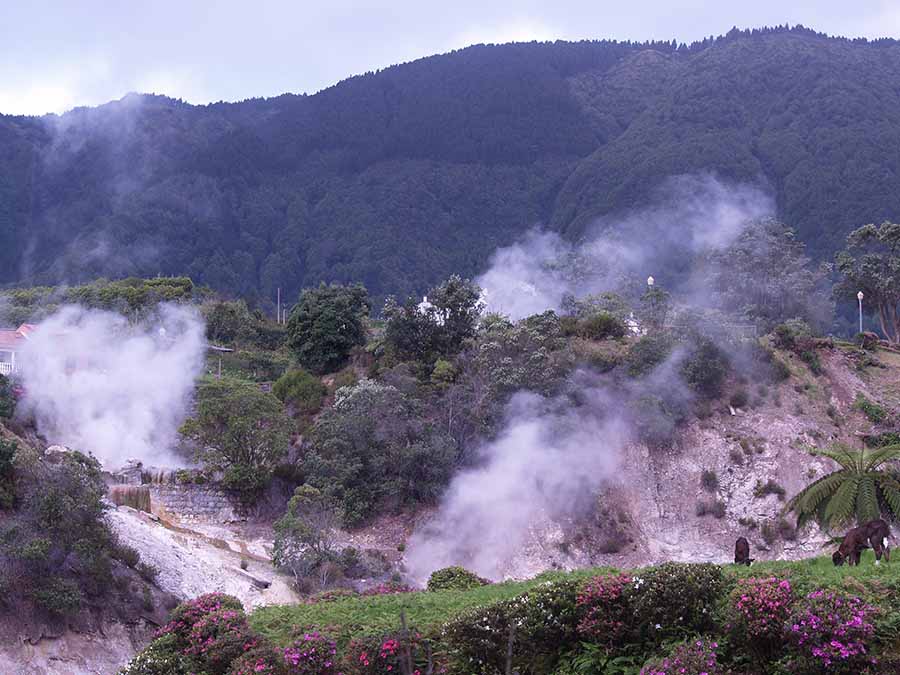
The Azores, a cluster of nine volcanic islands in the Atlantic, offer a compelling gastronomy tourism experience that celebrates Portugal’s island traditions. The region’s cuisine, shaped by its fertile soils and abundant seas, invites visitors to explore fresh seafood, tender meats, and unique local produce. From family-run eateries to scenic vineyards, the Azores provide a warm and authentic taste of island life.
The Azores’ food culture shines through its seafood, with dishes like grilled lapas, a type of limpet, served with garlic and butter, showcasing the freshness of the Atlantic catch. Visitors can join cooking workshops on islands like São Miguel to learn recipes such as cozido das Furnas, a stew slow-cooked in volcanic earth, blending meats and vegetables with a smoky flavour unique to the region. These hands-on sessions connect travellers with local chefs and time-honoured techniques.
Markets across the islands, such as Ponta Delgada’s Mercado da Graça, brim with local treasures like tropical pineapples, creamy cheeses, and Gorreana tea, Europe’s oldest tea plantation. Guided tours through these markets allow visitors to sample Queijo São Jorge, a semi-hard cheese with a spicy tang, or taste anonas, a creamy fruit with a vanilla-like sweetness. These experiences reveal the agricultural richness of the Azores’ volcanic terrain.
Dining in the Azores ranges from rustic to refined. Traditional tascas and guachinches, particularly on São Miguel and Terceira, serve hearty dishes like bife à regional, a tender steak topped with a fried egg and pickled peppers, paired with local wines. For those seeking modern flair, restaurants in Ponta Delgada offer creative takes on classics, using fresh fish like tuna or chicharros, a small mackerel often fried and served with a zesty sauce. The islands’ culinary diversity caters to every palate.
Wine tourism thrives on Pico, where vineyards grow in UNESCO-protected currais, stone-walled plots shielding grapes from salty sea air. Visitors can tour estates like the Azores Wine Company, tasting crisp whites with volcanic minerality, such as Arinto dos Açores or Verdelho. These excursions often include pairings with local cheeses, offering a glimpse into the island’s winemaking heritage.
The Azores’ rural landscapes enhance its gastronomic appeal. Tours to pineapple plantations on São Miguel or dairy farms on São Jorge reveal the craftsmanship behind the islands’ produce. Visitors can sample Quinta dos Açores ice cream, made with local milk and flavours like Dona Amélia cake, or explore tea production at Gorreana, where traditional methods yield aromatic blends. These outings connect travellers with the land’s bounty.
Accommodation options cater to food lovers, with hotels and rural guesthouses offering packages that include culinary workshops or dining at top restaurants. Many properties, especially in Ponta Delgada or Angra do Heroísmo, are close to markets and eateries, making exploration convenient. Self-catering villas allow visitors to cook with fresh ingredients from local stalls, fostering a hands-on connection to Azorean cuisine.
The islands’ infrastructure supports gastronomic tourism with ease. Ferries and flights connect the nine islands, while well-maintained roads and trails link key food destinations. Bicycle paths and walking routes, such as those around Furnas, offer scenic ways to explore culinary sites. The Azores’ airports, particularly in Ponta Delgada, provide straightforward access for international visitors.
The region’s blend of sea, soil, and tradition creates a welcoming culinary landscape. Whether savouring a volcanic-cooked stew, sipping wine in a Pico vineyard, or sampling cheeses in a bustling market, the Azores offer a flavourful journey that celebrates Portugal’s island soul.
Portugal region by region
Açores – Alentejo – Algarve – Centro de Portugal – Lisboa – Madeira – Oeste e Vale do Tejo – Península de Setúbal – Porto e Norte
Spain region by region
Almería – Andalusia – Aragón – Asturias – Basque Country – Cádiz – Cantabria – Catalonia – Córdoba – Extremadura – Fuerteventura – Galicia – Gran Canaria – Granada – Huelva – Ibiza – Jaén – La Mancha – La Rioja – Lanzarote – León – Madrid – Majorca – Málaga – Menorca – Murcia – Navarra – Seville – Tenerife – Valencia –