In Aragón, the traditional folk song La Jota Aragonesa captures the region’s spirited cultural identity, with the evocative line, “Sing, sing, for the jota lifts the heart,” reflecting the lively dance and music that define Aragonese festivals.
The poet Tomás Garcés, though primarily Catalan, referenced Aragón’s rugged landscapes in his work, notably in Poemes de la Terra Alta, where he describes “the Ebro’s silver thread weaving through stone,” a nod to the mighty Ebro River that shapes Aragón’s geography and history. In cinema, Aragón’s historic city of Zaragoza is prominently featured in the 2008 film The Blind Sunflowers (Los girasoles ciegos), set during the Spanish Civil War, with the poignant line, “In this city, silence speaks louder than words,” encapsulating the region’s complex past and the weight of its historical memory.
The region
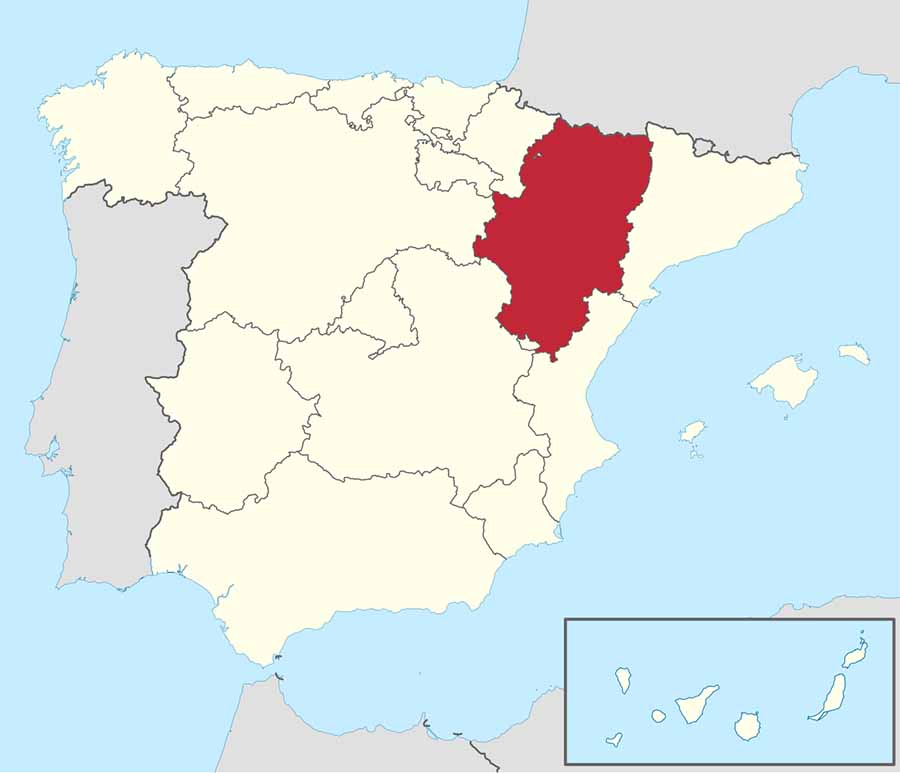
As summer 2026 approaches, Aragón beckons travellers with a delightful blend of historic cities, stunning landscapes, and authentic Spanish culture. This northern region of Spain, stretching from the Pyrenees to the Ebro Valley, offers a rewarding visitor experience for those seeking adventure, history, and relaxation.
Aragón’s natural beauty shines in its diverse terrain. The Ordesa and Monte Perdido National Park in the Pyrenees boasts rugged peaks, lush valleys, and cascading waterfalls, perfect for hiking or spotting wildlife like chamois and golden eagles. For thrill-seekers, the park’s trails and nearby rivers offer opportunities for canyoning and rafting. Further south, the Monegros Desert provides a striking contrast with its arid landscapes, ideal for off-road biking or stargazing under clear skies.
Zaragoza, Aragón’s capital, captivates with its rich heritage. The Basílica del Pilar, a grand baroque church, dominates the city’s skyline and invites visitors to admire its ornate frescoes and panoramic views from its tower. Nearby, the Aljafería Palace, a masterpiece of Islamic architecture, showcases intricate stucco work and tranquil courtyards. Strolling along the Ebro River or exploring Zaragoza’s Roman ruins, including the Caesaraugusta Theatre, adds a touch of history to any visit.
Food lovers will find Aragón’s cuisine a treat. In Zaragoza’s tapas bars, such as Casa Unai, diners can savour local dishes like migas (fried breadcrumbs with sausage) or ternasco (roast lamb), paired with robust Somontano wines. Rural markets in towns like Huesca offer fresh produce, from peaches to artisanal cheeses. For a unique experience, visitors can dine in traditional bodegas in the Campo de Cariñena wine region, tasting reds and whites crafted from local grapes.
Smaller towns add to Aragón’s charm. Teruel, with its Mudéjar architecture, features stunning landmarks like the Torre de El Salvador, a UNESCO-listed tower adorned with ceramic tiles. Alquézar, a picturesque village in the Sierra de Guara, offers scenic walks and access to the Vero River for kayaking. Jaca, a gateway to the Pyrenees, blends medieval history with outdoor pursuits, its 11th-century cathedral drawing history enthusiasts.
Aragón’s summer climate, with warm days averaging 28°C and cooler evenings, ensures comfortable exploration. Reliable bus and train connections, alongside car rentals, make it easy to travel from Zaragoza to mountain retreats or rural villages. Visitors can browse local crafts in Tarazona’s markets or relax in thermal spas like those in Jaraba, known for their mineral-rich waters.
With its mix of natural wonders, historic treasures, and culinary delights, Aragón offers a refreshing escape. Whether hiking in the Pyrenees, exploring Zaragoza’s landmarks, or enjoying a glass of local wine, summer 2026 in Aragón promises a memorable experience.
Visiting
Visitors to the Spanish province of Aragón in 2026 can expect a captivating mix of dramatic landscapes, rich history, vibrant culture, and authentic experiences. Located in northeastern Spain, Aragón comprises three provinces, Zaragoza, Huesca, and Teruel, and offers a diverse range of attractions, from the majestic Pyrenees mountains to medieval villages and UNESCO-listed architecture:
Spectacular Natural Landscapes
- Ordesa y Monte Perdido National Park: A UNESCO World Heritage Site in Huesca, this park is a highlight of the Aragonese Pyrenees. Expect rugged valleys, waterfalls, alpine meadows, and peaks like Monte Perdido (3,355m). It’s ideal for hiking, with trails like the Ordesa Valley or Cola de Caballo, and adventure sports like canyoning and climbing. The park’s biodiversity includes marmots, chamois, and golden eagles.
- Pyrenees Mountains: Aragón’s northern border with France features some of Europe’s highest peaks, including Aneto (3,404m). Visitors can ski at resorts like Formigal and Candanchú in winter or hike and paraglide in summer. The Posets-Maladeta Natural Park near Benasque offers trails through glacier-carved valleys.
- Los Monegros Desert: In southern Huesca, this semi-arid landscape contrasts with the lush Pyrenees. Expect eerie sandstone formations and birdwatching at Sariñena Lake, a haven for bitterns.
- Lagunas de Gallocanta: A prime birdwatching spot near Zaragoza, this wetland hosts thousands of migrating cranes and flamingos, especially in autumn and winter. Basic birdwatching gear and a visit to the local center enhance the experience.
Historical and Architectural Treasures
- Zaragoza’s Basilica de Nuestra Señora del Pilar: In Aragón’s capital, this Baroque masterpiece on the Ebro River is a pilgrimage site with Goya frescoes and a stunning rooftop view. The nearby Aljafería Palace, a UNESCO-listed Mudéjar fortress, blends Islamic and Christian designs.
- Monasterio de San Juan de la Peña: Near Jaca, this 9th-century monastery is tucked under a massive boulder, featuring a Romanesque cloister and Mozarabic church. Its dramatic setting and historical significance make it a must-visit.
- Loarre Castle: A stunning 11th-century Romanesque fortress in Huesca, perched on a hill with Pyrenees views. It’s one of Spain’s best-preserved castles, used in films like Kingdom of Heaven.
- Teruel’s Mudéjar Architecture: Teruel’s cathedral and towers, also UNESCO-listed, showcase intricate brickwork and colorful tiles. The Mausoleum of the Lovers of Teruel tells a tragic 13th-century romance story.
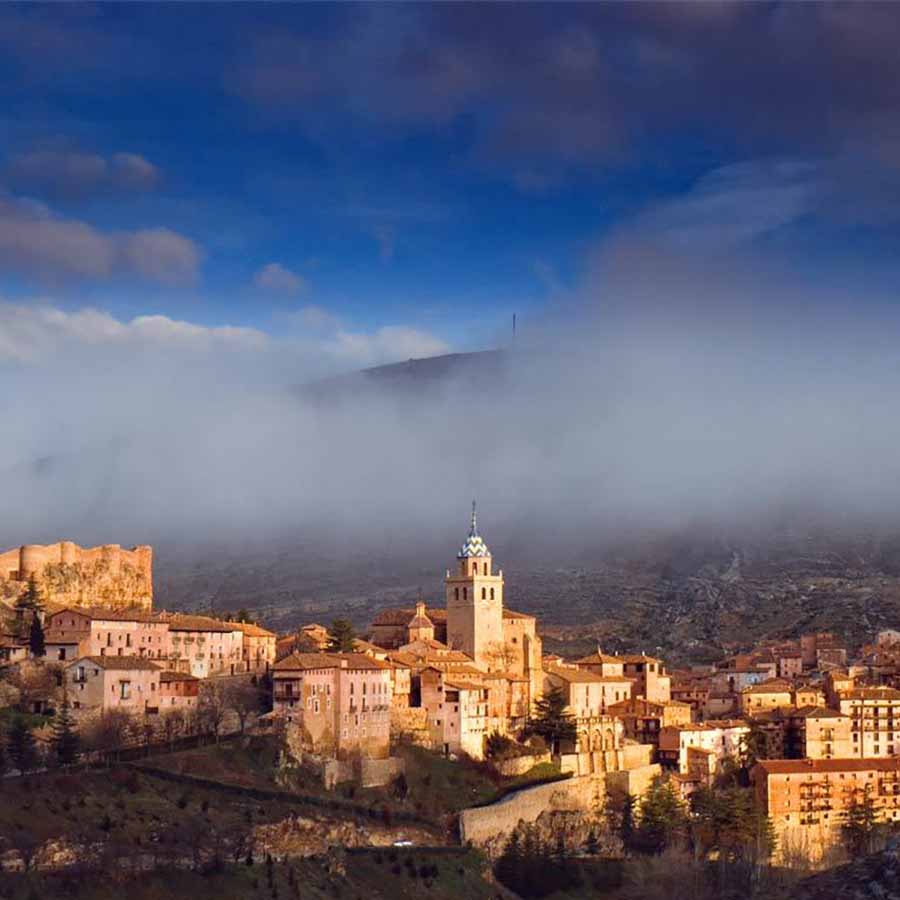
- Albarracín: This pink-hued medieval village in Teruel, often called Spain’s most beautiful, features cobbled streets, a cathedral, and a fortified wall. Its Pinares de Rodeno offers red sandstone landscapes and prehistoric rock art.
Charming Towns and Villages
- Sos del Rey Católico: A fortified hilltop village in Zaragoza province, birthplace of Ferdinand II. Expect cobbled lanes, a 12th-century castle, and local chocolates like frutas de Aragón. Its medieval charm is perfect for history lovers.
- Aínsa: In Sobrarbe, Huesca, this medieval town has a Romanesque church, a castle hosting the Follarasca autumn fair, and a lively plaza. It’s a hub for outdoor activities in the Pyrenees and saw a 12% rise in foreign visitors in 2024.
- Alquézar: A picturesque village in Huesca’s Sierra y Cañones de Guara Natural Park, known for the Pasarelas del Vero, a scenic riverside walkway. Its collegiate church and medieval streets are enchanting.
- Tarazona: A historic town with a Gothic cathedral, Jewish and Moorish quarters, and Mudéjar monuments, offering a quieter alternative to Zaragoza.
Cultural Experiences and Festivals
- Jota Dance: Aragón’s traditional folk dance, performed with leaps and bounds, is a lively cultural hallmark. Visitors can catch performances at festivals or cultural events.
- El Pilar Festival: Held in Zaragoza every October, this week-long celebration features processions, bullfights, giant papier-mâché figures, and a massive fireworks display on October 12, coinciding with Spain’s Día de la Hispanidad.
- Aínsa’s Follarasca Fair: In November, this autumn fair showcases artisanal products like honey, saffron, and cheese, alongside workshops and Halloween festivities.
- Dinópolis: In Teruel, this dinosaur-themed park combines education and entertainment, drawing 13,800 visitors during Easter 2026 with interactive exhibits and paleontology displays.
- Goya’s Legacy: Aragón is the birthplace of Francisco de Goya. Visitors can explore his childhood home in Fuendetodos and see his works in Zaragoza’s museums.
Culinary Delights
- Aragón’s cuisine is hearty and meat-centric. Expect dishes like ternasco (roasted lamb), pollo al chilindrón (chicken with peppers and ham), and Teruel ham, cured in the region’s dry winds. Migas (fried breadcrumbs with sausage and grapes) and river trout are also staples.
- Desserts include frutas de Aragón (candied fruits coated in chocolate) and fresh fruits like peaches and cherries from the Ebro Valley.
- The Somontano wine region produces excellent reds and whites, perfect for tastings at local wineries. Calatayud and Campo de Borja also offer robust wines.
- Zaragoza’s El Tubo district is a tapas haven, with bars like El Balcón del Tubo and El Champi Zgz serving mushroom tapas and egg-potato dishes in a lively atmosphere.
Outdoor and Adventure Activities
- Hiking and Climbing: The Pyrenees and Sierra de Guara offer trails for all levels, from leisurely walks in Ordesa to technical climbs on Monte Perdido.
- Skiing: Resorts like Formigal and Candanchú provide world-class slopes and snowboarding, with après-ski scenes in nearby villages.
- Adventure Sports: Try canyoning, rafting, or paragliding in the Pyrenees, or birdwatching in Gallocanta and Monegros. Benasque is a hub for outdoor gear and guided tours.
- Way of Saint James: Aragón is part of the Camino de Santiago’s Aragonese route, offering pilgrims a scenic, less-crowded path through monasteries and villages.
Practical Information for 2026
- Tourism Growth: Aragón saw 3.82 million visitors in 2023, with Huesca named a top European adventure destination. Expect continued growth in 2026, especially in Aínsa and Sobrarbe.
- New Regulations: Spain introduced a tourist tax in some regions (e.g., Catalonia), but Aragón has no specific tax mentioned. Non-EU visitors need travel insurance, proof of funds, and accommodation details at the border. The ETIAS travel authorization (€7) starts mid-2026 for visa-exempt travelers.
- Getting Around: Zaragoza is a transport hub with AVE high-speed trains to Madrid (1.5 hours) and Barcelona (1 hour). Renting a car is ideal for rural areas, as public transport is limited. Roads are well-maintained.
- Best Time to Visit: Spring (March-May) and autumn (September-November) offer mild weather for hiking and sightseeing. Winter is great for skiing, but southern Aragón can be brutally hot in summer.
- Accommodation: Stay in historic paradors like Sos del Rey Católico or Bielsa, or charming rural hotels via Rusticae. Traditional homes offer authenticity but may have small, firm beds.
What’s New in 2026
- Molina de Aragón Parador: Newly opened in Guadalajara (near Aragón’s border), this new parador overlooks Spain’s second-largest castle, offering modern rooms with fortress views. It’s a short drive from Teruel.
- Dinópolis Popularity: The park’s 30% visitor increase during Easter 2026 suggests growing family-friendly appeal, with new events and interactive exhibits planned.
- Aínsa’s Events: The national gathering of Spain’s most beautiful villages in Sobrarbe and November’s Follarasca fair will draw more visitors, enhancing cultural offerings.
- Sustainable Tourism: Aragón’s 2021-2024 Tourism Strategy continues to promote eco-friendly travel, with electric bus fleets and housing investments supporting visitor growth.
Aragón remains one of Spain’s best-kept secrets, offering an authentic escape from crowded tourist hubs. Its blend of untamed nature, medieval charm, and vibrant traditions, like the jota dance and El Pilar festivities, creates a unique experience. Whether hiking in Ordesa, savoring ternasco in a Zaragoza tapas bar, or exploring Goya’s
Off the Beaten track
The Spanish autonomous community of Aragón, encompassing the provinces of Zaragoza, Huesca, and Teruel, is a treasure trove of lesser-known destinations that offer authentic experiences away from the typical tourist circuits. These off-the-beaten-track locations and attractions highlight Aragón’s rugged landscapes, medieval heritage, and cultural depth, perfect for travelers seeking solitude and discovery in 2026. The hidden gems across Aragón are ideal for those looking to explore beyond the well-trodden paths of Zaragoza’s Basilica or Ordesa National Park.
- Anento and the Aguallueve Spring: Near Calatayud, Zaragoza province, about 90 km southwest of Zaragoza city.: Anento, a tiny village with fewer than 100 residents, is one of Aragón’s most picturesque hamlets, known for its red stone houses and medieval charm. The nearby Aguallueve Spring is a natural wonder where water seeps through a moss-covered rock face, creating a lush, fairy-tale-like oasis. A short, easy trail leads to the spring, passing orchards and the 13th-century castle ruins. Anento’s tranquility and the spring’s serene beauty offer a peaceful escape. The village’s isolation keeps it uncrowded, and its inclusion in Spain’s “Most Beautiful Villages” list adds allure without the tourist bustle of places like Albarracín. Visit in spring when the surrounding fields bloom with poppies. Bring a picnic to enjoy by the spring, as facilities are minimal. Combine with a wine tasting in the nearby Calatayud DO region, known for Garnacha reds.
- Cueva de los Letreros and Prehistoric Rock Art: Sierra de María-Los Vélez Natural Park, near Vélez-Blanco, Teruel province (close to Almería’s border), about 160 km from Zaragoza.: This UNESCO World Heritage Site in the Los Vélez region features prehistoric rock paintings from the Neolithic period (circa 5500–2500 BCE). The cave, tucked into a rugged sandstone landscape, displays vivid depictions of hunters, animals, and symbolic figures. Guided tours explain the art’s significance, and the surrounding park offers hiking trails through pine forests and almond groves. The cave’s remote location and small visitor numbers make it a deeply immersive experience for archaeology enthusiasts. The nearby village of Vélez-Blanco, with its Renaissance castle, adds historical context without the crowds of Teruel’s main sites. Book guided tours in advance through the park’s visitor center, as access is restricted to protect the art. Wear sturdy shoes for rocky paths. Visit in autumn for cooler temperatures and vibrant landscapes.
- Molinos and the Grutas de Cristal: Maestrazgo region, Teruel province, about 120 km southeast of Zaragoza.: The village of Molinos is a hidden gem in the dramatic Maestrazgo, known for its karst landscapes and the Grutas de Cristal (Crystal Caves). These underground caves are filled with stunning stalactites, stalagmites, and translucent calcite formations, discovered in 1961. A 45-minute guided tour reveals their geological beauty, accompanied by ambient music. Above ground, Molinos’ narrow streets and 15th-century church offer quiet charm. The caves are less famous than other Spanish cave systems, ensuring a more intimate visit. The Maestrazgo’s wild, sparsely populated terrain feels like a step back in time, perfect for adventurers. Reserve cave tickets online, as tours are limited. The caves are cool (around 12°C), so bring a light jacket. Explore nearby trails or visit the Maestrazgo Cultural Park for fossil sites and medieval hamlets like Cantavieja.
- Riglos and the Mallos de Riglos: Near Huesca city, Huesca province, about 45 km northwest of Zaragoza.: The Mallos de Riglos are towering conglomerate rock formations, some over 300 meters tall, rising dramatically from the Gállego River valley. The tiny village of Riglos, at their base, is a haven for climbers tackling the vertical faces. Non-climbers can hike trails like the Camino del Cielo, offering panoramic views, or spot vultures and peregrine falcons. The nearby 11th-century San Martín hermitage adds historical intrigue. While climbers know Riglos, it remains off the radar for most tourists, offering a quieter alternative to the Pyrenees’ busier trails. The surreal landscape feels almost otherworldly, especially at sunset when the rocks glow red. Spring and autumn are ideal for hiking and climbing due to mild weather. Basic climbing gear is available in Riglos, but experienced climbers should bring their own. Stop at the village bar for local migas or a craft beer.
- Lagunas de Gallocanta: Near Daroca, straddling Zaragoza and Teruel provinces, about 100 km south of Zaragoza.: This shallow, saline lake is one of Spain’s largest wetlands and a critical stopover for migrating birds, especially common cranes (up to 40,000 in autumn). A visitor center in Bello offers binoculars, maps, and guided tours. Walking or cycling trails circle the lake, passing through steppe landscapes and small villages like Gallocanta and Berrueco. The lake’s remote location and lack of commercial development make it a haven for nature lovers and birdwatchers seeking solitude. The sight of thousands of cranes at dawn is unforgettable. Visit between October and February for peak bird migrations. Bring warm clothing, as winds can be chilly. The visitor center provides free resources, but donations support conservation. Pair with a visit to nearby Daroca’s medieval walls.
- Monasterio de Rueda: Sástago, Zaragoza province, about 70 km southeast of Zaragoza.: This 12th-century Cistercian monastery, set along the Ebro River, is a hidden masterpiece of Gothic and Mudéjar architecture. Its austere cloisters, grand church, and restored waterwheel (rueda) reflect its agricultural past. The surrounding Ribera Baja del Ebro region features vineyards and olive groves, ideal for leisurely walks. Unlike Aragón’s more famous monasteries like San Juan de la Peña, Rueda sees few visitors, offering a serene historical experience. Its riverside setting adds natural beauty, and the lack of crowds enhances its contemplative atmosphere. Check opening hours, as the monastery is sometimes closed outside peak seasons. Guided tours in Spanish provide detailed history. Combine with a visit to the nearby Mequinenza Reservoir for fishing or kayaking.
- Cantavieja and the Maestrazgo Templar Route: Maestrazgo region, Teruel province, about 140 km southeast of Zaragoza.: Cantavieja, a fortified hilltop village, was a stronghold of the Knights Templar and Carlist Wars. Its medieval streets, castle ruins, and 18th-century church offer a glimpse into Aragón’s turbulent past. The Maestrazgo Templar Route connects Cantavieja with other villages like Mirambel and La Iglesuela del Cid, featuring Templar churches and dramatic gorges. The Maestrazgo’s remote, rocky terrain feels untouched by time, and Cantavieja’s historical significance is underexplored compared to Teruel’s Mudéjar sites. The route is perfect for history buffs and slow travelers. A car is essential for the winding roads. Visit in May for the Maestrazgo’s cherry blossom season or September for harvest festivals. Try local jamón de Teruel at village taverns.
- Sierra de Albarracín and Pinares de Rodeno: Near Albarracín, Teruel province, about 180 km south of Zaragoza.: While Albarracín’s pink village is gaining fame, the surrounding Pinares de Rodeno, a protected landscape of red sandstone and pine forests, remains a hidden gem. It’s home to prehistoric Levantine rock art (UNESCO-listed), depicting hunting scenes in sheltered caves. Hiking trails like the Ruta de las Pinturas Rupestres offer art and scenery, while the Tajo River gorge provides kayaking opportunities. The area’s surreal red rock formations and sparse visitors create a sense of discovery. The rock art, less known than Altamira’s caves, feels intimate and ancient. Guided tours from Albarracín’s visitor center are recommended to access restricted art sites. Wear hiking boots for uneven trails. Avoid peak summer heat; spring or autumn are ideal.
Practical Tips for Off-the-Beaten-Track Exploration
- Transportation: Renting a car is crucial, as public transport is scarce in rural Aragón. Roads are generally good, but some mountain routes are narrow. Download offline maps, as cell service can be patchy.
- Preparation: Pack water, snacks, and sun protection, as facilities are limited in remote areas. Layered clothing is wise for fluctuating mountain or desert temperatures.
- Timing: Spring (March-May) and autumn (September-November) offer mild weather and vibrant landscapes. Winter is great for birdwatching at Gallocanta, but some sites may close. Summer can be scorching in southern Aragón.
- Sustainability: Stick to marked trails to protect fragile ecosystems and archaeological sites. Support local economies by dining at village restaurants or buying crafts like Calatayud wines or Teruel ham.
These hidden spots in Aragón offer a chance to experience the region’s raw beauty and layered history without the crowds of Zaragoza or the Pyrenees’ main hubs. From prehistoric art in remote caves to tranquil wetlands teeming with cranes, these destinations reward adventurous travelers with authenticity and serenity. Aragón’s 2021-2024 Tourism Strategy emphasizes sustainable rural tourism, ensuring these areas remain preserved yet accessible in 2026.
Spain region by region
Almería – Andalusia – Aragón – Asturias – Basque Country – Cádiz – Cantabria – Catalonia – Córdoba – Extremadura – Fuerteventura – Galicia – Gran Canaria – Granada – Huelva – Ibiza – Jaén – La Mancha – La Rioja – Lanzarote – León – Madrid – Majorca – Málaga – Menorca – Murcia – Navarra – Seville – Tenerife – Valencia –