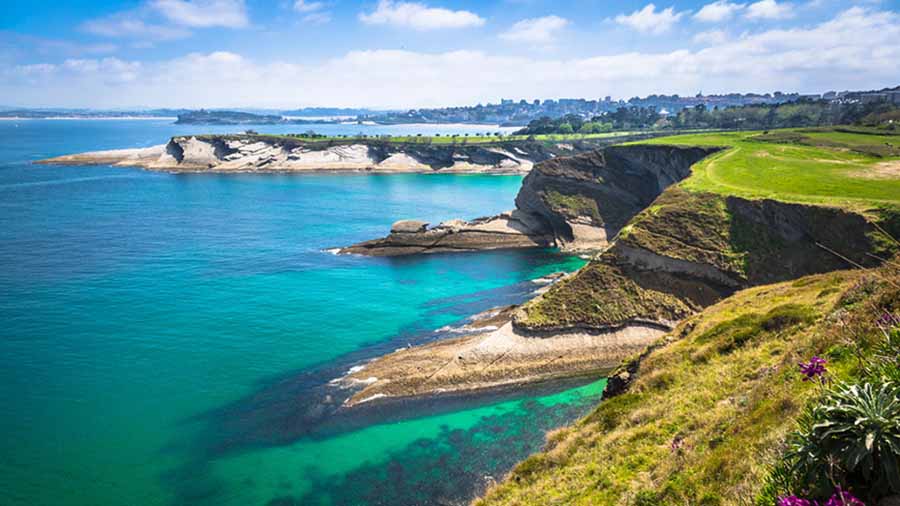
In Cantabria, the traditional folk song Viento del Norte captures the region’s rugged coastal spirit with the line, “The north wind sings of the sea, carrying Cantabria’s soul,” reflecting the deep connection between the region’s people and its wild, Atlantic landscape.
The poet José Luis Hidalgo, born in Torres, Cantabria, evokes the region’s misty mountains in his work Los Muertos, with the verse, “In Cantabria’s green embrace, the hills whisper eternal secrets,” painting a vivid picture of the region’s lush, mystical terrain. On the big screen, the 2018 Spanish film The Warning (El Aviso), set partly in Santander, features the haunting quote, “In this city by the sea, every shadow hides a story,” using Cantabria’s moody coastal backdrop to amplify its thriller narrative, tying the region’s serene beauty to an undercurrent of suspense.
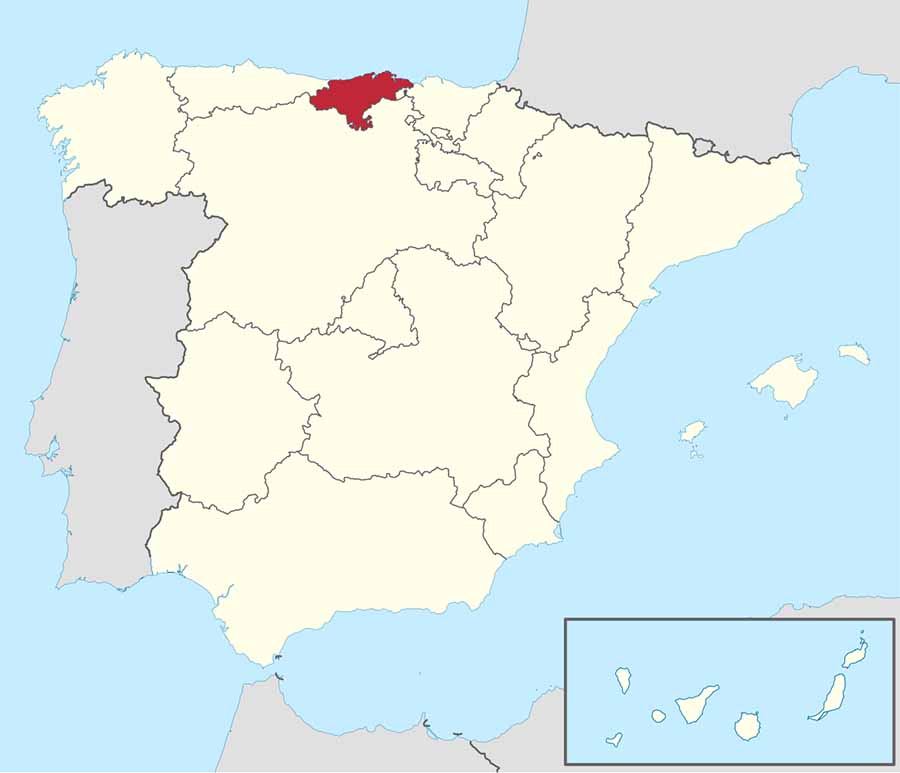
The region
As summer 2026 approaches, Cantabria beckons travellers with a refreshing blend of pristine beaches, lush mountains, and rich cultural heritage. This northern Spanish region, bordered by the Bay of Biscay and the Cantabrian Mountains, offers a rewarding visitor experience for those seeking nature, history, and culinary charm.
Cantabria’s coastline is a haven for beachgoers. Playa de El Sardinero in Santander boasts golden sands and gentle waves, ideal for sunbathing or leisurely swims. For a quieter escape, Playa de Oyambre, within a protected natural park, offers unspoilt shores framed by rolling dunes. The rugged cliffs near Comillas provide scenic coastal walks, while surfing enthusiasts can catch waves at Somo Beach, a short ferry ride from Santander.
Santander, the region’s capital, brims with historic appeal. The Magdalena Palace, a former royal summer residence, invites exploration of its elegant grounds and panoramic sea views. The city’s cathedral, blending Gothic and neoclassical styles, offers a glimpse into Cantabria’s past. Strolling along the Paseo Pereda, visitors can enjoy waterfront cafes and the Botín Centre’s modern art exhibitions.
Food lovers will savour Cantabria’s hearty cuisine. In Santander’s Barrio Pesquero, restaurants like La Mulata serve fresh seafood, from grilled sardines to cocido montañés, a traditional bean stew. Local markets, such as Mercado de la Esperanza, brim with cheeses like Queso Nata and anchovies from Santoña. In rural villages like Liébana, visitors can sample orujo, a potent local spirit, at small distilleries.
Nature enthusiasts will find Cantabria’s landscapes captivating. The Picos de Europa National Park, shared with neighbouring regions, features dramatic peaks and hiking trails through verdant valleys, with opportunities to spot chamois or vultures. The Cabárceno Natural Park, a sprawling wildlife reserve, allows visitors to observe animals like bears and elephants in open spaces. For a unique experience, the El Soplao Cave showcases stunning stalactite formations.
Cantabria’s mild summer climate, with temperatures around 22°C and occasional light showers, ensures comfortable exploration. Efficient train and bus networks, alongside car rentals, make travel between Santander, Comillas, and mountain villages straightforward. Visitors can browse artisan shops in Santillana del Mar, a medieval gem, or relax in thermal baths at Puente Viesgo.With its mix of coastal beauty, historic landmarks, and gastronomic treasures, Cantabria offers a welcoming escape. Whether lounging on El Sardinero, exploring caves, or enjoying local cheeses, summer 2026 in Cantabria promises a memorable experience.
The visit
Visitors to Cantabria, a province in northern Spain, can expect a rich blend of natural beauty, cultural heritage, and culinary delights. Here’s a concise overview:
Natural Attractions
- Stunning Coastline: Cantabria boasts over 220 km of coastline with pristine beaches like El Sardinero in Santander, Somo, and Comillas. The cliffs and coves of Costa Quebrada offer dramatic seascapes.
- Picos de Europa National Park: Ideal for hiking, this mountain range features rugged peaks, deep gorges, and trails like the Cares Gorge. Wildlife includes chamois and Cantabrian brown bears.
- Caves and Karst Landscapes: The region has over 6,500 caves, including the UNESCO-listed Altamira Cave (replica open to visitors) and El Soplao Cave, known for its unique geological formations.
- Nature Reserves: Places like the Oyambre Natural Park and Santoña Marshes are perfect for birdwatching and coastal walks.
Cultural and Historical Highlights
- Santander: The capital offers a vibrant urban experience with the Magdalena Palace, Centro Botín for contemporary art, and a lively waterfront.
- Historic Towns: Santillana del Mar, often called “the town of three lies,” is a medieval gem with cobbled streets and the Collegiate Church. Comillas features Gaudí’s El Capricho and the Sobrellano Palace.
- Prehistoric Sites: Cantabria’s 10 UNESCO World Heritage caves showcase Paleolithic art, with Altamira’s bison paintings being a highlight.
- Festivals: Expect lively events like La Folia in San Vicente de la Barquera or the Cantabria Day celebrations, blending tradition and music.
Activities
- Outdoor Adventures: Surfing in Somo, kayaking on the Asón River, or paragliding in the mountains are popular. The Camino Lebaniego, a pilgrimage route, offers spiritual and scenic walks.
- Cultural Exploration: Visit museums like the Maritime Museum in Santander or the Ethnographic Museum in Muriedas for insights into Cantabrian life.
- Relaxation: Enjoy leisurely beach days or spa retreats in towns like Liérganes.
Cuisine
- Seafood and Mountain Fare: Savor fresh seafood (anchovies, lobster, clams) and hearty dishes like cocido montañés (bean stew). Local cheeses, such as Queso Nata, and sobaos pasiegos (butter cakes) are must-tries.
- Dining: From Michelin-starred restaurants like Cenador de Amós in Villaverde to cozy sidrerías serving cider, Cantabria’s food scene is diverse.
- Climate: Mild summers (around 20-25°C) and cool, rainy winters make spring and autumn ideal for visiting.
- Accessibility: Santander’s airport and ferry port, plus good road and rail links, make Cantabria easy to reach.
- Ambiance: Expect a relaxed, authentic vibe, less crowded than other Spanish destinations, with friendly locals proud of their heritage.
Cantabria offers a perfect mix of adventure, culture, and relaxation, ideal for travellers seeking an off-the-beaten-path Spanish experience.
Off the beaten path
Cantabria, with its lush landscapes and rich heritage, hides several off-the-beaten-track gems perfect for travellers seeking unique experiences away from the usual tourist trails. Here are some lesser-known locations and attractions:
- Bárcena Mayor: Located in the Saja-Besaya Natural Park, this tiny village is one of Cantabria’s best-preserved rural treasures. Its stone houses, wooden balconies, and cobbled streets feel frozen in time. Wander the quiet lanes, visit the 12th-century Church of Santa María, and explore nearby trails in the Saja Valley, home to deer and wild boar. The village is a gateway to hiking routes like the Saja River trail. Far from coastal crowds, Bárcena Mayor offers an authentic glimpse into Cantabrian rural life, with few visitors outside local day-trippers. Try cocido montañés at a local mesón (tavern) for a hearty mountain meal.
- Cueva Cullalvera: Located near Ramales de la Victoria, this massive cave is less famous than El Soplao or Altamira but equally fascinating. It stretches over 12 km, with only a small section open to visitors. Marvel at colossal stalactites, stalagmites, and underground streams. The cave also contains prehistoric art, including animal paintings from 15,000 years ago. Guided tours offer an intimate experience with small groups. Its remote location in eastern Cantabria and limited publicity keep it under the radar. Book tours in advance, and combine with a visit to the nearby Asón Valley for waterfalls and hiking.
- Asón Valley and Waterfalls: Tucked in eastern Cantabria, the Asón Valley is a haven of rugged cliffs, dense forests, and cascading waterfalls, like the Cailagua Falls, where the Asón River plunges dramatically. Hike trails to lesser-known spots like the Fuente del Asón (the river’s source) or the Gándara Waterfall. The valley is also ideal for caving, with underground rivers and caverns for adventurers. Less visited than the Picos de Europa, it offers solitude and untouched nature. Visit in spring when snowmelt boosts the waterfalls’ flow, and pack sturdy shoes for slippery trails.
- Tudanca Village and Casa-Museo de José María de Cossío: Tudanca, in the western Saja-Nansa region, is a picturesque village known for its traditional mountain architecture and literary history. The Casa-Museo de José María de Cossío, a 17th-century mansion, showcases the life of the writer and bullfighting historian, with period furniture and a library. The village’s remote setting and views of the Picos de Europa are stunning. Its isolation and niche cultural appeal attract only curious travellers or literature enthusiasts. Combine with a drive along the Nansa Valley for scenic views and stops at quaint hamlets.
- La Vijanera Festival in Silió: Held annually on the first Sunday of January in Silió (Molledo), this ancient festival is one of Cantabria’s most unique cultural events, rooted in pre-Roman traditions. Locals dress as “zarramacos” (characters in colorful, bell-covered costumes) to chase away evil spirits in a lively parade with music and dance. The event blends pagan and Christian elements, rarely seen elsewhere. Its winter timing and small-village setting keep it a local secret, far from mainstream tourism. Dress warmly and arrive early to mingle with locals, as the festival draws a small but passionate crowd.
- Monte Castillo Caves (Excluding El Castillo): While the El Castillo Cave in Puente Viesgo is well-known, the nearby Las Monedas, La Pasiega, and Las Chimeneas caves in the Monte Castillo complex are less visited but equally significant. Las Monedas features 13,000-year-old animal engravings and stalactites, while La Pasiega showcases intricate red and yellow prehistoric paintings. Tours are intimate, often with fewer than 10 visitors. Most tourists stick to Altamira or El Castillo, overlooking these equally impressive caves. Reserve spots well in advance, as daily visitor limits are strict to preserve the sites.
- Liébana’s Remote Hermitages: In the Liébana region, near the Picos de Europa, small hermitages like Santa María de Lebeña and San Tirso dot the landscape, offering spiritual and scenic retreats. Santa María de Lebeña, a 10th-century Mozarabic church, blends Visigothic and Islamic styles in a serene valley. Nearby trails lead to isolated hamlets like Cabañes, with panoramic mountain views. The region’s remoteness and lack of large-scale promotion make these sites a haven for solitude seekers. Visit in autumn for vibrant foliage, and pair with a tasting of local orujo (liquor) in Potes.
Practical Notes
- Access: Many of these locations require a car, as public transport is limited in rural Cantabria. Narrow roads and mountain terrain demand careful driving.
- Season: Spring (April-May) and autumn (September-October) offer mild weather and fewer crowds. Winter is ideal for festivals like La Vijanera but can be wet.
- Preparation: Pack layers for unpredictable mountain weather, and check opening times for caves and museums, as some have restricted schedules.
- Local Vibe: These spots are cherished by locals, so expect authentic, low-key experiences with minimal tourist infrastructure.
These hidden gems showcase Cantabria’s diverse landscapes, ancient history, and living traditions, perfect for adventurers and culture enthusiasts looking to explore beyond the mainstream.
Spain region by region
Almería – Andalusia – Aragón – Asturias – Basque Country – Cádiz – Cantabria – Catalonia – Córdoba – Extremadura – Fuerteventura – Galicia – Gran Canaria – Granada – Huelva – Ibiza – Jaén – La Mancha – La Rioja – Lanzarote – León – Madrid – Majorca – Málaga – Menorca – Murcia – Navarra – Seville – Tenerife – Valencia –