In Gran Canaria, the traditional Canarian folk song Siete Rosas captures the island’s vibrant spirit with the line, “Seven roses bloom where Gran Canaria’s heart beats,” reflecting the region’s colourful cultural heritage and pride.
The poet Tomás Morales, born in Moya, Gran Canaria, celebrates the island’s dramatic seascapes in his collection Poemas del Mar, with the verse, “Gran Canaria’s waves sing of love beneath the starry sky,” evoking the island’s poetic connection to its Atlantic shores.
In cinema, the 2021 Spanish film The Volcano (El Volcán), set partly in Gran Canaria’s lush interiors and volcanic landscapes, features the evocative quote, “On this island, the earth’s fire whispers stories of resilience,” using the region’s rugged terrain to frame a narrative of human endurance and natural beauty.
The island
As summer 2026 beckons, Gran Canaria invites travellers with a captivating blend of sun-soaked beaches, dramatic landscapes, and rich island culture. This Canary Island, known for its diverse terrain and year-round sunshine, offers a rewarding visitor experience for those seeking relaxation, adventure, and culinary charm.
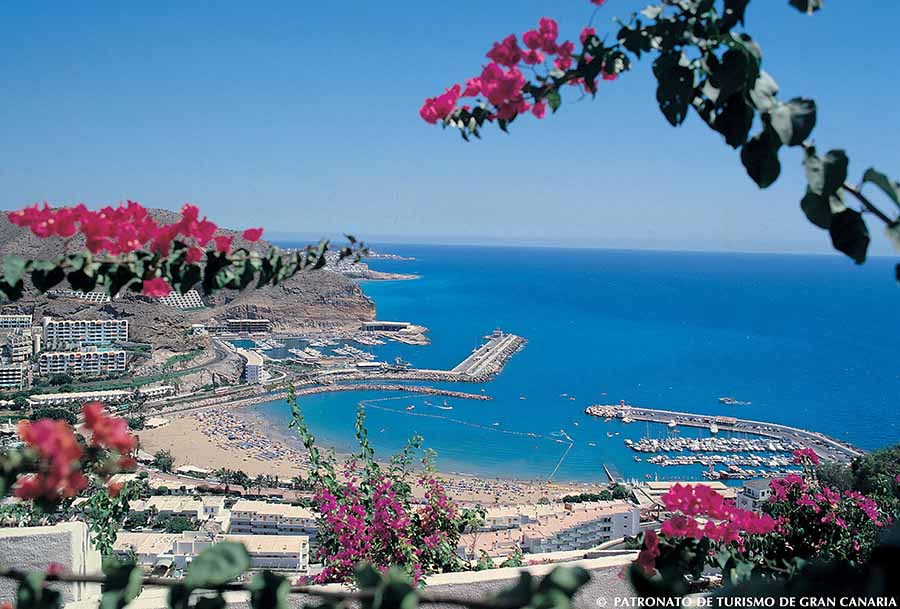
Gran Canaria’s coastline is a treasure for beach enthusiasts. Playa de las Canteras in Las Palmas boasts golden sands and a natural reef, ideal for snorkelling or leisurely swims. For a quieter escape, Maspalomas Beach features iconic dunes and a lighthouse, perfect for sunbathing or sunset walks. The rugged shores of Puerto de Mogán offer kayaking opportunities, while coastal paths around Agaete provide scenic views of the Atlantic.
Las Palmas, the island’s capital, brims with historic charm. The Vegueta district, with its cobblestone streets, houses the Santa Ana Cathedral, a Gothic gem with panoramic views from its tower. The Casa de Colón, a museum in a historic mansion, explores the island’s role in transatlantic voyages. Beyond the capital, Tejeda’s mountain village offers traditional architecture and sweeping vistas of volcanic landscapes.
Food lovers will relish Gran Canaria’s culinary offerings. In Las Palmas’ Triana district, restaurants like La Marinera serve fresh fish, from grilled cherne to Canarian wrinkled potatoes with mojo sauce. Markets in Teror brim with local cheeses and palm honey, reflecting the island’s agricultural roots. Beachside eateries in Playa del Inglés offer paella and sangria, capturing the essence of island dining.
Nature enthusiasts will find Gran Canaria’s landscapes diverse. The Roque Nublo, a volcanic rock formation, offers hiking trails with breathtaking views of the island’s central peaks. The Bandama Caldera, a volcanic crater, invites exploration of its trails and vineyards. For a unique experience, the Tamadaba Natural Park features pine forests and cliffs, ideal for birdwatching or picnicking.
Gran Canaria’s warm summer climate, with temperatures around 26°C and gentle trade winds, ensures comfortable exploration. Regular bus services and car rentals make travel between Las Palmas, Maspalomas, and rural villages straightforward. Visitors can browse artisan markets in San Mateo for pottery or relax in natural pools at Los Charcones.
With its mix of pristine beaches, historic sites, and gastronomic richness, Gran Canaria offers a welcoming escape. Whether strolling along Las Canteras, hiking to Roque Nublo, or savouring mojo-sauced dishes, summer 2026 in Gran Canaria promises a memorable experience.
The island
Gran Canaria, one of Spain’s Canary Islands in the Atlantic Ocean, is a diverse destination known as a “miniature continent” for its varied landscapes, vibrant culture, and year-round sunshine. From golden beaches to rugged mountains, cosmopolitan cities to quaint villages, it offers something for every traveller. Here’s what visitors can expect:
Natural Attractions
- Beaches: Gran Canaria boasts 60 km of coastline with iconic beaches like Playa de las Canteras in Las Palmas, a lively urban beach with a natural reef, and Maspalomas Dunes, a surreal desert-like expanse with golden sands. Quieter beaches like Playa de Güigüi offer remote, pristine beauty, accessible by hike or boat.
- Mountains and Ravines: The island’s rugged interior features dramatic peaks like Roque Nublo, a volcanic monolith with panoramic views, and Pico de las Nieves, the highest point at 1,947 meters. Barranco de Guayadeque combines lush ravines with cave dwellings.
- Natural Parks: Tamadaba Natural Park in the northwest is a pine-forested haven for hiking, while Pilanares Natural Park showcases volcanic calderas. The Bandama Caldera, a 1,000-meter-wide crater, is a geological wonder.
- Marine Life: The surrounding Atlantic supports dolphin- and whale-watching tours, with diving and snorkeling spots like El Cabrón teeming with colorful fish.
Cultural and Historical Highlights
- Las Palmas de Gran Canaria: The vibrant capital blends urban energy with history. Explore Vegueta, the colonial old town, with the Cathedral of Santa Ana, Casa de Colón (Columbus Museum), and cobblestone streets. The CAAM (Atlantic Center of Modern Art) adds a contemporary edge.
- Teror: A picturesque pilgrimage town, home to the Basilica of Nuestra Señora del Pino, Gran Canaria’s patron saint. Its colorful Canarian balconies and weekly market brim with local crafts and produce.
- Gáldar and Agaete: These northern towns offer pre-Hispanic history. Gáldar’s Cueva Pintada showcases Guanche cave paintings, while Agaete’s Puerto de las Nieves is a charming fishing village with natural pools and the Dedal de Dios rock formation.
- Festivals: Expect lively events like Carnival (February/March), with extravagant costumes and parades, especially in Las Palmas. The Fiesta de la Rama in Agaete (August) features traditional dances, and Día de los Finaos (November) celebrates Canarian heritage with music and food.
Activities
- Water Sports: Surfing, windsurfing, and kitesurfing thrive at Pozo Izquierdo and Playa del Inglés. Diving schools in Maspalomas and snorkeling at Amadores cater to all levels.
- Hiking and Cycling: Trails like those in Roque Nublo Rural Park or Fataga Valley offer stunning vistas. The island’s varied terrain suits mountain biking, with routes through pine forests and calderas.
- Cultural Exploration: Visit Arucas, known for its neo-Gothic San Juan Bautista Church and rum distillery, or Telde, with its historic San Juan district. The Cenobio de Valerón, a Guanche granary, is a unique archaeological site.
- Relaxation: Unwind at luxury resorts in Meloneras, enjoy spa treatments in Puerto Rico, or practice yoga in quiet villages like Santa Lucía. Maspalomas’ beaches are perfect for leisurely days.
- Food Tours: Explore Las Palmas’ Mercado de Vegueta for fresh produce or join tapas crawls in Triana, the capital’s trendy district.
Cuisine
- Canarian Flavors: Savor papas arrugadas (wrinkled potatoes with mojo sauce), gofio (roasted grain dishes), and bienmesabe (almond dessert). Fresh seafood, like grilled cherne (wreckfish), and hearty stews like puchero canario are staples.
- Dining: Las Palmas offers Michelin-starred restaurants like Qué Leche, while rural guachinches (pop-up eateries) in Tejeda serve rustic fare. Try queso de flor, a unique cheese from Guía.
- Local Drinks: Sample Areucas rum, Canarian wines from Monte Lentiscal, or tropical cocktails made with local bananas and mangoes.
Practical Notes
- Climate: Gran Canaria enjoys a subtropical climate, with temperatures averaging 18-22°C in winter and 24-28°C in summer. Microclimates vary, north is cooler and wetter, south is sunnier and drier.
- Accessibility: Gran Canaria Airport (LPA) near Gando connects to Europe and mainland Spain. Ferries link to Tenerife and other islands. Buses cover major towns, but car rentals are ideal for exploring remote areas.
- Language: Spanish is the official language, with English widely spoken in tourist zones. Canarian Spanish has a distinct accent and vocabulary.
- Ambiance: Expect a welcoming, cosmopolitan vibe in Las Palmas and resorts, contrasted with tranquil, traditional life in rural villages. The island balances tourist-friendly infrastructure with authentic Canarian charm.
Unique Aspects
- Diverse Landscapes: From desert dunes to lush forests, Gran Canaria’s varied terrain feels like multiple destinations in one, earning its “miniature continent” nickname.
- Guanche Heritage: The island’s pre-Hispanic roots are evident in archaeological sites and festivals, adding depth to its cultural tapestry.
- Year-Round Appeal: Consistent weather and a mix of urban, beach, and mountain activities make it a versatile destination for all seasons.
- Gran Canaria is a vibrant, multifaceted island where visitors can surf world-class waves, hike volcanic trails, savor Canarian cuisine, or soak up history, all under near-constant sunshine.
- Gran Canaria, often celebrated for its beaches and vibrant capital, Las Palmas, hides a collection of lesser-known destinations that reveal its rugged beauty, rich history, and authentic Canarian culture. These off-the-beaten-track locations and attractions offer tranquility and unique experiences away from the crowded resorts of Maspalomas and Playa del Inglés. Here are some hidden gems:
- Barranco de Guayadeque: Located in the southeast of Gran Canaria, this lush ravine is a natural and cultural treasure, known for its cave dwellings and prehistoric significance, far from coastal tourist zones. Hike trails through the Guayadeque Ravine, lined with palm trees, cacti, and wildflowers, to discover ancient Guanche cave homes, some still inhabited or converted into restaurants like Tagoror, serving Canarian stews. The Guayadeque Museum, carved into the rock, showcases pre-Hispanic life with mummies and tools. The Ermita de San Bartolomé, a tiny cave chapel, adds spiritual charm. Birdwatching (kestrels, owls) and stargazing are bonuses. Its inland location and focus on nature and archaeology deter mass tourism, attracting hikers and culture enthusiasts. Visit in spring for blooming flora, and wear sturdy shoes for uneven trails. Try papas arrugadas at a cave restaurant for an authentic meal.
- Santa Brígida and Monte Lentiscal Wine Region: In the northeast, the charming town of Santa Brígida and its surrounding Monte Lentiscal area form Gran Canaria’s understated wine country, located in volcanic hills. Explore small, family-run wineries like Bodega Los Lirios or Bodega Mondalón for tastings of crisp whites and robust reds, unique to the island’s volcanic soil. Santa Brígida’s Caldera de Bandama, a 1,000-meter-wide volcanic crater, offers hiking with views of Las Palmas. The town’s Mercado Agrícola (weekends) brims with local cheeses, honey, and gofio. The Casa del Vino museum highlights Canarian viticulture. Overshadowed by coastal resorts, this region draws mainly locals and wine aficionados, offering a quiet rural escape. Visit on a Saturday for the market, and pair with a hike to Pico de Bandama for panoramic views. Book winery tours in advance.
- Artenara and its Cave Village: Perched at 1,270 meters in Gran Canaria’s mountainous interior, Artenara is the island’s highest village, known for its cave homes and dramatic vistas. Wander the village to see cave dwellings, some converted into homes, chapels, or the Ethnographic Museum, showcasing rural Canarian life. The Ermita de la Virgen de la Cuevita, a cave church, is a spiritual gem. Hike to nearby viewpoints like Mirador de Unamuno for views of Roque Nublo and Tejeda. The Pinar de Tamadaba, a nearby pine forest, offers serene trails. Local eateries serve hearty potaje canario (vegetable stew). Its remote, rugged location and lack of resort amenities keep it a haven for adventurers and cultural explorers. Visit in autumn for cooler hiking weather, and stay in a cave guesthouse for a unique experience. Bring layers for chilly evenings.
- Cenobio de Valerón: In the north near Santa María de Guía, this pre-Hispanic Cenobio de Valerón is an ancient Guanche granary, a honeycomb of over 300 caves carved into a cliff. Explore the site via walkways to see the ingeniously designed storage caves, used by the Guanches to store grain and protect it from invaders. The visitor center explains its archaeological significance. Nearby, the Guía Cheese Route offers tastings of queso de flor, a unique cheese made with thistle rennet. The surrounding Valle de Agaete has coffee plantations and hiking trails to natural pools. Its niche archaeological appeal and northern location, far from southern resorts, make it a quiet stop for history buffs. Combine with a visit to Guía’s Mercado Agrícola (weekends) for cheese and coffee, and visit in the morning for better light in the caves.
- Fataga Village and Valley: In the south-central interior, Fataga is a picturesque Canarian village in a palm-filled valley, surrounded by rugged mountains and far from the coastal bustle. Stroll Fataga’s whitewashed streets to see traditional houses and the Church of San José. The Fataga Valley, dubbed the “Valley of a Thousand Palms,” offers hiking trails through orchards and volcanic rock formations. The Molino de Fataga, a restored watermill, showcases gofio production. Nearby, the Camel Safari at Arteara provides a quirky desert-like ride through palm groves. Local guachinches serve bienmesabe dessert. Its inland setting and focus on rural traditions keep it overshadowed by nearby Maspalomas, attracting those seeking authenticity. Visit in spring for lush greenery, and bring a camera for the valley’s dramatic landscapes. Stop at a local bakery for almendrados (almond cookies).
- Playa de Güigüi: On Gran Canaria’s remote west coast, Playa de Güigüi (or Güi Güi) is a pristine, secluded beach accessible only by a challenging hike or boat, offering raw natural beauty. Reach the beach via a 2-3 hour hike from Tasartico, crossing steep cliffs and ravines with views of the Atlantic. The black sand and turquoise waters, framed by towering cliffs, are ideal for swimming and solitude. The area is part of a protected reserve, with minimal human impact. Boat trips from Puerto de Mogán offer an easier alternative. Nearby, the Charco de los Clicos, a green lagoon, adds a surreal touch. Its inaccessibility deters casual visitors, appealing to adventurers and nature lovers willing to make the journey. Start the hike early to avoid midday heat, and bring plenty of water and snacks, as there are no facilities. Check weather conditions, as trails can be slippery.
- Tejeda’s Almond Blossom Trails: In the island’s central mountains, Tejeda is a charming village surrounded by almond orchards, especially magical during the late winter bloom, with quieter trails than Roque Nublo’s main routes. Hike lesser-known paths like the Cruz de Tejeda to Artenara trail, passing almond trees, terraced fields, and views of Roque Bentayga, a sacred Guanche site. The Museo de las Tradiciones in Tejeda showcases rural crafts, while the Dulcería Nublo bakery offers almond sweets like mazapanes. The Fiesta del Almendro en Flor (January/February) celebrates the blossoms with music and markets. Most visitors focus on Roque Nublo, leaving Tejeda’s quieter trails and seasonal charm to locals and hikers. Visit in late January for peak almond blooms, and wear layers for cool mountain air. Pair with a coffee at Parador de Cruz de Tejeda for stunning views.
Practical Notes
- Access: A car is essential for most of these inland or remote spots, as public buses are infrequent outside Las Palmas and southern resorts. Roads are well-maintained, but mountain routes can be winding.
- Season: Year-round subtropical climate (18-22°C winter, 24-28°C summer) suits all seasons, but spring (March-May) brings lush landscapes, and autumn (September-November) avoids summer crowds. Winter is ideal for almond blossoms.
- Preparation: Pack sun protection, water, and sturdy shoes for hiking. Check opening hours for sites like Cenobio de Valerón or Guayadeque Museum, as some require reservations. Rural areas have limited dining, so bring snacks.
- Local Vibe: These spots exude Gran Canaria’s authentic Canarian spirit, with locals proud of their heritage. Basic Spanish helps, as English is less common away from resorts.
These off-the-beaten-track destinations in Gran Canaria highlight the island’s diverse landscapes, from cave villages to volcanic craters, secluded beaches to almond trails, offering travellers a chance to discover its wild, cultural heart far from the tourist crowds.
Spain region by region
Almería – Andalusia – Aragón – Asturias – Basque Country – Cádiz – Cantabria – Catalonia – Córdoba – Extremadura – Fuerteventura – Galicia – Gran Canaria – Granada – Huelva – Ibiza – Jaén – La Mancha – La Rioja – Lanzarote – León – Madrid – Majorca – Málaga – Menorca – Murcia – Navarra – Seville – Tenerife – Valencia –