A renowned quote from Miguel de Cervantes’ Don Quixote (1605), the most iconic work associated with La Mancha, is: “En un lugar de la Mancha, de cuyo nombre no quiero acordarme” (“In a village of La Mancha, the name of which I have no desire to recall”). This opening line of the classic novel sets the stage for the adventures of Don Quixote, deeply rooting the story in the vast, windswept plains of La Mancha. Cervantes’ words immortalise the region’s stark beauty and its timeless association with the knight-errant’s dreams and delusions.
the 1972 Spanish film Man of La Mancha, directed by Arthur Hiller, brings Cervantes’ story to life and references La Mancha’s iconic windmills, famously mistaken by Don Quixote for giants. A character declares, “En La Mancha, los molinos no son gigantes, pero el corazón del hombre sí lo es” (“In La Mancha, the windmills are not giants, but the heart of man is”). This line captures the region’s enduring symbolism as a place where imagination and reality blur, with its windmills standing as emblems of Quixote’s chivalric ideals and La Mancha’s cultural legacy.
The region
For travellers planning a summer holiday in 2026, La Mancha offers a delightful mix of literary heritage, scenic landscapes, and authentic Spanish culture. This expansive region in central Spain provides a relaxed yet engaging experience, perfect for those seeking history, nature, and culinary delights.
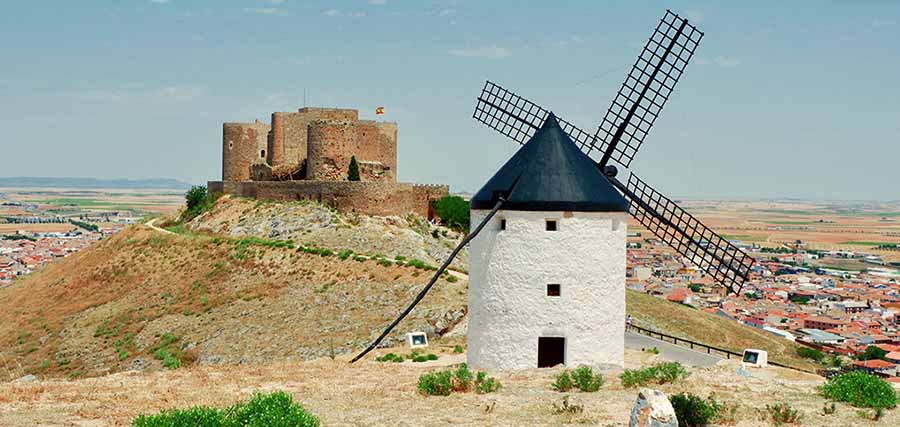
The iconic windmills of Consuegra and Campo de Criptana stand as enduring symbols of La Mancha, famously linked to Cervantes’ Don Quixote. Visitors can explore these beautifully preserved structures, with some housing small museums that detail their historical role in grain milling. The surrounding plains offer picturesque views, ideal for photography or a leisurely walk.
In Almagro, the Corral de Comedias, a well-preserved 17th-century open-air theatre, invites exploration. Its wooden balconies and stone stage provide a glimpse into Spain’s Golden Age. The nearby National Theatre Museum offers exhibits on Spanish drama, appealing to those intrigued by cultural history. Families will enjoy the town’s charming plazas, perfect for a relaxed afternoon.
La Mancha’s natural beauty shines in the Tablas de Daimiel National Park, a wetland oasis teeming with birdlife. Walking trails and observation points allow visitors to spot herons and flamingos, while guided tours provide insights into the park’s unique ecosystem. For a more active outing, cycling routes around Lagunas de Ruidera, a series of turquoise lakes, offer scenic paths and opportunities for swimming or kayaking.
Food lovers will savour La Mancha’s hearty cuisine. Local restaurants, such as Casa Pepe in Alcázar de San Juan, serve dishes like pisto manchego, a vegetable stew, and migas, a savoury breadcrumb dish. The region’s wine culture thrives, with vineyards in Valdepeñas offering tastings of crisp whites and robust reds, paired with local cheeses like manchego.
History enthusiasts can wander the medieval streets of Toledo, a short drive from La Mancha’s heart. The city’s Alcázar and Santa María la Blanca synagogue showcase a blend of Christian, Muslim, and Jewish influences. For a quieter experience, the castle of Belmonte, with its restored towers and courtyards, provides a fascinating look at medieval life.
Outdoor activities abound in La Mancha’s rolling countryside. Hiking trails in the Sierra de Alcaraz cater to all levels, with gentle paths offering views of olive groves and rugged hills. The region’s clear summer skies make stargazing a popular activity, particularly in rural areas like Almadén, where light pollution is minimal.
Families will find La Mancha welcoming, with free attractions like the Plaza Mayor in Tembleque, known for its ornate architecture. The region’s small towns, such as El Toboso, tied to Don Quixote’s Dulcinea, offer quaint museums and budget-friendly cafés. Evening strolls through illuminated squares, followed by tapas at local bars, create a warm and inviting atmosphere.
La Mancha in the summer of 2026 promises a blend of literary charm, natural beauty, and culinary richness. Whether exploring historic windmills, hiking scenic trails, or enjoying a glass of local wine, visitors will find this Spanish region a rewarding destination.
The visit
The region offers natural parks and cultural festivals, with a focus on Don Quixote’s legacy.
- Historical and Cultural Attractions: Explore Toledo, a UNESCO site with its cathedral and Alcázar, and Cuenca’s Hanging Houses. Visit windmill towns like Consuegra, linked to Don Quixote.
- Natural Beauty: Enjoy the Tablas de Daimiel and Cabañeros National Parks for hiking and birdwatching, and tour La Mancha’s vast vineyards for wine tasting.
- Events and Cuisine: Experience festivals like Almagro’s Classical Theatre in July, and savor local dishes like Manchego cheese and gazpacho.
Visitor Expectations and 2026 Updates
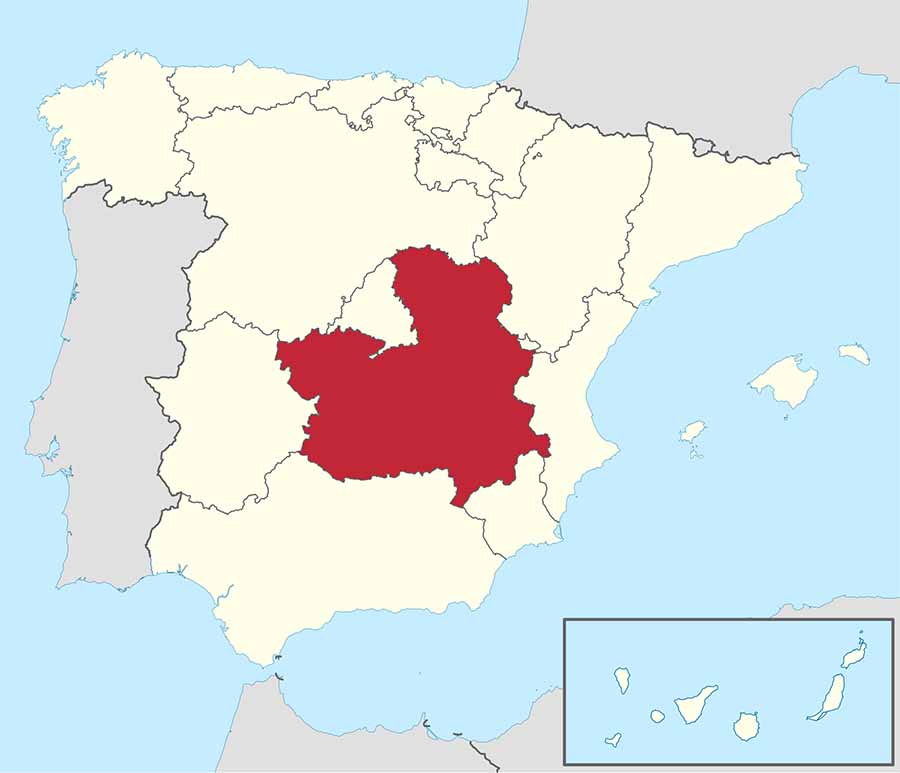
- La Mancha is part of the autonomous community of Castilla-La Mancha, encompassing portions of the provinces of Cuenca, Toledo, Albacete, and most of Ciudad Real. It is an arid but largely fertile elevated plateau, formed over limestone, with an average altitude of 500 to 600 meters, reaching up to 900 meters in areas like Campo de Montiel. The region is watered by rivers such as the Guadiana, Jabalón, Záncara, Cigüela, and Júcar, and has a cold semi-arid climate (Köppen BSk) with significant temperature fluctuations. La Mancha is famously known as the setting for Miguel de Cervantes’ “Don Quixote,” with its windmills and vast plains evoking the novel’s imagery. It is also one of the largest wine-growing regions in the world, with the La Mancha Denominación de Origen (DO) covering vast vineyard areas.
La Mancha offers a blend of historical depth, cultural richness, natural beauty, and gastronomic delights, making it an ideal destination for those seeking an authentic Spanish experience. Here’s a detailed breakdown of what visitors can expect:
Historical and Cultural Attractions
- Toledo: A UNESCO World Heritage Site, Toledo is often called the “City of Three Cultures” due to its Christian, Muslim, and Jewish influences. Key attractions include the Toledo Cathedral, a masterpiece of Gothic architecture, the Alcázar fortress, which houses a military museum, and the Sinagoga del Tránsito, now the Museo Sefardí, offering insights into Sephardic history (Castile-La Mancha: what to see The best tourism plans | spain.info). The city’s narrow, cobblestone streets are perfect for exploring medieval architecture.
- Cuenca: Another UNESCO site, Cuenca is famous for its Hanging Houses (Casas Colgadas), which appear to hang over the Huécar River gorge. The Cuenca Cathedral and the Museo de Arte Abstracto Español, housed in one of the Hanging Houses, showcase Spanish abstract art (Top 5 Places to Visit in Castilla-La Mancha – ConversaSpain). The city’s setting, with its gorges and historic walls, offers a picturesque backdrop.
- Guadalajara: Located just 60 km from Madrid, Guadalajara is often overlooked but features the stunning Palacio del Infantado, a Renaissance palace with a richly decorated facade and courtyard, and the Plaza Mayor, a charming square for local dining (Top 10: Castilla – La Mancha , Spain Less Traveled). The city also has the tiny chapel of Don Luis de Lucena with beautiful frescoes and the Chinese room at Palacio de la Cotilla.
- Almagro: Known for its International Classical Theatre Festival, held annually in July, Almagro offers a cultural experience with performances in the Corral de Comedias, one of Spain’s oldest theaters. The town’s Renaissance architecture and historic streets are ideal for cultural exploration (Castile-La Mancha: what to see The best tourism plans | spain.info).
- Literary Heritage: La Mancha’s connection to “Don Quixote” is a major draw. Visitors can explore towns like Consuegra, with its iconic windmills, and Campo de Criptana, another windmill town, both symbolizing Don Quixote’s battles against windmills. These sites offer a literary journey through the novel’s settings (Castilla–La Mancha – Wikipedia).
Natural Beauty and Outdoor Activities
- Vast Plains and Windmills: The region’s expansive plains, with their henna-colored earth and windmills, are a visual treat, reminiscent of Don Quixote’s adventures. These landscapes are ideal for leisurely drives, cycling, or photography, with windmills often standing solitary against the horizon (Castile–La Mancha | Spain, Map, & Facts | Britannica).
- Tablas de Daimiel National Park: A wetland area in Ciudad Real, known for its biodiversity, including rare bird species like the great bustard and little bustard. It’s perfect for birdwatching, hiking, and enjoying the marshy landscapes (Castile-La Mancha: what to see The best tourism plans | spain.info).
- Cabañeros National Park: Located on the western edges, this park encompasses mountains, lush meadows, and thick forests, offering extensive hiking trails and opportunities to spot wildlife like the Iberian lynx and eagles (Five reasons to visit Castilla-La Mancha | Velvet Escape).
- Wine Tourism: La Mancha is one of the largest wine-producing regions globally, with over 190,000 hectares of vineyards spread across 182 municipalities in Albacete, Cuenca, Ciudad Real, and Toledo. Visitors can tour wineries, participate in tastings, and learn about the region’s winemaking traditions, particularly under the La Mancha DO, which produces high-quality reds and whites (La Mancha – Wine Region in Castilla-La Mancha, Spain | Winetourism.com).
Gastronomy
- La Mancha’s cuisine reflects its agricultural roots, with hearty and flavourful dishes. Must-try items include:
- Manchego Cheese: A PDO cheese made from sheep’s milk, known for its nutty flavour, available in various aging stages, perfect for tasting sessions (Castile-La Mancha: All You Must Know Before You Go (2026) – Tripadvisor).
- Gazpacho Manchego: A variation of the famous cold soup, made with bread, garlic, tomatoes, and sometimes game, offering a rustic taste.
- Migas: A traditional dish of fried breadcrumbs, often served with chorizo, bacon, or vegetables, reflecting the region’s peasant cuisine.
- Local wines, particularly from the La Mancha DO, pair excellently with these dishes, enhancing the gastronomic experience.
Events and Festivals
- Holy Week (Semana Santa): Celebrated with processions in towns like Cuenca, these are more intimate and less crowded than those in larger cities like Seville. Cuenca’s processions are noted for their low-key, authentic atmosphere, with a small museum dedicated to the event (Top 10: Castilla – La Mancha , Spain Less Traveled).
- International Classical Theatre Festival (Almagro): Held in July, this festival features performances of classical plays in historic settings, attracting theater enthusiasts and offering a cultural highlight (Castile-La Mancha: what to see The best tourism plans | spain.info).
- Other local festivals, such as those celebrating wine harvests or regional traditions, provide opportunities to experience La Mancha’s vibrant community life.
Climate and Accessibility
- La Mancha has a cold semi-arid climate, with hot summers and cold winters, making spring (April–June) and autumn (September–November) the best times for visits, offering mild temperatures for outdoor activities. Summers can reach high temperatures, while winters may have occasional rain, suitable for indoor cultural exploration (La Mancha | Spain, Map, & Facts | Britannica).
- The region is easily accessible from Madrid, with high-speed trains connecting to Toledo and Cuenca, and renting a car is recommended for exploring rural areas and national parks (Castilla–La Mancha – Wikipedia).
Practical Tips
- Accommodation: Toledo and Cuenca offer a range of hotels, from budget to luxury, while smaller towns like Almagro and Guadalajara provide charming boutique options. Paradores, such as the one in Cuenca, offer historic stays with breathtaking views (Top 10: Castilla – La Mancha , Spain Less Traveled).
- Safety: The region is generally safe, with low tourist crowds compared to other Spanish destinations, making it ideal for a relaxed visit.
What’s New for 2026 in La Mancha
- Wine Tourism Enhancements: With La Mancha’s significant wine production, new vineyard tours or tasting experiences may be introduced by local wineries, building on the region’s reputation as a wine tourism destination (La Mancha – Wine Region in Castilla-La Mancha, Spain | Winetourism.com).
- Cultural Events: The International Classical Theatre Festival in Almagro and other local festivals are likely to continue, with new themes or performances, enhancing cultural offerings
- Sustainable Tourism Initiatives: Castilla-La Mancha has been emphasizing eco-friendly tourism, so there could be new initiatives or improvements in sustainable practices at national parks or cultural sites, such as better signage or guided eco-tours
La Mancha offers a timeless experience, blending history, culture, and nature. Visitors can explore UNESCO World Heritage Sites like Toledo and Cuenca, follow in the footsteps of Don Quixote, and enjoy the region’s natural beauty through its national parks and wine tours. While there are no specific new attractions for 2026, the region’s charm lies in its well-preserved heritage and serene landscapes, making it a perfect destination for travellers seeking an authentic Spanish adventure.
La Mancha, famous for its connection to Don Quixote and its iconic windmills, is a historic region in central Spain that extends across provinces like Ciudad Real, Toledo, and Guadalajara. While popular attractions like the windmills of Consuegra draw visitors, the region is dotted with hidden gems that offer a quieter, more authentic experience. These off-the-beaten-track locations include natural parks, historic towns, and cultural sites, perfect for travellers looking to explore beyond the tourist trail.
Off-the-Beaten-Track Destinations
La Mancha, in central Spain, has many lesser-known spots perfect for unique experiences. Highlights include natural parks like Las Tablas de Daimiel and Ruidera Lakes, and historic towns like Almagro and Pastrana. Wine regions like Valdepeñas and medieval sites like Belmonte Castle offer off-the-beaten-track charm.
- Natural Wonders: Las Tablas de Daimiel National Park (Fascinating Spain – The Undiscovered Spots of La Mancha) is a wetland oasis for birdwatching, while Ruidera Lakes (KimKim – Spain Off-the-Beaten-Path Road Trip) feature 16 interconnected lakes and waterfalls, ideal for hiking and photography.
- Historic Towns: Almagro, with its 16th-century open-air theater, and Pastrana, known for its ducal palace and synagogue, offer a glimpse into medieval and Renaissance Spain (TripAdvisor – Things to Do in Pastrana).
- Cultural and Wine Experiences: Valdepeñas is a major wine region with over 300 vineyards, perfect for tasting Grenache and Tempranillo, while Belmonte Castle hosts medieval reenactments for a historical adventure (Voyage Spain – Discovering La Mancha’s Hidden Treasures).
These destinations are less crowded, providing a peaceful way to experience La Mancha’s rich heritage.
La Mancha, a historic region in central Spain, is often overshadowed by more famous destinations like Madrid or Barcelona, yet it holds a treasure trove of hidden gems for travellers seeking authentic experiences. Known for its connection to Miguel de Cervantes’ Don Quixote, its windmills, and vast plains, La Mancha extends across provinces such as Ciudad Real, Toledo, and Guadalajara.
Natural Wonders: Hidden Ecosystems and Scenic Landscapes
- La Mancha’s natural landscapes are a testament to its diverse ecosystems, often overlooked by mainstream tourism. One standout is Las Tablas de Daimiel National Park, located in Ciudad Real. This wetland oasis, covering extensive lagoons, canals, and reed beds, is the largest wetland ecosystem in the region and a paradise for birdwatchers and nature enthusiasts. It hosts rare species of birds and aquatic plants, offering a serene escape from the arid plains typically associated with La Mancha, a lesser-visited gem compared to other Spanish national parks.
- Another natural highlight is the Ruidera Lakes Natural Park, also in Ciudad Real, featuring 16 interconnected lakes and cascading waterfalls. Referenced in Don Quixote, this area is ideal for hiking, boating, and photography, with the lakes changing color with the seasons. The itinerary from KimKim – Spain Off-the-Beaten-Path Road Trip: Madrid to La Mancha emphasizes its literary connection and scenic beauty, making it a must-visit for those seeking tranquility away from crowded tourist spots.
Historic Towns: Timeless Charm and Cultural Heritage
- La Mancha’s historic towns offer a step back in time, with well-preserved architecture and cultural landmarks. Almagro, a small town in Ciudad Real with a population under 10,000, is renowned for its 16th-century Corral de Comedias, one of Europe’s oldest open-air theaters, which still hosts performances. Its historic center, with narrow streets and traditional buildings, reflects the region’s Renaissance past. The same KimKim itinerary notes its rich history, making it a lesser-known destination compared to larger cities like Toledo.
- Pastrana, in Guadalajara, is another hidden gem, with a rich historical heritage. Key attractions include the Palacio Ducal de Pastrana, a ducal palace, the Museo Parroquial (parish museum), and the Iglesia Colegiata (collegiate church), reflecting its medieval and religious significance. The town also features the Sinagoga Judia (Jewish synagogue) and the Convento del Carmen de Pastrana (Carmelite convent), showcasing its diverse cultural history. According to TripAdvisor – Things to Do in Pastrana, Pastrana’s small size and focus on local history make it a charming, off-the-beaten-track destination.
- Villanueva de los Infantes, in Ciudad Real, is another medieval town linked to Don Quixote, referenced as the knight’s hometown. It boasts the early 17th-century Plaza Mayor and the St. Andres Church, where the poet Francisco de Quevedo is buried. Its narrow streets and historic buildings offer a glimpse into the region’s past, as noted in both the KimKim itinerary and Voyage Spain – Discovering La Mancha’s Hidden Treasures, making it a quiet, unspoiled destination.
- Tembleque, in Toledo province, is known for its historic center, filled with chapels and noble houses. Its most striking feature is the Plaza Mayor, inaugurated by King Philip IV in 1653, a prototype of the traditional Manchegan square with arcades and wooden balconies. Fascinating Spain – The Undiscovered Spots of La Mancha highlights its historical charm, often bypassed by tourists heading to more famous sites.
Cultural and Wine Experiences: Unique Regional Offerings
- La Mancha’s cultural and culinary attractions provide a deeper understanding of its identity. Valdepeñas, in Ciudad Real, is one of the world’s largest continuous wine-growing regions, part of the Designation of Origin (DO) for La Mancha wines. With over 300 vineyards and 22,000 grape growers, it offers visitors the chance to sample local wines like Grenache and Tempranillo. The KimKim itinerary underscores its significance, noting it as a lesser-visited wine region compared to more famous areas like Rioja.
- Consuegra, also in Toledo, is famous for its 16th-century windmills, a remnant of Spain’s agricultural past. These white-sailed windmills dotting the hillside are a photographer’s dream and less crowded than those in Campo de Criptana. Must See Spain – The Ultimate Spain Bucket List highlights their iconic status, making Consuegra a quintessential, yet under-visited, Manchegan landscape.
- Belmonte Castle, in Ciudad Real, is a beautifully preserved medieval fortress with formidable walls, towers, and courtyards. It hosts medieval reenactments, transporting visitors to a bygone era, and is noted in Voyage Spain – Discovering La Mancha’s Hidden Treasures as a niche attraction due to its remote location and historical focus.
Campo de Calatrava: A Blend of Nature and History
- The Campo de Calatrava, in Ciudad Real, is an area known for its volcanic hills, glassy lagoons, and historical castles like Calatrava la Nueva. It also features archaeological sites such as Oreto and Zuqueca, offering insights into the region’s ancient past. The KimKim itinerary suggests it as an optional day trip, emphasizing its remote and less-accessible nature, making it ideal for adventurous travellers.
Uclés Monastery and Serranía de Cuenca: Additional Hidden Gems
- Further enriching the list, Uclés Monastery, in Cuenca, is known as the ‘Little Escorial’ for its impressive Renaissance and Baroque architecture. Located on a hill, it’s a perfect detour for those driving from Madrid to Valencia, with Spain Less Traveled – Top 10: Castilla – La Mancha noting its perfect preservation and suitability for solo visits on weekdays. The Serranía de Cuenca Nature Reserve, with highlights like the Uña lagoon, is another natural gem, mentioned in spain.info – 10 ideas for exploring Castilla – La Mancha as one of the region’s lesser-known natural parks.
La Mancha’s off-the-beaten-track locations offer a blend of natural beauty, historical depth, and cultural richness, making them ideal for travellers seeking authentic experiences. Whether exploring the wetlands of Las Tablas de Daimiel, wandering the historic streets of Pastrana, or tasting wines in Valdepeñas, these destinations provide a quieter alternative to more tourist-heavy sites. For nature lovers, Ruidera Lakes and Serranía de Cuenca are must-visits, while history enthusiasts will appreciate Belmonte Castle and Uclés Monastery.
Spain region by region
Almería – Andalusia – Aragón – Asturias – Basque Country – Cádiz – Cantabria – Catalonia – Córdoba – Extremadura – Fuerteventura – Galicia – Gran Canaria – Granada – Huelva – Ibiza – Jaén – La Mancha – La Rioja – Lanzarote – León – Madrid – Majorca – Málaga – Menorca – Murcia – Navarra – Seville – Tenerife – Valencia –