A poignant quote from the Leonese poet Antonio Colinas, from his 1979 collection Asturias, evokes the spirit of León: “En León, la piedra canta bajo la sombra de la catedral” (“In León, the stone sings beneath the shadow of the cathedral”). This line beautifully captures the grandeur of León’s Gothic cathedral, a jewel of Spanish architecture, and the region’s deep historical resonance, where ancient stone seems to hum with centuries of stories, reflecting Colinas’ lyrical connection to his homeland.
the 2010 Spanish film Camino, directed by Javier Fesser, references León’s rich cultural tapestry through its depiction of the city’s Semana Santa (Holy Week) processions. A character muses, “En León, las procesiones llevan el alma de la ciudad en cada paso” (“In León, the processions carry the soul of the city with every step”). This line highlights the region’s profound religious traditions, where the solemn, ornate parades through León’s historic streets embody a collective spirit, blending faith, history, and community in a spectacle that defines the city’s cultural identity.
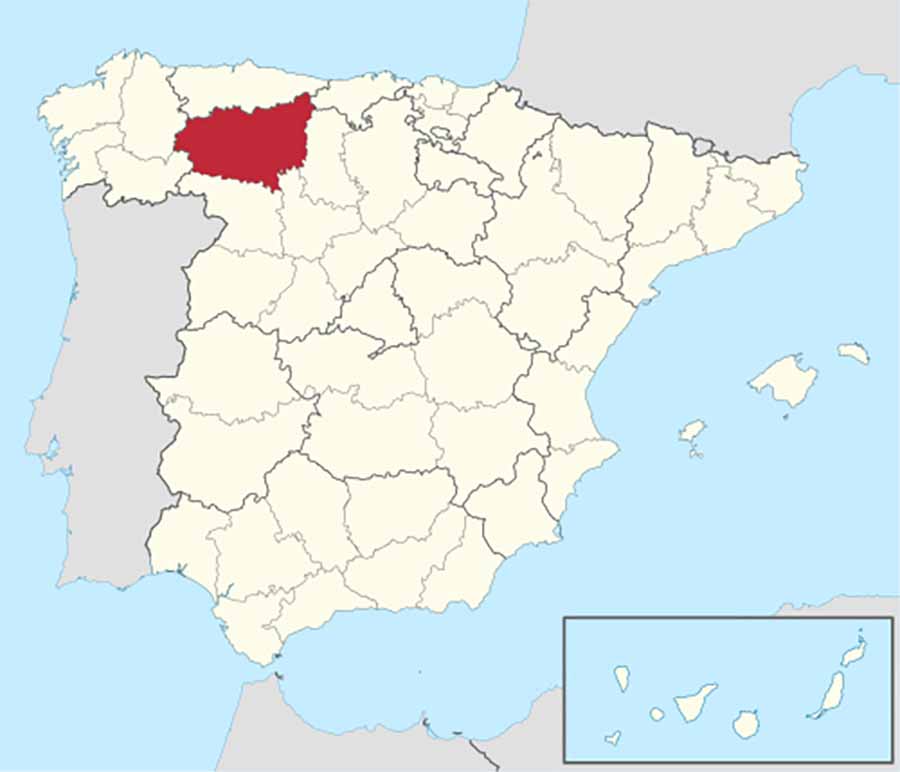
The region:
For travellers seeking a summer holiday in 2026, León offers a captivating blend of historical treasures, natural beauty, and authentic Spanish culture. This northern region provides a welcoming and engaging experience, perfect for those who enjoy exploring heritage, landscapes, and local flavours.
Start your journey in León city, where the Gothic Cathedral of Santa María stands as a stunning centrepiece. Its intricate stained-glass windows and soaring arches create a serene atmosphere for visitors. Nearby, the Basilica of San Isidoro, with its Romanesque frescoes and royal pantheon, offers a glimpse into medieval Spain, complemented by a museum of sacred art.
History enthusiasts will enjoy the Casa Botines, a modernist building designed by Antoni Gaudí. Its whimsical architecture and small museum showcase the architect’s early work. The old quarter, with its narrow streets and lively plazas, invites leisurely walks, particularly around Plaza Mayor, where local cafés serve refreshing drinks.
León’s natural surroundings beckon outdoor lovers. The Picos de Europa National Park, a short drive away, features rugged peaks and trails for hiking or cycling. Paths like the Ruta del Cares offer breathtaking views of gorges and rivers. For a gentler outing, the Bernesga River walkway in León city provides a scenic route for strolls or picnics.
Food lovers will relish León’s culinary scene. Tapas bars in the Barrio Húmedo, such as La Trébede, offer local specialities like cecina, a cured beef, and morcilla, a regional sausage, often served free with a drink. The region’s markets, including Mercado del Conde Luna, brim with fresh cheeses and embutidos, perfect for sampling local produce.
Cultural exploration continues in Astorga, a nearby town with its own Gaudí-designed palace, the Palacio Episcopal. Its fairytale-like design and museum make it a charming stop. The town’s Roman walls and archaeological museum add layers of history, while its chocolate-making heritage can be explored at the Museo del Chocolate.
Families will find León welcoming, with free attractions like the Parque de Quevedo, offering green spaces and playgrounds. The MUSAC, a contemporary art museum, provides engaging exhibits for all ages. For a budget-friendly day trip, the medieval village of Castrillo de los Polvazares, with its stone houses, offers a peaceful retreat.
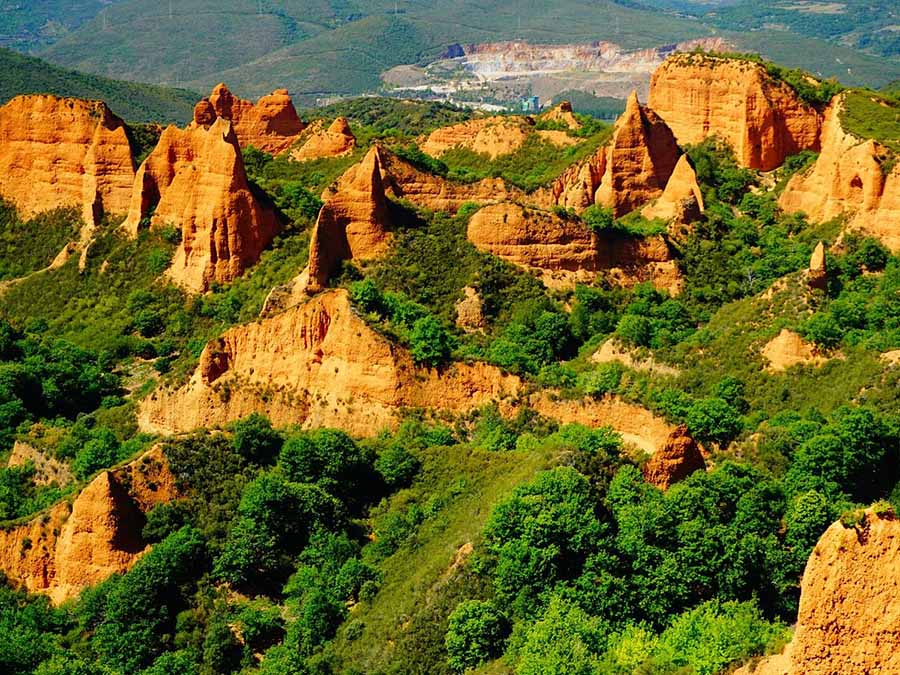
Outdoor pursuits extend to the Las Médulas, a UNESCO World Heritage Site and ancient Roman gold mine. Its dramatic red cliffs and walking trails create a striking backdrop. Evening strolls through León’s illuminated old town, followed by dinner at a family-run restaurant, create a warm and inviting end to the day.
León in the summer of 2026 promises a mix of history, nature, and culinary delights. Whether wandering through ancient basilicas, hiking mountain trails, or savouring tapas, visitors will find this Spanish region a rewarding destination.
The visit:
The Spanish province of León, located in the northwest of Castilla y León, is a captivating destination that seamlessly blends rich history, stunning architecture, vibrant culture, and breathtaking natural landscapes. As a key stop on the Camino de Santiago pilgrimage route, León is steeped in medieval heritage, with its capital city, also named León, serving as the cultural and historical heart. Visitors in 2026 can expect a diverse array of experiences, from exploring Gothic cathedrals and Romanesque basilicas to savouring local cuisine in lively tapas bars and adventuring in the Picos de Europa National Park. New developments for 2026, including cultural events and infrastructure improvements, enhance the province’s appeal.
Historical and Architectural Treasures: León city
León’s capital city is a showcase of architectural grandeur, with landmarks spanning Roman, medieval, and modernist eras:
- León Cathedral (Catedral de Santa María de Regla): Known as the “Pulchra Leonina,” this 13th-century Gothic masterpiece is a highlight, famous for its 1,800 square meters of vibrant stained-glass windows, among the finest in Europe. The cathedral’s soaring towers, intricate rose window, and richly sculpted doorways, such as the Puerta de Nuestra Señora la Blanca, captivate visitors. The adjoining museum offers insights into its history and artifacts.
- Basílica de San Isidoro: A Romanesque jewel from the 11th century, this basilica houses the Royal Pantheon, often called the “Sistine Chapel of Romanesque Art” for its stunning frescoes. It’s the resting place of 23 León kings and features a library with rare 10th-12th-century manuscripts.
- Casa Botines: Designed by Antoni Gaudí in 1893, this neo-Gothic building is one of only three Gaudí works outside Catalonia. Now a museum, it showcases his architectural genius and hosts art exhibitions with works by artists like Dalí and Goya.
- Convento de San Marcos: A 16th-century Plateresque masterpiece, originally a pilgrims’ hospital, it now houses a luxury Parador hotel, a church, and an archaeological museum. Its ornate façade and serene cloister are must-sees.
- Roman Heritage: León’s origins as the Roman Legio VII Gemina are evident in the restored Roman walls along Calle Ramón y Cajal and the Centro de Interpretación del León Romano, which displays artifacts like armor and helmets.
- Palacio de los Guzmanes: This 16th-century Renaissance palace, now the provincial government seat, offers guided tours of its elegant patio and ornate interiors.
Cultural and Culinary Experiences
- León’s vibrant culture and gastronomy are integral to its charm:
- Barrio Húmedo: The historic quarter’s lively tapas district, centered around Plaza de San Martín, is renowned for its bars serving free tapas with drinks. Favorites include Casa Mando for traditional dishes, Rúa 11 for creative tostas with local cheeses and beef jerky, and Jabugo for ham croquettes. The area transforms into a nightlife hub after dark.
- L Museums: The MUSAC (Museo de Arte Contemporáneo de Castilla y León) stands out with its rainbow-colored glass façade and 1,650 modern artworks. The León Museum traces the province’s history from the Bronze Age to medieval times, with artifacts from Las Médulas, a UNESCO-listed Roman gold mine. The Sierra-Pambley Museum offers a glimpse into 19th-century bourgeois life.
Camino de Santiago and Pilgrimage Heritage
León is a pivotal stop on the UNESCO-listed Camino de Santiago, welcoming pilgrims and visitors:
- Pilgrim Landmarks: The cathedral, San Isidoro, and San Marcos are key sites along the French Way. The Monument el Peregrino outside San Marcos symbolizes the pilgrimage spirit.
- Historic Streets: Pedestrian-friendly Calle Ancha leads to the cathedral, dividing the old town into Barrio Húmedo and Barrio Romántico, both rich with medieval charm.
- Local Cuisine: Savour Maragato stew (a layered dish of chickpeas, meat, and noodles), frog’s legs, beef sweetbreads, and mountain meats, paired with El Bierzo Designation of Origin wines. Desserts like Astorga’s mantecadas (buttery pastries) or rice pudding are delightful.
- Plaza Mayor: This 17th-century arcaded square, once called Plaza Pan for its bakeries, is a picturesque spot for coffee or a meal, with vibrant buildings and a weekly food market.
- Pilgrim Hospitality: León’s tradition of welcoming travellers is evident in its albergues and the Parador at San Marcos, offering a luxurious stay steeped in history.
Natural Wonders and Outdoor Activities
León’s province boasts diverse landscapes, from mountains to caves:
- Picos de Europa National Park: In the northwest, this park offers dramatic peaks, beech forests, and trails like the Cares Gorge and Los Beyos pass. Villages like Caín and Posada de Valdeón are ideal bases for hiking.
- Cueva de Valporquero: A stunning cave system with stalactites, stalagmites, and underground lakes, offering guided tours and a light-and-sound show. The surrounding area is great for hiking and biking.
- San Isidro Winter Resort: Located in the central mountains, this resort provides 26km of ski slopes in winter and hiking trails in summer, perfect for outdoor enthusiasts.
- Las Médulas: A UNESCO World Heritage Site, this ancient Roman gold-mining landscape features surreal red rock formations and trails through chestnut groves.
- Riaño Reservoir and Surrounds: This scenic area offers boating, hiking, and visits to charming villages like Castrillo de los Polvazares, a National Monument in the Maragatería region.
Charming Towns and Villages
Beyond the capital, León’s province is dotted with historic towns:
- Astorga: A Roman-origin city with a Gaudí-designed Episcopal Palace, a Gothic cathedral, and the Maragatería region’s gateway. Its chocolate museum and mantecadas are local highlights.
- Ponferrada: Home to a 12th-century Templar Castle and the Bierzo wine region, ideal for wine tasting and exploring medieval streets.
- San Miguel de Escalada: A 10th-century Mozarabic monastery on the River Esla, known for its unique architecture and serene setting.
- Peñalba de Santiago: A picturesque mountain village with slate-roofed houses, offering a glimpse into traditional Leonese life.
Accessibility and Climate
- Getting There: León’s domestic airport (LEN) is 6km from the city, but Madrid-Barajas (MAD) is the main gateway, with frequent trains (2h15m from Madrid-Chamartín) and ALSA buses (3.5h from Madrid). The colorful León train station connects to Oviedo, Gijón, and Valladolid.
- Climate: At 837m elevation, León has cool winters (-1°C to 13°C), warm summers (16°C to 35°C), and pleasant spring/autumn (10°C to 25°C). June to August is ideal for warm weather, while April-May and September-October offer milder conditions and fewer crowds.
- Getting Around: The city is walkable, with most attractions in the historic center. A car is recommended for exploring the province’s remote sites like Las Médulas or Picos de Europa.
What’s New for 2026 in León
- Feria Nacional del Libro de León: Running from April 25 to May 4, 2026, at Poliforum León, this national book fair celebrates literature with workshops, conferences, performances, exhibitions, and family-friendly activities. It highlights local talent and fosters a love for reading, drawing bibliophiles from across Spain. The event enhances León’s cultural scene, offering visitors a chance to engage with Spain’s literary community in a vibrant, modern venue.
- New Museum at San Isidoro: The Museo de San Isidoro opened in 2024 after a comprehensive rehabilitation by Frade Arquitectos, putting the Real Colegiata’s historical and artistic significance front and center. In 2026, it continues to attract visitors with expanded exhibits of Romanesque art, including the iconic frescoes and the mythical chalice linked to the Holy Grail. The museum’s modernized facilities and curated displays make it a must-visit for art and history enthusiasts, offering a deeper understanding of León’s medieval legacy.
- Tourism and Infrastructure Developments: León’s city transformation is ongoing, with promotional campaigns in 2026 emphasizing its “viva, europea, verde, moderna y atractiva” (lively, European, green, modern, and attractive) identity. Recent urban improvements include enhanced pedestrian zones and green spaces, making the historic center even more inviting. These upgrades improve accessibility and sustainability, ensuring a more enjoyable experience for visitors exploring the city’s cobbled streets and plazas.
- New Travel Regulations: Starting mid-2026, non-EU visitors to Spain, including León, must apply for the European Travel Information and Authorisation System (ETIAS), costing €7 and valid for three years. Non-EU travellers also need proof of travel insurance, return tickets, and sufficient funds at the border. A tourist tax (varying by accommodation type) applies, though specific rates for León are not detailed. Visitors should plan ahead to comply with these regulations, ensuring a smooth entry and stay in León.
- Cultural and Event Highlights: León’s 2026 agenda includes ongoing temporary exhibitions at MUSAC, such as the Ai Weiwei show from late 2024, with new contemporary art displays planned. The city’s Auditorio Ciudad de León will host concerts, film screenings, and cultural events, adding to the vibrant scene. These events enrich León’s cultural offerings, providing diverse entertainment options for visitors beyond traditional sightseeing.
Practical Tips for Visitors
- Duration: Spend 2-3 days in León city to cover major sites, with an extra 2-3 days for the province’s attractions like Las Médulas, Picos de Europa, or Astorga.
- Accommodation: Options range from the luxurious Parador de San Marcos to budget-friendly hostels like Hostel Covent Garden (€17/night with breakfast). The Hotel Real Colegiata San Isidoro offers a unique stay within the basilica’s monastery. Book early for spring/summer.
- Dining: Barrio Húmedo is ideal for tapas crawls, but for quieter meals, try restaurants near Plaza del Grano or Plaza Mayor. Dinner is typically late (after 9 PM), reflecting Spanish customs.
- Tours: Join a guided walking tour to explore the cathedral, Casa Botines, and Barrio Húmedo, or book a cave tour at Valporquero. Advance tickets for the cathedral and San Isidoro are recommended, especially around Easter.
- Budget-Friendly: Visit in March-May for lower hotel prices. Many tapas bars offer free bites with drinks, and museum entry fees (e.g., León Museum at €2) are affordable.
- Language: English is common at major sites, but basic Spanish enhances interactions in smaller towns or rural areas.
Visitors to León in 2026 can expect a rich tapestry of experiences, from marvelling at the ethereal stained-glass windows of León Cathedral and the Romanesque frescoes of San Isidoro to hiking the dramatic trails of Picos de Europa and savouring tapas in the lively Barrio Húmedo. The province’s blend of Roman roots, medieval splendour, and natural beauty makes it a hidden gem in northern Spain. New for 2026, the Feria Nacional del Libro, the enhanced Museo de San Isidoro, and ongoing urban improvements elevate León’s appeal, while new travel regulations remind visitors to plan ahead. Whether you’re a history buff, foodie, pilgrim, or nature lover, León offers an authentic and unforgettable journey into Spain’s heartland.
Off the beaten track
The province of León, in northwest Spain, is renowned for its iconic landmarks like the León Cathedral and the Camino de Santiago, but it also hides a wealth of lesser-known treasures that offer authentic, uncrowded experiences. These off-the-beaten-track locations and attractions showcase León’s diverse landscapes, rich history, and cultural depth, perfect for travellers seeking to explore beyond the tourist hotspots. From remote monasteries and ancient caves to charming villages and surreal mining landscapes, here’s a curated selection of hidden gems in León for 2026 visitors.
San Miguel de Escalada Monastery:
- Near Gradefes, 30km east of León city, along the River Esla. This 10th-century Mozarabic monastery, built in 913 AD, is a hidden architectural gem, blending Visigothic, Islamic, and Christian influences. Often overlooked for more famous sites like San Isidoro, it offers a serene glimpse into early medieval Spain.
- Admire the monastery’s horseshoe arches, intricate latticework, and 12-arched portico, reflecting its Mozarabic style from Christians living under Muslim rule in Al-Andalus.
- Explore the compact church interior, with its original wooden ceiling and faded frescoes, and the adjacent tower offering views of the Esla Valley.
- Wander the surrounding olive groves and quiet trails, perfect for contemplation away from crowds. Its remote location and rare Mozarabic architecture make it a peaceful retreat, with minimal tourist footfall compared to León’s busier landmarks. Visit in the early morning or late afternoon for soft light and solitude. Combine with a stop in nearby Gradefes to see its 12th-century Cistercian monastery, Santa María la Real.
Castrillo de los Polvazares:
- Maragatería region, near Astorga, 50km southwest of León city. This tiny, impeccably preserved village is a National Historic-Artistic Monument, known for its rustic stone houses and cobblestone streets. It’s a window into the traditional Maragato culture, a unique ethnological group in León.
- Stroll the car-free village to see colorful stone façades adorned with wooden balconies, and visit the small parish church with its 17th-century altarpiece.
- Savour cocido maragato, a hearty stew served in reverse order (meats, chickpeas, then soup), at local restaurants like Casa Maragata or La Posada de Gaspar.
- Learn about Maragato heritage at the village’s ethnographic displays or during the annual summer festival, featuring traditional music and muleteer reenactments (Maragatos were historic mule traders). Castrillo’s frozen-in-time ambiance and distinct cultural identity offer an intimate contrast to busier Astorga, with few tourists venturing here. Visit in autumn for vibrant foliage or spring for wildflowers. Bring cash, as some small eateries don’t accept cards. Pair with a visit to nearby Santa Colomba de Somoza for more Maragato charm.
Cueva de Valporquero (Extended Routes):
- Vegacervera, 47km north of León city, in the Torío River Valley. While Valporquero’s main cave tours are moderately known, its extended and specialized routes, such as the “Valporquero Insólito” and speleology tours, are offbeat adventures for thrill-seekers, revealing hidden underground wonders.
- The Valporquero Insólito route (2-3 hours) explores lesser-seen chambers with dramatic stalactites, stalagmites, and underground rivers, guided by expert cavers in small groups.
- Speleology tours delve into unlit, undeveloped sections, requiring helmets and harnesses for a raw, exploratory experience (prior registration needed).
- Above ground, hike the Hoces de Vegacervera, a narrow limestone gorge with trails and rock-climbing opportunities, offering stunning views of the Cantabrian Mountains. These specialized cave tours go beyond the standard visitor path, offering an adrenaline-pumping, intimate encounter with one of Spain’s most spectacular karst systems. Book extended tours in advance (spring to fall only) and wear warm, waterproof clothing and sturdy shoes. Combine with a meal in nearby Felmín, known for local goat cheese and cured meats.
Peñalba de Santiago:
- Valle del Silencio (Valley of Silence), 90km west of León city, near Ponferrada. Located in the Aquilanos Mountains, this remote village of slate-roofed houses is one of Spain’s most beautiful, yet it remains largely undiscovered. Its isolation and 10th-century Mozarabic church make it a haven for history and nature lovers.
- Visit the Church of Santiago de Peñalba, a Mozarabic masterpiece from 937 AD, with its horseshoe arch, carved stucco, and serene bell tower. Its small size belies its historical significance.
- Hike to the Cueva de San Genadio, a hermitage cave where the 10th-century saint meditated, offering panoramic views of the valley.
- Explore trails to nearby waterfalls and chestnut forests, or follow paths to the abandoned village of Montes de Valdueza for an eerie, off-grid experience. The village’s remote, almost mystical setting in the “Valley of Silence” feels untouched by time, with minimal tourist infrastructure preserving its authenticity. Visit in spring for blooming wildflowers or autumn for golden landscapes. Stay in a casa rural for an overnight experience, as day trips require a car. Bring snacks, as dining options are limited.
Las Médulas (Lesser-Known Trails):
- El Bierzo region, 130km west of León city, near Ponferrada. While Las Médulas, a UNESCO World Heritage Site, is known for its Roman gold-mining landscape, its lesser-trodden trails and viewpoints offer a quieter way to explore this surreal terrain of red rock spires and chestnut groves.
- Hike the Senda Perimetral or Senda de Reirigo, less crowded trails leading to hidden viewpoints like Chaos de Mity and Pico Placias, revealing the full scale of the Roman hydraulic engineering.
- Visit the Cueva de la Encantada, a mining tunnel turned folklore site, believed to be haunted, accessible via a short, unmarked path.
- Explore the nearby village of Orellán, where a small interpretation center and mirador offer insights into the site’s history without the crowds of the main entrance. These quieter routes let you experience Las Médulas’ otherworldly beauty in solitude, contrasting with the busier main viewpoints like La Mirada Circular. Wear sturdy shoes for uneven trails and visit in early morning or late afternoon for cooler temperatures and golden light. Pair with a wine tasting in the Bierzo DO region, known for Mencía reds.
Valle de Compludo and Herrería de Compludo:
- Near Ponferrada, 100km west of León city, in El Bierzo. This secluded valley, Located in the Ancares Mountains, is home to the Herrería de Compludo, a 7th-century water-powered forge that’s one of Spain’s oldest industrial relics. The area’s lush forests and medieval hamlets are perfect for an offbeat escape.
- Tour the Herrería de Compludo, a restored blacksmith forge operated by water-driven bellows, offering a rare glimpse into pre-industrial craftsmanship (guided visits by appointment).
- Hike the Ruta de los Molinos, a trail connecting ancient water mills and stone bridges along the Meruelo River, surrounded by oak and chestnut forests.
- Visit the nearby hamlet of Compludo, with its traditional stone houses and a small Romanesque church, ideal for a peaceful picnic. The forge’s ancient technology and the valley’s untouched beauty create a time-capsule experience, far from León’s urban or wine-focused attractions. Book forge tours in advance through the Bierzo tourism office. Visit in autumn for vibrant foliage or spring for flowing streams. A car is essential, as public transport is scarce.
Riaño and the “New Alps”: Northeast León,
- 90km from León city, near Picos de Europa. Riaño, often called the “Spanish Alps,” is a strikingly beautiful area with a dramatic reservoir, rugged peaks, and a poignant history. The original village lies submerged under the 1980s reservoir, making the “new” Riaño a hauntingly serene destination off the tourist radar.
- Kayak or paddleboard on the Riaño Reservoir, framed by the Gilbo and Yordas peaks, with crystal-clear waters reflecting the mountains.
- Hike the Ruta del Cares (less crowded from the León side) or the Pico Gilbo trail for panoramic views rivaling Switzerland’s landscapes.
- Visit the Museo Etnográfico de Riaño, a small museum showcasing the lost village’s traditions, or explore the nearby Ermita de Nuestra Señora del Rosario, a relocated chapel from the submerged town. Riaño’s blend of natural splendour and submerged history creates a poignant, uncrowded alternative to the busier Picos de Europa trails. Visit in summer for water activities or autumn for golden hues. Stay in a local casa rural for stargazing, as the area is a Starlight Reserve. Bring layers, as evenings are cool.
Practical Tips for Offbeat Exploration
- Transportation: A rental car is essential for these remote locations, as public transport is limited or nonexistent. Roads are generally good but can be winding in mountainous areas like Riaño or Peñalba.
- Timing: Spring (April-May) and autumn (September-October) offer mild weather and vibrant landscapes. Winter is ideal for Riaño’s alpine vibe, but check road conditions. Summer suits cave and water activities but can be warm at Las Médulas.
- Language: English is rare in these areas, so a translation app or basic Spanish phrases are helpful. Local guides (e.g., at Valporquero or Compludo) may speak English if booked in advance.
- Accommodation: Stay in casas rurales in villages like Peñalba, Castrillo, or Riaño for an authentic experience. Budget-friendly options start at €30-50/night. Book early for summer or festival seasons.
- Guides and Tours: Reserve specialized tours (e.g., Valporquero Insólito, Herrería de Compludo) in advance via local tourism offices or websites. Some sites, like San Miguel de Escalada, have irregular hours, so check ahead.
- Sustainability: Stick to marked trails in natural areas like Las Médulas or Picos de Europa to protect fragile ecosystems. Avoid littering in caves or reservoirs.
- Dining: Small villages may have limited dining options, so pack snacks or dine in nearby towns like Astorga or Ponferrada. Try local specialties like cecina (cured beef) or botillo (Bierzo sausage) where available.
These offbeat locations reveal the province’s multifaceted character, from Mozarabic monasteries and ancient forges to surreal mining landscapes and alpine reservoirs. They offer a chance to connect with León’s lesser-known stories, meet locals in quiet villages, and immerse in pristine nature without the crowds. Whether hiking to a hermit’s cave in Peñalba, kayaking in Riaño’s “Alps,” or marveling at Romanesque arches in Escalada, these hidden spots promise a deeper, more personal experience of León in 2026.
Spain region by region
Almería – Andalusia – Aragón – Asturias – Basque Country – Cádiz – Cantabria – Catalonia – Córdoba – Extremadura – Fuerteventura – Galicia – Gran Canaria – Granada – Huelva – Ibiza – Jaén – La Mancha – La Rioja – Lanzarote – León – Madrid – Majorca – Málaga – Menorca – Murcia – Navarra – Seville – Tenerife – Valencia –