A memorable quote from the Spanish poet Luis García Montero, a native of Madrid, comes from his 1994 poem Habitaciones separadas: “Madrid es una ciudad que nunca duerme, pero siempre sueña” (“Madrid is a city that never sleeps, but always dreams”). This line captures the vibrant, restless energy of Spain’s capital, where its bustling streets and cultural richness coexist with an undercurrent of poetic aspiration, reflecting García Montero’s deep affection for the city’s dynamic spirit.
the 1983 Spanish film Laberinto de pasiones, directed by Pedro Almodóvar, showcases Madrid’s Movida Madrileña, the countercultural movement that defined the city post-Franco. A character declares, “En Madrid, las noches son un lienzo donde pintamos nuestra libertad” (“In Madrid, the nights are a canvas where we paint our freedom”). This quote encapsulates the city’s role as a hub of artistic and social liberation in the 1980s, with its eclectic nightlife, music, and avant-garde scene, cementing Madrid’s identity as a place of boundless creativity and expression.
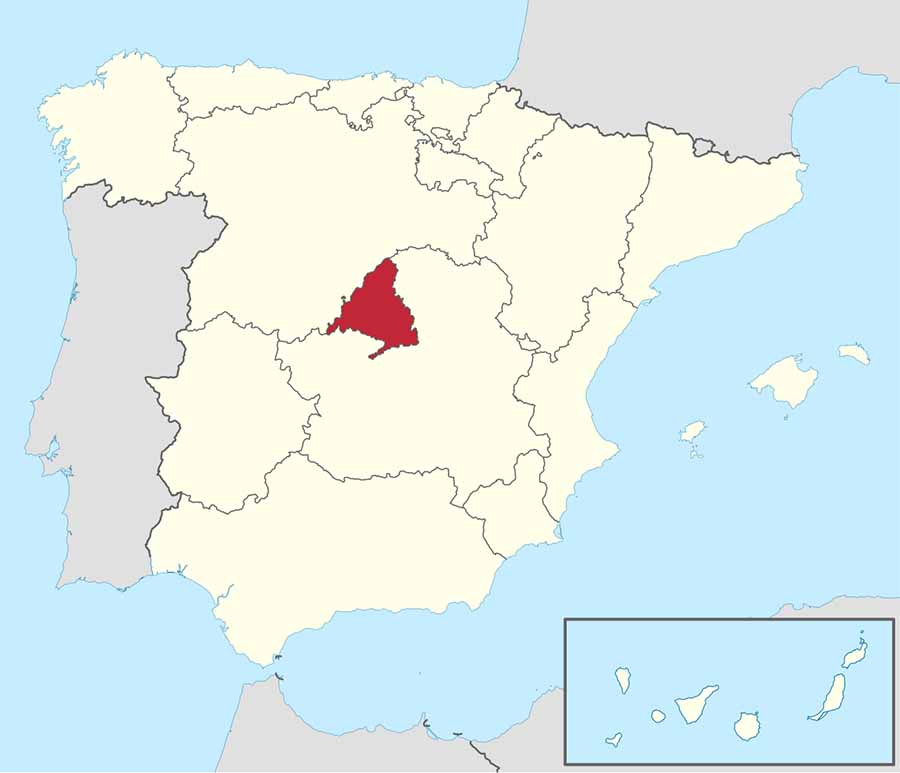
The region:
For travellers planning a summer holiday in 2026, Madrid offers a delightful blend of rich history, artistic treasures, and inviting green spaces. Spain’s capital provides an engaging and accessible experience, perfect for those seeking culture, cuisine, and relaxation.
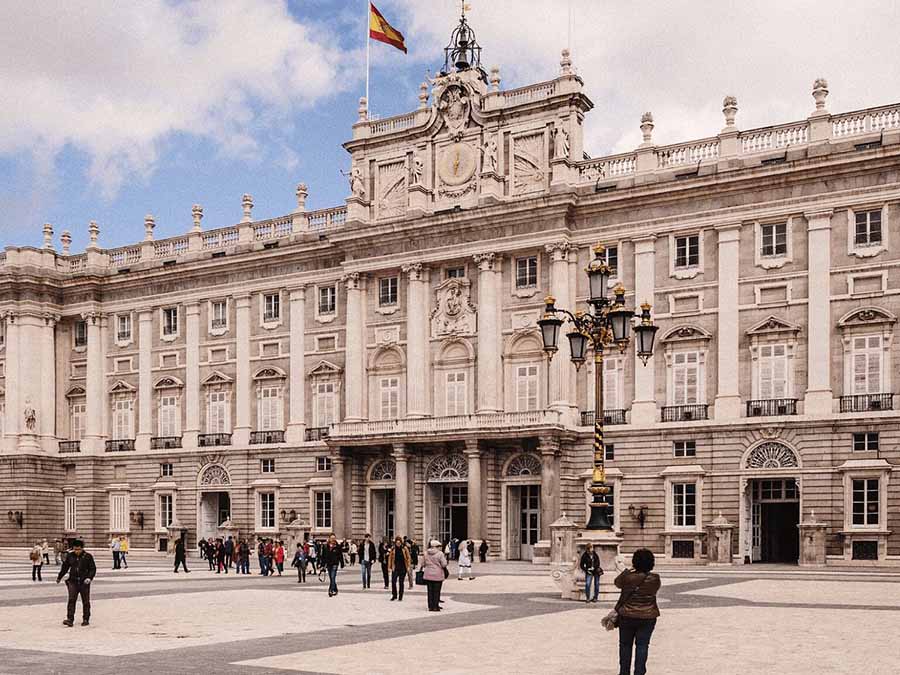
Begin your visit in the heart of Madrid at the Prado Museum, home to an extensive collection of masterpieces by Goya, Velázquez, and El Greco. Its airy galleries and shaded courtyard offer a cool retreat. Nearby, the Royal Palace, with its opulent rooms and sprawling gardens, invites exploration of Spain’s royal heritage.
Madrid’s green spaces provide a refreshing escape. Retiro Park, with its serene boating lake and grand monuments like the Crystal Palace, is ideal for leisurely strolls or picnics. Families will enjoy the park’s playgrounds and shaded paths, while Casa de Campo offers hiking and cycling trails for those seeking more active pursuits.
Art enthusiasts can explore the Reina Sofía Museum, where Picasso’s Guernica and works by Dalí draw crowds. The Thyssen-Bornemisza Museum completes Madrid’s “Golden Triangle of Art,” showcasing an eclectic range of European paintings. For a quieter cultural stop, the Sorolla Museum, set in the artist’s former home, displays light-filled works and tranquil gardens.
Food lovers will savour Madrid’s culinary offerings. Tapas bars in La Latina, like Casa Lucio, serve classics such as patatas bravas and jamón ibérico. The San Miguel Market, with its array of fresh seafood, cheeses, and croquetas, invites visitors to sample local flavours. For a sweet treat, churros with thick hot chocolate at Chocolatería San Ginés are a must.
History comes alive in Madrid’s Plaza Mayor, a grand square surrounded by elegant arcades and historic buildings. The nearby Puerta del Sol, with its iconic clock tower, is perfect for people-watching. A short walk leads to the Debod Temple, an ancient Egyptian structure set against a backdrop of city views, especially enchanting at sunset.
Outdoor activities thrive in Madrid’s summer climate. The Manzanares River offers kayaking opportunities, while the Sierra de Guadarrama, a short drive away, provides hiking trails with sweeping mountain vistas. Cyclists can explore the city’s bike-friendly paths, particularly along the Madrid Río park.
Families will find Madrid welcoming, with free attractions like the Campo del Moro gardens and budget-friendly museums such as the Railway Museum. The vibrant streets of Malasaña offer quirky shops and cafés, perfect for a relaxed afternoon. Evening walks through the illuminated Gran Vía, followed by dinner at a rooftop restaurant, create a memorable end to the day.
Madrid in the summer of 2026 promises a mix of art, history, and outdoor enjoyment. Whether wandering through world-class museums, savouring tapas, or relaxing in lush parks, visitors will find this Spanish capital a rewarding destination.
The visit:
The city and province of Madrid, Spain’s vibrant capital, offer a dynamic blend of rich history, world-class art, lively neighborhoods, and a thriving cultural scene. Known for its welcoming atmosphere, Madrid combines imperial grandeur with modern energy, from its iconic plazas and museums to its legendary nightlife and gastronomic delights. Visitors in 2026 can expect an unforgettable experience exploring historic landmarks, indulging in tapas crawls, and enjoying green spaces like the UNESCO-listed Retiro Park. New developments for 2026, including urban transformations, cultural events, and infrastructure projects, further enhance Madrid’s appeal.
Iconic Historical and Cultural Landmarks
Madrid’s city centre is a treasure trove of architectural and cultural gems, reflecting its royal and artistic heritage:
- Royal Palace (Palacio Real): Europe’s largest functioning palace, with over 3,400 opulent rooms, houses artworks by Caravaggio, Goya, and Velázquez. Visitors can tour the lavish interiors, including the Throne Room and Royal Armory, and enjoy the adjacent Sabatini Gardens.
- Plaza Mayor: This 15th-century square, a Spanish Property of Cultural Interest, is surrounded by arcaded buildings and bustling with cafés, street performers, and tapas bars. It’s ideal for people-watching and soaking in Madrid’s vibrant atmosphere. In winter, it hosts a sprawling Christmas market.
- Puerta del Sol: The heart of Madrid, home to the iconic bear and strawberry tree statue, the Kilometer Zero marker, and the illuminated Tío Pepe sign. It’s a hub for shopping and New Year’s Eve celebrations.
- Gran Vía: Madrid’s bustling “Broadway,” lined with early 20th-century architecture, theaters, cinemas, and shops like the five-story Primark flagship. The Edificio Metrópolis and Schweppes sign are perfect for photos.
- Golden Triangle of Art: Madrid’s world-famous museums along the Paseo del Prado (a UNESCO World Heritage Site) include:
- Prado Museum: One of the world’s greatest art galleries, with 20,000 works by Goya, Velázquez, Titian, and Bosch.
- Reina Sofía Museum: Home to Picasso’s Guernica and modern masterpieces by Dalí and Miró.
- Thyssen-Bornemisza Museum: A comprehensive collection spanning the 13th to 20th centuries, offering a more navigable experience than the Prado.
- Smaller Museums: The Sorolla Museum, housed in the artist’s villa, showcases luminous Impressionist works, while the Royal Collections Gallery (opened in 2023) displays treasures amassed by Spanish monarchs.
- Templo de Debod: A 2nd-century BC Egyptian temple gifted to Spain, set in a hilltop park with stunning sunset views. Visits are timed and limited to 15 people per 30-minute slot.
Vibrant Neighborhoods and Nightlife
Madrid’s eclectic barrios each offer distinct experiences:
- La Latina: A maze of medieval streets perfect for tapas crawls along Cava Baja or at Mercado de San Miguel, a gastronomic hub open until midnight. The Basílica de San Francisco el Grande is a hidden architectural gem.
- Barrio de las Letras (Huertas): The literary heart of Madrid’s Golden Age, with cobblestone streets inscribed with quotes, the Cervantes tomb, and the Lope de Vega Museum-House. Plaza Santa Ana is a nightlife hotspot with historic taverns and modern cocktail bars.
- Malasaña and Chueca: Malasaña’s indie vibe features quirky shops, vinyl stores, and live music venues, while Chueca is known for its inclusive LGBTQ+ scene and vibrant clubs. Both pulse until dawn.
- Lavapiés: A multicultural hub with steep, colorful streets, authentic global eateries (Indian, Senegalese, Middle Eastern), and street art. It’s ideal for budget travellers and cultural immersion.
- Salamanca: An upscale district with luxury boutiques on the Golden Mile, Michelin-starred restaurants, and elegant architecture.
- Nightlife: Madrid’s legendary nightlife includes flamenco at Casa Patas or Corral de la Morería, rooftop bars like the Círculo de Bellas Artes, and clubs in Malasaña that stay open until sunrise.
Gastronomic Delights
Madrid’s food scene is a blend of rustic tradition and avant-garde innovation:
- Tapas Culture: Enjoy free tapas with drinks at bars like El Tigre in Chueca, known for piled-high plates. Classics include jamón Ibérico, tortilla española, patatas bravas, croquetas, and bocata de calamares.
- Traditional Dishes: Try cocido madrileño (chickpea and meat stew), huevos rotos (fried eggs with potatoes), or soldaditos de Pavía (cod fritters). Madrid’s seafood market, the world’s second-largest after Tokyo, ensures fresh dishes despite its inland locatiexpect on.Mercado de San Miguel: A gourmet market near Plaza Mayor, perfect for sampling local cheeses, olives, and wines.
- Fine Dining: DiverXO, a three-Michelin-star restaurant, offers avant-garde cuisine, while Casa Hortensia serves Asturian cider-house dishes and Casa Lafu specializes in Chinese hot pot.
- Markets and Brunch: Trendy weekend brunches on glass terraces or rooftops are increasingly popular. The Rastro flea market on Sundays offers street food alongside antiques.
Green Spaces and Outdoor Activities
Madrid’s parks provide serene escapes:
- El Retiro Park: A 350-acre UNESCO World Heritage Site with formal gardens, a boating lake, and the Crystal Palace hosting art exhibitions. It’s perfect for rowing, picnics, or relaxing under 15,000 trees.
- Casa de Campo: Spain’s largest green space, ideal for hiking, biking, or visiting the Madrid Zoo Aquarium.
- El Capricho Park: A lesser-known romantic garden in Alameda de Osuna with a small palace, maze, and manmade river, offering a tranquil retreat.
- Madrid Río: A revitalized riverside park with cycling paths, playgrounds, and urban beaches, showcasing Madrid’s green renaissance.
Festivals and Events
Madrid’s social calendar is packed year-round:
- San Isidro Festival (May): Celebrates the city’s patron saint with traditional chulapo dances, picnics in San Isidro Park, and bullfighting at Las Ventas, Spain’s largest bullring.
- Madrid Pride (late June): One of Europe’s largest LGBTQ+ celebrations, with parades, concerts, and parties.
- Feria del Libro (June): A two-week book fair in Retiro Park, drawing literature enthusiasts.
- Virgen de La Paloma (August 15): A vibrant festival in La Latina with block parties, live music, and religious events.
- Christmas Season: Plaza Mayor’s Christmas market, twinkling lights, and the Three Kings’ Day Parade (January 5) create a festive atmosphere.
Sports and Entertainment
- Real Madrid at Santiago Bernabéu Stadium: A must for football fans, with stadium tours and matches offering an electric atmosphere.
- Mutua Madrid Open (April-May): A prestigious tennis tournament at La Caja Mágica, attracting global stars.
- Flamenco Shows: Authentic performances at venues like Casa Patas showcase Spain’s passionate dance.
Day Trips in Madrid Province
The province offers historic and natural escapes:
- Toledo (45 miles): A UNESCO World Heritage Site with a medieval old town, El Alcázar fortress, and a stunning cathedral. Accessible by a 30-minute train.
- Segovia (58 miles): Another UNESCO site, known for its Roman aqueduct, fairy-tale Alcázar, and local ponche cake.
- El Escorial: A vast monastery-palace with royal tombs, a basilica, and a library, set against the Guadarrama mountains.
- Guadalajara Province: Less touristy, with charming towns like Molina de Aragón, home to Spain’s second-largest castle and a new parador (state-run hotel).
Accessibility and Climate
- Getting There: Adolfo Suárez Madrid–Barajas Airport, 13km from Plaza Mayor, is a major hub. The metro, Aeropuerto Exprés bus (€5), or taxis (€30 fixed rate) connect to the city center. High-speed AVE trains link Madrid to Barcelona, Seville, and Valencia.
- Getting Around: Madrid’s metro (13 lines) is efficient and affordable, with fares around €1.50. Bicimad bike-sharing, Cabify, and buses complement the system. The city is walkable, especially in Centro.
- Climate: At 657m elevation, Madrid has a continental climate with hot summers (32°C/90°F in July) and cool winters (5-10°C/41-50°F in January). Spring (April-May) and fall (September-October) are ideal, with 15-20°C (60-70°F) and blooming parks.
What’s New for 2026 in Madrid
- Madring Circuit: Madrid enters the motorsport elite with ‘Madring,’ a 5.4km urban racing circuit in IFEMA and Valdebebas, featuring tunnels, technical sections, and views of the iconic Las Ventas bullring. It’s set to host events starting in 2026, boosting adrenaline-fueled tourism.
- A-5 Soterramiento (Undergrounding): The A-5 highway’s burial project advances, creating a greener Paseo Verde del Suroeste. Plans to extend it 700m to Cuatro Vientos will enhance urban mobility and livability.
- Metro Line 3 Extension: A new 2.6km underground stretch of Line 3 to Getafe, opened April 2026, connects suburban areas to Puerta del Sol in under 30 minutes, improving access for over a million residents.
Major Art Exhibitions
- Anton Raphael Mengs (Museo del Prado) — Until 1 March 2026. A major retrospective of the 18th-century German Neoclassical painter, featuring around 150 works highlighting his influence as one of the greatest painters of his era.
- Maruja Mallo: Mask and Compass (Museo Nacional Centro de Arte Reina Sofía) — Until 16 March 2026. The largest retrospective of this innovative Galician Surrealist and avant-garde artist, showcasing her pioneering 20th-century contributions.
- Vilhelm Hammershøi: The Eye that Listens (Museo Nacional Thyssen-Bornemisza) — 17 February to 31 May 2026. First major retrospective in Spain of the Danish painter known for his atmospheric, introspective interiors and hushed domestic scenes.
- Anders Zorn (Fundación Mapfre, Sala Recoletos) — 19 February to 17 May 2026. Exhibition of the Swedish Gilded Age portraitist, often called the “Swedish Sorolla” for his luminous style and society portraits.
- Helen Levitt (Fundación Mapfre, Sala Recoletos) — 19 February to 17 May 2026. Comprehensive show of the American photographer’s street photography, marking its first major presentation in Spain (following Barcelona).
- Ewa Juszkiewicz (Museo Nacional Thyssen-Bornemisza) — 26 May to 6 September 2026. Monograph on the Polish artist’s provocative, subversive reinterpretations of historical portraiture with meticulous technique.
- Aurèlia Muñoz (Museo Nacional Centro de Arte Reina Sofía) — 29 April to 7 September 2026. Focus on the Catalan textile artist’s innovative sculptural works and contributions to 20th-century art.
- Carmen Laffón (Museo Nacional Thyssen-Bornemisza) — 23 June to 27 September 2026. Exhibition of the Spanish artist’s soft-hued landscapes and intimate depictions of everyday life.
- In the Italian Manner: Spain and the Mediterranean Gothic (1320-1420) (Museo del Prado) — From spring/summer 2026 (exact start around May/June; check for confirmation). Explores Italian influences on late medieval Spanish art, highlighting exchanges across the Mediterranean.
- Other notable ongoing or early 2026 shows include immersive experiences like Frida Kahlo: Live Art Experience(ongoing into 2026), Disney: The Exhibition – 100 Years of Magic (until May 2026), and Cleopatra, the Immersive Exhibition (dates vary).
Key Cultural Events and Festivals
- Madrid Design Festival — 5 February to 8 March 2026 (various locations across the city). Annual event transforming Madrid into a design capital with exhibitions, installations, workshops, talks, and the FORMA Design Fair under the theme “Redesigning the World”.
- ARCOmadrid (International Contemporary Art Fair) — 4–8 March 2026 (IFEMA Madrid). The 45th edition of Spain’s premier contemporary art fair, featuring 206 galleries from 36 countries and over 1,300 artists.
- PHotoESPAÑA (International Festival of Photography and Visual Arts) — Dates typically June–July 2026 (various locations; check for exact 2026 programme). One of Europe’s largest photography festivals with exhibitions across museums and galleries.
Madrid’s cultural calendar also includes recurring events like Carnival (February/March), San Isidro Festival (May), and summer programmes, but 2026 emphasises painting, photography, and design across major venues. For the full agenda, download resources like the Madrid Cultura PDF from esmadrid.com (covering January–April 2026 and beyond). Enjoy Madrid’s world-class art scene responsibly, advance booking is recommended for popular shows.
New Travel Regulations
- ETIAS Requirement: From mid-2026, non-EU visitors need an ETIAS authorization (€7, valid for three years) for entry. Proof of travel insurance, return tickets, and sufficient funds may also be required at borders. A tourist tax applies, varying by accommodation type.
- Visa Wait Times: Non-residents applying for U.S. visas at the U.S. Embassy Madrid face a 330-day wait for B-1/B-2 appointments as of April 2026, so plan accordingly.
Architectural and Cultural Venues
- Museo de la Arquitectura y Urbanismo: Opened in 2024, this Carabanchel museum explores Spanish architecture’s legacy and future urbanism, showcasing contemporary studios. It’s a fresh addition for design enthusiasts.
- Quinta de Torre Arias: A restored 16th-century estate in San Blas-Canillejas, with gardens, a palace, and a dairy farm, now open for free visits.
- Hotel Montera Madrid Rooftop: The Curio Collection by Hilton’s terrace on Gran Vía, with Balinese beds and views of the Telefónica clock, is a chic new spot for cocktails at El Cielo de Chicote bar.
Practical Tips for Visitors
- Duration: Spend 3-4 days in Madrid city to cover museums, barrios, and nightlife, plus 1-2 days for day trips to Toledo or Segovia.
- Accommodation: Options range from luxury (Ritz Madrid) to budget hostels (€20/night). Salamanca offers upscale stays, while Malasaña suits hip travellers. Book early for spring/summer.
- Dining: Tapas bars are budget-friendly (drinks with free tapas). Check bills to avoid overcharging scams. Dinner is late (9-10 PM).
- Safety: Madrid is safe but beware of pickpockets in crowded areas like Plaza Mayor, Puerta del Sol, and El Rastro. Avoid “free” gift scams and unlicensed taxis.
- Tipping: Optional, but 5-15% for exceptional service at restaurants or a euro for hotel staff is appreciated. Cash ensures servers receive tips.
- Language: English is common in tourist areas, but basic Spanish (e.g., “hola,” “gracias”) enhances interactions.
- Budget-Friendly: Visit museums during free entry hours (e.g., Prado 6-8 PM). Menú del día (weekday lunch specials) offers affordable meals.
- Tours: Guided walking tours cover Centro, tapas crawls, or flamenco experiences. Book Prado or Royal Palace tickets in advance to skip lines.
Visitors to Madrid in 2026 can expect a vibrant blend of art, history, and nightlife, from the Prado’s masterpieces and the Royal Palace’s grandeur to tapas crawls in La Latina and late-night revelry in Malasaña. The province’s day trips to Toledo and Segovia add medieval charm, while Retiro Park and Madrid Río offer green escapes. New for 2026, the Madring circuit, Metro Line 3 extension, and a packed cultural calendar with exhibitions and concerts elevate Madrid’s appeal. With spring and fall as ideal seasons, Madrid’s infectious joie de vivre, according to locals nicknamed “los gatos” (the cats) for their nocturnal zest, ensures an unforgettable experience in Spain’s storybook capital.
Off the beaten track
The province of Madrid, while dominated by the vibrant capital city, hides a wealth of lesser-known destinations that offer authentic, uncrowded experiences beyond the well-trodden paths of the Prado Museum, Royal Palace, and Plaza Mayor. These off-the-beaten-track locations and attractions in the Madrid province showcase charming historic towns, serene natural landscapes, unique cultural sites, and hidden gastronomic gems, perfect for travellers seeking to explore the region’s quieter corners in 2026.
Patones de Arriba:
- 60km northeast of Madrid city, in the Sierra Norte. This picturesque village, perched in the Jarama River Valley, is one of Madrid’s best-preserved slate villages, often called a “black architecture” gem due to its dark stone buildings. Largely overlooked by tourists, it offers a serene escape into rural Spain.
- Wander the car-free, cobblestone streets lined with slate houses, many adorned with flower pots, and visit the tiny 18th-century Church of San José.
- Hike the Senda del Genaro or Senda de la Dehesa trails for panoramic views of the Lozoya Valley and Atazar Reservoir, spotting local wildlife like griffon vultures.
- Dine at El Poleo, a cozy restaurant serving regional dishes like migas (fried breadcrumbs with sausage) and lamb chops, paired with local wines. Patones de Arriba’s remote, almost frozen-in-time ambiance, with no modern buildings, feels like stepping into a medieval postcard, far from Madrid’s urban buzz. Visit on weekdays or early mornings to avoid weekend day-trippers. A car is essential, as public buses are limited. Combine with nearby Buitrago del Lozoya for its medieval walls.
Quinta de los Molinos:
- Eastern Madrid city, Suanzes metro station (Line 5). This 25-hectare urban park is a hidden oasis, far less crowded than Retiro Park, known for its spectacular almond blossom displays in late winter to early spring (February-March). It’s a local secret for nature lovers and photographers.
- Stroll through groves of 6,000 almond trees, whose pink and white blooms create a fleeting, magical spectacle. The park also features olive trees, eucalyptus, and a small lake.
- Explore the Espacio Abierto Quinta de los Molinos, a cultural centre hosting workshops, theater, and family-friendly activities in a historic pavilion.
- Visit the restored windmill and irrigation channels, remnants of the estate’s agricultural past, for a glimpse into Madrid’s rural history. Unlike Retiro’s tourist crowds, Quinta de los Molinos offers a tranquil, locals-only vibe, especially during the almond bloom season, rivaling Japan’s cherry blossoms. Visit at sunrise for soft light and fewer visitors. Bring a picnic, as dining options are scarce. The park is free and open daily from 6:30 AM to 10:00 PM.
Nuevo Baztán:
- 50km east of Madrid city, near Alcalá de Henares. This 18th-century planned village, founded by industrialist Juan de Goyeneche, is a Baroque architectural gem modeled after urban planning ideals of the time. Rarely visited, it’s a fascinating detour for history and architecture enthusiasts.
- Tour the Palace of Goyeneche, a grand Baroque complex with a church, plaza, and former industrial buildings, now hosting a small interpretation centre on the village’s history.
- Wander the grid-like streets, designed with Enlightenment precision, and admire the preserved stone façades and arcaded Plaza de la Iglesia.
- Visit the nearby Bodegas Peral, a family-run winery in the Madrid DO, offering tastings of Tempranillo and Malvar wines in a rustic setting. Nuevo Baztán’s cohesive Baroque design and historical significance as an early industrial hub make it a rare, under-the-radar destination in a region dominated by medieval or modern sites. Check the palace’s opening hours, as it’s limited (weekends often best). Combine with a visit to Alcalá de Henares for Cervantes’ birthplace. A car is recommended for access.
Cercedilla and the Roman Road of Fuenfría:
- 57km northwest of Madrid city, in the Sierra de Guadarrama National Park. Cercedilla, a charming mountain town, is a gateway to the lesser-known trails of the Sierra de Guadarrama, including the ancient Roman Road of Fuenfría, a 2,000-year-old path once linking Segovia to Toledo. It’s a quieter alternative to the crowded Navacerrada ski area.
- Hike the Camino Romano de Fuenfría, a 5-7km trail (moderate difficulty) through pine forests and granite peaks, passing Roman milestones and offering views of the Guadarrama Valley.
- Visit the Casa de la Cultura in Cercedilla for exhibits on the region’s mountaineering history or relax at Las Dehesas, a recreational area with picnic spots and streams.
- Explore nearby Mirador de los Poetas, a lookout with stone inscriptions honoring Spanish poets, accessible via a short detour from the Roman road.
- Dine at local spots like La Maya for judiones (giant beans) or roasted kid goat, traditional Sierra dishes. The combination of Roman engineering and pristine mountain scenery, with fewer hikers than other Guadarrama trails, makes this a peaceful, historical adventure. Accessible by Cercanías train (C-8 line from Atocha, 1h15m) or car. Wear sturdy hiking shoes and bring water, as trails lack facilities. Visit in spring or autumn for mild weather.
Manzanares el Real (Beyond the Castle):
- 50km north of Madrid city, in the Sierra de Guadarrama. While the 15th-century Manzanares Castle is a known attraction, the surrounding area offers hidden natural and cultural gems, including the La Pedriza rock formations and the quiet village of Manzanares el Real, often skipped by day-trippers.
- Explore La Pedriza, a granite wonderland within the Cuenca Alta del Manzanares Regional Park, with lesser-known trails like the Senda del Cancho de los Muertos for surreal rock formations and hidden caves used by bandits.
- Visit the Ermita de Nuestra Señora de la Peña Sacra, a small 16th-century hermitage perched on a hill, offering panoramic views of the Santillana Reservoir and Guadarrama peaks.
- Wander the village’s old quarter, with stone houses and the Museo Etnológico, a small exhibit on rural life, showcasing traditional tools and crafts.
- Kayak or paddleboard on the Santillana Reservoir, a serene spot for water activities with minimal crowds. La Pedriza’s otherworldly landscape and the village’s low-key charm provide a nature-focused escape, distinct from the castle’s tourist draw. A car is ideal, though bus 724 from Plaza de Castilla reaches Manzanares. Hike early to avoid summer heat, and check hermitage access with locals. Try Restaurante El Cancho for grilled meats and local views.
Chinchón:
- 45km southeast of Madrid city. This small town, often overshadowed by Toledo or Segovia, is a hidden gem with a perfectly preserved 16th-century plaza and a rich culinary tradition. Its authentic, untouristy vibe makes it ideal for a cultural detour.
- Explore Plaza Mayor, a circular, balconied square with medieval origins, used for bullfights, markets, and films like Around the World in 80 Days. Its irregular shape and wooden galleries are uniquely charming.
- Visit the Torre del Reloj, the surviving tower of a 14th-century church, offering views over the town’s red-tiled roofs and surrounding vineyards.
- Taste anís de Chinchón, a local anise liqueur, at small distilleries like Alcoholera de Chinchón, or sample garlic-heavy dishes at Mesón Cuevas del Vino, a cave-like restaurant.
- Wander to the Convento de las Clarisas, a 17th-century convent selling homemade pastries, for a glimpse into monastic life. Chinchón’s intimate, time-warp plaza and gastronomic heritage, including its anise and garlic festivals, offer a quintessentially Spanish experience without the tourist crowds. Visit during the October garlic festival or spring for mild weather. A car is best, though bus 337 from Conde de Casal connects to Madrid. Avoid peak summer weekends.
Rascafría and the Monastery of El Paular:
- 100km north of Madrid city, in the Lozoya Valley, Sierra de Guadarrama. Rascafría, a tranquil village, is home to the 14th-century Monastery of Santa María de El Paular, a Carthusian gem often missed for El Escorial. The surrounding valley offers pristine trails and waterfalls, perfect for nature enthusiasts.
- Tour the Monastery of El Paular, with its Gothic-Mudéjar cloister, 15th-century altarpiece, and a collection of 17th-century paintings by Vicente Carducho. Guided tours (weekends, book ahead) reveal its serene interiors.
- Hike to the Purgatorio Waterfalls, a 3-4km trail through oak forests and granite cliffs, or the Fin de Mundo Waterfall, a longer, less-crowded route with dramatic cascades.
- Visit the Puente del Perdón, a medieval bridge linked to local legends, or relax at Las Presillas, natural pools ideal for summer dips.
- Dine at Restaurante Juanito for judiones de la Granja (bean stew) or grilled trout from the Lozoya River. The monastery’s understated beauty and the Lozoya Valley’s unspoiled trails offer a spiritual and natural retreat, far from the province’s busier sites. Accessible by bus 194 from Plaza de Castilla or car. Book monastery tours in advance. Visit in autumn for golden foliage or spring for flowing waterfalls.
Practical Tips for Offbeat Exploration
- Transportation: A rental car is essential for most locations, as public transport (buses or Cercanías trains) is limited or infrequent outside Madrid city. Roads are well-maintained, but mountain routes (e.g., Rascafría, Cercedilla) can be winding.
- Timing: Spring (April-May) and autumn (September-October) offer mild weather (15-20°C) and vibrant landscapes. Winter is ideal for Quinta de los Molinos’ almond blooms, while summer suits Rascafría’s pools but can be hot (30°C+).
- Language: English is rare in these areas, so a translation app or basic Spanish (“hola,” “gracias,” “dónde está…”) is helpful. Some monastery or winery guides may speak English if booked ahead.
- Accommodation: Stay in casas rurales in Patones, Rascafría, or Chinchón for an authentic experience (€40-80/night). Madrid city hostels or hotels are viable for day trips. Book early for summer or festivals.
- Guides and Tours: Reserve monastery tours (El Paular) or winery visits (Nuevo Baztán) via local tourism websites or offices. Check opening hours for small sites like Chinchón’s convent or Manzanares’ museum, as they vary.
- Sustainability: Stick to marked trails in natural areas like La Pedriza or Fuenfría to protect ecosystems. Avoid littering in parks or reservoirs.
- Dining: Rural restaurants focus on local specialties (migas, judiones, roasted meats). Bring cash for small eateries, as card payments may not be accepted. Pack snacks for remote hikes.
These offbeat locations reveal the province’s multifaceted charm, from Patones’ slate village and Chinchón’s medieval plaza to the Roman roads of Cercedilla and the almond groves of Quinta de los Molinos. They offer a chance to connect with local traditions, savour unspoiled nature, and uncover stories absent from mainstream guides. Whether hiking ancient paths, tasting anise liqueur, or marveling at Baroque urban planning, these hidden spots promise a deeper, more personal experience of the Madrid province in 2026.
Spain region by region
Almería – Andalusia – Aragón – Asturias – Basque Country – Cádiz – Cantabria – Catalonia – Córdoba – Extremadura – Fuerteventura – Galicia – Gran Canaria – Granada – Huelva – Ibiza – Jaén – La Mancha – La Rioja – Lanzarote – León – Madrid – Majorca – Málaga – Menorca – Murcia – Navarra – Seville – Tenerife – Valencia –