A striking quote from the Murcian poet Dionisia García, from her 1996 collection Luz en la piedra, reads: “Murcia, donde el río Segura murmura versos entre huertos y soles” (“Murcia, where the Segura River murmurs verses among orchards and suns”). This line beautifully captures the region’s fertile Huerta de Murcia, irrigated by the Segura, and its sun-drenched landscapes, reflecting García’s lyrical connection to her homeland’s natural and cultural richness.
The 2014 Spanish film La vida inesperada, directed by Jorge Torregrossa, references Murcia’s vibrant agricultural heritage. A character remarks, “En Murcia, la huerta es un lienzo donde la tierra pinta con sabores” (“In Murcia, the orchard is a canvas where the earth paints with flavours”). This quote evokes the region’s lush orchards, renowned for their citrus fruits and vegetables, highlighting Murcia’s identity as a fertile, sunlit land where tradition and taste intertwine.
The region:
For travellers planning a summer holiday in 2026, Murcia offers a delightful mix of historical charm, coastal beauty, and authentic Spanish culture. This southeastern region provides an engaging and relaxed experience, ideal for those seeking history, nature, and culinary delights.
Begin in Murcia city, where the Cathedral of Santa María stands as a striking landmark. Its blend of Gothic, Renaissance, and Baroque architecture invites exploration, with the bell tower offering panoramic city views. Nearby, the Real Casino de Murcia, a 19th-century social club, showcases ornate interiors, from its Moorish patio to its elegant ballroom.
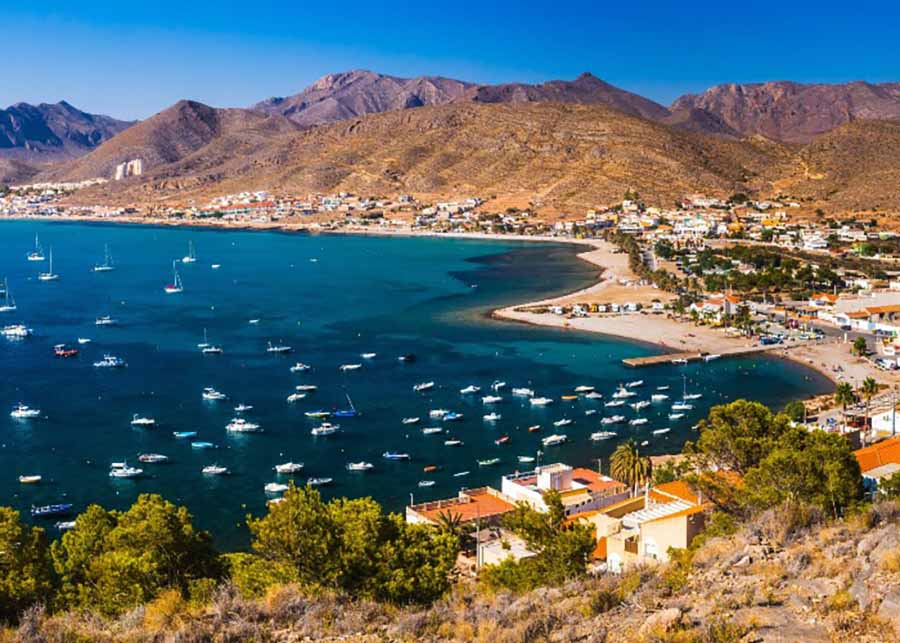
Murcia’s coastline, known as the Costa Cálida, beckons beach lovers. La Manga’s sandy shores and warm waters are perfect for swimming or sunbathing, while Águilas offers quieter coves like Playa de la Carolina. Families will enjoy Mazarrón’s shallow bays, ideal for children, with opportunities for snorkelling or paddleboarding along the coast.
History enthusiasts can wander the old town of Cartagena, where the Roman Theatre, uncovered beneath modern streets, reveals ancient architecture and a museum of artefacts. The city’s Naval Museum, housed in an 18th-century arsenal, explores Murcia’s maritime heritage. Lorca’s castle, a medieval fortress, provides insights into the region’s past with guided tours.
Outdoor pursuits thrive in Murcia’s diverse landscapes. The Sierra Espuña Regional Park offers hiking trails through pine forests and rugged peaks, with paths suitable for all levels. Cyclists can explore routes along the Segura River, while the Mar Menor lagoon provides calm waters for kayaking and sailing.
Food lovers will relish Murcia’s cuisine. Tapas bars in Murcia city, such as La Tapa, serve local dishes like zarangollo, a courgette and egg scramble, and ensalada murciana, a fresh tomato salad. The region’s markets, like Mercado de Verónicas, offer rice dishes and local wines, including Monastrell reds. Huerta de Murcia, the region’s fertile orchard, provides fresh fruits for tasting.
Cultural exploration continues in Caravaca de la Cruz, where the Sanctuary of the Vera Cruz combines history and spirituality. Its museum and fortified walls are worth a visit. Families will find Murcia welcoming, with free attractions like the Floridablanca Gardens and budget-friendly visits to the Salzillo Museum, showcasing intricate religious sculptures.
For a day trip, the village of Archena offers thermal baths for relaxation. Evening strolls through Murcia’s Plaza Cardenal Belluga, followed by dinner at a riverside restaurant, create a warm and inviting end to the day.
Murcia in the summer of 2026 promises a blend of history, coastal charm, and culinary richness. Whether exploring ancient theatres, hiking scenic trails, or savouring local tapas, visitors will find this Spanish region a rewarding destination.
The visit:
The Spanish province of Murcia, located in the southeast of the Iberian Peninsula, is an under-the-radar gem that offers a blend of rich history, vibrant culture, stunning natural landscapes, and a warm Mediterranean climate. Known as the “huerta of Europe” for its fertile lands and as the Costa Cálida for its balmy coastline, Murcia provides a diverse range of experiences for visitors seeking both relaxation and adventure.
Cultural and Historical Attractions: Murcia City
The capital, Murcia, is a walkable city with a youthful energy driven by its university population. Visitors can explore the historic Old Town, where pedestrianized streets like Calle Platería, Trapería, and Vidrieros reflect the city’s guild history. Key landmarks include:
- Murcia Cathedral (Santa María): A masterpiece of Spanish Baroque, built between 1394 and 1465, with a 92-meter bell tower blending Renaissance, Baroque, and Neoclassical styles. The Vélez Chapel, with its Flamboyant Gothic design, and the cathedral museum, featuring religious artifacts, are must-sees.
- Real Casino de Murcia: A historic private club with a Moorish-inspired courtyard, Neoclassical façade, and an English library. Open to the public for a small fee (€5 in 2024), it’s a cultural highlight with an informative audio guide.
- Santa Clara Monastery & Museum: Built on a Moorish alcazar, this site blends Islamic and Christian architecture, offering a glimpse into Murcia’s 500-year Islamic history. The central pool and gardens are particularly striking.
- Plaza de las Flores: A charming square with flower stalls, Art Nouveau buildings, and a bronze sculpture, “La niña de la Flores.” It’s ideal for people-watching and enjoying tapas at nearby bars.
Other cities:
- Cartagena: This ancient city, with over 2,500 years of history, hosts Roman ruins like the Roman Theatre and Forum, as well as the UNESCO-listed Monigotes Cave in Almadenes Canyon, featuring Neolithic rock art. Its port and maritime history add to its appeal.
- Lorca: Known for its Baroque architecture, Lorca Castle (a National Monument), and San Patricio Collegiate Church, this inland town reflects Murcia’s diverse heritage.
- Caravaca de la Cruz: The fifth Holy City of Catholic Christianity, famous for its Easter celebrations and the Sanctuary of the Vera Cruz, housing a revered relic.
Natural Beauty and Outdoor Activities
- Costa Cálida: Murcia’s 155-mile coastline offers diverse beaches, from the quiet coves of Cartagena to the white sands of San Pedro del Pinatar. Highlights include:
- La Manga del Mar Menor: A 22-km strip separating Europe’s largest saltwater lagoon from the Mediterranean, ideal for water sports like sailing, kitesurfing, and diving. The lagoon’s hyper-saline waters and therapeutic mud are renowned for wellness.
- Calblanque Natural Park: A pristine coastal park with cliffs, unspoilt beaches, and hiking trails, perfect for escaping overdeveloped tourist areas.
- Cabo Cope y Puntas de Calnegre Natural Park: Features secluded beaches like Percheles and Las Minas, offering a tranquil retreat.
- Sierra Espuña: A regional park with rugged peaks, lush forests, and trails for hiking, mountain biking, and rock climbing. Visitors can spot Spanish ibex, golden eagles, and explore historic snow wells (pozos de nieve).
- Almadenes Canyon: A dramatic gorge along the Segura River, ideal for rafting, hiking, and visiting the UNESCO-listed Monigotes Cave.
- Las Salinas y Arenales de San Pedro del Pinatar: A regional park with salt flats, dunes, and beaches, home to pink flamingos and migratory birds, perfect for birdwatching.
- Barrancos de Gebas: A semi-desert landscape with calcite and clay formations, resembling lunar badlands, offering unique hiking experiences.
- Ciudad Encantada de Bolnuevo: Unusual sandstone formations eroded by wind and water, creating a surreal backdrop for photos near Mazarrón.
Culinary Delights
- Murcia’s cuisine, rooted in its agricultural heritage, is a highlight for foodies. Known as Spain’s “market garden,” the region produces exceptional fruits, vegetables, and rice (notably Calasparra rice). Expect:
- Tapas: Local specialties include marinera (double breadstick with Russian salad and anchovy), ensaladilla rusa, and pulpo al horno (baked octopus). Plaza de las Flores is a prime spot for tapas bars like Bar Los Zagales or Restaurante Salzillo.
- Traditional Dishes: Pastel de carne (meat pie with tomato and egg), arroz caldero (cauldron rice with fish), and alcachofas de la abuela (artichokes with wine and pine nuts).
- Wines: Murcia’s Jumilla region produces robust Monastrell wines, best sampled at wineries or during the Yecla Tapas Trail, where tapas and wine cost around €2.
- Desserts: Tocino del cielo (egg yolk, sugar, and cream dessert) is a sweet treat at places like La Pequeña Taberna.
Festivals and Events
Murcia’s lively festivals are deeply rooted in tradition:
- Fiestas de Primavera (Spring Festival): Held in April/May, featuring processions, floral offerings, fireworks, and the iconic Batalla de las Flores and Entierro de la Sardina, celebrating Murcian heritage with parades and street parties.
- Holy Week: Particularly vibrant in Caravaca de la Cruz and Lorca, with elaborate processions showcasing sculptures by Francisco Salzillo.
- Cartagena Festival: A colorful celebration of the city’s Roman and Carthaginian history, typically held in September.
Relaxation and Wellness
- Thermal Springs: Murcia’s “spa route” includes the Balneario de Archena, a Roman-era spa with healing hot springs, indoor/outdoor pools, saunas, and affordable day passes, just 20 minutes from Murcia city.
- Beaches as Spas: The Mar Menor’s therapeutic mud and saline waters attract wellness seekers.
- Laid-Back Vibe: Unlike crowded destinations like Alicante or Málaga, Murcia offers a relaxed pace, with uncrowded beaches and plazas perfect for lingering over tapas and wine.
Accessibility and Climate
- Getting There: Murcia is served by Región de Murcia International Airport (Corvera), with direct flights from London, Birmingham, Manchester, Dublin, Barcelona, and Madrid. Alicante Airport, 50 minutes away, is another option.
- Climate: With over 3,000 hours of sunshine annually, Murcia enjoys hot summers (often above 40°C) and mild winters (average 18°C), making it ideal for year-round visits, especially off-season.
- Getting Around: Murcia city is walkable, while a rental car is recommended for exploring the coast, villages, and natural parks. Major highways connect the region.
Cultural and Tourism Initiatives
- Documentary Series on Murcia’s Coast: A new documentary series, announced in April 2026, will showcase the beauty of Murcia’s coastline, highlighting its underwater ecosystems, cultural heritage, and gastronomy. This project aims to boost tourism by promoting the Costa Cálida to a global audience.
- Intelligent Tourism System in Caravaca: Caravaca de la Cruz is among the first Spanish towns to implement a cutting-edge Intelligent Tourism System, enhancing visitor experiences through technology, such as digital guides and real-time information.
- Art Exhibitions: The Palacio Almudí in Murcia city will feature new works by local artist Galindo, aged 80, showcasing contemporary Murcian art.
Events and Festivals
- May 2026 Super Puente: The early May holiday period (Puente de Mayo) will feature a packed schedule of events across Murcia, including outdoor activities, cultural performances, and gastronomic festivals, as promoted by the region’s tourism board.
- Fiestas de Primavera Enhancements: The 2026 Spring Festival, including the Batalla de las Flores and Entierro de la Sardina (April 2026), will feature expanded programming to honor Murcian traditions, with larger parades and community events.
- Cartagena’s Continued Revival: Following a record 52,000 visitors to its 5-star Grand Hyatt resort in 2024, Cartagena is enhancing its cultural offerings for 2026, with new guided tours of Roman sites and expanded festival activities.
Infrastructure and Accessibility
- New Flight Connections: Corvera Airport is planning additional flight routes for 2026, improving access for international visitors.
- Digital Innovations: Murcia is adopting new technologies to enhance tourism, including one-minute video reconstructions of ancient sites and digital time-tracking for visitors, making exploration more immersive.
Sustainable Tourism
- Focus on Unspoilt Areas: Murcia is emphasizing its unspoilt beaches and natural parks, like Calblanque and Cabo Cope, to attract eco-conscious travellers. Efforts are underway to preserve these areas while promoting low-impact tourism.
- Cultural Preservation: The region is investing in maintaining its historic sites, such as the Almunia Real (Moorish remains) and the Santa Clara Museum, to ensure they remain accessible to visitors.
Real Estate and Expat Appeal
- Affordable Property Market: Murcia remains one of Spain’s most affordable regions for property, with villas averaging €369,900. In 2026, new developments in areas like Altaona Golf and San Pedro del Pinatar cater to expats and second-home buyers, boosting tourism infrastructure.
- Growing Expat Community: With a welcoming local population and English-speaking services, Murcia is becoming a hotspot for expats, supported by cultural exchange programs and language schools.
Traveller’s Tips for Visiting Murcia in 2026
- Timing: Spring (April-May) is ideal for festivals like Fiestas de Primavera, while autumn offers pleasant weather for outdoor activities. Off-season visits (winter) ensure fewer crowds and mild temperatures.
- Transportation: Rent a car to explore beyond Murcia city, as public transport to rural areas and beaches is limited. Book flights early for new 2026 routes to Corvera.
- Cultural Immersion: Learn basic Spanish phrases to enhance interactions, though many locals in tourist areas speak English. Check event schedules on turismodemurcia.es for festival updates.
- Sustainability: Support eco-friendly businesses and respect natural parks by sticking to marked trails. Avoid overdeveloped areas like parts of La Manga to experience Murcia’s authentic charm.
- Budget: Murcia is budget-friendly, with affordable dining (tapas from €2) and accommodation. Look for package deals combining city and coastal stays.
Murcia offers a refreshing alternative to Spain’s more touristy regions, combining historic cities, unspoilt beaches, and vibrant traditions without the crowds. In 2026, new initiatives like the coastal documentary, enhanced festivals, and improved accessibility make it an exciting time to visit. Whether you’re marveling at Baroque cathedrals, hiking in Sierra Espuña, or savouring arroz caldero by the Mar Menor, Murcia delivers an authentic Spanish experience with a modern twist.
Off the beaten path
The Spanish province of Murcia, located in the southeast of the Iberian Peninsula, is often overshadowed by its more famous neighbours like Valencia and Andalusia. However, this under-the-radar region offers a wealth of off-the-beaten-track locations and attractions that showcase its rich history, diverse landscapes, and authentic Spanish charm.
- Valle de Ricote (Ricote Valley): Known as the “Valle Morisco,” this scenic valley along the Segura River is dotted with small villages like Ricote, Archena, and Ojós, surrounded by citrus orchards and mountains. The valley retains its Moorish heritage, with remnants of Arab irrigation systems and architecture. Visitors can explore historic villages with narrow streets, visit the 13th-century Archena old town, or relax in the thermal baths of Balneario de Archena. The valley’s lush landscapes are perfect for leisurely walks, cycling, or photography, offering a peaceful escape from urban areas. The valley sees few foreign tourists, preserving its authentic, rural charm. It’s a glimpse into Murcia’s agricultural and Moorish past, far from the coastal resorts. Rent a car to navigate the valley’s villages. Visit in spring for blooming orchards or try local dishes like michirones (broad bean stew) at village restaurants.
- Cabo de Palos and Islas Hormigas Marine Reserve: Cabo de Palos, a small fishing village on the Costa Cálida, is home to the iconic 19th-century lighthouse, a site of Cultural Interest. The nearby Islas Hormigas Marine Reserve features volcanic seamounts and shipwrecks like El Naranjito (nicknamed for its cargo of oranges) and the SS Stanfield, making it a diver’s paradise. Divers can explore vibrant marine life, including Neptune Grass and colorful fish, in a protected reserve. On land, the village offers a retro 1970s vibe, fresh seafood at harbourside restaurants, and quiet beaches like Playa de Levante. The lighthouse provides stunning coastal views. Unlike La Manga’s busy resorts, Cabo de Palos remains a low-key destination, known mainly to divers and local fishermen. Its marine reserve is one of Spain’s best-kept secrets for underwater exploration. Book a dive with local centers like Divers Cabo de Palos. Visit the Sunday market for local produce and crafts. Non-divers can enjoy snorkeling or boat tours.
- Alhama de Murcia: This medieval spa town, located near the Sierra Espuña, hosts thermal baths dating back to Roman times, a Moorish fortress (Castillo de Alhama), and prehistoric cave paintings in the nearby Sierra de Espuña. Relax in the historic thermal baths, explore the 11th-century fortress with panoramic views, or hike to discover ancient rock art. The town’s old quarter features charming streets and the Iglesia de San Lázaro, a blend of Gothic and Renaissance styles. Alhama is overlooked by most tourists, offering a quiet, authentic experience steeped in history and natural beauty. Combine a visit with a hike in Sierra Espuña. Check the bath schedules at Balneario de Alhama, and try local wines from the nearby Jumilla region.
- Cehegín: A historic hilltop town in northwest Murcia, Cehegín is known for its medieval old town, with cobbled streets, ornate churches like Iglesia de la Magdalena, and the grand staircase of Calle del Agua. Wander through the well-preserved old town, visit the Archaeological Museum for Iberian and Roman artifacts, or explore the nearby Begastri ruins, an ancient Visigothic site. The town’s weekly market is vibrant, offering local cheeses, olives, and crafts. Cehegín’s remote location and lack of major tourist infrastructure keep it off most itineraries, making it a haven for those seeking authenticity. Visit during the September festivals for traditional music and dance. Pair with a wine-tasting tour in nearby Bullas, part of Murcia’s wine route.
- Sierra de la Tercia: This lesser-known mountain range in central Murcia offers rugged landscapes, deep valleys, and diverse flora and fauna, including rare orchids and birds like the Bonelli’s eagle. Ideal for hiking and nature lovers, the Sierra de la Tercia features trails through pine forests and limestone peaks, with breathtaking views of the surrounding plains. The range is also home to archaeological sites, including prehistoric settlements. Its remote location and minimal tourist facilities make it a hidden gem for outdoor enthusiasts seeking solitude. Bring sturdy hiking boots and a map, as trails may be unmarked. Visit in spring or autumn for mild weather, and pack a picnic to enjoy the scenery.
- Esparragal de Puerto Lumbreras: A rural hamlet in southern Murcia, Esparragal is surrounded by almond groves and rolling hills, offering a taste of traditional Murcian life. Experience warm local hospitality, savour homemade dishes like arroz caldero at family-run restaurants, and explore nearby trails leading to panoramic viewpoints. The hamlet’s annual festivals feature folk music and local crafts. Its small size and off-the-grid vibe make Esparragal a rare find, far from the coastal tourist trail. Stay in a casa rural (rural guesthouse) for an immersive experience. Visit during harvest season (February for almonds) for vibrant landscapes.
- Ciudad Encantada de Bolnuevo: Near Mazarrón, this geological wonder features surreal sandstone formations sculpted by wind and water over millennia, resembling an “enchanted city.” Walk among the bizarre rock shapes, perfect for photography, and enjoy nearby Playa de Bolnuevo, a quiet beach with clear waters. The site is free to visit and offers a unique contrast to Murcia’s typical coastal scenery. Despite its striking beauty, Bolnuevo remains lesser-known compared to Murcia’s mainstream beaches, attracting mainly locals and curious travellers. Visit at sunset for dramatic lighting. Pair with a trip to Mazarrón’s historic mines or a seafood lunch at a nearby beach bar.
- Barrancos de Gebas: A semi-desert landscape near Alhama de Murcia, Barrancos de Gebas features eroded calcite and clay formations, creating a lunar-like terrain ideal for hiking and photography. Explore trails through dramatic gullies and badlands, with views of the turquoise Embalse de Algeciras reservoir. The area is a haven for birdwatching, with species like the griffon vulture. Its remote location and rugged terrain deter mass tourism, offering a stark, otherworldly experience unique to Murcia. Wear sturdy shoes and bring water, as facilities are minimal. Visit in early morning or late afternoon to avoid heat and capture the best light.
- Isla Grosa and Volcanic Islands of Mar Menor: Isla Grosa, a volcanic island off the Mar Menor, is part of a protected marine reserve with other volcanic islets like Isla del Barón and Isla Perdiguera. These islands are known for their geological significance and biodiversity. Take a boat tour from La Manga or Los Alcázares to explore the islands’ clear waters, ideal for snorkeling and diving. Isla Grosa’s volcanic cliffs and seabird colonies are a highlight for nature enthusiasts. Access is limited to boat trips, keeping visitor numbers low. The islands are rarely featured in mainstream guides, preserving their pristine state. Book a guided eco-tour to learn about the volcanic history. Bring sunscreen and binoculars for birdwatching.
- Acequia Aljufía and Molino de Funes: This historic irrigation channel, dating back to Moorish times, stretches 10 km from the Contraparada dam to Murcia city. Along the route, the Molino de Funes (a restored watermill) and other heritage sites like bridges and tower houses offer a glimpse into Murcia’s agricultural past. Walk or cycle along the acequia, passing orchards, ermitas (small chapels), and the picturesque pantano (reservoir). The route is flat and family-friendly, with informative plaques about its history. Known mainly to locals, this cultural trail is a hidden gem for history buffs and those interested in Murcia’s huerta (market garden) heritage. Start early to avoid heat, and visit the nearby Huerta Museum for context. The trail is best explored in spring when the landscape is lush.
What’s New for 2026 in Murcia’s Off-the-Beaten-Track Scene
- Documentary Series: A new 2026 documentary will highlight Murcia’s coastline, including lesser-known spots like Cabo de Palos, promoting eco-tourism and underwater attractions.
- Intelligent Tourism in Caravaca: While Caravaca de la Cruz is a known pilgrimage site, its new Intelligent Tourism System for 2026 includes digital guides that highlight nearby off-the-beaten-track sites like Cehegín and Ricote Valley, enhancing access to hidden gems.
- Sustainable Tourism Push: Murcia is focusing on preserving unspoilt areas like Barrancos de Gebas and Calblanque Natural Park, with new eco-friendly trails and guided tours to attract conscious travellers.
- Digital Enhancements: New one-minute video reconstructions of historic sites, such as Moorish remains in Ricote Valley, will be available via tourism apps, making these locations more engaging for visitors.
Traveller’s Tips for Exploring Murcia’s Hidden Gems
- Transportation: A rental car is essential for reaching remote sites like Sierra de la Tercia or Esparragal. Murcia’s public transport suits city visits but is limited for rural areas.
- Timing: Spring (March-May) and autumn (September-November) offer mild weather and fewer crowds. Avoid summer heat for hiking in areas like Barrancos de Gebas.
- Local Engagement: Chat with locals at village bars or markets for insider tips. Murcia’s residents are known for their warmth and pride in their region.
- Sustainability: Respect natural areas by sticking to trails and supporting local businesses, such as casas rurales or small restaurants serving regional dishes like marinera (seafood tapa).
- Cultural Prep: Learn a few Spanish phrases, as English is less common in rural areas. Check turismodemurcia.es for updates on trails and events.
Murcia’s hidden attractions offer an authentic slice of Spain, blending natural beauty, ancient history, and local traditions without the commercial gloss of more popular destinations. From diving among volcanic wrecks in Cabo de Palos to wandering the Moorish valleys of Ricote, these spots reveal Murcia’s diverse soul. In 2026, enhanced eco-tourism efforts and digital tools make it an ideal time to discover this “unknown province” before it gains wider attention.
Spain region by region
Almería – Andalusia – Aragón – Asturias – Basque Country – Cádiz – Cantabria – Catalonia – Córdoba – Extremadura – Fuerteventura – Galicia – Gran Canaria – Granada – Huelva – Ibiza – Jaén – La Mancha – La Rioja – Lanzarote – León – Madrid – Majorca – Málaga – Menorca – Murcia – Navarra – Seville – Tenerife – Valencia –