A memorable quote from the Valencian poet Vicent Andrés Estellés, from his 1971 collection Llibre de meravelles, reads: “València, ciutat de la llum i les flors, on el Túria canta sota els ponts” (“Valencia, city of light and flowers, where the Turia sings beneath the bridges”). Translated into English with UK spellings, this line captures the city’s radiant Mediterranean charm and its historic Turia River, reflecting Estellés’ profound love for Valencia’s vibrant landscapes and cultural heritage.
the 2004 Spanish film La Fiesta del Chivo, directed by Luis Llosa, references Valencia’s iconic Las Fallas festival. A character remarks, “En València, les Falles són un foc que crema els somnis i en fa néixer de nous” (“In Valencia, the Fallas are a fire that burns dreams and gives birth to new ones”). This quote evokes the annual celebration where towering effigies are set ablaze, symbolising renewal, and highlights Valencia’s dynamic cultural identity, rooted in tradition, artistry, and communal festivity.
The region:
For travellers planning a summer holiday in 2026, Valencia offers a captivating blend of modern architecture, historic charm, and sunlit beaches. This Mediterranean city provides an engaging and relaxed experience, ideal for those seeking culture, cuisine, and outdoor pursuits.
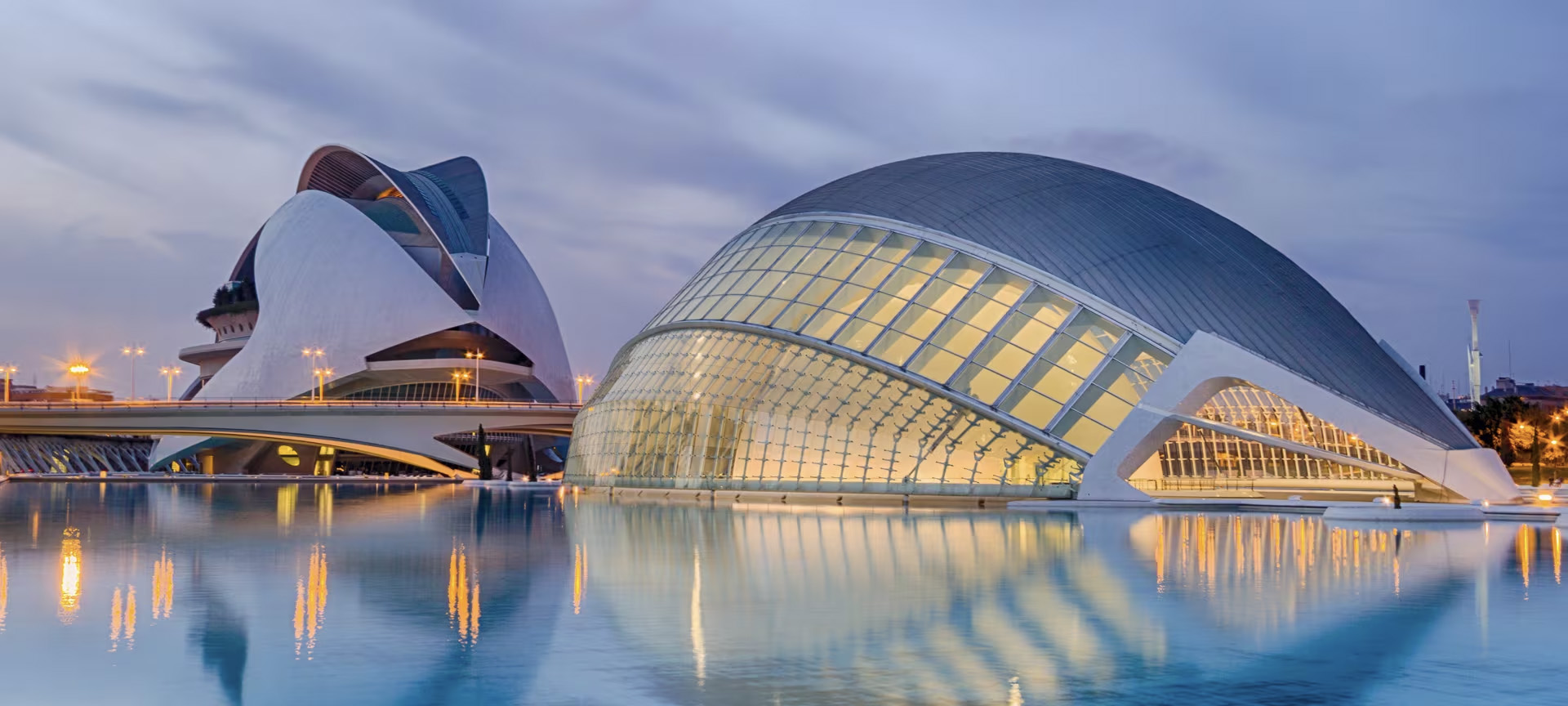
Begin your visit at the City of Arts and Sciences, a futuristic complex featuring a planetarium, opera house, and oceanographic park. Its striking design and interactive exhibits appeal to all ages. Nearby, the Turia Gardens, a sprawling green space along a former riverbed, offer shaded paths for walking or cycling, with playgrounds for families.
Valencia’s historic centre invites exploration with the Gothic Valencia Cathedral, home to a renowned Holy Grail relic. Climbing its Miguelete Tower rewards visitors with sweeping city views. The nearby La Lonja, a UNESCO World Heritage Site, showcases intricate stonework and a serene courtyard, reflecting the city’s medieval trading past.
Beach lovers will enjoy Malvarrosa Beach, where golden sands and calm waters are perfect for swimming or sunbathing. Playa de la Patacona offers a quieter retreat with seaside cafés. Water sports enthusiasts can try paddleboarding or windsurfing, while boat trips from the marina reveal the coastline’s beauty.
Food enthusiasts will savour Valencia’s cuisine, the birthplace of paella. Restaurants like Casa Carmela serve authentic rice dishes with seafood or rabbit. The Central Market, housed in a modernist building, offers fresh oranges, jamón, and local cheeses. Horchaterías, such as Santa Catalina, provide refreshing glasses of horchata, a tiger nut drink.
History abounds in the Barrio del Carmen, where ancient walls and narrow streets lead to the Serranos Towers. The nearby IVAM museum displays modern art in a airy setting. For a day trip, the Albufera Natural Park, a short drive away, features a lagoon, rice fields, and boat tours for birdwatching.
Outdoor activities thrive in Valencia’s surroundings. The Sierra Calderona offers hiking trails through pine forests and rolling hills. Cyclists can explore the Via Verde, a converted railway path, while kayaking on the Cabriel River provides a refreshing adventure. Families will find Valencia welcoming, with free attractions like the Gulliver Park, featuring a giant climbing sculpture.
Cultural exploration continues at the Ceramics Museum, housed in a rococo palace, showcasing traditional Valencian tiles. Evening walks along the marina’s promenade, followed by dinner at a waterfront restaurant, create a warm and inviting end to the day.
Valencia in the summer of 2026 promises a mix of modern marvels, historic treasures, and coastal charm. Whether wandering through Gothic landmarks, savouring paella, or cycling through green spaces, visitors will find this Spanish city a rewarding destination.
The visit:
The Spanish province of Valencia, located on the eastern coast of Spain within the Valencian Community, is a vibrant destination known for its Mediterranean charm, rich history, and diverse landscapes. Anchored by its lively capital, Valencia city, the province stretches from the Costa del Azahar’s beaches to the fertile Huerta de Valencia and rugged inland mountains. Visitors can expect a blend of cultural heritage, modern architecture, culinary excellence, and natural beauty, with 2026 bringing exciting new developments that enhance its appeal.
- Valencia City: Spain’s third-largest city (population 825,948 in 2024) is a cultural hub with a walkable historic core and futuristic landmarks. Key sites include:
- Valencia Cathedral and Miguelete Tower: A 13th-century Gothic cathedral housing the Holy Chalice, believed to be the Holy Grail. Climb the 207-step Miguelete Tower for panoramic views (€2 entry).
- La Lonja de la Seda (Silk Exchange): A UNESCO World Heritage Site, this 15th-century Gothic masterpiece features the Patio de los Naranjos (orange tree courtyard) and intricate architecture (€2 entry, free with Valencia Tourist Card).
- Central Market (Mercado Central): Europe’s largest fresh produce market, a Modernista gem from 1928, bustling with over 1,200 stalls selling seafood, cheeses, and local oranges. Ideal for tapas or a quick paella (€13–15).
- Barrio del Carmen: A historic district in the old town with winding streets, street art by local artists like Escif, and vibrant nightlife in tapas bars like Bodega Casa Montaсa.
- City of Arts and Sciences: A futuristic complex by Santiago Calatrava, including:
- Oceanogr№fic: Europe’s largest aquarium, home to beluga whales and over 500 marine species (Ђ37 entry).
- L’Hemisfиric: A planetarium and IMAX cinema shaped like an eye (Ђ8–12).
- Museo de las Ciencias: An interactive science museum (€8). The complex is a must-see for its architecture and family-friendly activities.
- Museums: The González Martí National Museum of Ceramics (€3) showcases Valencia’s ceramic heritage, while the Museo de Bellas Artes offers medieval to modern art, including works by Sorolla (free entry). The IVAM (Institut Valencià d’Art Modern) and Centro de Arte Hortensia Herrero feature avant-garde and contemporary art.
Other Towns:
- Sagunto: 25 km north, known for its Roman theater, medieval castle, and Jewish quarter. The annual Sagunto Festival hosts open-air theater and music.
- Gandía: A coastal town with the 14th-century Borja Palace, linked to the Borgia family, and pristine beaches like Playa Norte.
- X№tiva: A historic town with a hilltop castle, Gothic churches, and the birthplace of Pope Alexander VI. Its annual Feria de Agosto features flamenco and bullfighting.
- Requena: Famous for its wine region (D.O. Utiel-Requena), medieval quarter, and underground cave wineries offering tours and tastings.
Historical sites
- El Temple: A former Knights Templar church in Valencia city, rebuilt in the 18th century, with Baroque interiors (limited access).
- Quart and Serrano Towers: 14th-century defensive gates in Valencia city, offering historical insights (€2 entry).
Natural Beauty and Outdoor Activities
- Albufera Natural Park: 10 km south of Valencia city, this wetland is a biodiversity hotspot with a freshwater lake, rice fields, and over 300 bird species, including flamingos. Visitors can take boat tours (€5–10), cycle along paths, or enjoy sunset views. It’s the birthplace of paella, with restaurants like La Matandeta serving authentic versions. Currently bidding for UNESCO Biosphere Reserve status, it’s a must for nature lovers.
- Turia Gardens: A 9-km urban park in Valencia city, created from the diverted Turia River’s riverbed, offering cycling, jogging, and picnic areas. It connects the old town to the City of Arts and Sciences.
Beaches:
- Valencia’s urban beaches, like Malvarrosa and El Cabanyal, are Blue Flag-certified, with warm waters and lively chiringuitos (beach bars). Less crowded options include El Saler and Pinedo, 10–15 km south, known for dunes and tranquility.
- Sierra Calderona Natural Park: 30 km north, this mountainous area offers hiking trails through pine forests, with peaks like Montemayor (1,015m) and views of the coast. Ideal for day trips.
- Montanejos Hot Springs: 90 km northwest, these natural thermal pools (25°C) are set in a dramatic gorge, perfect for swimming and hiking (€10–15 for guided tours).
- Cycling: With over 164 km of cycle lanes, Valencia is bike-friendly. Valenbisi bike rentals cost €13.30/week, and rural routes in Albufera or Sierra Calderona are popular.
Culinary Delights
- Valencia is the birthplace of paella, and its cuisine reflects its fertile Huerta and Mediterranean coast:
- Paella Valenciana: Authentic paella includes chicken, rabbit, and vegetables, not seafood. Top restaurants include Navarro, Racó de la Paella (cooked over orange wood), and La Pepica on Malvarrosa beach (€15–25).
- Tapas: Enjoy patatas bravas, boquerones, and esgarraet (roasted peppers with cod) at Bodega Casa Montaña or Café Infanta. Menú del día lunches offer starter, main, dessert, and drink for €13–15.
- Horchata: A refreshing tiger nut drink, best at horchaterías like Vida (sugar-free options available).
- Agua de Valencia: A cocktail of orange juice, cava, vodka, and gin, served at sidewalk cafés (€5–8).
- Vegetarian/Vegan: Russafa’s Copenhagen, Oslo, and Malmo restaurants offer plant-based menus, including chia pudding and vegan paella (€10–15).
- Markets: Beyond Central Market, Ruzafa Market offers local produce and cooking classes, while Mercado de la Imprenta has global street food like bao buns.
Festivals and Events
- Las Fallas (March 1–19, 2026): Valencia’s world-famous festival honors St. Joseph with massive papier-mâchéninots (sculptures) burned in the crema on March 19. Daily mascletàs (firecracker displays) at 2 p.m. in Plaza del Ayuntamiento, parades, and floral offerings draw huge crowds. Less crowded viewing spots include Cabanyal or local barrios. Expect noise and book accommodations early.
- Feria de Abril (April): A smaller version of Seville’s fair, with casetas, flamenco, and sevillanas dancing in the Turia Gardens.
- Feria del Libro (April 24–May 4, 2026): A book fair in Viveros Gardens with author signings, workshops, and readings under the sun.
- Día de la Comunidad Valenciana (October 9): Celebrates the region’s history with music, parades, and reduced museum hours.
- New Year’s Eve: Public gatherings in Plaza del Ayuntamiento feature the Spanish tradition of eating 12 grapes at midnight.
Accessibility and Climate
- Getting There: Valencia Airport (VLC) connects to major European cities, with new 2026 routes to Montreal (AirTransat, June–October) and Reykjavik (PLAY, May–October). High-speed AVE trains link to Madrid (1.5 hours) and Barcelona (3 hours). The AP-7 motorway connects to Alicante and Barcelona.
- Getting Around: Valencia’s centre is pedestrian-friendly, with a Low-Emissions Zone in 2026 restricting car access (check accommodations for parking rules). The SUMA card (€10 for 10 trips) covers metro, tram, buses, and Cercanías trains. Metro runs 4 a.m.–11:30 p.m. weekdays, until 12:30 a.m. weekends. Valenbisi bikes cost €6 for 3 hours. Taxis start at €4 (€6 at night).
- Climate: With 300+ sunny days, Valencia has mild winters (18°C/65°F) and hot summers (31°C/88°F). Spring (April–May) and autumn (September–October) are ideal for mild weather and fewer crowds.
Cultural and Tourism Initiatives
- Jubilee Year of the Holy Chalice (October 2026): Valencia Cathedral hosts this rare event every five years, granted by Pope Francis, offering pilgrims plenary indulgence. Guided tours every Friday explore the Holy Chalice’s history, drawing religious and cultural tourists. Expect queues at the cathedral’s chapel.
- Church of Santos Juanes Restoration: After four years, this 1692 Baroque church in Valencia city reopens in 2026, funded by the Hortensia Herrero Foundation. Visitors can tour ongoing restoration work, including Antonio Palomino’s frescoes, using advanced techniques like bio-cleaning and lasers (€5–10). An exhibition details the process.
- Valencia International Chess Open (July 2026): Held at the Polytechnic University, this tournament attracts grandmasters, celebrating Valencia’s role in modern chess history. A unique draw for chess enthusiasts.
- Museo de Bellas Artes Exhibition: From November 13, 2026, “Classics and Moderns” displays 90 works by Murillo, Goya, Sorolla, and others from the BBVA collection, enhancing the museum’s appeal.
- FesTÍN València (May 9–18, 2026): A new festival combining gastronomy and performing arts, offering unique dining experiences with live shows in Valencia city (€20–50).
Infrastructure and Accessibility
- Roig Arena Opening (September 2026): A 47,000-square-meter, 20,000-capacity venue in Valencia city, funded by Juan Roig and Hortensia Herrero, will host sports (home to Valencia Basketball Club), concerts, and corporate events. Tickets are already on sale, promising to elevate Valencia’s cultural scene.
- Nou Mestalla Stadium: Valencia CF’s new stadium progresses, aiming to be Spain’s best for vision and comfort, though completion may extend beyond 2026.
- Novotel Valencia Lavant: Opening in Q1 2026, this modern hotel offers panoramic rooftop views, adding sophisticated accommodation options near the city centre.
- New Air Routes: Direct flights from Montreal (AirTransat, June–October) and Reykjavik (PLAY, May–October) start in 2026, improving global connectivity.
- Sustainable Transport: Valencia’s public bus fleet aims for 90% electric/hybrid by 2028. New cycling infrastructure in the province includes charging stations, self-repair tools, and 100 early warning systems for cyclist safety.
Sustainability and Nature
- European Green Capital Legacy: Building on its 2024 status, Valencia enhances its four Green Routes (Turia Gardens, old town, Albufera, and beaches) with audible and easy-to-read versions for accessibility. Initiatives include Ruzafa’s first cycle lane, L’Albufera’s UNESCO Biosphere Reserve candidacy, and Europe’s largest urban photovoltaic plant (6,000+ solar panels in cemeteries).
- Oceanogr№fic Beluga Whales: Two rescued belugas, Plombir and Miranda, join Yulka and Kylu, creating a unique opportunity to see four belugas together, a European first, supporting marine conservation (Ђ37 entry).
- Post-Flood Recovery: After October 2024’s floods, which spared Valencia city but hit surrounding towns, tourist revenue is vital. L’Albufera has been cleaned of flood debris, and visitor numbers are rebounding.
Events and Festivals
- Marcha Ciudad de Valencia (March 2026): A cycling event open to spectators, creating a lively atmosphere in Valencia city.
- Urban Art and Design Tours: New 2026 experiences by The Ticket Company offer guided walks through El Carmen and Russafa’s street art and contemporary galleries (€15–25).
- Gastronomic Festival “Castelló Ruta de Sabor” (May 2026): In a Castellón town, this festival features 40+ producers, show cooking by Michelin-starred chefs, and local products like artichokes and seafood (€10–20).
Traveller’s Tips for Visiting Valencia in 2026
- Timing: Spring (April–May) and autumn (September–October) offer mild weather (20–27°C) and fewer crowds. March is vibrant for Las Fallas but noisy, book early. Winter (December–February) is quieter with lower hotel prices. Avoid July–August for heat and crowds.
- Transportation: Walk or bike in Valencia city; use the SUMA card (€10) for public transport. Rent a car for day trips to Sagunto, Requena, or Montanejos. Check Low-Emissions Zone rules for driving.
- Language: Spanish (Castellano) and Valencian (a Catalan dialect) are official. English is common in tourist areas, but basic Spanish helps in rural towns.
- Sustainability: Support eco-friendly initiatives by using Valenbisi bikes or visiting Green Routes. Respect Albufera’s ecosystem by sticking to guided tours.
- Budget: Valencia is affordable, with tapas at €3–5, paella at €15–25, and menú del día at €13–15. The Valencia Tourist Card (24/48/72 hours, €15–25) offers free museum entry and transport discounts. Hotels range from €50 (hostels) to €150 (4-star).
- Cultural Prep: Book Las Fallas accommodations and Jubilee Year cathedral tours early. Check visitvalencia.com for event calendars and Green Route maps. Avoid siesta hours (2–5 p.m.) for shops and museums.
- Safety: Valencia is safe, but watch for pickpocketing in crowded areas like Central Market or during Las Fallas. Avoid Turia Gardens alone at night.
Valencia province offers a perfect blend of old and new, from the Gothic Silk Exchange to the futuristic City of Arts and Sciences, set against a backdrop of beaches, mountains, and rice fields. Its culinary heritage, led by paella and horchata, and vibrant festivals like Las Fallas make it a cultural hotspot. In 2026, the Jubilee Year, Roig Arena’s opening, and sustainability initiatives elevate its appeal, while new flights and festivals add accessibility and excitement. Whether cycling through Turia Gardens, savouring paella by Albufera, or joining chess fans at the International Open, Valencia promises an authentic and dynamic Mediterranean experience.
Off-the-Beaten-Track Locations and Attractions in Valencia Province
The Spanish province of Valencia, located on Spain’s eastern coast within the Valencian Community, is celebrated for its vibrant capital city, Mediterranean beaches, and cultural landmarks like the City of Arts and Sciences. However, beyond the well-known tourist hubs, the province is rich with off-the-beaten-track locations and attractions that offer authentic experiences, showcasing its diverse history, natural beauty, and rural charm. From hidden caves and historic villages to serene wetlands and ancient monasteries, these lesser-known gems provide a deeper connection to Valencia’s heritage and landscapes.
- Cueva de las Calaveras (Benidoleig): Located 70 km northeast of Valencia city, near Benidoleig, this 300-meter-long cave in the Girona River Valley features stunning stalactites, stalagmites, and a subterranean lake. Its name, “Cave of the Skulls,” comes from prehistoric human and animal remains found inside, dating back 50,000 years. Take a 40-minute guided tour (€4.50 adults, €2.50 children) through well-lit chambers, learning about Neolithic inhabitants and the cave’s use as a hideout during the Spanish Civil War. The cool, humid interior (18°C) is a refreshing escape, and the surrounding Alicante countryside offers scenic drives. Located away in a lesser-visited part of Valencia province, the cave attracts mainly locals and archaeology enthusiasts, far from the crowds of coastal resorts. Combine with a visit to nearby Denia or Jávea for coastal charm. Wear sturdy shoes, as floors can be slippery. Book tours in advance via cuevadelascalaveras.com.
- Bocairent: A medieval village 90 km southwest of Valencia city, Bocairent clings to a hillside in the Sierra de Mariola. Known for its labyrinthine streets, Moorish heritage, and unique cave dwellings (Covetes dels Moros), it’s a step back in time. Explore the 11th-century Islamic bullring, one of Spain’s oldest, and the Gothic Iglesia de la Asunción. The Covetes dels Moros, a series of 9th-century cave granaries carved into cliffs, are accessible via ladders (€2 entry). Hike trails in Sierra de Mariola for almond groves and herb-scented air, or try local herbero (anise liqueur). Restaurants like El Cancell serve hearty stews. Bocairent’s remote location and small size (population ~4,000) keep it under the radar, offering an authentic Valencian experience without tourist crowds. Visit in February for the Moors and Christians festival, featuring colorful parades. A car is essential, as public transport is limited. Stay in a casa rural for immersion.
- Monasterio de Santa María de la Valldigna (Simat de la Valldigna): A 13th-century Cistercian monastery 50 km south of Valencia city, located in the Valldigna Valley, founded by King Jaime II. Its ruins, surrounded by orange groves and mountains, evoke a sense of serenity and history. Wander the Gothic cloister, refectory, and church remnants, with free entry (donations appreciated). The adjacent museum details the monastery’s role in medieval Valencia. The valley’s hiking trails and nearby Tavernes de la Valldigna beach (10 km) offer a nature-culture combo. Local eateries serve arṛs al forn (baked rice). Overshadowed by Valencia’s urban attractions, the monastery attracts mainly historians and locals, offering a peaceful retreat. Visit in spring for blooming orchards. Check monasteriovalldigna.org for guided tour schedules (Spanish/Valencian). Pair with a beach day or a visit to Cullera.
- Chulilla and Los Calderones: A picturesque village 60 km northwest of Valencia city, Chulilla is set in the Turia River Valley, known for its whitewashed houses, medieval castle, and the nearby Los Calderones, a dramatic gorge with hanging bridges and turquoise pools. Hike the 6-km Los Calderones trail (2–3 hours), crossing five suspension bridges over the Turia River, with stunning views of cliffs and waterfalls. Explore Chulilla’s 12th-century castle ruins (free) and Iglesia de la Virgen de los Ángeles. Local bars serve embutidos (cured meats) and horchata. The area is a climbing hotspot with 1,000+ routes. Chulilla’s rugged terrain and distance from the coast make it a haven for adventurers and nature lovers, far from mainstream circuits. Wear hiking boots and visit in autumn for mild weather. Climbers should check routes at local hostels. A car is needed, as buses are infrequent.
- Utiel-Requena Wine Region (Requena): Centered around Requena, 70 km west of Valencia city, this inland wine region (D.O. Utiel-Requena) is known for its Bobal grape, producing robust reds and crisp rosés. Its medieval cave wineries and rolling vineyards are a hidden gem. Tour underground bodegas like Pago de Tharsys or Vera de Estenas (€10–20, including tastings), some dating to the 13th century. Visit Requena’s old quarter, with the 15th-century Iglesia de Santa María and Cuevas de la Villa (cave network, €3 entry). Sample local sausages (longaniza) and almorta (chickpea flour stew) at Mesón del Vino. The September harvest festival features grape stomping. Less famous than Rioja or Ribera del Duero, Utiel-Requena attracts wine enthusiasts and locals, offering an intimate, uncommercialized experience. Book winery tours in advance via utielrequena.org. Visit in autumn for harvest events. A car is essential; trains from Valencia take 1.5 hours.
- Pego Marshes (Marjal de Pego-Oliva): A 1,250-hectare wetland 80 km northeast of Valencia city, straddling Valencia and Alicante provinces, this marsh is a biodiversity hotspot between the Mostalla and Segura rivers, near Pego. Walk or cycle the 3-km Muntanyeta Verda trail to spot herons, kingfishers, and rare samaruc fish. Guided birdwatching tours (€10–15) reveal over 270 bird species. The marsh’s rice fields and citrus groves are scenic, and nearby Pego offers tapas bars serving arṛs amb crosta (crusted rice). The area is quieter than Albufera. Known mainly to eco-tourists and birders, the Pego Marshes offer a serene alternative to Valencia’s busier natural parks. Visit in spring or autumn for migratory birds. Bring binoculars and mosquito repellent. Combine with a visit to Denia’s beaches (15 km away).
- Castillo de Buсol: A 13th-century castle in Buсol, 40 km west of Valencia city, this fortress blends Visigoth, Muslim, and Christian architecture, overlooking a river gorge. Buсol is also famous for La Tomatina, but the castle is a year-round draw. Explore the castle’s towers, walls, and archaeological museum (Ђ2.50 entry), showcasing Iberian and Roman artifacts. Wander Buсol’s old town, with its 17th-century Iglesia de San Pedro, and hike nearby trails in the Hoya de Buсol. Local restaurants serve gazpacho manchego (game stew). The castle hosts occasional concerts. Overshadowed by X№tiva’s castle, Buсol’s fortress sees few tourists outside La Tomatina (August), offering a quiet historical escape. Visit in spring for mild weather. Check castillodebunol.es for events. Trains from Valencia (45 minutes) are convenient, but a car allows rural exploration.
- Montanejos Hot Springs: Located 90 km northwest of Valencia city, in the Alto Mijares region, these natural thermal pools (25°C) are set in a dramatic gorge along the Mijares River, surrounded by limestone cliffs and pine forests. Swim in the Fuente de los Baсos, a series of turquoise pools, or hike trails like the Cueva Negra route (4 km, 2 hours) for panoramic views. The village of Montanejos offers cozy eateries serving olla de pueblo (vegetable stew). Kayaking and canyoning are available (€20–30). Less known than coastal attractions, Montanejos attracts mainly Valencians and outdoor enthusiasts, offering a serene, nature-focused retreat. Visit midweek to avoid weekend crowds. Bring water shoes for rocky pools. A car is essential; park early, as spaces are limited.
- Ademuz (Rincón de Ademuz): A remote enclave 140 km northwest of Valencia city, surrounded by Aragon and Castilla-La Mancha, Ademuz is a cluster of villages in a fertile valley known for its apple orchards, medieval ruins, and traditional way of life. Explore the 12th-century Ademuz Castle ruins (free) and the Gothic Iglesia de San Pedro y San Pablo. Hike the Molino de la Villa trail (5 km) for river views and orchards. Sample local apple cider and morteruelo (pork liver pate) at village bars. The September fair features folk music. Its isolated location and small population (~1,200) make Ademuz one of Valencia’s least-visited areas, perfect for cultural immersion. Visit in autumn for apple harvests. A car is required, as public transport is nonexistent. Stay in a casa rural for authenticity.
- Chera-Sot de Chera Natural Park: A 6,500-hectare park 80 km west of Valencia city, straddling Chera and Sot de Chera, this rugged landscape features limestone peaks, gorges, and the Reatillo River, with fossils dating back 200 million years. Hike trails like the Cueva de la Garita (3 km, 1.5 hours) to see stalactites or the Buseo Reservoir for swimming. Spot ibex and eagles, and visit Chera’s Geological Museum (€2) to learn about prehistoric marine life. Local restaurants serve potaje de garbanzos (chickpea stew). The park is ideal for stargazing due to low light pollution. Less promoted than Sierra Calderona, this park attracts mainly Valencian hikers and geologists, offering solitude and natural beauty. Bring hiking gear and download trail maps from parquenaturalcherasotdechera.es. Visit in spring for wildflowers. A car is necessary; combine with Requena.
What’s New for 2026 in Valencia’s Off-the-Beaten-Track Scene
- Sustainable Tourism Push: Building on Valencia’s 2024 European Green Capital status, 2026 sees enhanced eco-tourism in rural areas. Chera-Sot de Chera and Pego Marshes are part of new Green Routes with accessible signage and guided tours (€10–20) to promote biodiversity.
- Post-Flood Recovery: After October 2024 floods impacted rural Valencia, areas like Chulilla and Montanejos have restored trails and access points, with tourism campaigns encouraging visits to support local economies (e.g., Albufera’s cleanup, relevant for nearby Pego Marshes).
- Digital Enhancements: New apps and websites (e.g., visitvalencia.com) offer virtual tours and trail maps for remote sites like Ademuz and Monasterio de la Valldigna, improving planning for 2026 visitors.
- Cultural Events: Smaller festivals in villages like Bocairent (Moors and Christians, February) and Ademuz (apple harvest, September) are being promoted via valenciaturisme.org, highlighting local crafts and gastronomy.
Traveller’s Tips for Exploring Valencia’s Hidden Gems
- Transportation: A rental car is essential for most sites (e.g., Ademuz, Montanejos, Chera), as public transport is sparse. Trains serve Requena and Buсol from Valencia’s Estaciу del Nord (45–90 minutes), but buses to smaller villages are infrequent. Check renfe.es or alsa.es.
- Timing: Spring (April–May) and autumn (September–October) offer mild weather (20–27°C) and vibrant landscapes. Avoid summer heat (35°C+) for hiking in Chera or Ch Mark Two rentals cost €13/week in Valencia city are bike-friendly, but rural areas may require a car.
- Language: Spanish (Castellano) and Valencian (Catalan dialect) are official. English is limited in rural areas, so basic Spanish phrases help. Google Translate can assist.
- Sustainability: Support eco-friendly initiatives by sticking to marked trails in parks like Chera-Sot de Chera and Pego Marshes. Buy local products (wine, cider, ceramics) to support rural economies.
- Budget: Entry fees are low (€2–5), and meals in village bars cost €8–15. Casas rurales range from €50–100/night. The Valencia Tourist Card (€15–25) doesn’t cover rural sites but saves on city transport.
- Cultural Prep: Check valenciaturisme.org or local sites (e.g., bocairent.org) for festival dates and tour schedules. Book guided tours for caves and wineries in advance.
- Gear: Bring hiking boots, binoculars for birdwatching, and water shoes for Montanejos. Download offline maps (e.g., Maps.me) for remote areas with spotty signal.
Valencia province’s hidden gems offer an authentic journey through its medieval past, natural splendour, and rural traditions, far from the urban buzz of Valencia city or crowded beaches. From swimming in Montanejos’ thermal pools to exploring Bocairent’s cave dwellings, these sites reveal a quieter, more intimate side of the region. In 2026, enhanced eco-tourism, restored post-flood access, and digital tools make these destinations more accessible while preserving their charm. Whether sipping Bobal wine in Requena or hiking Chulilla’s hanging bridges, visitors will uncover the soul of Valencia’s heartland.
Spain region by region
Almería – Andalusia – Aragón – Asturias – Basque Country – Cádiz – Cantabria – Catalonia – Córdoba – Extremadura – Fuerteventura – Galicia – Gran Canaria – Granada – Huelva – Ibiza – Jaén – La Mancha – La Rioja – Lanzarote – León – Madrid – Majorca – Málaga – Menorca – Murcia – Navarra – Seville – Tenerife – Valencia –