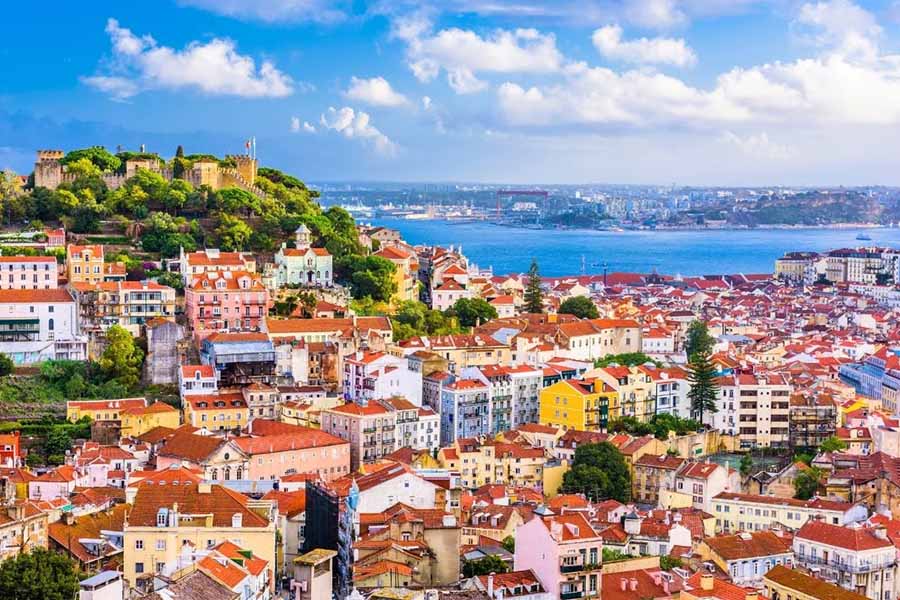
Lisbon, the capital of Portugal, offers a captivating gastronomy tourism experience that celebrates its rich culinary heritage. The region’s cuisine, shaped by its coastal location and historic trade routes, invites visitors to savour fresh seafood, traditional pastries, and local wines. From bustling markets to charming eateries, Lisboa provides an authentic taste of Portuguese culture.
Lisbon’s food scene shines through iconic dishes like bacalhau à Brás, a comforting blend of cod, eggs, and potatoes, or amêijoas à Bulhão Pato, clams cooked in a garlicky white wine sauce. Visitors can join cooking workshops in neighbourhoods like Alfama or Bairro Alto to learn these recipes, guided by local chefs who share insights into regional ingredients. These hands-on sessions offer a chance to master Portuguese classics.
Markets such as Mercado da Ribeira in Cais do Sodré brim with fresh produce, from glistening sardines to creamy cheeses and ripe figs. Guided tours through these markets allow travellers to sample pastéis de nata, Portugal’s famous custard tarts, or queijo de Azeitão, a buttery sheep’s milk cheese. These experiences showcase the agricultural and maritime bounty of the Lisboa region.
Dining in Lisbon spans traditional and modern. In historic taverns, visitors can enjoy hearty dishes like cozido à portuguesa, a stew of meats, sausages, and vegetables, often paired with a glass of Alentejo red. For those seeking contemporary flair, restaurants in areas like Chiado offer creative takes on classics, such as octopus with smoked paprika or grilled sea bass with citrus. Petiscos bars, serving small plates of piri-piri prawns or chorizo, provide a relaxed way to explore local flavours.
The Lisboa region’s wine culture thrives in areas like Colares, where vineyards produce distinctive reds from Ramisco grapes grown in sandy soils. Estates such as Adega Regional de Colares welcome visitors for tastings, often paired with local cheeses or cured meats. These tours offer a glimpse into the region’s winemaking traditions, set against scenic coastal landscapes.
Beyond the city, rural excursions in the Lisboa region reveal its culinary roots. Tours to orchards in the Oeste area or olive groves near Setúbal allow visitors to learn about fruit and oil production, with tastings of sweet oranges or peppery olive oils. These outings connect travellers with the land, showcasing the ingredients that define Lisbon’s cuisine.
Accommodation options cater to food enthusiasts, with hotels in central Lisbon offering packages that include cooking classes or curated dining experiences. Boutique guesthouses near markets like Mercado de Campo de Ourique provide easy access to fresh ingredients, while self-catering apartments allow visitors to experiment with local recipes. Many properties collaborate with tour operators to craft seamless gastronomic itineraries.
Lisbon’s infrastructure supports its culinary tourism with ease. The city’s metro, trams, and buses connect key food destinations, from markets to waterfront restaurants. Bicycle paths and pedestrian-friendly streets in areas like Belém offer leisurely ways to explore culinary spots. Lisbon’s international airport provides convenient access for travellers arriving from abroad.
The blend of coastal, urban, and rural culinary traditions in Lisboa creates a welcoming destination for food lovers. Whether savouring a warm pastel de nata, tasting wines in Colares, or exploring a bustling market, the region offers a flavourful journey through Portugal’s capital.
Portugal region by region
Açores – Alentejo – Algarve – Centro de Portugal – Lisboa – Madeira – Oeste e Vale do Tejo – Península de Setúbal – Porto e Norte
Spain region by region
Almería – Andalusia – Aragón – Asturias – Basque Country – Cádiz – Cantabria – Catalonia – Córdoba – Extremadura – Fuerteventura – Galicia – Gran Canaria – Granada – Huelva – Ibiza – Jaén – La Mancha – La Rioja – Lanzarote – León – Madrid – Majorca – Málaga – Menorca – Murcia – Navarra – Seville – Tenerife – Valencia –