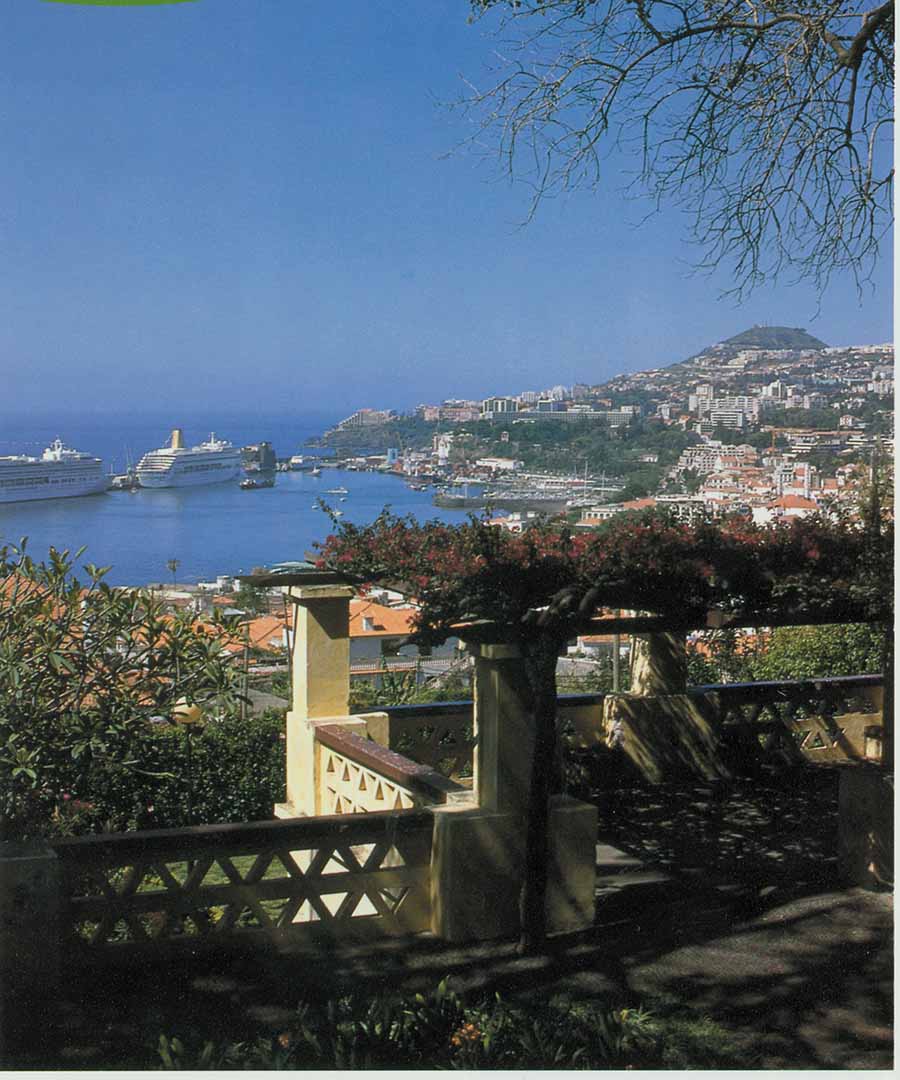
Madeira, Portugal’s lush Atlantic island, offers a delightful gastronomy tourism experience that celebrates its unique blend of island and mainland influences. The region’s cuisine, shaped by its subtropical climate and oceanic bounty, invites visitors to savour fresh seafood, tropical fruits, and robust wines. From bustling markets to cosy eateries, Madeira provides an authentic taste of its culinary heritage.
Madeira’s food culture shines through dishes like espetada, skewered beef grilled over bay wood, often served with milho frito, crispy polenta cubes. Visitors can join cooking workshops in Funchal to learn these recipes or master bolo do caco, a flatbread cooked on a basalt stone and slathered with garlic butter. These hands-on sessions, led by local chefs, offer insight into the island’s culinary traditions.
Markets, such as Funchal’s Mercado dos Lavradores, brim with exotic produce, from custard-like anonas to sweet bananas and passion fruit. Guided tours through these markets allow travellers to sample regional specialities like black scabbardfish with banana, a surprising yet harmonious dish, or Queijo da Ilha, a local cheese. These experiences showcase Madeira’s agricultural and maritime riches.
Dining on the island spans rustic and refined. In coastal villages like Câmara de Lobos, tavernas serve fresh lapas, grilled limpets drizzled with lemon, or tuna steaks paired with local wines. For those seeking modern flair, restaurants in Funchal blend island ingredients with creative techniques, offering dishes like octopus carpaccio or pork with Madeira wine sauce. Petiscos bars, with small plates of marinated sardines or roasted octopus, provide a relaxed way to enjoy local flavours.
Madeira’s wine culture, centred on its famous fortified wine, draws visitors to estates like Blandy’s in Funchal. Tastings of Madeira wine, ranging from dry Sercial to sweet Malvasia, are often paired with local honey cake or cheeses. Vineyards in areas like Estreito de Câmara de Lobos also produce table wines, with tours offering a glimpse into the island’s steep, terraced viticulture.
The island’s rural landscapes enhance its culinary appeal. Tours to banana plantations or sugarcane farms reveal the origins of Madeira’s produce, with tastings of tropical fruits or poncha, a potent mix of sugarcane spirit, honey, and lemon. These outings connect travellers with the land, showcasing the ingredients that define the island’s cuisine.
Accommodation options cater to food enthusiasts, with hotels in Funchal offering packages that include cooking classes or curated dining experiences. Boutique guesthouses near markets provide easy access to fresh ingredients, while self-catering villas allow visitors to experiment with Madeiran recipes. Many properties partner with tour operators to create seamless gastronomic itineraries.
Madeira’s infrastructure supports its culinary tourism with efficiency. Well-maintained roads and cable cars connect Funchal to rural areas, making it easy to visit markets, restaurants, or vineyards. Walking trails, such as the levada paths, offer scenic routes to food destinations. The island’s international airport in Santa Cruz provides convenient access for travellers arriving from abroad.
The blend of subtropical bounty and Portuguese tradition in Madeira creates a welcoming destination for food lovers. Whether savouring espetada under laurel trees, tasting fortified wines, or exploring a bustling market, the island offers a flavourful journey through its unique culinary soul.
Portugal region by region
Açores – Alentejo – Algarve – Centro de Portugal – Lisboa – Madeira – Oeste e Vale do Tejo – Península de Setúbal – Porto e Norte
Spain region by region
Almería – Andalusia – Aragón – Asturias – Basque Country – Cádiz – Cantabria – Catalonia – Córdoba – Extremadura – Fuerteventura – Galicia – Gran Canaria – Granada – Huelva – Ibiza – Jaén – La Mancha – La Rioja – Lanzarote – León – Madrid – Majorca – Málaga – Menorca – Murcia – Navarra – Seville – Tenerife – Valencia –