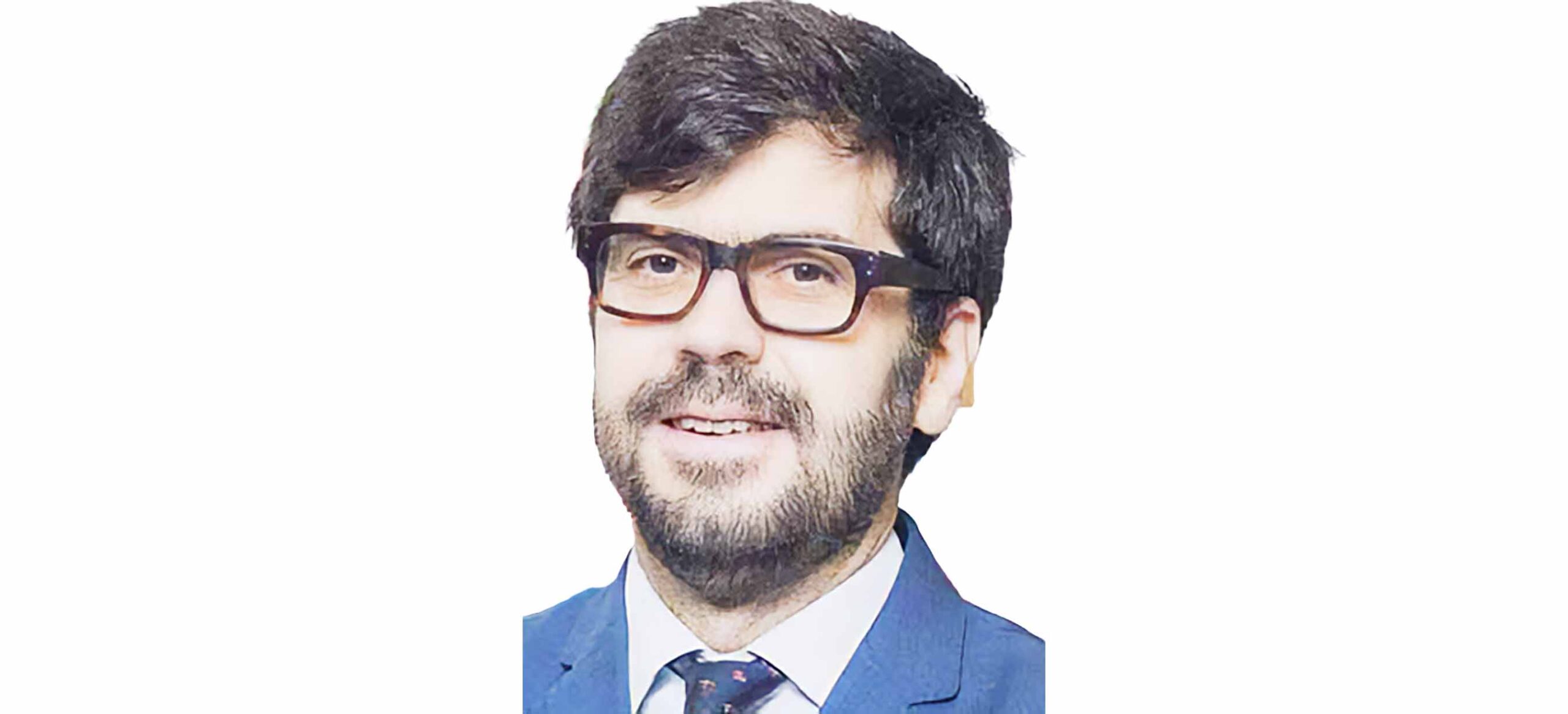
The FLY AI Event 2026 took place on 12–13 November 2026 at the EUROCONTROL Innovation Hub in Brétigny-sur-Orge, France. The forum gathered aviation stakeholders alongside notable speakers such as Laurent Renou, Sacha Izadi (Mistral AI), Erki Must (European Commission), Peter Choroba, and Paolino De Falco
- The event centered around updating the FLY AI Report, which is transitioning into a primary strategic reference guide for artificial intelligence adoption across air traffic management (ATM).
- Representatives from the European Commission and French AI firm Mistral AI highlighted the strategic importance of sovereign European AI innovation and cross-industry collaboration for the future of Europe’s skies. Key Operational & Technical Themes
- Operational organisations, including IATA, Frequentis, Austro Control, and DLR, shared practical lessons learned from moving AI prototypes out of simulation and into live airport and airspace operations.
- Participants showcased real-world AI and machine learning (ML) success stories, deployment lessons, and validation results aimed at predicting flight delays, reducing airport congestion, and improving airspace management.
- Dedicated workshops and sessions explored how human controllers and AI systems collaborate safely and effectively in operational environments.
- According to EUROCONTROL Head of ATM Infrastructure Paul Bosman, aviation has moved past “demystifying” AI over the last five years and is now accelerating toward tangible operational benefits in air traffic flow, cybersecurity, and data analysis.
- Industry leaders showcased tools designed to forecast delays and prevent airspace bottlenecks before they occur. Highlights included Indra’s Holistic Flight Predictor, ENAV’s dynamic airspace configuration, and Leonardo’s SkAINet DCB Solver for balancing flight demand against airspace capacity.
- Rather than replacing air traffic controllers, sessions emphasized keeping human professionals at the center of decision-making. Demonstrations featured digital assistants, speech-to-text readback error detection (Airbus Protect / IRT Saint Exupéry), and situational awareness tools from organizations like DFS, CRIDA, and the University of Zagreb.
- AI. Discussions moderated by the European Union Aviation Safety Agency (EASA) alongside EUROCAE and Thales CortAIx Lab addressed the critical hurdles of certifying AI systems, adhering to emerging standards (such as ED-324), and ensuring safety in high-stakes aviation environments.
- A primary objective of the two-day gathering was collaboratively revising the FLY AI Report through interactive break-out sessions. The updated report is evolving into a foundational strategic reference for European AI adoption, with final publication targeted for Q1 2027.