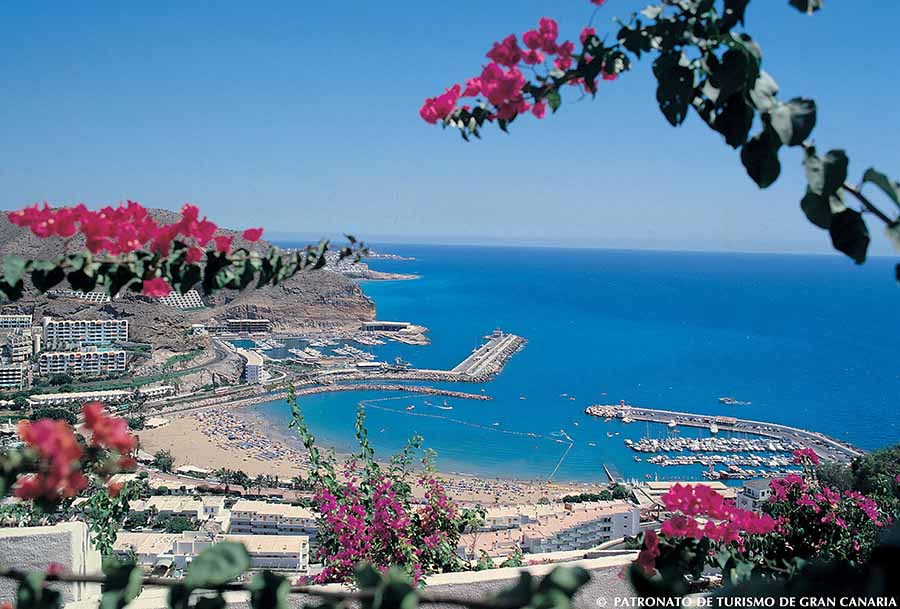
Gran Canaria, a sun-soaked island in Spain’s Canary Islands, invites travellers to explore its diverse landscapes, from sandy beaches to volcanic peaks, through sustainable practices. With its blend of natural beauty and cultural heritage, this region offers eco-conscious travel options that respect the environment and support local communities.
Accommodations in Gran Canaria cater to green-minded visitors. Eco-lodges in areas like the Roque Nublo region use renewable energy, such as solar and wind power, and prioritise water conservation. Certified eco-hotels in towns like Las Palmas focus on energy efficiency and waste reduction, ensuring a low environmental footprint. Many properties incorporate locally sourced materials, combining comfort with sustainability.
The island’s natural spaces encourage low-impact exploration. The Tamadaba Natural Park provides hiking and cycling trails that allow visitors to discover its pine forests and cliffs responsibly. Guided tours promote conservation, sharing knowledge about local ecosystems. Coastal activities, such as snorkelling or kayaking around Maspalomas, follow eco-friendly guidelines to protect marine habitats.
Sustainable transport enhances the travel experience. Las Palmas offers bike-sharing schemes, enabling car-free exploration of its waterfront and historic areas. Public buses, increasingly powered by cleaner fuels, connect towns like Puerto de Mogán with rural areas, reducing emissions. Electric vehicle charging stations across the island support eco-conscious travel for those with rental cars.
Food enthusiasts can enjoy Gran Canaria’s sustainable culinary scene. Restaurants source organic ingredients from local farms, with markets in places like Teror showcasing seasonal produce. Farm-to-table dining experiences feature traditional dishes like gofio, supporting small-scale producers. Vineyards in the Monte Lentiscal region offer tours focused on organic winemaking, blending tastings with environmental care.
Community initiatives enrich the experience. In rural areas like Tejeda, travellers can join workshops on sustainable agriculture or traditional crafts, fostering a connection with local culture. Beach clean-up activities along Playa de Amadores engage visitors in preserving Gran Canaria’s pristine shores.
Gran Canaria blends natural splendour with sustainable practices. By choosing eco-friendly accommodations, low-impact activities, and local businesses, travellers can enjoy the island’s treasures while helping to protect them.
Spain region by region
Almería – Andalusia – Aragón – Asturias – Basque Country – Cádiz – Cantabria – Catalonia – Córdoba – Extremadura – Fuerteventura – Galicia – Gran Canaria – Granada – Huelva – Ibiza – Jaén – La Mancha – La Rioja – Lanzarote – León – Madrid – Majorca – Málaga – Menorca – Murcia – Navarra – Seville – Tenerife – Valencia –