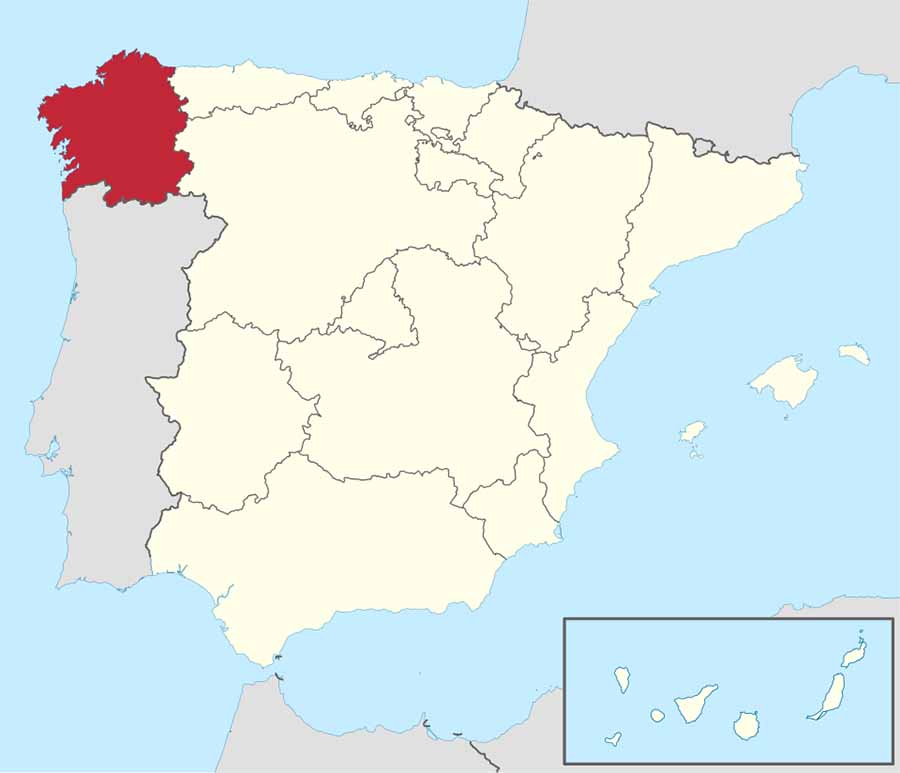
Accommodations in Galicia cater to green-minded visitors. Rural guesthouses in areas like the Ancares Mountains use renewable energy sources, such as solar and wind power, and prioritise water conservation. Eco-certified hotels in cities like Santiago de Compostela and A Coruña focus on energy efficiency and waste reduction, ensuring a low environmental footprint. Many properties incorporate locally sourced materials, blending comfort with sustainability.
The region’s natural spaces encourage low-impact exploration. The Fragas do Eume Natural Park offers hiking and cycling trails that allow visitors to discover its ancient forests and rivers responsibly. Guided tours promote conservation, sharing insights into local ecosystems. Coastal activities, such as kayaking or shellfish gathering along the Rías Baixas, follow eco-friendly guidelines to protect marine habitats. Sustainable transport enhances the travel experience. Cities like Vigo provide bike-sharing networks, enabling car-free exploration of urban and coastal areas. Public buses, increasingly powered by cleaner fuels, connect rural villages like O Grove with urban centres, reducing emissions. Galicia’s train network, linking major cities and coastal towns, offers an energy-efficient way to travel.
Food enthusiasts can enjoy Galicia’s sustainable culinary scene. Restaurants source organic ingredients from local farms, with markets in places like Pontevedra showcasing seasonal produce. Farm-to-table dining experiences feature traditional dishes like pulpo a la gallega, supporting small-scale producers. Wineries in the Ribeira Sacra region offer tours focused on organic practices, blending wine tasting with environmental care.
Community initiatives enrich the experience. In rural areas like Costa da Morte, travellers can join workshops on sustainable fishing or traditional crafts, fostering a connection with local culture. Beach clean-up activities along the Cíes Islands engage visitors in preserving Galicia’s pristine shores.
Galicia combines natural beauty with sustainable practices. By choosing eco-friendly accommodations, low-impact activities, and local businesses, travellers can enjoy the region’s treasures while helping to protect them.
Spain region by region
Almería – Andalusia – Aragón – Asturias – Basque Country – Cádiz – Cantabria – Catalonia – Córdoba – Extremadura – Fuerteventura – Galicia – Gran Canaria – Granada – Huelva – Ibiza – Jaén – La Mancha – La Rioja – Lanzarote – León – Madrid – Majorca – Málaga – Menorca – Murcia – Navarra – Seville – Tenerife – Valencia –