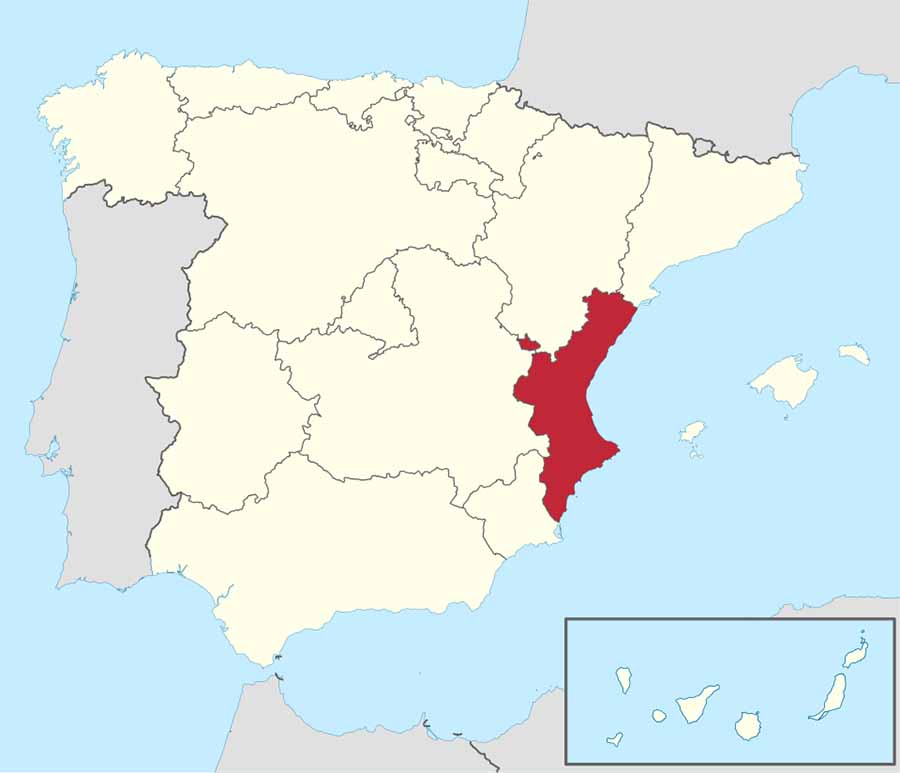
Valencia, perched along Spain’s eastern coast, offers a captivating gastronomy tourism experience that blends Mediterranean traditions with innovative flair. The city’s food culture, rooted in its fertile lands and coastal bounty, draws visitors eager to explore its iconic dishes and lively markets. From the birthplace of paella to contemporary dining spots, Valencia provides a warm invitation to discover its culinary treasures.
Valencia’s gastronomic reputation rests heavily on paella, the saffron-infused rice dish born in the nearby Albufera region. Visitors can join cooking workshops to learn the art of crafting this classic, using local ingredients like Bomba rice and fresh seafood under the guidance of skilled chefs. These sessions often extend to other regional specialities, such as fideuà, a noodle-based dish, offering hands-on insight into Valencian traditions.
The city’s markets, like the historic Mercado Central, brim with fresh produce, from juicy oranges to glistening seafood. Shoppers can wander through aisles of local cheeses, cured meats, and horchata, a refreshing drink made from tiger nuts. Guided market tours provide a chance to sample these delights while learning about Valencia’s agricultural heritage, with vendors sharing stories of their craft.
Dining in Valencia spans rustic and refined. Traditional eateries in areas like El Cabanyal serve hearty dishes such as all i pebre, a spicy eel stew, or suquet de peix, a rich fish broth. For those seeking modern interpretations, restaurants in the city centre blend local ingredients with creative techniques, pairing dishes with wines from nearby Utiel-Requena. Tapas bars also thrive, offering small plates of croquetas, patatas bravas, or grilled cuttlefish, often enjoyed with a glass of Valencian mistela.
Beyond the city, Valencia’s surrounding region beckons with culinary adventures. The Albufera lagoon, a short trip away, offers tours where visitors can explore rice fields and enjoy paella in its place of origin. Vineyards in the Requena area welcome wine enthusiasts for tastings of Bobal and Cava, often paired with local cheeses or almonds. These rural outings showcase the land’s role in shaping Valencia’s cuisine.
Accommodation options cater to food lovers, with hotels in the city centre offering packages that include cooking classes or curated dining experiences. Boutique guesthouses near markets provide easy access to fresh ingredients, while self-catering apartments allow visitors to experiment with recipes using purchases from local stalls. Many establishments partner with tour operators to create seamless gastronomic itineraries.
Valencia’s infrastructure supports its culinary tourism with efficiency. The city’s tram and metro systems connect key food destinations, from markets to waterfront restaurants. Bicycle lanes and pedestrian-friendly streets make it easy to explore neighbourhoods like Ruzafa, known for its eclectic dining scene. For those arriving by air, Valencia’s airport offers convenient links to the city, ensuring a smooth start to any food-focused journey.
The region’s agricultural heart shines through in its orchards and vineyards, where visitors can join tours to learn about orange cultivation or olive oil production. These experiences often include tastings, allowing travellers to appreciate the quality of Valencian produce. Coastal routes also pair fresh seafood with scenic views, creating a perfect blend of food and landscape.
Valencia’s gastronomy tourism weaves together tradition and modernity, inviting visitors to taste its heritage through every dish.
Spain region by region
Almería – Andalusia – Aragón – Asturias – Basque Country – Cádiz – Cantabria – Catalonia – Córdoba – Extremadura – Fuerteventura – Galicia – Gran Canaria – Granada – Huelva – Ibiza – Jaén – La Mancha – La Rioja – Lanzarote – León – Madrid – Majorca – Málaga – Menorca – Murcia – Navarra – Seville – Tenerife – Valencia –