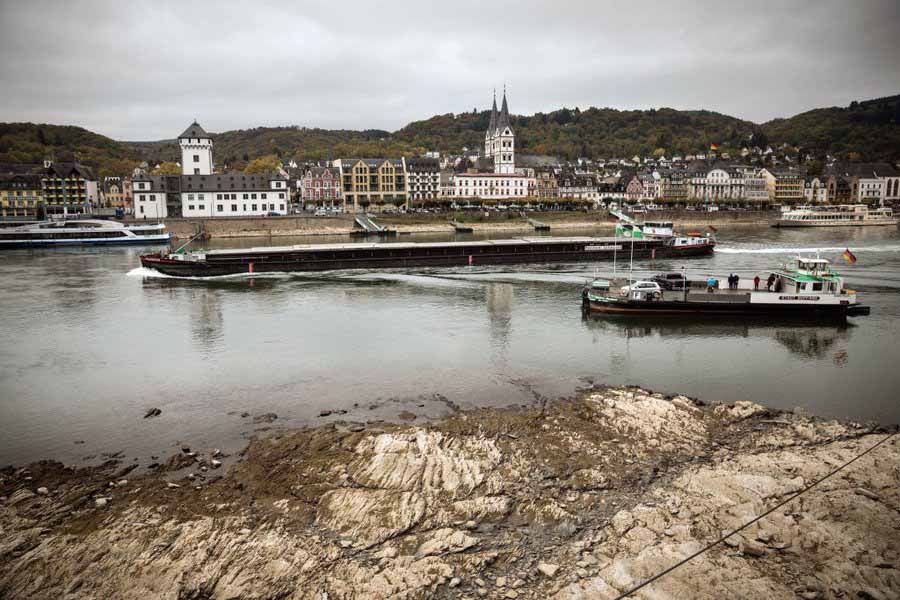
As the Danube has reached its lowest level in decades, exposing a freight ship that sank in 1936, river cruise operators are facing difficult choices. Other European rivers are also facing water shortages, meaning cruise lines have to organise land based alternatives, transfers and ship swaps.
The situation along the Danube and connected waterways has created operational complexities for the river cruise sector this summer. Water levels at key measuring stations in Hungary and Romania have dropped to points close to historical lows with records from Budapest showing figures within centimetres of previous minima. In Croatia the exposure of the wreck from the 1930s has drawn attention from historians and local authorities who confirmed plans for further surveys of the site. Such events bring a mix of public interest and practical disruption to commercial navigation.
River cruise companies have revealed adjustments to itineraries on multiple routes to maintain services where possible. Operators organise coach transfers for sections where vessels cannot proceed due to shallow depths and implement ship swap procedures that allow passengers to continue journeys with minimal interruption. These measures require coordination across fleets and involve additional costs that affect margins in an industry reliant on precise scheduling and guest satisfaction. The Rhine has experienced parallel shortages in parts of Germany leading to similar adaptations for cruises that link the river systems through canals and tributaries.
The broader pattern of water shortages across European rivers stems from extended periods of reduced rainfall combined with high temperatures that increase evaporation rates. Authorities in affected countries monitor gauges daily and issue updates that guide decisions by cruise lines. In the case of the Danube the lower stretches near the border with Bulgaria and Romania have seen particularly acute drops with levels in some areas reaching thirty year lows according to data from national hydrological services. This forces vessels with deeper drafts to reduce loads or alter paths entirely.
Cruise operators face choices between cancellation of segments partial rerouting and investment in lighter vessels designed for low water conditions. Many companies maintain networks of sister ships that facilitate swaps at strategic points such as Passau or Budapest allowing guests to transfer belongings and continue with revised programmes. These operations demand clear communication to passengers who may experience changes to expected port calls or excursion timings. Land based alternatives include guided tours by coach to cities like Vienna Bratislava and Bucharest that maintain the cultural focus of the original cruise while bypassing restricted river sections.
Economic implications
The economic implications extend to ports hotels and local businesses that depend on visitor flows from river cruises. Regions along the Danube generate revenue from tourism that supports employment in hospitality and transport services. Disruptions lead to shifts in spending patterns as passengers spend more time on roads and in temporary accommodations rather than onboard facilities. Operators absorb costs for additional transfers and meals while striving to deliver experiences that align with expectations set in promotional materials.
Weather patterns and the El Nino cycle contribute to the frequency of these low water events with successive seasons showing variability that challenges long term planning. Autumn typically brings opportunities for recovery through increased precipitation but the current summer conditions have prolonged the pressure on river depths. The wreck exposure in Croatia serves as a visible marker of how extreme the lows have become prompting reflection on the management of inland waterways.
Industry representatives have confirmed ongoing monitoring and collaboration with meteorological services to anticipate changes in water levels. Some lines have introduced flexible booking policies that permit modifications without penalty for affected departures. Passengers receive updates through dedicated channels that explain the reasons for changes and outline the steps taken to preserve the core elements of each itinerary. This transparency helps maintain confidence in the sector despite the inconveniences.
The organisation of alternatives requires detailed logistics including coordination of bus fleets guides and hotel allocations at short notice. Larger operators with extensive fleets gain advantages in managing ship swaps while smaller specialists may rely more on partnerships or complete shifts to land tours. The Danube cruise market has grown in popularity for its scenic passages through multiple countries and the current challenges test the adaptability built into modern operations.
Capital of river cruise
Europe is to the river cruise industry what the Caribbean is to ocean crjuise, tthe most mature market and the highest-value, with a rapidly expanding tourism sector that accounts for 1.49m annual passengers and €3.73bn in annual revenue.
Driven by strong post-pandemic recovery and premium demand from overseas travelers, it represents the leading and largest geographical market for river cruising globally.
The active operational fleet consists of roughly 408 vessels navigating European waterways. The industry provides approximately 58,200 to 60,702 total beds based on double-occupancy configurations. The average age of operational ships sits at roughly 16 years, with newer builds quickly replacing legacy setups.
:Individual vessels usually accommodate a small-to-midsize capacity of 80 to 200 passengers, offering a distinct alternative to massive ocean liners. Fleet capacity is experiencing a major surge, highlighted by Viking River Cruises ordering 19 new longships for deployment through 2028.
The Rhine network serves as the primary volume hub, covering the Rhine, Main, and Moselle rivers. The Danube secondary powerhouse for long-distance, multi-country itineraries linking Central and Eastern Europe. France offers highly lucrative culinary and luxury corridors along the Seine, Rhône, and Saône. A steeply trending premium region in Portugal,tThe Douro River, is focused heavily on wine tourism.Demographics and Passenger DynamicsKey Age Bracket: The primary consumer base remains travelers aged 55 and older with relatively high disposable income.
European travelers (predominantly from Germany) comprise the regional baseline. High-spending travelers from North America and Australia are driving a shift toward longer, premium itineraries
Gross ticket sales generate nearly 10m annual overnight stays across the continent. The European market is projected to sustain double-digit growth, expanding at an estimated 11.2pc Compound Annual Growth Rate (CAGR) over the coming decade.The revenue potential is attracting traditional luxury ocean brands, with entities like Celebrity Cruises scheduling regional river deployments beginning in 2027. It can do without the prospect of any of this potential drying up, literally or metaphorically.
One metre lower
Data from hydrological stations in recent days reveals the scale of the issue with readings at Batina in Croatia dropping to minus 108 centimetres in recent weeks. Similar trends appear on sections of the Rhine and Main rivers where low water has restricted commercial shipping and leisure traffic alike. These conditions affect not only cruises but also freight transport that carries goods essential to regional economies. The convergence of factors creates a situation where river dependent activities face heightened risks during peak travel months.
River cruise lines have developed expertise in handling such events through past experiences and now deploy technology for real time tracking of depths and weather forecasts. Satellite data and on board sensors assist captains in making safe navigation decisions while central planning teams arrange contingencies. Guests on vessels caught in low water zones may encounter extended stays in certain ports or additional cultural programmes arranged onshore to enrich the journey.
The exposure of the 1936 freight ship adds a historical dimension to the environmental story. Divers and archaeologists confirmed initial assessments of the wreck and plan further documentation that could yield insights into past river trade routes. This discovery attracts media coverage and may draw extra visitors to the area though access remains controlled for safety reasons. It illustrates how low water reveals layers of history otherwise submerged beneath the flow.
Operators must balance the desire to proceed with cruises against the safety requirements imposed by shallow channels. Reduced passenger loads help vessels clear critical points but limit revenue on each sailing. Some companies have cancelled specific departures in severely affected stretches to avoid repeated disruptions and instead offer alternative river or combined itineraries in less impacted regions. This approach protects brand reputation by prioritising reliable delivery of promised experiences.
The sector contributes substantially to tourism in central and eastern Europe with thousands of passengers embarking on Danube voyages each season. Cities along the route prepare for arrivals with events and services tailored to cruise guests. When water shortages force changes the ripple effects reach suppliers of provisions entertainment and transport who adjust to fluctuating demand. Recovery in water levels expected in coming weeks could ease pressures but the memory of this summer will influence preparations for future seasons.
Discussions within the industry focus on potential infrastructure improvements such as dredging programmes and water management systems that could mitigate future lows. Cooperation between countries sharing the Danube basin plays a key role in balancing needs for navigation agriculture and environmental protection. European Union frameworks provide avenues for funding projects aimed at enhancing resilience of inland waterways against climate variability.
Acknowledging nconvenience
Passengers who encounter alterations to their cruises often receive compensation in the form of onboard credits or future discounts as gestures of goodwill from operators. These measures acknowledge the inconvenience while reinforcing commitment to customer care. Reviews from recent sailings indicate that many guests appreciate the efforts made to salvage holidays despite the challenges posed by nature.
The current episode on the Danube and other rivers highlights the interconnectedness of environmental conditions and tourism operations. Water shortages compel creative responses from cruise lines that draw on their experience to keep programmes running. As operators organise land based alternatives and ship swaps they demonstrate the flexibility required in a sector exposed to seasonal and climatic shifts.
Further monitoring will determine the duration of the low water period with forecasts suggesting possible rises in levels as weather patterns evolve. In the meantime the industry continues to adapt prioritising safety and guest enjoyment across all affected routes. The situation serves as a prompt for ongoing investment in sustainable practices that support both the rivers and the economic activities they sustain.