- IATA has been outlining asks for the EU including full CORSIA implementation and SAF infrastructure support.
- EU competitiveness is out of sync with aviation reality, with regulatory costs projected to rise to €33 billion by 2050.
- Concerns over the EES include shortfalls in performance standards and increased passenger flight misses.
- Global digital trust has been identified as a crucial infrastructure for cross-border data sharing.
- The EU Digital Identity Wallet has been showcased as a model for interoperability.
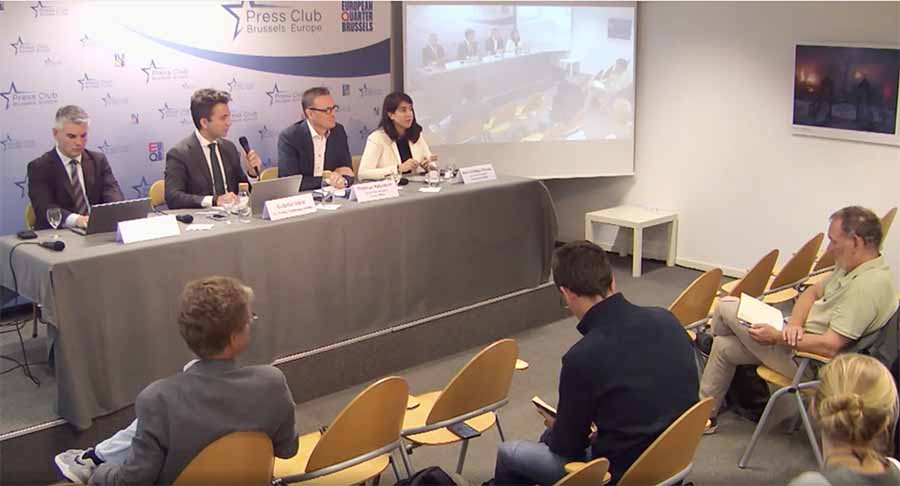
Aviation leaders have been outline regulatory asks and competitiveness concerns at a press briefing in Brussels dedicated to European aviation policy, organized by IATA.
Marie Thomsen has outlined key asks for the aviation industry to the European Union, emphasising the need for regulatory alignment and infrastructure support for Sustainable Aviation Fuel (SAF). The key asks include the full implementation of CORSIA, aligning rather than duplicating regulations, building the necessary infrastructure to scale SAF including book and claim systems, focusing on actual emissions reductions, and supporting solutions available today.
This plea for coherence comes as Neva Sadikoglu Novaky, Director EU Affairs and Head of Brussels Office at IATA, has confirmed that EU competitiveness is out of sync with reality. While competitiveness is a stated top priority, the cost of doing business and regulatory complexity for aviation are on the rise. European airlines spent €9.9 billion in 2024 to fulfil existing European and national legislation, a figure projected to rise to €33 billion in 2050.
Thomas Reynaert, Senior Vice President External Affairs, raised concerns regarding the Entry/Exit System (EES), noting that the extension flexibility expires on September 6. He suggested that pre-registration holds the greatest potential to deliver the most benefit in the short term, while also pointing out shortfalls in the requirement for a common standard of performance and adequate staffing. The instance of passengers missing flights has increased sixfold at some airports, illustrating the operational challenges linked to border management systems.
Marie Owens Thomsen shared, “Fragmentation, duplicity and constant changes in rules will not achieve these goals. If someone should know this, it is the EU, which has benefited greatly from forming the Union, creating a single currency, and harmonising rules and regulations.”
Neva Sadikoglu Novaky shared, “Competitiveness is a top priority, yet aviation reality is opposite: cost of doing business and regulatory complexity on the rise. EU needs the Draghi effect on competitiveness, not a dragging effect on investment, growth and connectivity.“