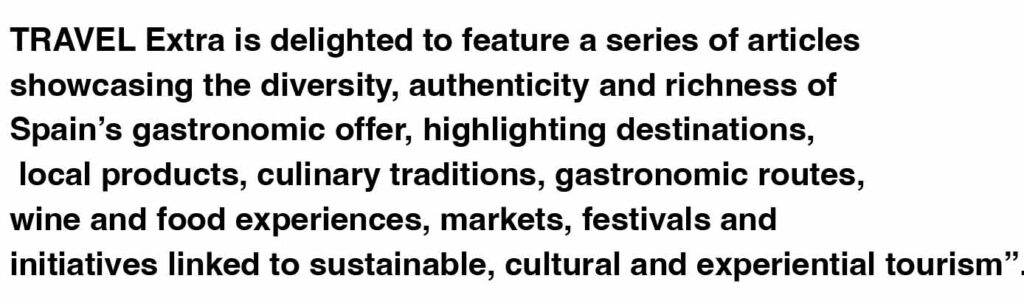
The most direct way to the heart, a wise woman once said, is through the stomach. Spain took note of this, and has issued its invitation to the table. The country offers visitors a gateway to authentic experiences through its regional cuisines and the connection between food and territory. Local produce shapes daily life across the country from the Basque Country in the north to the Canary Islands in the south.
Start at the top. In the Basque Country diners encounter a region known for its pintxos culture and innovative approaches to seafood and local ingredients. Chefs in cities such as San Sebastian prepare dishes that reflect the quality of produce from the Atlantic coast and nearby mountains. Markets buzz with fresh fish and cheeses that define the area while wine routes in nearby Rioja complement meals with recognised varieties. Visitors participate in tours that reveal how Basque identity expresses itself through food and shared tables.
Galicia in the northwest presents another dimension of Spanish gastronomy with its emphasis on shellfish and octopus dishes prepared according to longstanding methods. The region produces some of the finest seafood in Europe thanks to its rugged coastline and cold waters. Visitors explore fishing ports and inland areas where traditional recipes pass down through generations. Pulpo a la gallega stands as one of the signature preparations alongside fresh mussels and local cheeses that pair well with wines from the area. Gastronomic routes allow visitors to meet artisans and understand the connection between the sea landscape and the plate.
Andalusia in the south brings forward a rich tapestry of flavours influenced by its history and Mediterranean climate. Tapas culture thrives in cities such as Seville where small plates encourage social dining and exploration of local specialities including salmorejo and fried fish. Olive oil production defines much of the landscape here as Spain maintains its position as the world leader in olive oil output. Oleotourism experiences have gained popularity with visits to mills and groves that demonstrate harvesting and production processes. Visitors learn about the varieties of olives and the role this product plays in Mediterranean diets while supporting local economies through direct engagement with producers.
Valencia on the eastern coast reveals the origins of paella and rice-based dishes that utilise ingredients from the surrounding huerta. The fertile plains supply fresh vegetables and seafood that combine in traditional recipes prepared in large pans over open fires. Markets in the city display seasonal produce while festivals celebrate the harvest and culinary heritage. Wine routes in the region introduce visitors to varieties that complement the local cuisine and extend the gastronomic journey into the countryside.
The Canary Islands contribute unique elements with their volcanic soils and subtropical climate that support distinctive products. Papas arrugadas served with mojo sauces represent one example of how island traditions adapt to the environment. Chefs incorporate gofio and fresh fish from Atlantic waters into menus that reflect the islands’ position as a crossroads of cultures. Gastronomic experiences on islands such as Tenerife and Gran Canaria connect visitors with farmers and fishermen who maintain practices adapted to the terrain.
Connect with the menu
Sustainable food tourism forms an important part of the offer across these regions. The visitor can connect with producers through farm visits and workshops that explain cultivation methods and the importance of preserving heritage varieties.
Spain’s Wine Routes guide visitors through recognised appellations where vineyards stretch across hillsides and valleys. In areas such as Rioja and Ribera del Duero tours include cellar visits and tastings that reveal the influence of terroir on each vintage. Participants learn about grape varieties and production techniques while enjoying pairings with regional dishes. These routes operate in every season and attract those interested in the intersection of viticulture and culture.
Olive oil tourism has expanded as visitors seek to understand Spain’s dominance in global production. Mills in Andalusia and other regions open their doors for guided tours that cover the full cycle from grove to bottle. Tastings highlight differences in flavour profiles linked to specific olive varieties and harvesting times. Such experiences educate participants about the product’s role in health and cuisine while generating direct benefits for local communities.
Local markets remain central to the Spanish way of life and offer the visitor direct access to seasonal products and artisan goods. In cities and towns stalls display fresh bread cheeses cured meats and vegetables that reflect the rhythm of the land. Tapas culture encourages informal dining where conversations flow alongside small plates that showcase chef creativity and traditional recipes. Contemporary Spanish cuisine builds on these foundations with modern interpretations that respect origins while introducing new techniques.
Food festivals
Food festivals and seasonal events provide opportunities to engage with gastronomy at specific times of the year. Celebrations honour products such as paella in Valencia or specific harvests across regions. These gatherings bring together chefs producers and visitors in atmospheres of shared appreciation. Participation extends the travel experience beyond individual meals and creates memories tied to community traditions.
La Palma hosts the Gastronomic Destinations Conference under the Slow Taste concept which examined sustainable tourism models. Discussions centred on how gastronomy connects with territory and culture in ways that benefit residents and guests alike.
Dénia organises the D*na Festival which transforms the town into a stage for art and gastronomy with contributions from recognised chefs. Events of this kind occur throughout the year and align with seasonal cycles that influence ingredient availability. Valencia hosts World Paella Day which draws international attention to the dish and the region that perfected it.
Visitors who follow gastronomic routes discover Spain through its flavours and the people who produce them. Inland provinces such as those in Castilla y León offer experiences centred on suckling lamb and other specialities prepared according to traditional methods. Markets in Segovia and Burgos provide opportunities to purchase products directly from vendors who explain their origins.
The connection between food territory and culture offers a holistic view of the country. Each region expresses its history and lifestyle through recipes that have evolved with available resources. Basque cider houses serve meals in communal settings that encourage interaction. Galician pulperías focus on simple preparations that highlight the quality of the main ingredient. Andalusian bars specialise in the art of tapas service that turns eating into a social ritual.
Producers are adopting methods that respect the environment and ensure long-term viability of their activities. Visitors participate in workshops that teach preservation techniques or the importance of seasonal eating. These interactions create understanding of the efforts required to maintain quality and diversity in Spanish gastronomy.
Follow the wine
Wine routes extend from north to south with each area contributing distinctive characteristics. Rioja remains one of the most visited with its combination of historic bodegas and modern facilities. Other regions such as Rías Baixas in Galicia produce white wines that pair with local seafood. The variety allows visitors to match their itinerary with preferences while exploring associated landscapes.
Olive groves in Andalusia form part of the cultural landscape recognised for their beauty and productivity. Tours explain the differences between extra virgin oils and their uses in cooking. Tastings train the palate to identify attributes linked to specific origins. Such activities appeal to those who wish to bring knowledge back home along with selected bottles.
Markets in Madrid and Barcelona serve as meeting points where regional products converge. Stalls offer items from across the country allowing visitors to compare and select according to recommendations from vendors. Tapas routes in these cities introduce a range of flavours in compact form that suits exploration on foot.
Contemporary chefs build on traditional bases with techniques that incorporate global influences while maintaining respect for Spanish products. Establishments in various cities receive recognition for their contributions to the evolution of cuisine. Yet the foundation remains the excellence of raw materials sourced from nearby producers.
Seasonal events mark the calendar with celebrations tied to harvests and religious calendars that influence feasting traditions. Autumn brings chestnuts and game dishes in mountainous areas while spring features asparagus and young vegetables. Summer sees an abundance of tomatoes and fruits that feature in gazpacho and refreshing preparations. Winter warms with stews and hearty recipes suited to cooler temperatures.
Gandia joined the network and confirmed its focus on local produce through participation in major fairs. Castelldefels strengthened its position with similar emphasis on coastal and inland connections. These developments expand options for visitors interested in lesser known areas that deliver high quality experiences.
Platform for taste
Saborea España, Saborea España (Tasting Spain) Spain’s official national gastronomic tourism brand, serves as the leading platform that brings together destinations where gastronomy forms the centre of the visitor journey, providing the framework that makes such journeys accessible and rewarding across the country.
This network promotes sustainable practices that link visitors with producers and traditions rooted in each place, diversifying tourism beyond coastal areas and promotes travel to inland destinations throughout the year.
It participates in events such as Alimentaria where destinations present their offers to professionals and enthusiasts. The platform revealed new members including Gandia and Castelldefels that strengthen the network with their focus on local produce. Such additions broaden the range of experiences available and support emerging areas in their efforts to attract visitors interested in authentic encounters, and works with travel agencies to present Spain as a destination rich in flavour and tradition. Professional events include tastings and networking that familiarise agents with the range of offers. Prize getaways encourage further promotion of gastronomic journeys to clients seeking meaningful travel.
Saborea España continues to develop initiatives that respond to interest in sustainable and experiential travel. Its presence at international fairs confirms Spain’s reputation and introduces new destinations to wider audiences. The network adapts to trends while preserving the core values of quality tradition and connection to place.
The platform brings together more than 20 destinations that showcase the diversity of Spanish gastronomy. From A Coruña in the northwest to El Hierro in the Canary Islands each place contributes unique elements to the overall offer. This variety supports year round travel and encourages repeat visits to discover different regions.
Spreadable and sustainable
The connection is as economically significant as it is authentic. Visitors who engage with gastronomic tourism support local economies through direct spending on products and services. They contribute to the preservation of traditions by participating in activities that value artisan methods. The experiences create connections that extend beyond the trip through recipes learned and products purchased.
Spain has successful;ly positioned itself as a leader in this field by emphasising authenticity and sustainability.
Saborea España coordinates efforts that maintain high standards while innovating in presentation and accessibility. The result is a tourism product that appeals to those who seek depth in their journeys.
In the Basque Country visitors attend cooking sessions that teach preparation of pintxos using local ingredients. Galicia offers routes that follow the supply chain from sea to table. Andalusia invites participation in olive harvesting during appropriate seasons. Valencia demonstrates paella techniques in the fields where rice grows. The Canary Islands share knowledge of endemic products adapted to volcanic conditions.
These activities form part of a broader strategy to diversify demand and extend stays in inland and emerging areas. Gastronomy serves as the thread that links landscapes history and contemporary life. Visitors return with enhanced appreciation of how food reflects the character of each territory.
Spain’s invitation extends to all seasons with events and products suited to each period. Autumn features harvest festivals and wines from the new vintage. Winter brings comfort foods and indoor tastings. Spring highlights fresh produce and outdoor markets. Summer aligns with coastal dining and festival atmospheres.
Through these opportunities Spain invites you to discover its territories via flavours and the people who sustain them. Gastronomic tourism fosters understanding and appreciation that enriches the overall travel experience. Time to take your place at the table.