- Wizz Air expects a mid-single-digit percentage increase in full-year unit costs excluding fuel
- CEO József Váradi reported more than €100m of incremental costs linked to the phase-out of older Airbus A320ceo jets
- The carrier has hedged 82pc of its fuel needs this winter
- Net profit fell 66.6pc to €108.1m in the six months to 30 September
- Fuel costs jumped 33.7pc to €1.24bn
Wizz Air has expected a mid-single-digit percentage increase in full-year unit costs excluding fuel as airlines grapple with higher labour and airport expenses on top of the soaring price of jet fuel due to the Iran war. CEO József Váradi reported the biggest single cost in the second half of its financial year was more than €100m of incremental costs linked to the phase-out of older Airbus A320ceo jets. The budget carrier, which had previously held back on giving full-year guidance due to the uncertain trading environment, joins peers in warning of challenges facing the global aviation industry.
Aer Lingus and British Airways owner IAG forecast its first annual capacity decline since 2022 while Ryanair reported it could freeze staff pay to help offset a surging fuel bill. Many airlines are also raising ticket prices. Spot Northwest European jet fuel prices have fallen 18pc this month to their lowest since August, offering airlines some relief. However, the decline may come too late to ease pressure for the winter season.
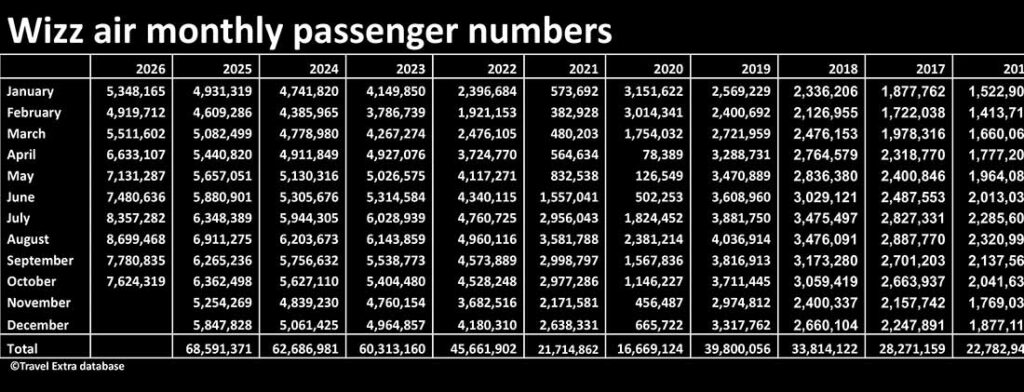
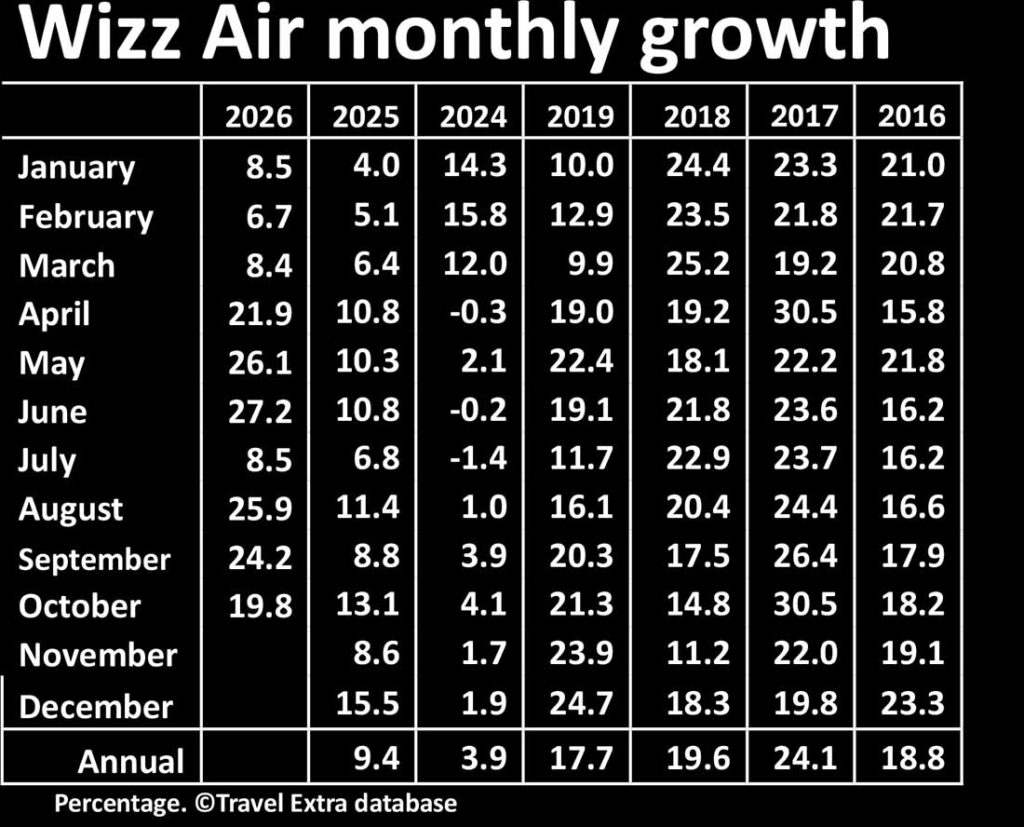
Asked about fuel hedging, Váradi reported the airline remained protected whether fuel prices stayed high or fell sharply thanks to its strategy of setting upper and lower hedge price limits. The carrier has hedged 82pc of its fuel needs this winter and 51pc for April to October 2027. For its fiscal third quarter, Wizz Air reported it expected revenue per available seat kilometre to rise by a low-single-digit percentage year-on-year, with a 19pc increase in seats. Net profit fell 66.6pc to €108.1m in the six months to 30 September 30 as fuel costs jumped 33.7pc to €1.24bn.
József Váradi shared “The airline remained protected whether fuel prices stayed high or fell sharply thanks to its strategy of setting upper and lower hedge price limits.”