- ATFM delays in Europe Europe ATC delays rose 114pc between 2015 and 2024
- Flights grew by only 6.7pc in the same period
- France and Germany caused over 50pc of all delays.
- Staffing and capacity shortages drove 87pc of 2024 delays.
- ATC strikes generated 9.8m minutes of delays over the decade.
- Delays totalled 30.4m minutes in 2024 alone.
IATA estimates European Air traffic control (ATC) delays rose 114pc between 2015 and 2024, even when excluding days lost to strikes. Navigation service providers failed to deliver acceptable performance while continuing to pass all costs directly to airlines. These inefficiencies contribute to an estimated 10-12% unnecessary CO2 emissions from European flights because the long-promised Single European Sky reform remains unimplemented. Political closure of airspace for non-security reasons added further disruption and cost in several regions.
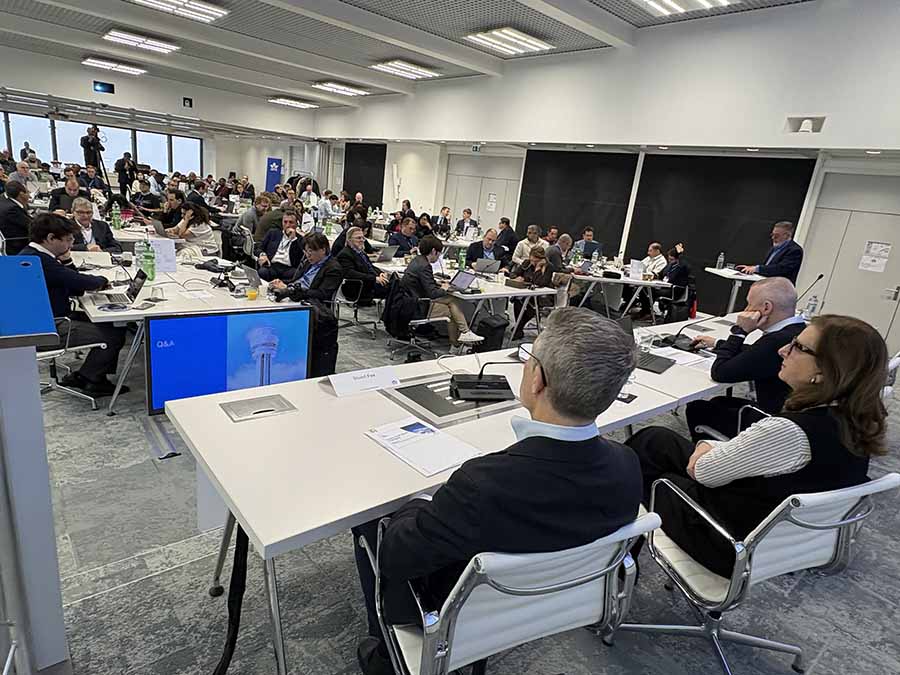
Willie Walsh told the IATA Global Media Day in Geneva that monopolistic air navigation providers face no penalty for poor service because the same regulators oversee both performance and charges. Airlines bear the financial burden twice: once through higher ATC fees and again through passenger compensation payments triggered by controllable delays. Walsh stated that politicians and regulators do not fully grasp the root causes of the problem.
Airspace restrictions imposed for political or economic reasons increased during the year. Several countries closed routes without genuine security justification, forcing longer flights and higher fuel burn and delayed network expansion in affected areas. Meanwhile, airport infrastructure development showed mixed progress. The UK government’s decision to proceed with additional runway capacity in the southeast received industry support, though concerns remain over the projected cost of Heathrow expansion and the regulated asset model that encourages overspending.
China and India continued rapid airport building programmes in recognition of forecast traffic growth. In contrast, many European and North American hubs face capacity constraints because of slow planning processes or funding limitations. The United States acknowledged that outdated ATC systems now restrict domestic growth, with a direct link visible between controller shortages and flight cancellations.
Key takeaways include the absence of accountability for European ATC providers, the continued failure to deliver Single European Sky, the rising cost of politically motivated airspace closures, and the urgent need for cost-controlled airport expansion.
Willie Walsh, IATA’s Director General shared “Passengers have seen delays more than double. While Eurocrats debate ways to increase the burden of EU261 passenger compensation, the root cause of much of the delay suffered by travelers—air traffic control—escapes without action or censure.”
“We keep realising the significant environmental impact that the European sky would have – could reduce CO2 in Europe by about 10 to 12%. They get away with this because they can just pass any cost directly onto the airline industry. If Heathrow was allowed to spend the money that they’ve asked for the expansion, it would make Heathrow completely uncompetitive.”