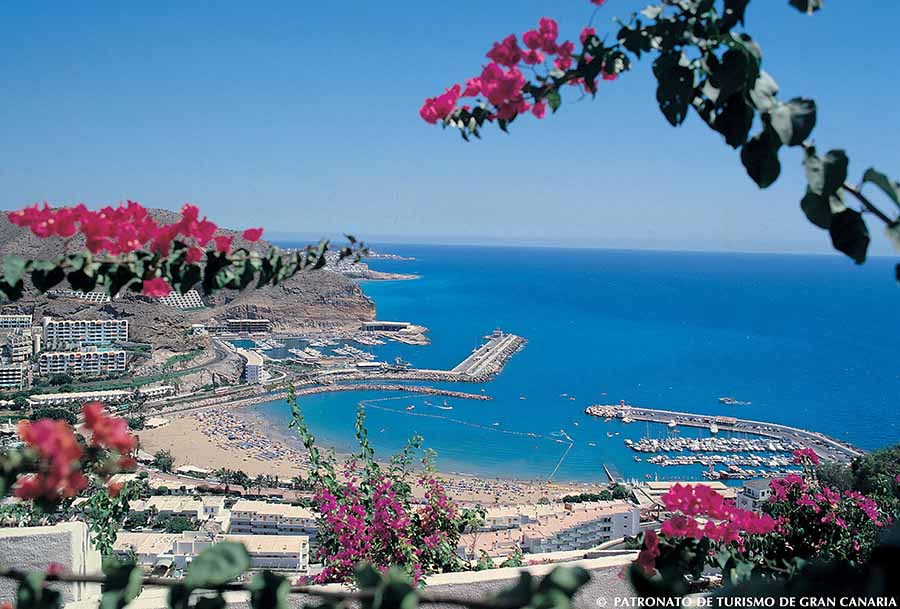
Gran Canaria, a gem in the Canary Islands, is a haven for surfers seeking consistent waves and a welcoming climate. With its diverse coastline and steady Atlantic swells, the island caters to everyone from beginners catching their first wave to seasoned surfers chasing powerful breaks. The island’s unique position, just off the northwest coast of Africa, ensures a reliable swell window, making it a prime destination for water sports enthusiasts throughout the year.
In the north, the urban coast of Las Palmas is a hub for surfing, with spots like La Cicer at Las Canteras Beach drawing learners for its forgiving beach breaks and whitewash, ideal for those starting out. Nearby, El Lloret offers a right-hand point break that comes alive at low tide, providing medium-length waves with walls perfect for manoeuvres. For those with more experience, El Confital delivers one of Europe’s finest right-hand reef breaks, with fast, powerful tubes over a volcanic seabed, though caution is advised due to strong currents and rocky hazards. Further along the north coast, El Frontón, near Gáldar, is a favourite among bodyboarders, its challenging waves reached via a trek through banana plantations.
The south, particularly around Playa del Inglés and Maspalomas, offers gentler conditions suited to beginners. Playa del Inglés, with its sandy bottom and waves rarely exceeding two metres, is a go-to for surf schools, which are plentiful across the island. These schools provide lessons for all ages and abilities, often paired with activities like yoga or stand-up paddleboarding, creating a well-rounded experience. Many also offer accommodation, from budget-friendly surf houses to private lodges, ensuring easy access to the beach.
Gran Canaria’s surf culture thrives in its warm waters, where boardshorts or light wetsuits suffice year-round. The winter months, from October to April, bring larger swells, attracting those seeking a challenge, while summer offers smaller, more manageable waves for novices. The island’s infrastructure supports surfers with rental shops, repair services, and beachside amenities like showers and eateries. Las Palmas blends urban convenience with coastal charm, offering bars and restaurants where surfers can unwind after a day on the water.
For those looking to explore beyond the waves, the island’s volcanic landscapes and cultural heritage add depth to the trip. Surf camps, particularly in Las Palmas and Playa del Hombre, provide structured courses with expert instructors, focusing on technique, safety, and wave knowledge. These camps often cater to families, with flexible lessons that make surfing accessible to all. Whether you’re paddling out for the first time or tackling a reef break, Gran Canaria’s surf scene is a compelling draw for anyone eager to ride its waves.
Spain region by region
Almería – Andalusia – Aragón – Asturias – Basque Country – Cádiz – Cantabria – Catalonia – Córdoba – Extremadura – Fuerteventura – Galicia – Gran Canaria – Granada – Huelva – Ibiza – Jaén – La Mancha – La Rioja – Lanzarote – León – Madrid – Majorca – Málaga – Menorca – Murcia – Navarra – Seville – Tenerife – Valencia –