In Córdoba, the flamenco-inspired song Córdoba Lejana by Ricardo Molina captures the city’s soulful essence with the line, “Córdoba, distant and eternal, your rivers sing to my heart,” reflecting the region’s deep musical and cultural heritage tied to its historic landscapes.
The poet Luis de Góngora, a native of Córdoba, immortalises the city in his poem Soledades, with the verse, “In Córdoba’s golden fields, the Guadalquivir weaves dreams,” evoking the serene beauty of the river that defines the region’s identity. On screen, the 2019 Spanish TV series La Peste (The Plague), set in a visually striking historical Córdoba, features the haunting quote, “In these ancient streets, every stone holds a secret,” using the city’s labyrinthine alleys and Moorish architecture to underscore its rich, layered history and atmospheric mystique.
The region
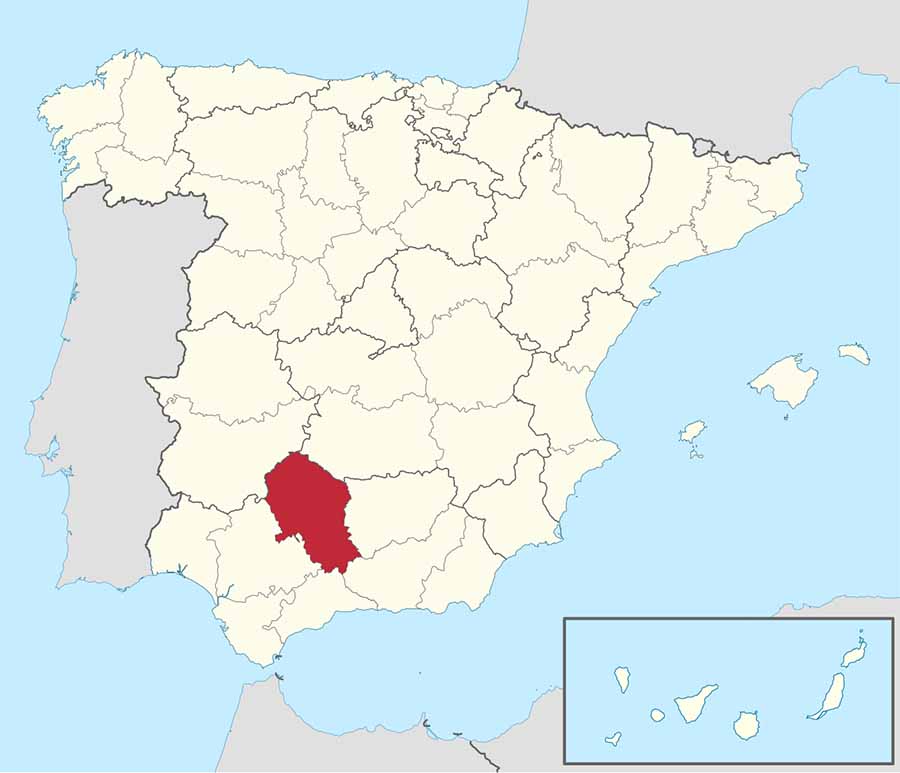
As summer 2026 draws near, Córdoba invites travellers with a captivating blend of historic landmarks, serene courtyards, and authentic Andalusian culture. This inland gem in southern Spain, set along the Guadalquivir River, offers a rewarding visitor experience for those seeking history, relaxation, and culinary delights.
Córdoba’s historic core is a treasure for explorers. The Mezquita, a stunning mosque-cathedral, showcases red-and-white arches and a blend of Islamic and Christian architecture. The Alcázar de los Reyes Cristianos, with its lush gardens and Moorish mosaics, provides a peaceful retreat. Strolling through the Jewish Quarter, visitors can wander narrow streets lined with whitewashed houses and flower-filled patios, or explore the Synagogue, a rare 14th-century relic.
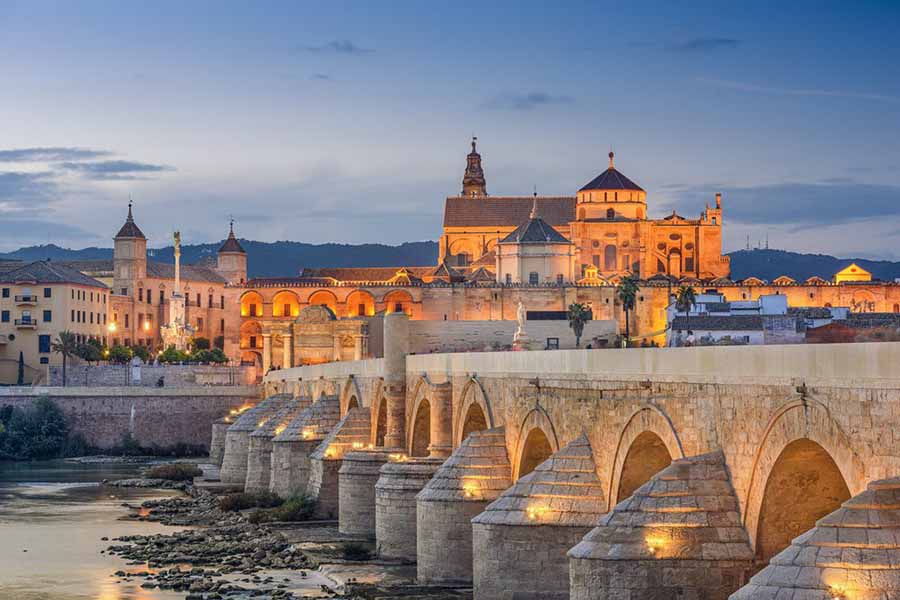
For a tranquil escape, Córdoba’s courtyards, or patios, offer shaded beauty. The Palacio de Viana houses twelve unique courtyards, each brimming with jasmine and citrus trees. Beyond the city, the Medina Azahara, a 10th-century palatial complex, invites exploration of its restored arches and intricate stucco work. The Roman Bridge, spanning the Guadalquivir, provides scenic walks with views of the city’s skyline.
Food lovers will relish Córdoba’s culinary scene. In the old town, tabernas like Casa Pepe de la Judería serve local dishes such as salmorejo, a chilled tomato soup, and flamenquín, a breaded pork roll, paired with Montilla-Moriles wines. The San Miguel Market brims with fresh olives, cheeses, and cured meats, reflecting the region’s agricultural heritage. For a sweet treat, visitors can sample pasteles cordobeses, custard-filled pastries, at local bakeries.
Nature enthusiasts will enjoy Córdoba’s surroundings. The Sierra de Hornachuelos Natural Park offers hiking trails through oak forests and opportunities to spot deer or eagles. The Guadalquivir River provides kayaking routes, while the nearby Subbética region features olive groves and rolling hills, perfect for cycling. For a unique experience, the salt flats of Santa María de la Cabeza offer birdwatching, with flamingos dotting the landscape.
Córdoba’s warm summer climate, with temperatures around 30°C and long sunny days, ensures comfortable exploration. Efficient train and bus connections to Seville and Málaga, alongside car rentals, make travel straightforward. Visitors can browse artisan shops for leather goods or relax in historic hammams like Baños Árabes.
With its mix of cultural treasures, natural beauty, and gastronomic richness, Córdoba offers a welcoming escape. Whether admiring the Mezquita, strolling through patios, or savouring salmorejo, summer 2026 in Córdoba promises a memorable experience.
The visit
The province of Córdoba, in southern Spain’s Andalusia region, offers visitors a captivating blend of rich history, stunning architecture, vibrant culture, and serene natural landscapes. Known for its UNESCO World Heritage sites and warm Mediterranean climate, Córdoba promises a mix of urban sophistication and rural charm. Here’s what visitors can expect:
Cultural and Historical Highlights
- Córdoba City: The provincial capital is a historical gem. The Mezquita-Catedral (Mosque-Cathedral), a UNESCO site, is a breathtaking blend of Islamic and Christian architecture, with its forest of striped arches and ornate mihrab. The Alcázar de los Reyes Cristianos, with its lush gardens, and the Roman Bridge over the Guadalquivir River add to the city’s charm.
- Jewish Quarter (Juderia): Narrow, flower-filled streets in Córdoba city lead to the 14th-century Synagogue, one of Spain’s few remaining, and the Casa de Sefarad museum, offering insights into Sephardic culture.
- Medina Azahara: A UNESCO-listed archaeological site 8 km from Córdoba city, this 10th-century palatial city of the Caliphate showcases intricate stucco work and a glimpse into Al-Andalus splendor.
- Southern Towns: Villages like Priego de Córdoba, with its baroque fountains and whitewashed streets, and Zuheros, perched in the Sierras Subbéticas, boast castles, churches, and authentic Andalusian charm.
- Festivals: Córdoba’s calendar shines with the Patios Festival (May, UNESCO Intangible Heritage), where courtyards bloom with flowers, and the Flamenco Festival in summer. Holy Week processions and rural fairs, like Montoro’s olive festival, add vibrancy.
Natural Attractions
- Sierras Subbéticas Natural Park: In the south, this karst landscape offers rugged peaks, caves like the Cueva de los Murciélagos, and trails for hiking or cycling. The Vía Verde (old railway path) is perfect for scenic walks.
- Guadalquivir River: Meandering through the province, it provides opportunities for kayaking or leisurely riverside strolls in Córdoba city and towns like Montoro.
- Los Pedroches: In the north, this rolling, oak-dotted region is ideal for rural escapes, with stargazing (a Starlight Reserve) and hiking in its dehesa landscapes.
Activities
- Cultural Exploration: Wander Córdoba’s historic center, visit museums like the Julio Romero de Torres Museum for local art, or join a guided tour of Medina Azahara.
- Outdoor Adventures: Hike in the Sierras Subbéticas, explore the Hornachuelos Natural Park for wildlife (deer, otters), or cycle the Vía Verde. Birdwatching is popular in wetlands like the Zóñar Lagoon.
- Food and Wine Tours: Sample Córdoba’s culinary scene through tapas tours in the city or visits to olive oil mills in Baena, a Denomination of Origin region. Montilla-Moriles wineries offer tastings of fino and Pedro Ximénez wines.
- Relaxation: Enjoy the city’s Arab baths (hammams) for a spa experience or unwind in rural casas rurales (country houses) in villages like Almodóvar del Río.
Cuisine
- Andalusian Flavors: Córdoba’s gastronomy includes salmorejo (creamy tomato soup), flamenquín (breaded pork roll), and rabo de toro (oxtail stew). Desserts like pastel cordobés (puff pastry with pumpkin jam) are local favorites.
- Tapas Culture: The city’s taverns, like Casa Pepe de la Judería, serve small plates with local wines. Rural areas offer heartier fare, often featuring game or lamb.
- Olive Oil and Wine: Baena’s extra-virgin olive oil and Montilla-Moriles wines are world-class, with many producers open for tastings.
Practical Notes
- Climate: Hot summers (35-40°C) and mild winters (5-15°C) make spring (March-May) and autumn (September-November) ideal for visiting. May’s festivals add extra allure.
- Accessibility: Córdoba city is well-connected by AVE high-speed trains from Madrid (1.5 hours) and Seville (45 minutes). The province’s rural areas are best explored by car, with good road networks.
- Language: Spanish is the primary language; English is common in tourist areas of Córdoba city but less so in rural zones.
- Ambiance: Expect a warm, welcoming vibe with a slower pace outside the city. Córdoba blends its Islamic, Christian, and Jewish heritage seamlessly, creating a unique cultural tapestry.
Unique Aspects
- Historical Layering: Córdoba’s identity as a former capital of Al-Andalus gives it a distinct multicultural legacy, evident in its architecture and traditions.
- Rural Authenticity: Beyond the city, small towns and natural parks offer an unspoiled Andalusian experience, far from mass tourism.
- Festive Spirit: The province’s lively festivals, especially the Patios, immerse visitors in local pride and creativity.
- Córdoba province delivers a perfect mix of history, culture, and nature, appealing to travellers seeking both iconic landmarks and tranquil escapes in the heart of Andalusia.
Of the beaten track
The province of Córdoba, located in Andalusia, offers a treasure trove of lesser-known destinations beyond the iconic Mezquita and bustling capital. These off-the-beaten-track locations and attractions provide authentic glimpses into the region’s history, natural beauty, and rural charm, perfect for travellers seeking unique experiences. Here are some hidden gems:
- Zuheros and the Cueva de los Murciélagos: Zuheros, a whitewashed village in the Sierras Subbéticas Natural Park, is one of Córdoba’s prettiest yet least-visited spots, perched on a hillside with panoramic views. Explore the village’s 9th-century Castle of Zuheros, a small fortress with Moorish origins, and the Iberian Museum showcasing archaeological finds. Nearby, the Cueva de los Murciélagos (Bat Cave) offers guided tours through stunning stalactite-filled chambers and prehistoric remains. Hiking trails in the Sierras Subbéticas lead to olive groves and karst landscapes. Its remote location and small size (population under 700) keep Zuheros away from mainstream tourist routes. Visit in spring for wildflowers, and try local goat cheese at a village shop, a Subbética specialty.
- Montoro and the Guadalquivir Meanders: Montoro, a historic town in northeastern Córdoba, sits along the winding Guadalquivir River, surrounded by olive-clad hills and dramatic river meanders. Wander the steep, narrow streets to see the Church of San Bartolomé and the 15th-century Donadas Bridge, a medieval marvel. The Mirador de las Cruces offers stunning views of the river’s curves. Montoro’s olive oil heritage shines at local mills, and its November Olive Fair is a low-key cultural event. Kayaking or hiking along the river reveals serene landscapes. Overshadowed by Córdoba city, Montoro attracts mainly locals and olive oil enthusiasts. Visit an olive oil mill like Núñez de Prado for a tasting, and pack binoculars for birdwatching along the river.
- Hornachuelos Natural Park: In western Córdoba, this sprawling park in the Sierra Morena is a haven of Mediterranean forests, rivers, and wildlife, far from urban crowds. Hike trails like the Sendero de los Ángeles to spot deer, wild boar, and even lynx tracks. The Bembézar Reservoir is ideal for kayaking or fishing, while the Huerta del Rey visitor center offers insights into the park’s ecology. The park’s Starlight Reserve status makes it perfect for stargazing. Nearby, the village of Hornachuelos has a quaint church and traditional eateries. Its distance from major tourist hubs and lack of flashy attractions keep it a local favorite. Bring sturdy shoes for rocky trails, and visit in autumn for cooler weather and vibrant foliage.
- Iznájar and its Reservoir: Known as the “Balcony of Córdoba,” Iznájar is a hilltop village in the south, overlooking the turquoise Iznájar Reservoir, Andalusia’s largest lake. Stroll the village’s flower-lined streets to the Castle of Iznájar, a 8th-century Moorish fortress, and the Church of Santiago Apóstol. The Patio de las Comedias, a charming courtyard, hosts small cultural events. The reservoir offers kayaking, paddleboarding, or scenic walks along its shores. The Ethnographic Museum showcases rural life. Its southern location, far from Córdoba city, and focus on nature over urban tourism keep it under the radar. Visit in February for the Candelaria Festival, featuring bonfires, and rent a kayak for a peaceful lake adventure.
- Almodóvar del Río’s Rural Surroundings: While the Castle of Almodóvar del Río, a Game of Thrones filming location, draws some visitors, the surrounding countryside and nearby hamlets remain largely unexplored. Beyond the castle, explore the Guadalquivir Valley with its olive groves and hiking trails. The Breña Reservoir nearby is a quiet spot for birdwatching (eagles, herons) or picnics. Small villages like Posadas offer traditional taverns and the Sierrezuela Archaeological Site, with Iberian and Roman ruins. Local fairs, like Almodóvar’s summer festival, feature flamenco and regional dishes. Most visitors focus solely on the castle, missing the rural charm and historical depth of the area. Combine with a visit to a local cortijo (farmhouse) for an olive oil or wine tasting, and visit in spring for mild weather.
- Fuente Obejuna’s Historical Legacy: A small town in the Valle del Guadiato, Fuente Obejuna is steeped in history, famously known for a 1476 peasant uprising immortalized in Lope de Vega’s play. Visit the Church of Nuestra Señora del Castillo, a 15th-century Gothic-Mudéjar gem, and the Plaza Lope de Vega, where the uprising is reenacted every August during the Fuenteovejuna Festival. The surrounding Los Pedroches region offers dehesa landscapes for hiking and stargazing. Local beekeeping traditions yield excellent honey. Its northern location and niche historical appeal attract mainly cultural enthusiasts or literary buffs. Time your visit for the August festival for lively performances, and buy local honey at a small shop.
- Baena’s Olive Oil Heritage: Baena, in eastern Córdoba, is the heart of the province’s Denomination of Origin olive oil production, with a rich history and understated charm. Tour olive mills like Núñez de Prado or Cortijo Suerte Alta to learn about extra-virgin olive oil production and enjoy tastings. The Historical Museum in Baena’s old town displays Iberian and Roman artifacts, while the Castle of Baena offers views over endless olive groves. The Via Verde de la Subbética nearby is a scenic cycling path. Baena’s focus on agriculture over tourism and its distance from major routes keep it quiet. Visit during the October harvest for fresh oil, and pair with a stop at nearby Castro del Río, known for woodworking crafts.
Practical Notes
- Access: A car is essential for these rural locations, as public transport is sparse outside Córdoba city. Roads are generally good, but some mountain routes are narrow.
- Season: Spring (March-May) and autumn (September-November) offer pleasant weather (15-25°C) and fewer crowds. Summer can be scorching (35-40°C), while winter is mild but quiet.
- Preparation: Pack layers for cooler mountain evenings, and check opening hours for sites like the Cueva de los Murciélagos (reservations often required). Rural dining options may be limited, so plan meals or bring snacks.
- Local Vibe: These spots exude authentic Andalusian warmth, with locals proud of their heritage. Basic Spanish helps, as English is rare outside tourist hubs.
These off-the-beaten-track destinations in Córdoba province showcase its diverse landscapes, from rugged sierras to olive-draped valleys, alongside its deep historical and cultural roots, offering travellers a chance to experience Andalusia’s soul away from the crowds.
Spain region by region
Almería – Andalusia – Aragón – Asturias – Basque Country – Cádiz – Cantabria – Catalonia – Córdoba – Extremadura – Fuerteventura – Galicia – Gran Canaria – Granada – Huelva – Ibiza – Jaén – La Mancha – La Rioja – Lanzarote – León – Madrid – Majorca – Málaga – Menorca – Murcia – Navarra – Seville – Tenerife – Valencia –