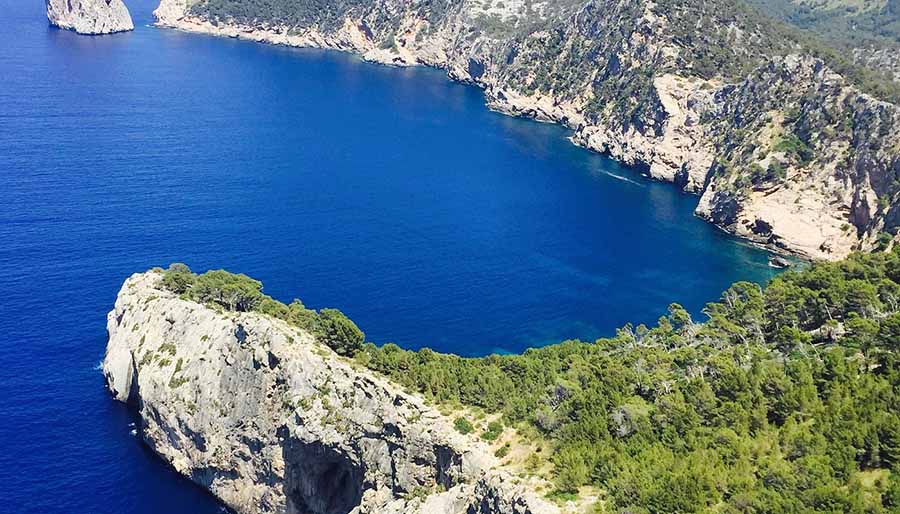
An evocative quote from the Majorcan poet Llorenç Villalonga, from his 1931 novel Mort de Dama, reads: “Mallorca és un mirall de la mar, on el cel i la terra es troben en silenci” (“Majorca is a mirror of the sea, where sky and earth meet in silence”). This line, translated into English with UK spellings, captures the island’s serene beauty, with its crystalline waters and rugged landscapes, reflecting Villalonga’s deep connection to Majorca’s tranquil yet profound natural allure, a hallmark of its Mediterranean identity.
the 2018 Spanish film El Reino, directed by Rodrigo Sorogoyen, references Majorca’s luxurious coastal charm, often associated with its status as a playground for the elite. A character remarks, “En Mallorca, las calas esconden secretos tan profundos como el mar mismo” (“In Majorca, the coves hide secrets as deep as the sea itself”). This line evokes the island’s picturesque bays, such as Cala d’Or or Alcúdia, while hinting at the undercurrents of intrigue and opulence that define Majorca’s modern cultural narrative, blending its natural splendour with a touch of mystique.
The island:
For travellers seeking a summer holiday in 2026, Majorca offers a captivating mix of pristine beaches, rich history, and scenic landscapes. This Balearic Island provides a welcoming and engaging experience, ideal for those who enjoy culture, nature, and relaxation.
Start your journey in Palma, where the Gothic Cathedral of Santa María, known as La Seu, dominates the skyline. Its intricate stonework and serene interior make it a must-visit. Nearby, the Almudaina Palace, a former royal residence, showcases a blend of Islamic and Gothic architecture, with tranquil gardens perfect for a leisurely stroll.
Majorca’s coastline is a draw for beach lovers. Cala Mesquida’s turquoise waters and soft sands are ideal for swimming, while Alcúdia Beach offers shallow waters perfect for families. For a quieter retreat, Cala Varques, accessible by a short hike, provides secluded coves framed by cliffs. Water sports enthusiasts can try snorkelling or paddleboarding at Porto Cristo.
History enthusiasts will enjoy the old town of Alcúdia, with its medieval walls and Roman ruins. The Pollentia archaeological site reveals remnants of an ancient city, while the nearby Hidropark offers family-friendly water slides and pools. In Sóller, the Can Prunera Museum, housed in a modernist mansion, displays local art amidst elegant surroundings.
Outdoor pursuits thrive in Majorca’s diverse terrain. The Serra de Tramuntana, a UNESCO World Heritage Site, offers hiking trails through rugged mountains and olive groves. Cyclists can explore scenic routes around Deià, while the Sa Calobra road provides a thrilling descent with stunning coastal views. For a gentler outing, the Albufera Natural Park invites birdwatching and relaxed walks.
Food lovers will savour Majorca’s cuisine. Restaurants in Palma, like Ca’n Joan de s’Aigo, serve traditional ensaïmada pastries and sobrassada sausage. The island’s markets, such as Santa Maria’s weekly stalls, offer fresh almonds, olives, and local cheeses. Wine tastings at bodegas in Binissalem introduce visitors to Majorca’s crisp whites and robust reds.
Cultural exploration continues in Valldemossa, where the Royal Charterhouse showcases historic manuscripts and Chopin’s legacy. The village’s cobbled streets and quaint cafés invite lingering. Families will find Majorca welcoming, with free attractions like Palma’s Parc de la Mar and budget-friendly boat trips from Port de Sóller.
Evening strolls along Palma’s waterfront promenade, followed by dinner at a seaside restaurant in Portixol, create a relaxed end to the day. For adventure seekers, caving in the Caves of Drach reveals stunning underground lakes and stalactites, accessible via guided tours.
Majorca in the summer of 2026 promises a blend of history, nature, and culinary delights. Whether lounging on sunlit beaches, hiking mountain trails, or exploring medieval towns, visitors will find this island a rewarding destination.
The visit:
Majorca (or Mallorca), the largest of Spain’s Balearic Islands, is a Mediterranean gem renowned for its diverse landscapes, from turquoise beaches and secluded coves to rugged mountains and charming villages. In 2026, visitors can expect a vibrant mix of sun-soaked relaxation, rich cultural experiences, and outdoor adventures, centered around the historic capital, Palma, and the island’s varied resorts. However, growing concerns about overtourism have led to new regulations and local initiatives aimed at balancing tourism with sustainability.
Beaches and Coastal Beauty
- Majorca boasts over 200 beaches, catering to every taste, from lively resorts to hidden coves, with more than 560km of coastline.
- Popular Beaches:
- Playa de Alcudia: A 10km Blue Flag beach in the north, ideal for families with shallow waters, lifeguards, and sandcastle-friendly white sand. Nearby bars and watersports like pedalos and kitesurfing add to the fun.
- Playa de Muro: A long, sandy stretch with open-air restaurants, perfect for a relaxed beach day with calm, turquoise waters.
- Cala d’Or: Seven secluded coves with a sophisticated vibe, great for couples and families seeking chic beach clubs and clear waters.
- Es Trenc: A 2km unspoiled beach with Caribbean-like turquoise seas, backed by dunes and pine forests, ideal for nature lovers.
- Cala Mesquida: A Blue Flag beach with dunes and pine forests, offering a wilder, less crowded experience in the northeast.
Hidden Gems:
- Caló des Moro: A stunning cove located between cliffs, with crystalline waters, best visited early to avoid crowds.
- Platja des Coll Baix: A secluded, shingle cove near Alcudia, frequented by mountain goats, accessible by a short hike for a tranquil escape. : Watersports (snorkeling, diving, kayaking), boat trips to nearby Cabrera National Park, and beach club lounging are widely available. Expect €30–50 for rentals or lessons.
Cultural and Historical Attractions
Majorca’s rich history, blending Roman, Moorish, and Catalan influences, is most evident in Palma and its historic towns.
- Palma Cathedral (La Seu): A 13th-century Gothic masterpiece with one of the world’s largest rose windows, known as the “Gothic Eye.” Entry: €9, including the museum. Rooftop tours offer stunning views (€15, summer only).
- Royal Palace of La Almudaina: A Moorish-style palace, still a residence of the Spanish royal family, with fairytale-like courtyards. Entry: €7.
- Passeig des Born: A tree-lined promenade perfect for evening strolls, lined with boutiques like Louis Vuitton and local ceramic shops.
- Palma Old Town: Narrow streets with pastel houses, Arabic baths, and galleries like Galería Pelaires, showcasing contemporary art.
- Alcudia Old Town: A 14th-century walled town with Roman ruins, colorful Tuesday and Sunday markets, and charming cafés.
- Sóller: A picturesque town reachable by the historic Ferrocarril de Sóller, a vintage train from Palma (€25 round trip). Visit the modernist Can Prunera Museum and orange groves.
- Pollensa: Known for its art galleries, 365-step Calvari staircase, and Sunday market with local crafts and produce.
- Castell de Bellver: A 14th-century circular castle near Palma with panoramic bay views and a history museum. Entry: €4.
Natural Wonders and Outdoor Adventures
- Majorca’s diverse geography includes the UNESCO-listed Serra de Tramuntana mountains, fertile plains, and underground caves.
- Serra de Tramuntana: A northern mountain range perfect for hiking, cycling, and scenic drives. Popular trails include the GR-221 to Castell d’Alaró, a 15th-century Moorish castle ruin with sweeping views.
- Cap de Formentor: A rugged peninsula with a lighthouse, dramatic cliffs, and pine forests. The winding road is a challenging but rewarding bike ride or drive.
- Cuevas del Drach (Dragon Caves): In Porto Cristo, these caves feature Europe’s largest underground lake, with boat tours and classical music performances. Entry: €16.
- Cabrera National Park: An archipelago south of Majorca, accessible by boat from Colonia de Sant Jordi (€40–60). Snorkel in the Blue Cave and spot dolphins. : Rock climbing, canyoning, and coasteering in the Tramuntana. Bike rentals (€15–30/day) are ideal for coastal routes like Alcudia to Puerto Pollensa.
Gastronomy and Local Flavours
Majorcan cuisine blends Spanish, Catalan, and Mediterranean traditions, emphasizing fresh seafood, olive oil, and local produce.
- Pa amb oli: Bread with olive oil, tomato, and toppings like jamón.
- Ensaimada: A sweet, spiral pastry, often filled with cream or chocolate.
- Arros brut: A hearty rice stew with spices, vegetables, and meat.
- Fideuà: A paella-like dish with noodles instead of rice, packed with seafood.
- Sobrasada: A cured, spicy sausage, often spread on bread.
Dining Spots:
- El Camino in Palma, a stylish tapas bar with mosaic floors and local wines (€15–25/person).
- Ca’n Joan de s’Aigo in Palma, a historic café since 1700, famous for ensaimadas and almond ice cream (€5–10).
- Restaurante Es Guix in Llucalcari, serving rustic Majorcan dishes in a mountain setting (€20–30).
- Wine and Markets: Visit Bodegas Macià Batle in Santa Maria for Mallorquín wines (€10 tastings). Teguise’s Sunday market and Alcudia’s Tuesday/Sunday markets offer cheeses, sobrasada, and olive oils.
- Olive Oil: Tour Son Moragues near Pollença for tastings of organic olive oil (€10–15).
Resorts and Nightlife
Majorca caters to diverse travellers, from families to partygoers, across its resorts.
- Alcudia: Known for its long beach, waterparks like Hidropark, and Roman ruins.
- Cala Millor: A 1.5km Blue Flag beach with shallow waters and family activities.
- Cala Bona: A former fishing village with a relaxed vibe and kid-friendly beaches.
Santa Ponsa (also known as Santa Ponça),
A favourite destination with the Irish and Scottish,
known for its lively yet relaxed nightlife along Ramon de Montcada (the main strip), The Square (Plaza), and nearby spots. This family-friendly destination features a mix of Irish-style pubs with live music, karaoke bars, cocktail spots, and a few dance-oriented venues, more bar-focused than mega-club heavy (unlike nearby Magaluf). Many offer outdoor terraces, affordable drinks, and entertainment like live bands or DJs, especially in high season.
- Stepps Bar (often Stepps Music Bar or Stepps Karaoke Bar) A top-rated, welcoming spot with karaoke, live music, friendly atmosphere, and great cocktails, frequently called one of the best in Santa Ponsa for fun nights out.
- Durty Nelly’s Pub Classic Irish pub vibe with live sports, drinks specials, and a lively crowd, popular for pints and casual hangouts on the main strip.
- Zanza Bar (or Zanzibar/Zanza) Stylish cocktail bar with a terrace offering sea views, ideal for sunset drinks and creative mixes before heading elsewhere.
- Flozzies Bar Energetic bar known for good music, friendly service, and a vibrant party atmosphere, great for groups and dancing into the night.
- The Crown Traditional pub in The Square area with live entertainment, affordable drinks, and a relaxed, family-oriented yet fun evening vibe.
- Bar Code 7 Lively music bar with DJs, themed nights, and a central location, perfect for starting or ending the night with cocktails and dancing.
- Bar Diva Cosy, welcoming bar popular for cocktails, good measures, and a chilled yet sociable setting, often praised for its owners and atmosphere.
- Celtswell Celtic-themed pub with live music, sports screenings, and a warm Irish welcome, ideal for traditional pub experiences and late-night chats.
- Flamingos Pub Santa Ponsa (Flamingos Music Pub) Music-focused pub with live bands, DJs, and a buzzing energy, long-standing favourite for party nights on the strip.
- McTavishes Highly recommended Irish bar with excellent live music (bands like Apple and the Pips), great drinks, and a fun, inclusive crowd, often highlighted as a must-visit.
- Jinkys Live Music Bar Dedicated live music venue with regular bands and a rocking atmosphere, perfect for music lovers seeking entertainment beyond standard pub fare.
- Simply’s Disco Bar (or similar disco-style bars like Discoteca Fama nearby) One of the more club-like spots with dance floors, varied music genres (including electronic), and late-night partying, suits those wanting to dance the night away.
Santa Ponsa’s nightlife centres around Ramon de Montcada and The Square (with family-friendly early-evening acts transitioning to livelier bars lower down). It’s more pub-and-bar oriented with some disco elements rather than superclubs, great for couples, groups, or families transitioning to adults-only vibes. Enjoy responsibly.
Magaluf:
Famous for neon-lit bars, clubs like BCM Planet Dance, and a lively beachfront. The legendary party hotspot is centred around the famous Punta Ballena strip (often called the Magaluf Strip). This area is packed with neon-lit venues offering cheap drinks, live entertainment, DJs, themed nights, and high-energy atmospheres, perfect for young crowds, stag/hen parties, and late-night fun. Many are open until the early hours in high season, with outdoor terraces and promotions.
- Stereo Bar Magaluf One of the biggest and most buzzing bars on the strip, known for wall-to-wall dancing, top sound systems, frozen daiquiris (especially passionfruit), and non-stop commercial hits, ideal for getting the party started.
- Tiger Tiger Always packed with a vibrant, buzzing crowd; features lively music, drink deals, and a high-energy vibe that draws people in early evening and keeps the momentum going all night.
- Linekers Bar Iconic sports bar with big screens for matches, affordable drinks, and a lively terrace, popular for pre-drinks, people-watching on the strip, and a fun, social atmosphere.
- Coyote Ugly High-energy bar inspired by the film, with bar-top dancing, live performances, shots, and a wild party crowd, great for groups wanting interactive fun and cheesy anthems.
- Alex’s (or Alex’s Lounge/Indie Bar) Long-running favourite with a more relaxed yet fun vibe, good music mix (including indie), cocktails, and friendly service, suits those wanting a slightly chilled start before hitting bigger venues.
- Piano Bar Magaluf Classic chilled spot with live piano/music, 70s/80s tunes, excellent service, and a welcoming atmosphere, often praised as one of the best for relaxed drinks and sing-alongs.
- Eastenders Bar Lively pub-style bar with entertainment, drinks specials, and a sociable crowd, popular for its British pub feel mixed with Magaluf energy.
- The Red Lion Legendary strip bar known for its central location, great atmosphere among workers and holidaymakers, live music or DJs, and as a go-to for classic party vibes.
- Temple Bar Energetic venue with themed nights, strong drinks, and a temple-like immersive setup, perfect for those seeking variety and a bit of edge in the party scene.
- Coco Bongo’s (or similar high-energy spots like Coco Bongos) Show-focused bar with acrobatics, performers, and chart-topping music, delivers non-stop entertainment and a festival-like feel.
- Zeppelin Live Music Bar Live music venue with bands playing rock/classics, a great sound, and a dedicated crowd, ideal for music lovers wanting live performances amid the strip chaos.
- Crystals Bar Prominent starting-point bar at the strip’s entrance, with cocktails, promotions, and a welcoming vibe, perfect for kicking off the night before venturing deeper into the action.
Magaluf’s nightlife is intense and focused on the strip, with many bars linked to club passes (like MCP for access to nearby clubs such as Bananas, Tokio Joes, and Boomerang). It’s geared toward high-volume partying, drink responsibly, watch for promotions, and enjoy the chaos.
Palma Nova:
A quieter neighbour to Magaluf with beach bars and nightlife. The bars are concentrated around the beachfront promenades (especially Son Matias and Torrenova areas), central streets, and spots offering sea views, live music, cocktails, and British-style pub vibes. Many feature terraces, sports screenings, and entertainment suitable for couples, families (early evening), and adults later on.
- Banana Joe’s Disco Bar Iconic disco-style bar and one of the most famous in Palmanova, with lively DJs, dancing, friendly staff, and a fun, energetic crowd, great for party nights with commercial hits and promotions.
- The Prince William Pub Classic British pub with a welcoming atmosphere, live sports on big screens, affordable drinks, and a sociable vibe, popular for casual pints and watching matches.
- Sunset Bar Music bar specialising in live performances, karaoke, and DJ sets playing 60s, 70s, 80s soul, and Motown, ideal for chilled evenings with nostalgic tunes and a relaxed terrace.
- Stadium 63 (or Stadium Bar/Showbar) Energetic show bar known for live music acts, karaoke, entertainment, and a buzzing crowd, often highlighted as a top spot for live shows and fun group nights.
- Monroes Highly rated wholesome bar with a fabulous happy vibe, friendly staff, and great atmosphere, praised as one of the best in Palmanova for inclusive, enjoyable evenings.
- Origin Palmanova Rooftop Terrace Award-winning rooftop cocktail lounge with stunning sea views, craft cocktails, live music, and bottomless brunch options, voted one of the top cocktail destinations in Mallorca.
- Turtle Beach Beachfront bar right on Son Matias beach, offering unbeatable coastal views, drinks, and a laid-back setting, perfect for sunset sessions and relaxed vibes by the sea.
- Barbuda Beach Favourite for cocktail enthusiasts with expert bartenders, high-quality mixes, and a beachside location, stands out for superior drinks and a stylish atmosphere.
- Iroko Live music and cocktail bar with a great atmosphere, DJs, and friendly service, one of the best spots for cocktails and entertainment in the area.
- O’Neill’s Bar Top-rated Irish bar known for excellent food (including Sunday roasts), drinks, and a warm, welcoming feel, highly recommended for quality pub experiences.
- Offpist Bar Lively bar with a fun, party-oriented vibe, drinks specials, and central appeal, popular among visitors seeking energetic yet approachable nightlife.
- JJ’s Sports Lounge (or JJ’s Bar) Sports-focused lounge with big screens, good drinks, and a sociable setting, great for watching games or casual hangouts in the resort area.
Palmanova’s bars offer a mix of beach chill, live entertainment, and pub classics, with many transitioning from family-friendly daytime to livelier evenings. It’s less intense than Magaluf but still fun.
Quiet Retreats:
- Puerto Pollensa: A sophisticated resort with a marina, pine-lined promenade, and relaxed dining.
- Cala Figuera: A serene fishing village with whitewashed houses and no major nightlife.
- Nightlife: Palma’s Passeig Marítim hosts upscale clubs like Social Club, while Magaluf’s Punta Ballena strip is party central. Expect €10–20 entry for clubs.
Festivals and Events
Majorca’s cultural calendar is vibrant, with events showcasing music, food, and traditions.
- Mallorca Live Festival (late May/June): A three-day music festival in Calvià with international acts, held at Antiguo Aquapark. Tickets: €50–100.
- Majorca Pride (June): A colorful celebration in Palma with parades and parties. Free entry.
- Nit de l’Art (September): Palma’s art galleries open late, with street performances and exhibitions. Free.
- Full Metal Holiday (October): A heavy metal festival for alternative music fans. Tickets: €100+.
- Sant Sebastià (January): Palma’s patron saint festival with bonfires, concerts, and street food. Free.
Practical Information
- Climate: Warm year-round, with summer highs of 30°C (July–August) and winter averages of 16°C (December–February). Spring (April–May) and autumn (September–October) offer 20–25°C and fewer crowds. November is the rainiest month, with ~72mm precipitation.
- Getting There: Palma de Mallorca Airport (PMI), Spain’s third-largest, has direct flights from Ireland (2h15m) via Ryanair and Aer LIngus.
- Getting Around: Rent a car (€30–50/day) for flexibility, especially for rural areas. Buses connect resorts, and Palma has a metro and three train lines, including the scenic Ferrocarril de Sóller. Taxis and shuttles are affordable (€20–40 from airport to Palma).
- Currency and Language: Euro (€). Mallorquín (a Catalan dialect) and Spanish are official, but English is common in tourist areas.
- Accommodation: Options range from luxury hotels like Jumeirah Port Soller Hotel & Spa (€200–400/night) to budget resorts like Alua Calas de Mallorca (€50–100/night). All-inclusive family hotels like Iberostar Club Cala Barca offer waterparks and kids’ clubs.
What’s New for 2026 in Majorca
- Stricter Tourism Regulations to Combat Overtourism: Following 2024 protests against overtourism (with ~94 million visitors to Spain), Majorca has introduced measures to manage crowds and preserve local quality of life. These include heavy fines for disrespectful behavior (e.g., vandalism, public drunkenness, fighting) and a crackdown on unlicensed parties, with penalties up to €25,000. Noise pollution, such as loud music on beaches or in hotels, is also targeted, particularly in resorts like Magaluf. Visitors must respect local customs to avoid fines, enhancing relations with locals but limiting party-centric experiences in areas like Magaluf. Travellers are advised to research cultural norms before visiting.
- Increased Tourist Tax: The Balearic Islands’ tourist tax, in place since 2016, ranges from €1–4 per night, depending on accommodation type (e.g., €4 for luxury hotels). In 2026, Palma is considering doubling its municipal surcharge (currently €4/night), raising costs to €8/night for high-end stays. The tax applies to those over 16 and is paid at check-in. Budget travellers should factor in these costs, which support environmental and cultural preservation but may increase trip expenses, especially for longer stays.
- New Entry Requirements for Non-EU Visitors: Starting mid-2026, non-EU visitors need an ETIAS travel authorization (€7, valid for 3 years) for stays up to 90 days. At borders, proof of travel insurance, return tickets, sufficient funds, and accommodation details (or a carta de invitación for private stays) may be required. The EU’s Entry and Exit System (EES), launching in 2026, will register non-EU travellers’ biometric data (fingerprints, facial images) for faster border processing. Non-EU travellers should apply for ETIAS online and carry necessary documents to avoid delays, ensuring a smooth entry to Majorca.
- Restrictions on Short-Term Rentals: From January 2, 2026, Spain has tightened rules on short-term rentals like Airbnb to address housing shortages, requiring providers to collect detailed guest information (e.g., bank details, addresses) for security services. A proposed VAT increase to 10% (matching hotels) may raise costs. Palma has restricted new Airbnb licenses in some neighborhoods. While existing registered rentals remain available, prices may rise due to limited supply, pushing visitors toward hotels or established resorts like Alcudia or Cala d’Or.
- Cruise Ship Restrictions: Majorca plans to limit cruise ship numbers and impose higher fees in 2026 to reduce overcrowding, following 2024 announcements. This may lead to revised cruise itineraries, with fewer day-trippers in Palma. Cruise passengers may face higher costs (€6/day, up from €3) and fewer port calls, encouraging longer stays or alternative transport like ferries from Denia or Valencia.
- Expanded Cycling Infrastructure: Palma’s city council is expanding its cycling network, aiming for 100km of bike lanes by 2026, making the capital more bike-friendly. New bike rental stations and guided tours are available in resorts like Puerto Pollensa. Cyclists can explore Palma’s historic sites or coastal paths more easily, appealing to eco-conscious travellers and outdoor enthusiasts.
- Sustainable Tourism Initiatives: Majorca is promoting eco-tourism with campaigns like Lonely Planet’s 2024 pledge for visitors to preserve the island’s beauty. New guided hikes, organic wine tours in Binissalem, and farm-to-table dining experiences highlight sustainability. Travellers can engage in low-impact activities, supporting local producers and reducing environmental strain, especially in the Tramuntana and rural areas.
Practical Tips for Visitors
- Duration: Spend 5–7 days to explore Palma, beaches, Tramuntana hikes, and a day trip to Cabrera or Sóller. A 3-day trip covers Palma and a resort like Alcudia.
- Accommodation: Book early for summer or festivals (May–August). Budget options in Cala Bona (€50–80/night); luxury in Port Soller (€200–400/night). Shoulder seasons (April–May, September–October) offer lower rates and fewer crowds.
- Dining: Meals cost €10–25/person; tapas bars offer affordable bites. Tipping is optional (5–10% for good service). Try local liqueurs like hierbas at bars.
- Tours: Book cave or boat tours in advance (€15–60). Combo tickets for Palma’s cathedral and palace save time. Guided bike or hiking tours cost €20–50.
- Budget-Friendly: Visit in winter (December–February) for discounts, despite cooler weather (16°C). Free attractions include Palma’s Old Town and Cala Figuera’s harbour.
- Safety: Majorca is safe, but beware of pickpockets in Palma’s markets or Magaluf’s nightlife. Respect noise regulations to avoid fines.
- ETIAS and Documentation: Non-EU visitors should apply for ETIAS online and carry proof of insurance/bookings for mid-2026 travel.
In 2026, Majorca offers a dynamic blend of idyllic beaches, historic treasures like Palma Cathedral, and outdoor adventures in the Serra de Tramuntana, appealing to families, couples, and thrill-seekers. Visitors can savour local dishes like ensaimada, cycle new bike lanes, or relax in serene coves like Caló des Moro. However, new regulations, higher tourist taxes, ETIAS for non-EU travellers, and restrictions on rentals and cruise ships, reflect Majorca’s efforts to curb overtourism amid 2024 protests. Sustainable initiatives and eco-tourism options enhance the island’s appeal for responsible travellers. By planning ahead and respecting local rules, visitors can enjoy Majorca’s Mediterranean charm while supporting its cultural and environmental preservation.
Off the beaten track
Majorca (Mallorca), the largest of Spain’s Balearic Islands, is famous for its stunning beaches, vibrant Palma, and the Serra de Tramuntana, but beyond these well-known draws lies a treasure trove of lesser-visited locations and attractions. These off-the-beaten-track spots offer authentic, uncrowded experiences, showcasing Majorca’s rugged landscapes, hidden coves, historic villages, and cultural gems. Perfect for travellers seeking solitude and discovery in 2026, here’s a curated selection of hidden spots across the island, ideal for exploring its quieter corners.
Sa Calobra and Torrent de Pareis:
Northwest Majorca, Serra de Tramuntana, accessible via a winding road from Escorca. Sa Calobra is a remote coastal hamlet located in a dramatic gorge, home to the Torrent de Pareis, a UNESCO-protected canyon and one of Majorca’s most spectacular natural wonders. Far from the crowded resorts, it’s a haven for hikers and nature lovers seeking raw beauty.
- Hike the Torrent de Pareis trail (6km, challenging, 3–5 hours), a dry riverbed path through towering limestone cliffs (up to 200m high), ending at a secluded pebble beach where the canyon meets the sea. The trail is best in summer when the riverbed is dry.
- Swim in the turquoise waters of the small cove at Sa Calobra, framed by cliffs and accessible only by foot or boat, offering a serene escape.
- Explore the Mirador de Sa Foradada en route, a lesser-known viewpoint with panoramic sea views, perfect for sunset photos.
- Dine at Restaurant Escollera, a family-run spot in Sa Calobra serving fresh fish and pa amb oli with cliffside views (€15–25). The Torrent de Pareis’ dramatic, almost prehistoric landscape and Sa Calobra’s isolation provide a stark contrast to Majorca’s touristy beaches, offering an adventurous, crowd-free experience. A car is essential to navigate the serpentine Sa Calobra road (12km of hairpin turns). Wear sturdy hiking shoes, bring water, and check weather forecasts, as flash floods can occur in autumn. Visit early morning or late afternoon to avoid day-trip buses. Guided hiking tours (€40–60) are available for safety.
Cala Figuera: Southeast Majorca, near Santanyí.
- This picturesque fishing village, often overshadowed by nearby Cala d’Or, is a tranquil haven with no major beach or nightlife, preserving its authentic Mallorquín charm. Its fjord-like harbour and whitewashed houses make it a hidden gem for those seeking peace.
- Stroll the Cala Figuera harbour, lined with traditional llauts (wooden fishing boats) and green-shuttered boathouses, perfect for photography or a quiet coffee at Bar Es Port (€5–10).
- Hike the short coastal path to Cala Figuera beach, a tiny, rocky cove with crystal waters, ideal for snorkeling or solitude (less crowded than Caló des Moro).
- Visit the Santanyí Market (Wednesdays/Saturdays, 5km away) for local ceramics, olive oils, and sobrasada, a quieter alternative to Palma’s markets.
- Dine at Restaurante La Marina, a family-run spot serving fideuà (seafood noodle paella) and hierbas liqueur with harbour views (€20–30). Cala Figuera’s unspoiled, low-key vibe and lack of mass tourism offer a glimpse into traditional Majorcan coastal life, contrasting with the island’s resort-heavy south. A car is recommended, as buses (line 515 from Palma) are infrequent. Visit in spring or autumn (20–25°C) for mild weather. Bring water shoes for the rocky cove. Combine with a visit to nearby Mondragó Natural Park for more secluded beaches.
Castell d’Alaró: Central Majorca, Serra de Tramuntana, near Alaró village.
- This 15th-century Moorish castle ruin, perched at 822m atop a rocky peak, is a lesser-known hiking destination compared to the Tramuntana’s busier trails. Its panoramic views and historical significance make it a rewarding offbeat adventure.
- Hike the Castell d’Alaró trail (8km round trip, moderate, 2–3 hours) from Alaró village, passing olive groves and the Es Verger restaurant, known for slow-roasted lamb (€15–25). The trail ends at the castle ruins, with 360-degree views of Palma Bay and the Tramuntana.
- Explore the castle’s remnants, including a small chapel (Oratori de la Mare de Déu del Refugi) and defensive walls, tied to legends of resistance against Aragonese invaders in 1285.
- Stay overnight at the castle’s free refuge (basic bunks, book via Alaró tourism office) for a unique stargazing experience in a low-light-pollution area.
- Visit Alaró’s Plaça de la Vila, a charming square with cafés serving ensaimada and local wines (€5–10). The castle’s remote hilltop setting and lack of tourist infrastructure offer a serene, historical escape, blending adventure with Majorca’s medieval past. A car is needed to reach Alaró (bus 320 from Palma is limited). Wear hiking boots and bring water, as the trail is rocky. Visit at sunrise for cooler temperatures and golden light. Check refuge availability in advance.
Betlem and Ermita de Betlem:
- Northeast Majorca, near Artà, in the Llevant Peninsula. Betlem, a tiny coastal hamlet, is a hidden retreat far from Alcudia’s crowds, home to the 19th-century Ermita de Betlem, a secluded hermitage surrounded by pine forests and rugged cliffs. Its tranquil setting is perfect for hikers and those seeking spiritual solitude.
- Hike the Camí de l’Ermita (5km round trip, easy to moderate) from Betlem, passing almond groves and stone walls to the hermitage, founded in 1805 by monks fleeing pirate attacks. The simple chapel and gardens offer a peaceful retreat.
- Explore the nearby Cala Na Clara, a secluded pebble beach with clear waters, ideal for snorkeling or quiet contemplation, accessible by a short walk from Betlem.
- Visit the Torre d’Albarca, a 16th-century watchtower 2km away, with views of the Alcudia Bay and Menorca on clear days.
- Dine in Artà (10km away) at Ca’n Pep, a rustic restaurant serving arros brut (spiced rice stew) and local wines (€15–25). Betlem’s remote, unspoiled landscape and the hermitage’s historical serenity provide a meditative escape, contrasting with Majorca’s busier northeast coast. A car is essential, as public transport (bus 446 from Alcudia) is sparse. Bring water and sunscreen, as shade is limited. Visit in spring for wildflowers or autumn for cooler hikes (20–25°C). Combine with Artà’s medieval fortress and market.
Es Capdellà and Galatzó Estate:
- Southwest Majorca, near Andratx, in the Tramuntana foothills. Es Capdellà, a sleepy village, is the gateway to the Finca Pública de Galatzó, a lesser-known public estate spanning 1,400 hectares of mountains, forests, and historical ruins. It’s a hidden gem for hikers and history buffs seeking a quieter alternative to Valldemossa.
- Hike the Galatzó trails (5–10km, easy to moderate), passing waterfalls, the 14th-century Cases de Galatzó (a ruined manor), and the Puig de Galatzó summit (1,027m) with views of Palma and Dragonera Island.
- Explore the estate’s archaeological sites, including Bronze Age talayots and medieval charcoal kilns, showcasing Majorca’s ancient past.
- Visit Es Capdellà’s Church of Sant Crist, a 17th-century stone structure, and its small plaza, ideal for a coffee at Bar Nou (€5–10).
- Picnic at the estate’s free recreational area, with tables and shaded oaks, perfect for families. The Galatzó Estate’s blend of natural beauty, historical ruins, and minimal tourist presence offers an authentic Tramuntana experience, far from crowded Sóller or Deià. A car is needed (bus 102 from Palma is limited). Wear sturdy shoes and bring water, as facilities are minimal. Visit in autumn or spring for mild weather (15–25°C). Free entry to the estate; check trail conditions with the Balearic Islands tourism office.
Cala Tuent: Northwest Majorca, Serra de Tramuntana, near Sa Calobra.
- Cala Tuent is a secluded pebble beach Located beneath Tramuntana cliffs, less visited than nearby Sa Calobra due to its quieter access road and lack of major facilities. Its emerald waters and olive grove backdrop make it a hidden paradise for swimmers and kayakers.
- Swim or kayak in Cala Tuent’s crystal-clear waters, ideal for spotting fish like wrasse or sea bream. Kayak rentals are available in nearby Puerto Sóller (€20–30/hour).
- Hike the short Cala Tuent to Sa Costera trail (4km round trip, easy), leading to a remote cove with views of Puig Major, Majorca’s highest peak (1,445m).
- Visit the Església de Sant Llorenç, a small 13th-century chapel near the beach, surrounded by olive trees and open sporadically for visitors.
- Dine at Restaurante Es Vergeret, a rustic spot serving paella and ensaimada with sea views (€15–25). Cala Tuent’s serene isolation and natural beauty offer a peaceful alternative to Sa Calobra’s busier cove, with a true off-grid feel. A car is essential to navigate the narrow road from Escorca. Bring water shoes for the pebble beach and cash for the restaurant. Visit in early summer (May–June) for calm seas and fewer visitors. Parking is limited, so arrive early.
Felanitx and Santuari de Sant Salvador:
- Southeast Majorca, 13km from Porto Colom. Felanitx, a market town often bypassed for coastal resorts, is home to the Santuari de Sant Salvador, a 14th-century hilltop monastery at 509m, offering panoramic views and spiritual tranquility. Its off-the-radar status makes it a hidden cultural gem.
- Explore the Santuari de Sant Salvador, with its Gothic chapel, stone cloister, and a 37m-high Christ statue added in 1934. The monastery’s free refuge offers basic lodging for pilgrims (€10–20 donation).
- Hike or cycle the 5km road to the summit, passing vineyards and the Creu de Sant Salvador, a stone cross with views of Majorca’s southeast coast.
- Visit Felanitx’s Sunday market, a low-key affair with local wines, sobrasada, and ceramics, less crowded than Alcudia’s.
- Dine at Ca’n Biel in Felanitx, serving tumbet (vegetable stew) and Mallorquín lamb (€15–25). The monastery’s serene hilltop setting and Felanitx’s authentic, untouristy vibe provide a cultural and scenic escape, distinct from Majorca’s coastal hotspots. A car is recommended (bus 490 from Palma is infrequent). Bring a jacket for windy summits. Visit in spring for almond blossoms or autumn for harvest season markets. Check monastery hours with Felanitx tourism office.
Practical Tips for Offbeat Exploration
- Transportation: A rental car (€30–50/day) is essential for most locations, as public buses (e.g., TIB lines) are limited outside Palma and resorts. Roads in the Tramuntana (Sa Calobra, Cala Tuent) are narrow and winding, requiring cautious driving.
- Timing: Spring (April–May) and autumn (September–October) offer mild weather (20–25°C) and fewer crowds. Winter (16°C) is ideal for hiking, while summer (30°C) suits beach visits but can be busy. Check tide and weather conditions for coastal trails like Torrent de Pareis.
- Language: Mallorquín (Catalan dialect) and Spanish are official, but English is common in tourist areas. In remote villages like Es Capdellà or Felanitx, basic Spanish (“hola,” “gracias,” “dónde está…”) or a translation app helps.
- Accommodation: Stay in casas rurales in Alaró or Felanitx (€50–100/night) for a local vibe, or budget apartments in Porto Colom (€40–80/night) for southeast access. Book early for summer or festivals (e.g., Mallorca Live, May–June).
- Guides and Tours: Book guided hikes for Torrent de Pareis or Galatzó via operators like Tramuntana Tours (€40–60). Check monastery or chapel access (Betlem, Sant Salvador) with local tourism offices, as hours vary.
- Sustainability: Stick to marked trails in the Tramuntana or Llevant to protect ecosystems. Avoid littering in coves like Cala Tuent or Cala Figuera. Support local markets and restaurants to bolster the economy amid 2026’s overtourism concerns.
- Dining: Village restaurants offer affordable meals (€10–20/person), often with pa amb oli or tumbet. Bring cash for small eateries, as cards may not be accepted. Pack snacks for remote hikes or beaches.
These offbeat locations reveal Majorca’s unfiltered beauty, from the dramatic cliffs of Sa Calobra to the serene monasteries of Betlem and Sant Salvador. They offer a chance to connect with the island’s rugged nature, medieval history, and authentic villages, far from the crowded resorts of Alcudia or Magaluf. Whether hiking to a ruined castle, swimming in a hidden cove, or savouring ensaimada in a quiet plaza, these hidden spots promise a deeper, more personal experience of Majorca in 2026, showcasing the island’s soul beyond the tourist trail.
Spain region by region
Almería – Andalusia – Aragón – Asturias – Basque Country – Cádiz – Cantabria – Catalonia – Córdoba – Extremadura – Fuerteventura – Galicia – Gran Canaria – Granada – Huelva – Ibiza – Jaén – La Mancha – La Rioja – Lanzarote – León – Madrid – Majorca – Málaga – Menorca – Murcia – Navarra – Seville – Tenerife – Valencia –