An evocative quote from the Spanish poet Gustavo Adolfo Bécquer, who wrote about La Rioja’s landscapes, comes from his 1868 work Rimas: “Por los campos de La Rioja, entre viñas y olivares, va mi corazón errante” (“Through the fields of La Rioja, among vineyards and olive groves, my wandering heart roams”). This verse captures the region’s rolling hills blanketed with vineyards, synonymous with its world-famous wines, and reflects Bécquer’s romantic vision of La Rioja’s serene and poetic countryside.
the 2006 Spanish film Alatriste, directed by Agustín Díaz Yanes, references La Rioja’s historical and cultural richness through a scene set in its rugged terrain. A character muses, “En La Rioja, la tierra guarda el sabor del vino y la memoria de los siglos” (“In La Rioja, the land holds the taste of wine and the memory of centuries”). This line underscores the region’s deep-rooted winemaking tradition and its historical significance, from medieval monasteries to its role in Spain’s past, evoking a sense of timelessness tied to La Rioja’s identity.
The region
For travellers seeking a summer escape in 2026, La Rioja offers a delightful blend of world-class wine, rich history, and stunning landscapes. This northern Spanish region provides an authentic and engaging experience, perfect for those who enjoy culture, nature, and culinary exploration.
Begin your journey in Logroño, the region’s capital, where the Co-Cathedral of Santa María de la Redonda stands as a striking landmark. Its ornate Baroque towers and serene interior invite leisurely visits. Nearby, the Museo de La Rioja, housed in an 18th-century palace, showcases artefacts from Roman times to the present, offering a fascinating glimpse into the region’s past.
Wine lovers will find La Rioja a paradise, with its renowned vineyards. Wineries like Bodegas Franco-Españolas in Logroño welcome visitors for tastings of crisp whites and robust reds, often paired with local cheeses. The town of Haro, a short drive away, features historic bodegas and a wine museum, providing insights into the region’s winemaking heritage.
For outdoor enthusiasts, La Rioja’s natural beauty beckons. The Sierra de Cebollera Natural Park offers hiking trails through pine forests and along clear streams, with paths suitable for all levels. Cyclists can explore the rolling hills around Ezcaray, while the Ebro River provides opportunities for kayaking or gentle boat rides, showcasing the region’s scenic charm.
La Rioja’s cuisine is a treat for food enthusiasts. In Logroño’s Calle Laurel, tapas bars like Bar Soriano serve local specialities such as patatas bravas and grilled mushrooms, often paired with a glass of Rioja wine. Markets in towns like Santo Domingo de la Calzada offer fresh produce, including the region’s famous peppers, perfect for a picnic.
History abounds in La Rioja’s monasteries, such as San Millán de la Cogolla, a UNESCO World Heritage Site. The monasteries of Yuso and Suso house ancient manuscripts and offer guided tours through their tranquil cloisters. The medieval village of Laguardia, with its walled streets and underground wine cellars, invites exploration on foot.
Families will enjoy La Rioja’s welcoming atmosphere. Free attractions like the Parque del Ebro in Logroño provide green spaces for picnics and play areas for children. The town of Nájera, with its Santa María la Real monastery, offers budget-friendly cultural visits and nearby riverside walks.
For a touch of adventure, the cliffs of Peñaclara near Haro attract climbers, while paragliding in the Sierra de la Demanda offers breathtaking views. Evening strolls through Logroño’s old town, followed by dinner at a family-run restaurant, create a relaxed and inviting end to the day.
La Rioja in the summer of 2026 promises a mix of wine, history, and outdoor pursuits. Whether savouring a glass of tempranillo, wandering ancient monasteries, or hiking scenic trails, visitors will find this Spanish region a rewarding destination.
The visit
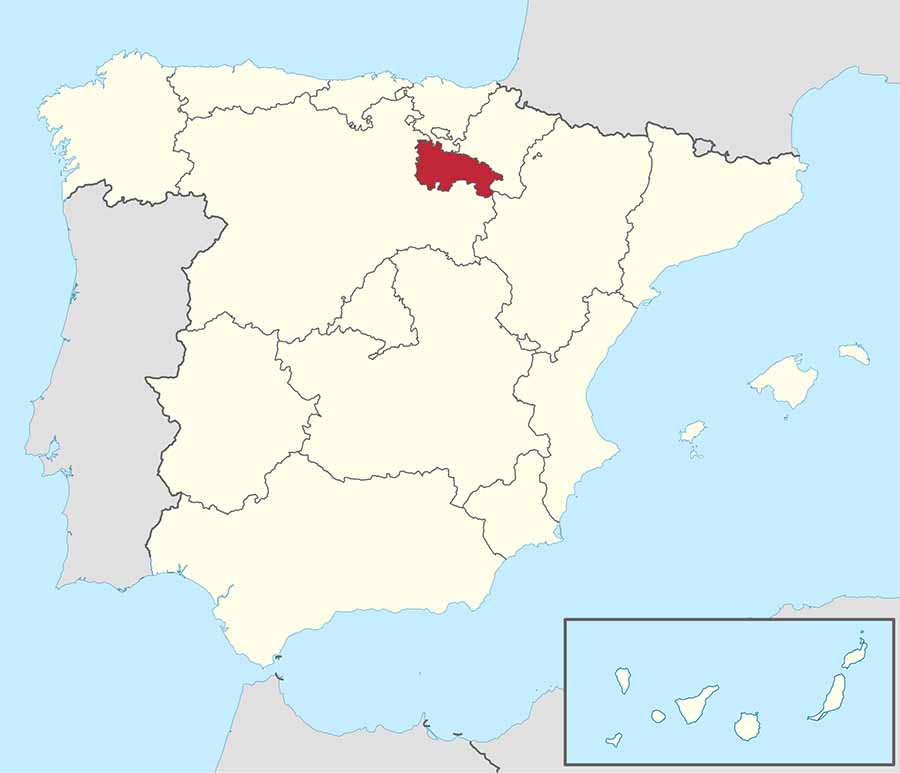
La Rioja, Spain’s smallest province, is a captivating destination renowned for its world-class wines, rich cultural heritage, stunning landscapes, and vibrant gastronomy. Located in north-central Spain along the Ebro River, it offers a blend of medieval charm, modern innovation, and natural beauty. Visitors in 2026 can expect a diverse range of experiences, from wine tourism to outdoor adventures and cultural exploration, with new offerings enhancing the region’s appeal.
La Rioja is synonymous with wine, producing some of Spain’s finest reds, primarily from the Tempranillo grape, across its three sub-regions: Rioja Alta, Rioja Alavesa, and Rioja Oriental. With over 500 wineries, visitors can:
- Tour Wineries (Bodegas): Explore historic and modern wineries like Bodegas Muga, R. López de Heredia, or Vivanco, which houses the world’s largest wine museum. Tours often include tastings and insights into winemaking traditions.
- Unique Experiences: Engage in activities like horse-riding, hot-air ballooning, or 4×4 routes through vineyards. The Vivanco Museum of Wine Culture in Briones offers an immersive dive into wine history.
- Wine Festivals: The Fiesta de San Mateo in Logroño (September) celebrates the grape harvest with parades, tastings, and fireworks. The Wine Battle in Haro (June) is a lively event where participants douse each other with wine.
Rich Cultural and Historical Attractions
La Rioja’s heritage is deeply tied to the Camino de Santiago pilgrimage route and the origins of the Spanish language. Key highlights include:
- UNESCO World Heritage Sites: The Suso and Yuso Monasteries in San Millán de la Cogolla are must-visits. Suso, dating to the 6th century, is where the first written Spanish words were recorded, while Yuso houses a vast library of ancient texts.
- Medieval Towns and Architecture: Explore Haro, the wine capital, with its gothic Church of Santo Tomás, or Laguardia, a hilltop village with medieval walls and a carved Gothic church doorway. Santo Domingo de la Calzada’s cathedral is another gem.
- Logroño’s Historic Charm: The capital features the Co-cathedral of Santa María de la Redonda, the 12th-century Church of San Bartolomé, and the Museo de La Rioja, showcasing regional history. The iconic Puente de Piedra bridge is a Camino landmark.
Gastronomic Delights
La Rioja’s cuisine complements its wines, blending traditional and innovative flavours:
- Tapas (Pintxos) in Logroño: Calle Laurel and Calle San Juan are famous for pintxos bars, each specializing in dishes like patatas bravas, garlicky mushrooms, or pig ear sandwiches. Bar Soriano is renowned for its mushroom pintxos.
- Local Specialties: Enjoy Rioja-style potatoes (cooked with chorizo and paprika), preserved codfish, and high-quality olive oil and vegetables. Pair these with a glass of local Tinto de la Rioja.
- Fine Dining: Restaurants like the cloistered Hotel Los Agustinos in Haro offer upscale Riojan dishes, such as confit egg on vegetable stew or aged beef in Tempranillo sauce.
Stunning Natural Landscapes
La Rioja’s diverse terrain includes vineyards, mountains, and biosphere reserves:
- Sierra de Cebollera Nature Reserve: Ideal for hiking and exploring Mediterranean forests and high-mountain scenery.
- Arnedillo Biosphere Reserve: Known for thermal baths and dramatic landscapes, perfect for relaxation.
- Valles del Leza, Jubera, Cidacos, and Alhama Biosphere Reserve: A Starlight Tourist Destination for stargazing, with guided “Starry Nights” programs in summer.
- Outdoor Activities: Options include biking, skiing, white-water rafting, canoeing on the Ebro River, or walking the Camino de Santiago trail.
Dinosaur Heritage
- La Rioja is a paleontological hotspot with over 140 dinosaur footprint sites:
- Dinosaur Route: Visit municipalities like Enciso to see fossil footprints and life-size dinosaur reproductions. The Barranco Perdido paleo-adventure park in Enciso features a Cretaceous Museum and multi-adventure circuits.
- Paleontological Interpretation Centre in Igea: Offers hands-on experiences for families.
Charming Accommodations
From boutique hotels to historic castles, La Rioja offers diverse stays:
- Modern and Minimalist: Hotel Finca de los Arandinos near Logroño blends Scandinavian-style design with vineyard views.
- Historic Stays: Castillo el Collado in Laguardia, a 10-room stone castle, offers medieval ambiance.
- Marriott Bonvoy Hotels: Conveniently located near attractions like the Museo de La Rioja, with amenities like pools and on-site dining.
Accessibility and Climate
- Getting There: Bilbao International Airport is the main gateway (1-1.5 hours’ drive), wqith direct flights from both Dublin and Cork. Logroño has a train station and bus connections to Madrid, Bilbao, and other cities. Renting a car is recommended for exploring remote vineyards.
- Climate: Expect warm summers (80s-90s°F) with clear skies, mild winters (40s-50s°F), and pleasant spring and fall (60s-70s°F). May to October is ideal for vineyard visits and outdoor activities.
Enhanced Enotourism Experiences
- Hacienda López de Haro’s New Offerings: This Rioja Alta winery is launching family-friendly activities and wine enthusiast experiences for spring 2026, combining history, nature, and tastings in unique settings.
- Bus Turístico de la Ruta del Vino: Following a successful Semana Santa, this wine route bus service consolidates enotourism by connecting public and private sectors, promoting regional viticultural identity. It offers curated circuits to wineries and attractions.
- Ruta del Vino Rioja Alta Spring Campaign: For the May 2026 holiday weekend, the Ruta del Vino Rioja Alta encourages visitors to explore budding vineyards, clear skies, and green landscapes via walking trails and tastings.
- Pasea La Rioja Initiative: For the May 2026 bridge holiday, this program organizes interpretive walks to explore La Rioja’s natural spaces, such as La Grajera in Logroño, a peaceful park for hiking and biking.
- Bus Joven 2026: A youth-oriented bus service will connect key towns like Santo Domingo de la Calzada (May 10), Haro (June 28), and Logroño (September 20) for cultural and wine-related events, enhancing accessibility for younger visitors.
Economic and Tourism Growth
- La Rioja’s GDP is projected to grow by 2.4% in 2026, driven by tourism and services, with 2,600 new jobs expected. This economic boost supports infrastructure improvements and new tourism offerings.
- The region’s focus on attracting talent and training workers aims to enhance visitor experiences amid a growing labor market.
Practical Tips for Visitors
- Duration: A 2-3 day trip allows for winery visits, cultural exploration, and outdoor activities.
- Transportation: Rent a car for flexibility, especially for remote wineries. Public buses and trains connect larger towns.
- Advance Booking: Reserve winery tours and monastery visits, especially for Suso, where numbers are limited.
- Language: English guides and leaflets are available at major sites, but basic Spanish can enhance interactions.
- Budget-Friendly: Pintxos bars offer affordable dining, and winter/early spring visits provide lower prices and fewer crowds.
Visitors to La Rioja in 2026 can expect an unforgettable blend of wine culture, historic landmarks, and natural beauty, with Logroño’s vibrant pintxos scene, Haro’s wineries, and the serene monasteries of San Millán de la Cogolla as highlights. New for 2026, enhanced enotourism initiatives like Hacienda López de Haro’s experiences, the Bus Turístico, and nature-focused programs like Pasea La Rioja add fresh appeal. Whether you’re a wine aficionado, history buff, or nature lover, La Rioja’s compact size and diverse offerings make it a perfect destination for a memorable Spanish getaway.
Famous wineries
Many of the wineries (bodegas) in La Rioja, Spain’s premier wine region, welcome visitors for tours, tastings, and experiences. These are among the most renowned for their history, architecture, wines (especially Tempranillo-based reds), and visitor appeal. Many require advance booking, especially in peak season.
- Marqués de Riscal (Elciego): One of the oldest and most iconic, founded in 1858, famous for its stunning Frank Gehry-designed hotel with titanium panels resembling a modern sculpture. Offers tours of historic cellars and tastings of elegant, aged Riojas.
- Bodegas Muga (Haro): A family-run classic since 1932, blending tradition with quality in oak barrels. Known for rich, structured reds; visitors explore the cooperage and enjoy guided tastings in a welcoming setting.
- Marqués de Murrieta (Ygay): Historic estate with the majestic Castillo de Ygay (19th century). Produces prestigious Gran Reservas; tours include the castle grounds, cellars, and tastings of refined, complex wines.
- Bodegas Franco-Españolas (Logroño): Centenary bodega (founded 1890) in the city centre, offering urban accessibility. Famous for balanced Riojas; visits feature historic cellars and paired tastings with local tapas.
- CVNE (Compañía Vinícola del Norte de España) (Haro): One of the “Big Three” in Haro since 1879, with impressive underground cellars. Renowned for Viña Real and Imperial labels; tours highlight traditional methods and premium tastings.
- Bodegas Ysios (Laguardia): Striking modern architecture by Santiago Calatrava, overlooking the Cantabrian Mountains. Focuses on high-quality Tempranillo; visits combine design appreciation with elegant wine tastings.
- Bodegas Vivanco (Briones): Features the world’s largest wine culture museum alongside the winery. Offers immersive experiences with art, history exhibits, gardens, and tastings of their sustainable wines.
- Bodegas López de Heredia (Haro): Ultra-traditional since 1877, using only estate grapes and long ageing in American oak. Famous for Viña Tondonia; tours showcase antique cellars and rare, long-aged vintages.
- Bodegas Baigorri (Samaniego): Gravity-flow modern winery with panoramic views. Emphasises sustainable practices and pure fruit expression; visits include architectural highlights and gastronomic tastings.
- Bodegas Lecea (San Asensio): Family-owned in historic underground caves (calados). Represents traditional Rioja winemaking; tours often include unique experiences like grape-treading festivals and cave explorations.
La Rioja has three sub-regions (Alta, Alavesa, Baja), with many of these in Alta or Alavesa for the best visitor infrastructure. Check official websites for current tour schedules, prices (typically €15–€50+ per person), and reservations. Enjoy the region’s hospitality responsibly
Off the beaten path
La Rioja, while famous for its wine and well-trodden paths like Logroño and Haro, hides a wealth of lesser-known gems that offer authentic, uncrowded experiences. These off-the-beaten-track locations and attractions showcase the province’s diverse landscapes, rich history, and cultural depth, perfect for travellers seeking something beyond the typical tourist trail.
Alfaro and the Stork Colonies:
- Eastern La Rioja, along the Ebro River. Alfaro is a charming, under-visited town known for its massive stork colonies, one of the largest in Europe. The Collegiate Church of San Miguel, a 16th-century baroque masterpiece, hosts hundreds of white storks nesting on its rooftops, creating a surreal sight from February to August.
- Wander the old town’s narrow streets to see Renaissance architecture and the 17th-century Monastery of the Immaculate Conception.
- Visit the Sotos del Ebro Nature Reserve, a serene riverside ecosystem with walking trails for birdwatching (flamingos, herons, and kingfishers).
- Explore the Roman ruins of Graccurris, an ancient city with remnants of mosaics and aqueducts. Alfaro’s blend of natural spectacle and historical depth feels untouched by mass tourism, offering a peaceful escape. Bring binoculars for birdwatching and visit in spring for peak stork activity. Local bars serve traditional Riojan stews paired with lesser-known local wines.
Enciso’s Dinosaur Footprints and Barranco Perdido:
- Southern La Rioja, near the Sierra de los Cameros. Enciso is a paleontological treasure trove, far from the wine-centric spotlight, with over 1,400 dinosaur footprints scattered across rugged landscapes. It’s a haven for science enthusiasts and families seeking adventure.
- Follow the Dinosaur Route to sites like La Virgen del Campo, where 120-million-year-old sauropod and theropod tracks are etched into rock faces.
- Visit the Paleontological Interpretation Centre in Enciso for fossil exhibits and interactive displays on Cretaceous life.
- At Barranco Perdido, a paleo-adventure park, explore a Cretaceous Museum, ziplines, and fossil-hunting activities for kids. Less crowded than mainstream attractions, it’s a quirky blend of education and fun. The surreal sight of ancient footprints in a remote, arid landscape feels like stepping back in time, with minimal tourist presence. Wear sturdy shoes for rocky trails and visit in cooler months (spring or fall) to avoid summer heat. Combine with a stop in nearby Arnedo for local leather goods.
Arnedillo’s Thermal Springs and Vía Verde:
- Southeastern La Rioja, in the Cidacos Valley. Arnedillo is a tranquil village located in a dramatic gorge, famous for its free, natural thermal springs along the Cidacos River. It’s a perfect spot for relaxation and outdoor exploration away from crowded tourist hubs.
- Soak in the open-air thermal pools (33-35°C), surrounded by cliffs and greenery, especially magical at sunset or under starlit skies (a Starlight Destination).
- Hike or bike the Vía Verde del Cidacos, a 34km converted railway path connecting Arnedillo to Calahorra, passing vineyards, olive groves, and medieval hermitages.
- Explore the Cueva de los Cien Pilares, a 12th-century rock-hewn chapel with stunning views, or the nearby ruins of a 10th-century castle. The combination of free thermal baths, a scenic greenway, and ancient hermitages offers a serene, low-key alternative to La Rioja’s busier wine routes. Bring a towel and water shoes for the springs. Stay at a local casa rural (rural guesthouse) for an authentic experience.
Ezcaray and the Valdezcaray Ski Resort:
- Southwestern La Rioja, in the Sierra de la Demanda. Ezcaray is a picturesque mountain village, often overlooked for wine-focused destinations, offering a mix of alpine charm, artisanal crafts, and outdoor adventures. It’s a year-round gem, especially for those seeking nature and culture.
- Stroll Ezcaray’s cobblestone streets to admire the 15th-century Church of Santa María la Mayor, a fortress-like Gothic structure, and browse workshops crafting traditional wool blankets.
- In winter, hit the slopes at Valdezcaray Ski Resort, a small but scenic ski area with 26km of pistes, ideal for beginners and intermediates. In summer, it’s a hub for hiking and mountain biking.
- Hike to the Oja River source or the Pancrudos Peak for panoramic views of the Sierra de la Demanda, spotting wild horses and rare flora. Ezcaray’s blend of mountain sports, artisanal heritage, and cozy village vibes feels worlds away from La Rioja’s vineyard-centric image. Visit in autumn for vibrant foliage or winter for skiing. Dine at Echaurren, a Michelin-starred restaurant with a casual gastrobar serving Riojan classics.
Sajazarra and Its Medieval Castle:
- Western La Rioja, in the Rioja Alta. Sajazarra, a tiny village of fewer than 150 residents, is one of Spain’s most beautiful villages, yet it remains a hidden gem. Its well-preserved medieval castle and serene setting make it a perfect detour.
- Tour the Sajazarra Castle, a 15th-century fortress with crenelated towers, now privately owned but partially open for guided visits (check locally for schedules). It’s surrounded by lush gardens and vineyards.
- Visit the Church of Santa María de la Asunción, a 12th-century gem with Romanesque details, and wander the village’s stone houses adorned with flower boxes.
- Pair your visit with a tasting at a small, family-run winery like Bodegas Ramírez de la Piscina, known for organic Tempranillo wines. Sajazarra’s fairytale-like ambiance and lack of tourist crowds offer an intimate glimpse into rural La Rioja’s medieval past. Visit during the annual medieval market (typically summer) for reenactments and local crafts. Combine with nearby San Vicente de la Sonsierra for its ancient wine presses.
Ortigosa de Cameros Caves:
- Southern La Rioja, in the Sierra de Cameros. The caves of Ortigosa de Cameros, Located in a remote mountain village, are a geological wonder rarely featured in mainstream guides. They offer a unique underground adventure in a pristine natural setting.
- Explore the Cueva de la Paz and Cueva de la Viña, two accessible caves with guided tours showcasing stalactites, stalagmites, and subterranean lakes. Tours (45-60 minutes) are small and intimate.
- Hike the surrounding Sierra de Cameros trails for breathtaking views of rolling hills and traditional stone villages.
- Visit the nearby Interpretation Centre to learn about the caves’ formation and the region’s pastoral heritage. The caves’ remote location and small-scale tours provide a personal, uncrowded experience, contrasting with La Rioja’s more commercial attractions. Book cave tours in advance (available spring to fall). Wear warm clothing and sturdy shoes, as the caves are cool and slippery. Stop in Ortigosa for hearty Riojan lamb stew.
Cenicero’s Hidden Wine Heritage:
Central La Rioja, near Logroño. Cenicero, a small town overshadowed by Haro, is a wine lover’s secret with historic bodegas and a low-key vibe. It’s ideal for those seeking authentic wine culture without the tourist bustle.
- Visit Bodegas Riojanas, a century-old winery with underground cellars carved into rock, offering intimate tastings of Gran Reserva wines.
- Explore the Church of San Martín, a 16th-century Gothic structure with intricate altarpieces, and the town’s quiet plazas lined with family-run bars.
- Join a local wine harvest workshop (seasonal, typically September) to pick grapes and learn traditional winemaking techniques. Cenicero’s unpretentious wine scene and historic charm offer a genuine Riojan experience, far from the crowded winery circuits. Visit in autumn for harvest season or spring for vineyard walks. Pair with a meal at a local asador for roasted lamb and Crianza wines.
Practical Tips for Offbeat Exploration
- Transportation: A rental car is essential for reaching these remote locations, as public transport is limited outside major towns. Roads are well-maintained but can be narrow in mountainous areas.
- Timing: Spring (April-May) and fall (September-October) offer mild weather and fewer crowds. Winter is ideal for Ezcaray’s skiing, while summer suits stargazing and festivals.
- Language: English is less common in these areas, so basic Spanish phrases or a translation app can help. Local guides at caves or wineries often speak English.
- Accommodation: Stay in casas rurales or small hotels in nearby villages like Ezcaray, Arnedillo, or Enciso for an authentic vibe. Book ahead for summer or festival periods.
- Guides and Tours: Check with local tourism offices (e.g., in Logroño or Haro) for updated schedules on cave tours, castle visits, or seasonal activities. Some sites require reservations.
- Sustainability: Respect natural sites by sticking to trails and avoiding litter, especially in biosphere reserves and caves.
These offbeat locations reveal La Rioja’s multifaceted character, from prehistoric footprints and thermal springs to medieval castles and alpine villages. They offer a chance to connect with locals, savor untouched landscapes, and discover stories that don’t make the guidebooks. Whether you’re soaking in Arnedillo’s hot springs, marveling at Alfaro’s storks, or sipping wine in Cenicero’s cellars, these hidden spots promise a deeper, more personal experience of La Rioja in 2026.
Spain region by region
Almería – Andalusia – Aragón – Asturias – Basque Country – Cádiz – Cantabria – Catalonia – Córdoba – Extremadura – Fuerteventura – Galicia – Gran Canaria – Granada – Huelva – Ibiza – Jaén – La Mancha – La Rioja – Lanzarote – León – Madrid – Majorca – Málaga – Menorca – Murcia – Navarra – Seville – Tenerife – Valencia –