Feedstock availability is NOT a barrier to aviation’s decarbonisation, IATA have concluded.
The international aviation body has told ICAO that airlines need 500m tonnes of SAF by 2050, with 300m tonnes from biomass and 200m from power-to-liquid, needing enhanced conversion efficiencies.
Challenges involve improving feedstock logistics, scaling novel sources, ensuring renewable electricity and hydrogen for PtL, and coordinating government policies.
North America, Brazil, Europe, India, China and ASEAN drive SAF output, requiring energy sector investment to commercialise technologies and create jobs.
IATA’s study with Worley Consulting confirms sufficient sustainable aviation fuel feedstock exists to achieve net zero CO2 emissions by 2050, meeting strict sustainability criteria.
Barriers include slow SAF technology rollout, with HEFA technology dominating, and competition for biomass feedstock, requiring policies to prioritise aviation.
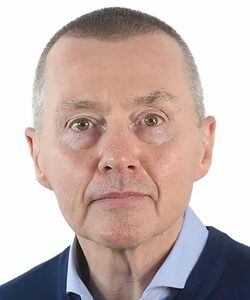
IATA’s Glasnevin born CEO Willie Walsh shared “We have unequivocal evidence that feedstock availability is not a barrier to aviation’s decarbonisation, but technology rollout must accelerate now.”
Marie Owens Thomsen shared “Policy certainty and cross-sector collaboration are essential to unlock SAF production and create new economic opportunities.”