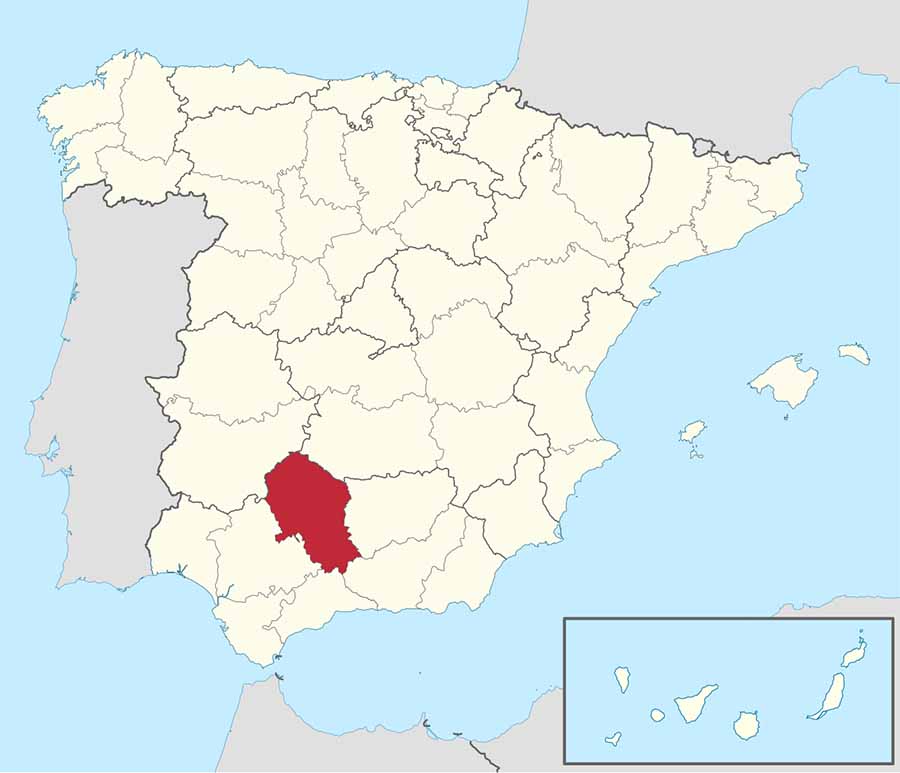
In the province of Córdoba, Spain, gastronomy tourism offers a delightful exploration of traditional cuisine and welcoming facilities. This Andalusian gem, with its historic cities and rolling olive groves, invites visitors to savour its rich food culture and cultural attractions in a warm, inviting setting.
Córdoba’s cuisine reflects its agricultural and Moorish heritage. The province is famed for salmorejo, a chilled tomato soup thickened with bread and olive oil, served in restaurants across Córdoba city. Local eateries also offer flamenquín, a breaded pork roll stuffed with ham, often paired with patatas bravas. In the countryside, dishes like rabo de toro, a slow-cooked oxtail stew, showcase the region’s hearty flavours. Tapas bars in the Jewish Quarter serve small plates of aubergine with honey or lamb skewers, accompanied by a glass of Montilla-Moriles wine.
Local markets brim with Córdoba’s fresh produce. The Mercado Victoria in Córdoba city offers olives, cheeses, and cured meats like jamón ibérico, alongside local honeys. In towns like Priego de Córdoba, markets feature artisanal olive oils, a staple of the region’s economy, often sampled with crusty bread. Cooking classes in Lucena teach visitors to prepare ajo blanco, a chilled almond and garlic soup, blending Andalusian traditions with hands-on learning.
Wine tourism thrives in the Montilla-Moriles region, where vineyards produce crisp whites and fortified wines like fino and amontillado. Bodegas welcome guests for tours and tastings, often paired with local almonds or chorizo, set against scenic olive groves. The province’s olive oil production is equally celebrated, with mills in Baena offering guided visits to learn about pressing techniques, followed by tastings of peppery, fresh oils.
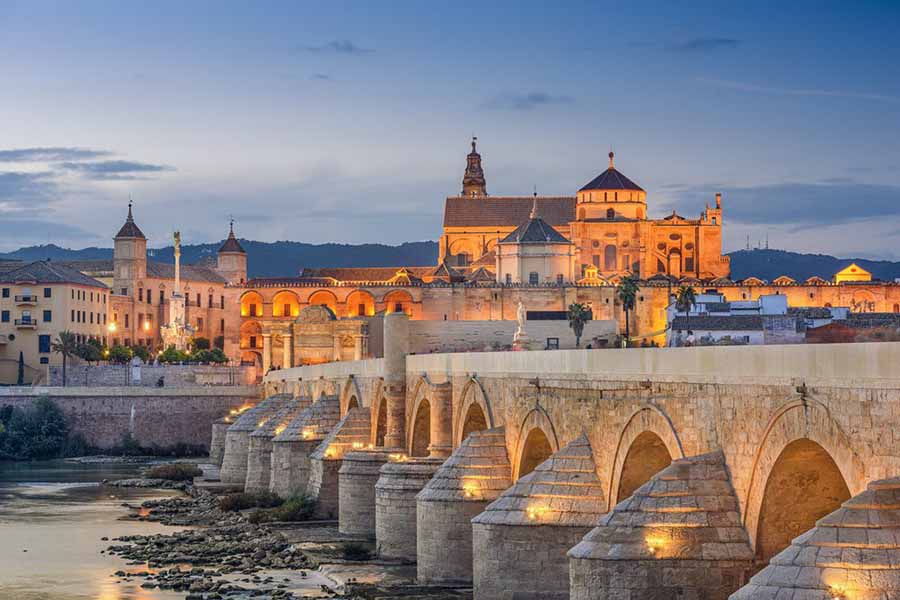
Córdoba’s cultural landmarks enhance its culinary appeal. The Mezquita, a stunning mosque-cathedral, reflects the region’s Moorish past, which influences dishes like lamb tagine. The Alcázar’s gardens in Córdoba city complement nearby restaurants serving pastel cordobés, a puff pastry filled with sweet pumpkin. In the Subbética region, whitewashed villages like Zuheros offer dining spots with views of olive groves, featuring goat cheese and venison. These sites weave history into the food culture.
Accommodation ranges from charming guesthouses in rural Priego to modern hotels in Córdoba’s historic centre. Many offer gastronomic packages, including olive oil tours or wine tastings. Restaurants in Palma del Río serve freshwater fish like carp, reflecting the Guadalquivir River’s influence. Córdoba’s focus on sustainability shines through in its organic markets and farm-to-table dining, ensuring authentic flavours for visitors.
Spain region by region
Almería – Andalusia – Aragón – Asturias – Basque Country – Cádiz – Cantabria – Catalonia – Córdoba – Extremadura – Fuerteventura – Galicia – Gran Canaria – Granada – Huelva – Ibiza – Jaén – La Mancha – La Rioja – Lanzarote – León – Madrid – Majorca – Málaga – Menorca – Murcia – Navarra – Seville – Tenerife – Valencia –